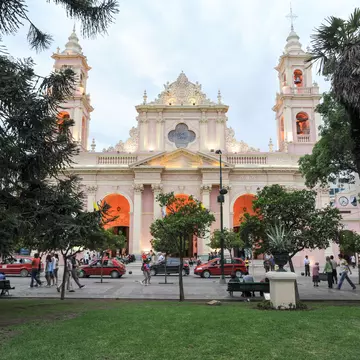
Argentina
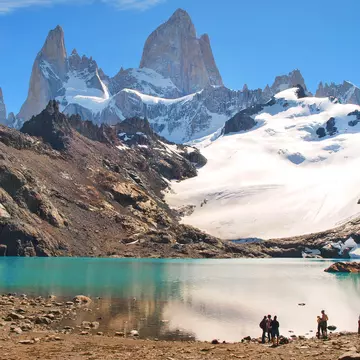
Blessed with the wide expanse of the Atlantic Ocean framing its east, the mighty Andes crowning the west, a subpolar ice kingdom to the south, the jungled beauty of the northeast and the tablecloth of the Pampas blanketing its center, Argentina stands as a titan of South America. If you’re beginning your Argentina planning, you’ll quickly discover why this country is so beloved by adventurous travelers. Choose the scenery to suit your appetite, including ice-capped adventures in the southern Andes and spellbinding waterfalls in Iguazú. Sensational Buenos Aires, the most-visited city in Latin America, is equal parts seductive, cerebral and sensational. Not sure where to start? Plan your trip to Argentina with our travel inspiration and tips covering top attractions, when to visit and expert advice to help you make the most of your adventure.
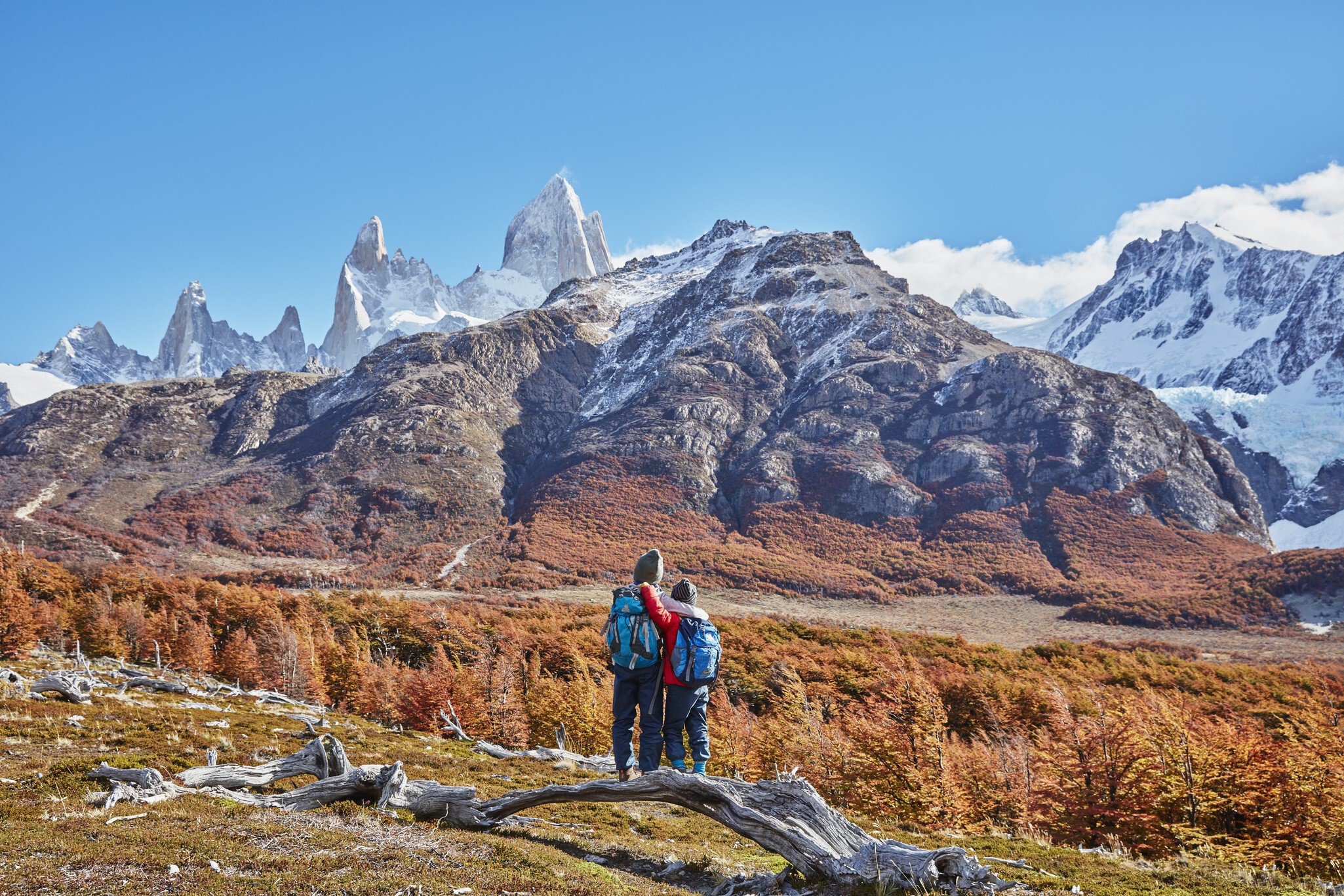
Getty Images/Westend61
Latest Stories
- Federico Perelmuter | Jul 30, 2026The 9 best places to visit in Argentina in 2026
- Andrea Smith | May 5, 20267 of the best beaches in Argentina
- Diego Jemio | Apr 9, 2026The top 11 things to do in Argentina
- Luke Waterson | Oct 22, 2025What to know before visiting Argentina
Book
Trip 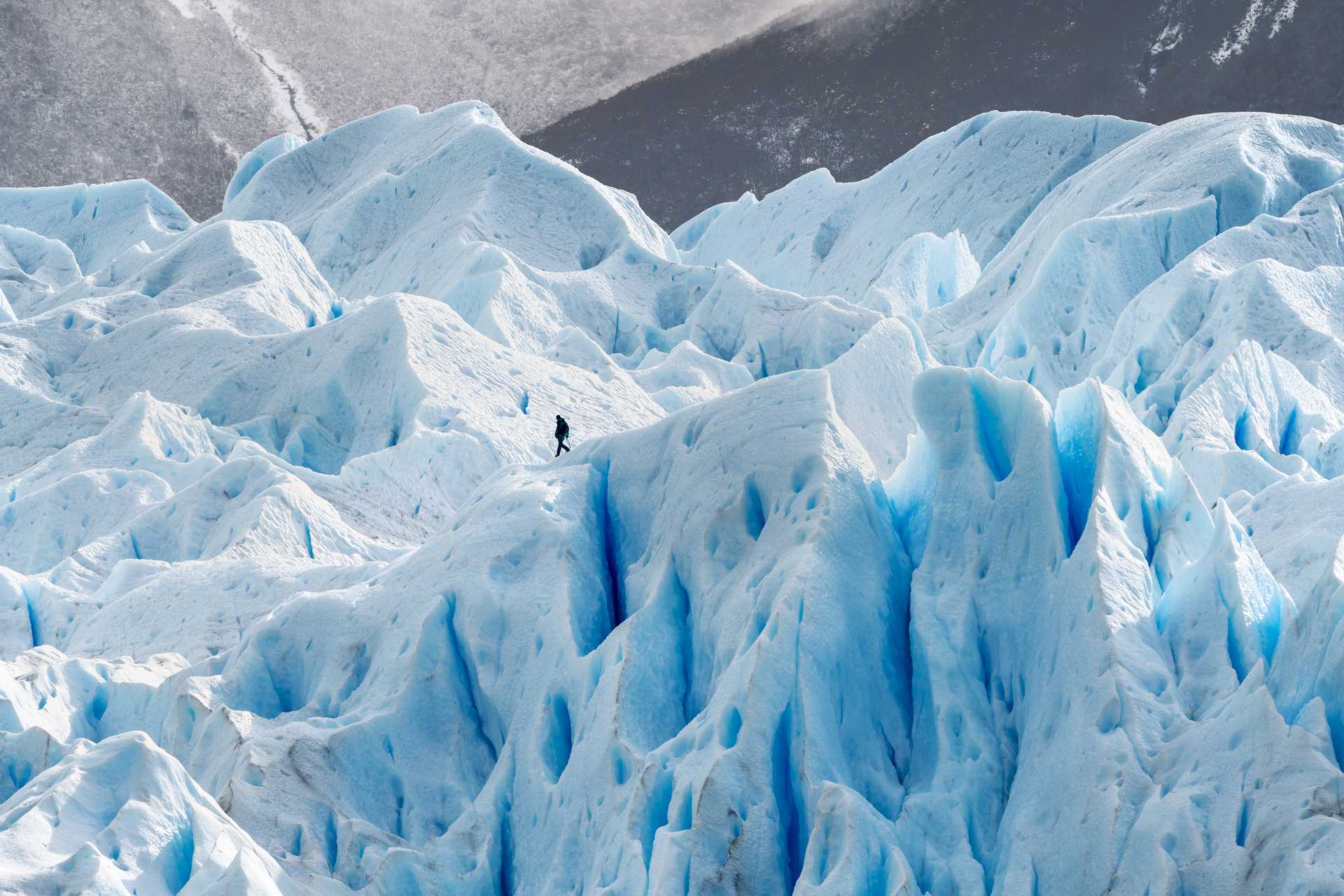


Trusted Partner
Dreaming of Argentina? Protect your trip
Travel with confidence. Protect your trip and your wallet.
We don’t represent World Nomads, we receive a fee from quotes using this link. This is not a recommendation to buy travel insurance.
Take your Argentina trip with Lonely Planet Journeys
Pick one of our ready-to-book trips or fully customize your own with help from our local experts.
bookable trip
9 Days in Argentina: Patagonia, Iguazú and Buenos Aires
9 days / 8 nights
highlights
- 1 Visiting the macabre yet glamorous resting place of Eva Perón on a Recoleta Cemetery tour
- 2 Experiencing the thrills, rapids, and spewing mist of Iguazú Falls on an exhilarating boat journey
- 3 Gazing at the glacial glory of Patagonia's striking and sprawling Perito Moreno Glacier
from $4,460
per person

Explore more trips
-
 Argentina
10 days / 9 nights
Ends of the Earth: Chilean and Argentinian Patagonia in 10 Days
View ItineraryFROM $3,785
per person
Top places to visit in Argentina
Discover the best attractions in Argentina from must-see sights to unexpected hidden gems.
-
 Attraction in Iguazú FallsCircuito Superior
 -
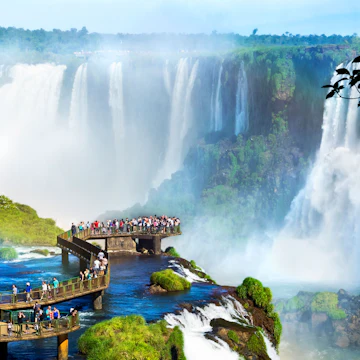 Attraction in Iguazú FallsParque Nacional Iguazú
 -
 Attraction in Buenos AiresPalacio Barolo
 -
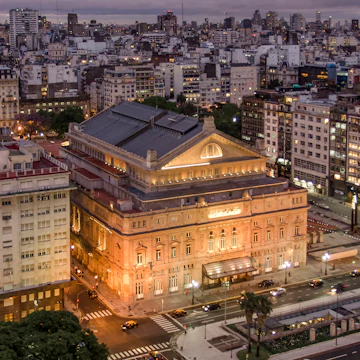 Attraction in Buenos AiresTeatro Colón
 -
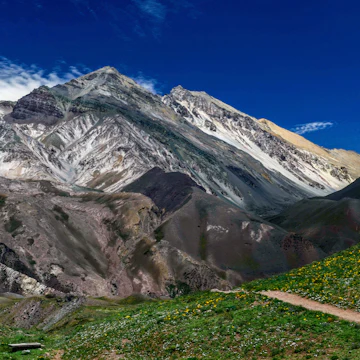 Attraction in Mendoza & the Central AndesParque Provincial Aconcagua
 -
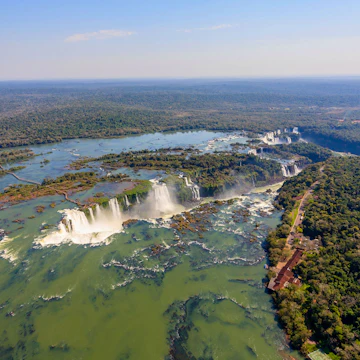 Attraction in Iguazú FallsGarganta del Diablo
 -
 Attraction in Iguazú FallsCircuito Inferior
 -
 Attraction in Iguazú FallsIsla San Martín
Travel Guides
Argentina travel tips from Lonely Planet experts
Find practical guidance from our team of contributors around the world who bring their decades of first-hand travel experience to your next trip.
Best Things to Do
See astonishing natural wonders, take part in lively cultural events and try mouth-watering cuisine. Here are the top things to do in Argentina.
Read full article
Best Time to Visit
Plan your trip to Argentina with this guide to climate, crowds and costs.
Read full article
Things to Know
From currency quirks to late-night dining, these 10 tenets will make your trip to Argentina a snap.
Read full article
Transportation
Argentina has long distances between major attractions. Here are the top ways to get around, whether you fly, drive or take the bus.
Read full article
Best Road Trips
Argentina is an ideal place to hit the road. Here are our top routes for epic drives.
Read full article
Money and Costs
Experience the best of Argentina without devastating your wallet – here are our tips for traveling on a budget.
Read full article
Best Places to Visit
See Argentina's natural wonders like waterfalls, salt flats and mountains, or visit its glamorous cities and bountiful vineyards.
Read full article
Get a book. Get inspired. Get exploring.
in partnership with getyourguide
Book popular activities in Argentina
Lonely Planet may earn a commission from affiliate links on our site. All recommendations and reviews reflect our own independent opinions.
Argentina and beyond
- destinationBuenos Aires
- destinationRecoleta & Barrio Norte
-
 destinationSalta & the Andean Northwest
 - destinationPatagonia
- destinationIguazú Falls & the Northeast
- destinationMendoza & the Central Andes
- destinationMendoza
- destinationSalta