Introducing Afghanistan
When Lonely Planet was hitting the Asia overland trail in the 1970s, Afghanistan was known for its dramatic mountain scenery and the unparalleled hospitality of its people. At the turn of the 21st century the country was more synonymous with war and terrorism, the picture of a failed state. The fall of the Taliban regime in 2001 and the subsequent reconstruction attempts have done much to address this view, but in early 2007 Afghanistan’s future remained on a knife-edge.
Advertisement
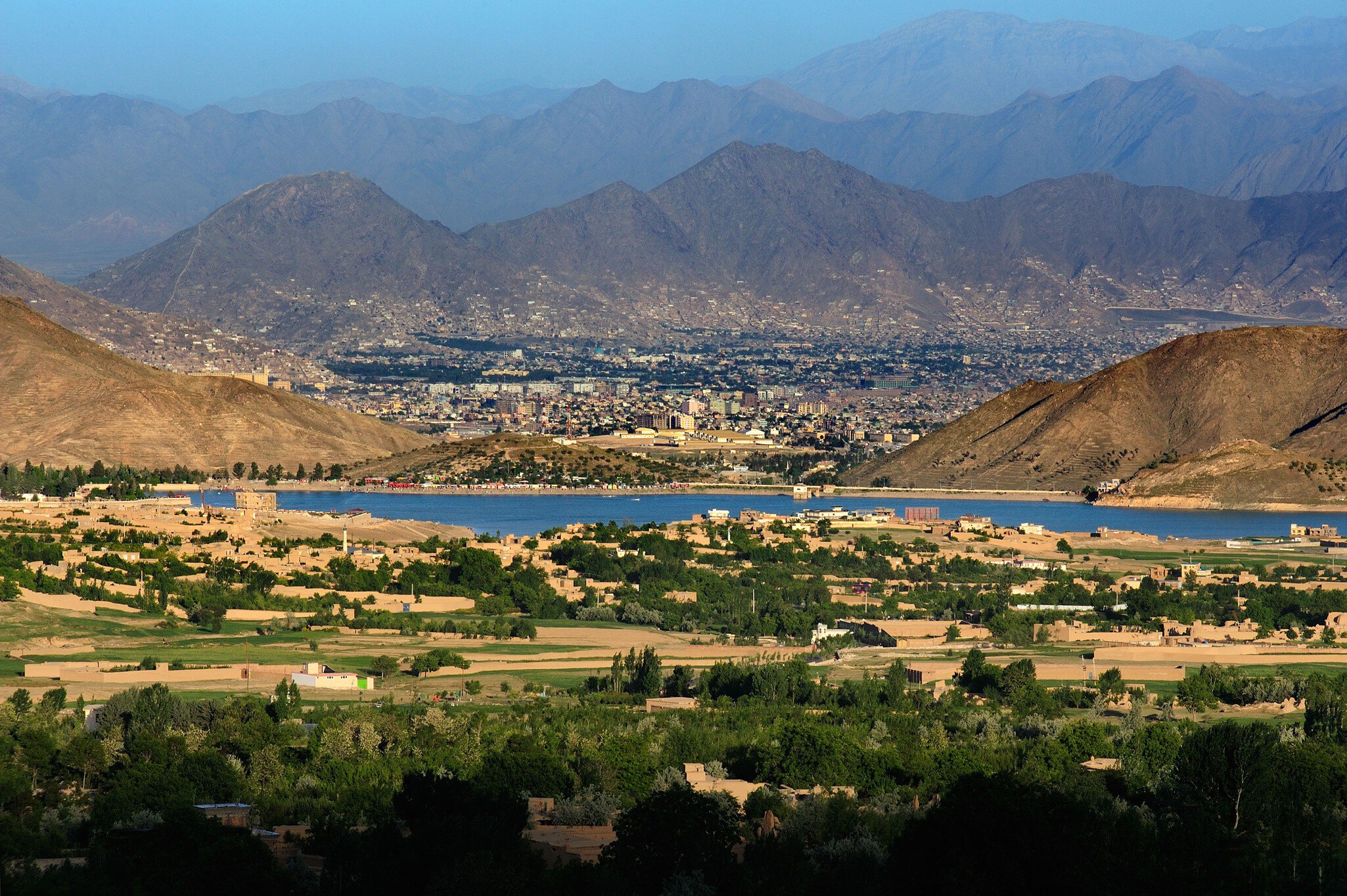
While it remains a volatile, often hostile area, Afghanistan contains some incredible treasures. Kabul sets a buzzing pace and Mazar-e Sharif & Northeastern Afghanistan is the home of the country's most sacred site. Samangan (Aibak) is the site for the caves and shrines of Takht-e Rostam, a hidden Buddhist gem and while the senseless destruction of the Buddha statues of Bamiyan still resonates, their ruins, set in a serene valley, are an awe inspiring sight.
Having been bled white by ten years of Soviet occupation, Afghanistan was dropped by the international community almost the minute the last Red Army tank withdrew in 1989, allowing it to slip into the chaos of civil war and the Taliban. Promises not to repeat the same mistake 13 years later proved half-hearted at best. Progress in development of education and the political processes (which have seen successful presidential and parliamentary elections) are real enough. Kabul and other cities have boomed with increasing trade and new constructions. Most of the country is at peace, but the state remains perilously weak. The return to power of many of the rejected warlords of the 1990s has cynically proved to Afghans that you can apparently have peace or justice but not both. The booming economy has failed to touch the countryside where most Afghans live and development programmes have mostly ignored the centrally important agricultural sector, particularly in the Pashtun regions that originally spawned the Taliban.
Afghanistan’s rugged landscape and tribal patchwork has never allowed it a strong central government, and attempts by the international community to build one have been patchy. The economy is dependent on aid, and in 2006 domestic revenues raised just US$13 per capita. This pales in comparison with the 6100 tonnes of opium produced in the same period – over half the value of the legal economy. Opium corrodes the fragile state, reaching from bribed provincial cops to the centres of power in Kabul and out into the developed world. Over 90% of the heroin on the streets of the UK comes from Afghanistan.
Ever the meddling neighbour, Pakistan has continued to play a double game in Afghanistan. Islamabad has been a key partner in public in the ‘War on Terror’, but stands accused of giving sanctuary to the Taliban leadership it once helped into power. The Waziristan compact it signed in 2006 to quell a tribal rebellion on its own troubled frontier has provided both a reservoir and safe haven for Taliban fighters operating in southern Afghanistan. Flush with opium money and drawing new inspiration from the Iraqi insurgency, Taliban attacks set swathes of southern Afghanistan ablaze in 2006, drawing NATO forces into heavy combat.
Is the Afghan glass half empty or half full? Continued and improved international commitment is crucial for Afghanistan’s success. Afghans still welcome foreigners who come to the country to help, knowing full well the cost of neglect. At the time of writing, international sabre-rattling over Iran fuels Afghan fears that the country will again slip off the radar. Progress is slow and painful, but possible. A peaceful, stable Afghanistan is still there to be won – the costs of losing it again are simply too high for everyone.
Travel Alert: Large areas of Afghanistan remain extremely dangerous: NATO-led military operations are ongoing against the Taliban and Al-Qaeda. Acts of violence, often targeting foreigners, continue to occur regularly in Kabul and elsewhere. Travellers should contact their consular representative for the latest information, check out Safe Travel for updated government warnings.
Last updated: Jun 1, 2009
Tips & articles
Thorn Tree forum discussion
Recent posts
-
RE: Going to Afghanistan in September
by udo1 13 September 2011
I have been to Herat and Mazar about a year ago, and to Kabul again four months ago, so the information is not that up-to-date, and I…
-
RE: Going to Afghanistan in September
by gitarist 11 September 2011
to be honest, I don't think anyone can provide any adequate info about herat right now. some places i hear it's still ok there, some other…
-
RE: Going to Afghanistan in September
by whereamiplease 11 September 2011
Yeah, you can move by taxi pretty easy. Most drivers know a little English, some even know a lot. Some of the drivers at the airport are…
Advertisement