Mar 6, 20269 min read
The best neighborhoods to stay in Florence, ItalyJan 3, 2026
10 MIN READ

Writer
Writer
It’s difficult to calculate how many works of art are exhibited in the UNESCO-inscribed historic center of Florence – compiling a comprehensive list of things to see and do would be an encyclopedic endeavor. The collection of world-class museums, such as the Uffizi and Galleria dell’Accademia, draws in thousands of people daily, but these comprise only a fraction of the Tuscan capital’s heritage.
Attempting to take it all in can be overwhelming – especially if you're visiting for a short time between spring and autumn. Going to the major museums often means facing long queues and dealing with crowds. Rather than trying to complete a must-do list, allow yourself a few days to experience the city from different perspectives.
Get to know some of your favorite Renaissance artists' work, but then leave the museum halls behind and discover the city's living culture. Here are some of the best things to do in Florence.
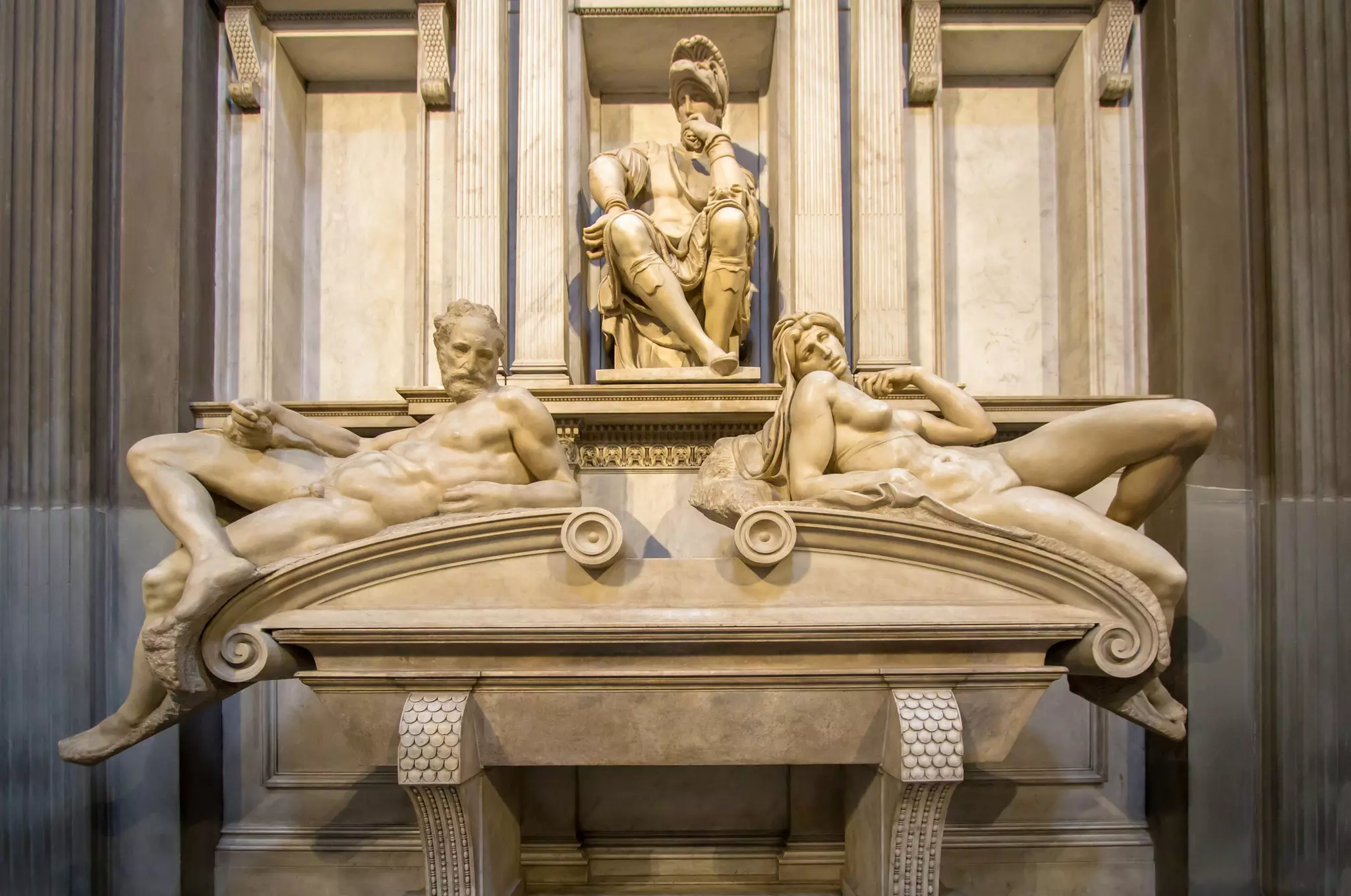
One of the world’s most renowned Renaissance artists, Michelangelo Buonarroti has left many traces of his time spent in Florence, starting with the iconic David housed inside Galleria dell’Accademia. Michelangelo was born in Caprese, near Arezzo, in 1475 and moved to Florence at a young age with his family, starting his career as a sculptor at only 13 years old.
Casa Buonarroti, in Via Ghibellina, traces Michelangelo’s accomplishments through some of his early drawings and engravings. Inside the Basilica di Santo Spirito, the church designed by Filippo Brunelleschi, you’ll find the wooden crucifix Michelangelo produced as a teenager in 1493, when he was studying anatomy while living in the convent.
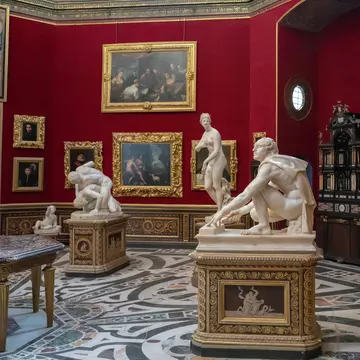
Important works such as Bacchus (1497), believed to be Michelangelo’s first marble sculpture, and David-Apollo (1530–32) are housed inside Museo del Bargello, while his only surviving panel painting, Tondo Doni (1504–1506), is found in the Uffizi Gallery.
The artist's architectural accomplishments include the vestibule of the Biblioteca Medicea Laurenziana and the Sagrestia Nuova, which is found inside the Museo delle Cappelle Medicee, the place of rest for many of the Medici family's most prominent members.
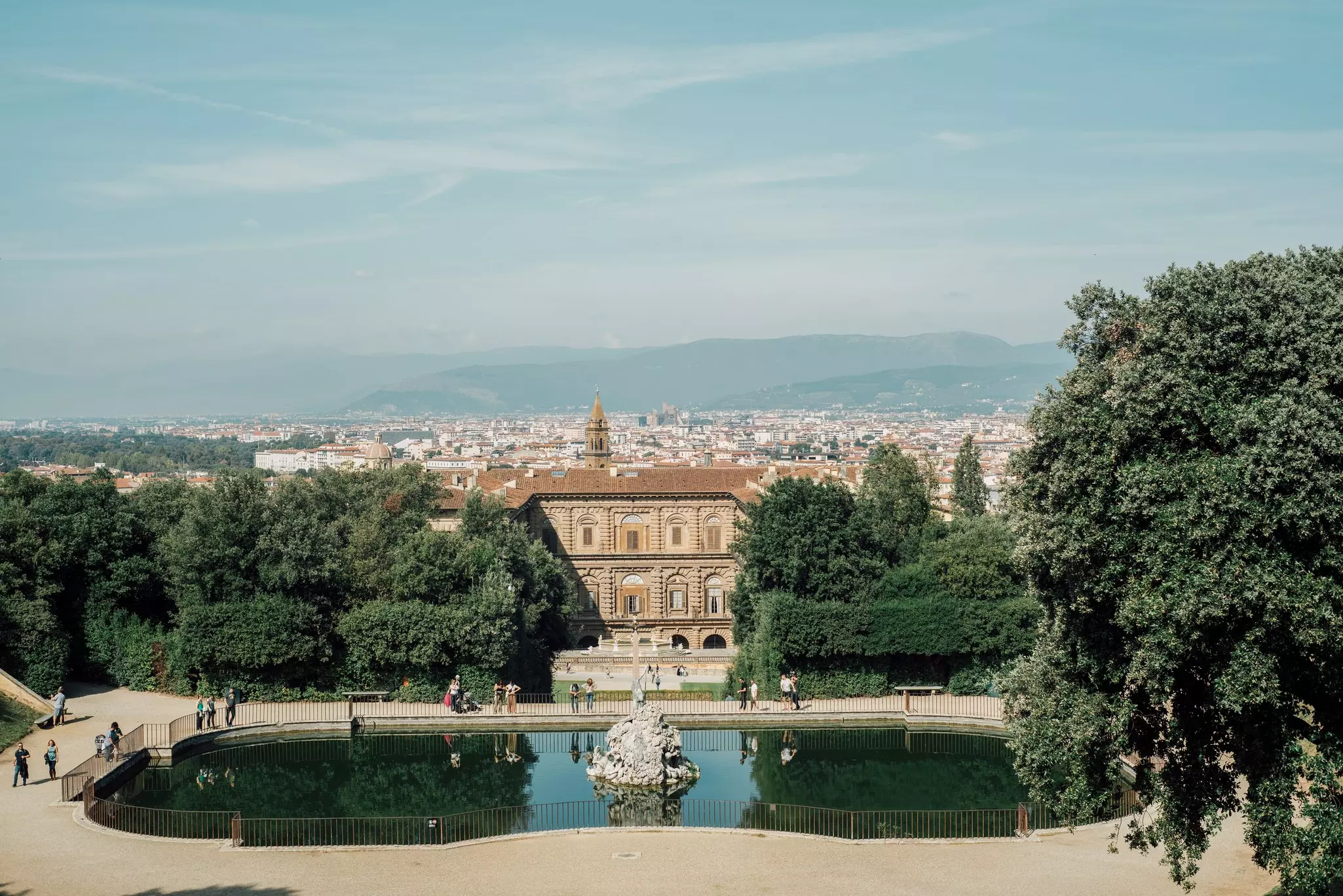
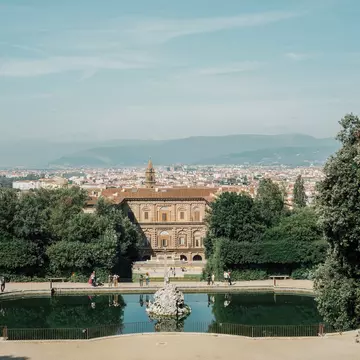
Commissioned by the Medici family to landscape architect Niccolò Pericoli in 1549, the Boboli Gardens pioneered a new style of European court gardens, creating an environment that would influence aristocrats across the continent. Designed following the humanistic principle of the Renaissance, Boboli – an extension of Palazzo Pitti – blurs the lines between nature and art. Walk through the artificial grottos, fountains and sculptures that adorn the symmetrical gardens of the city’s former rulers.
Boboli isn’t the only monumental garden in the city. Continue your green tour of Florence by visiting the English-style Giardino Torrigiani, the largest private garden within a historic city center in Europe, before climbing up Giardino Bardini for some of the best views of the Duomo.
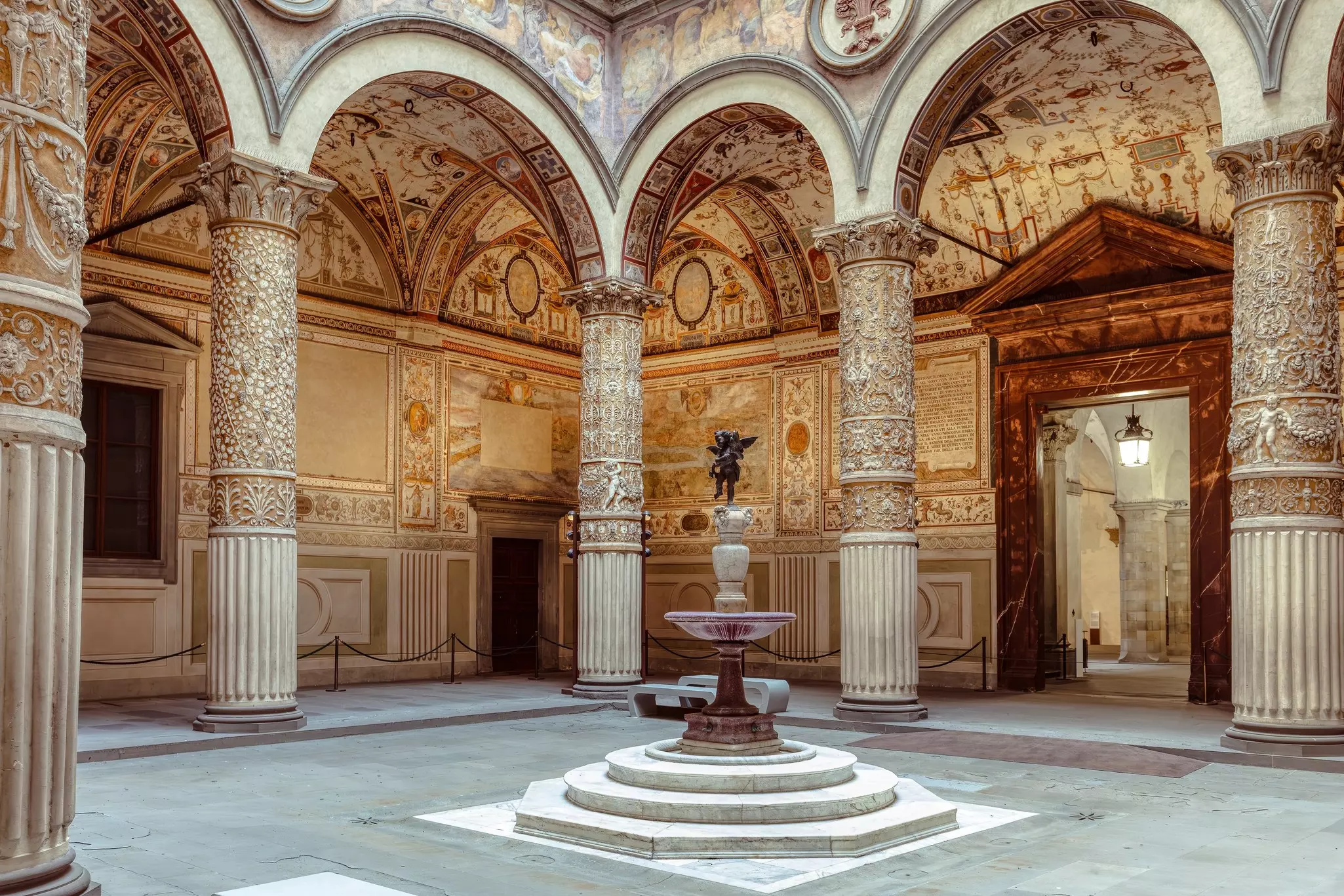
Ruling over the city for nearly 300 years, the Medici have transformed Florence like no other family. Begin your tour of the Medici’s palaces of power from Palazzo Medici-Riccardi, in the San Lorenzo district – this was the first Florentine residence of the dynasty of bankers-turned-dukes. Admire Benozzo Gozzoli’s Magi Chapel before continuing onward to Basilica di San Lorenzo, the family church housing two marvelous pulpits by Donatello.
Get to Piazza della Signoria to enter Palazzo Vecchio, where Cosimo I de’ Medici moved with his wife in 1540. Take a secret passages tour to gain exclusive access to Francesco I’s Studiolo, the Duke’s son’s wunderkammer hidden between the palace’s walls and staircases. Continue to the spectacular Salone dei Cinquecento, then exit Palazzo Vecchio to reach Palazzo Pitti, on the other side of the Arno, which functioned as the grandiose residence of the Medici in the second half of the 16th century.
Seven centuries ago, Florentine poet Dante Alighieri changed how the Italian language was written and spoken in ways that are still felt today. The popularity of Dante’s Divine Comedy, written in the Florentine vernacular, set the foundation on which the Italian language developed and pushed the poet into literary stardom.
Dante’s statues and portraits are scattered around the city, but the best place to learn about the origins of the influential author is in the neighborhood where he is believed to have lived. Enclosed between Piazza della Signoria and Orsanmichele are the preserved medieval district housing Museo Casa di Dante and some of the last stone-built case torri (tower houses) that aristocratic and merchant families constructed to show off their prestige.
Two Florentines have long been competing for the title of " father of gelato." According to one version of the story, a butcher named Ruggeri, who lived in the Medici's court, created the recipe in the mid-16th century after Duchess Caterina de' Medici organized a contest for the most unusual dish ever created.
The second version attributes gelato to architect Bernardo Buontalenti, who was also working for the Medici and is said to have first combined frozen cream, sugar and eggs to make a dessert with unprecedented taste.
The Buontalenti flavor is still popular in Florence, although dozens of gelaterie produce their own unique interpretations of this summer classic. Stop at Vivoli to taste their legendary (but pricey) affogato, or opt for the artisanal scoops of Sbrino, La Sorbettiera or Gelateria della Passera.
Around the end of 1919, Florentine Count Camillo Negroni asked the bartender of Caffè Casoni (later Caffè Giacosa) in Via della Spada to twist his usual Americano cocktail – a blend of Campari and sweet vermouth – by adding gin to the mixture. That odd request produced one of the best-known Italian cocktails around the world, the Negroni.
The bar where Count Negroni used to drink shut down in 2017, but a new Giacosa opened in 2023 in Via della Spada, inspired by the 19th-century cafe where the legendary cocktail was invented. It’s not the only cocktail bar where you can get a Negroni, and Rivoire, Manifattura and MAD are just some of the places worth stopping during your aperitivo wanderings for a creative take on this timeless classic.
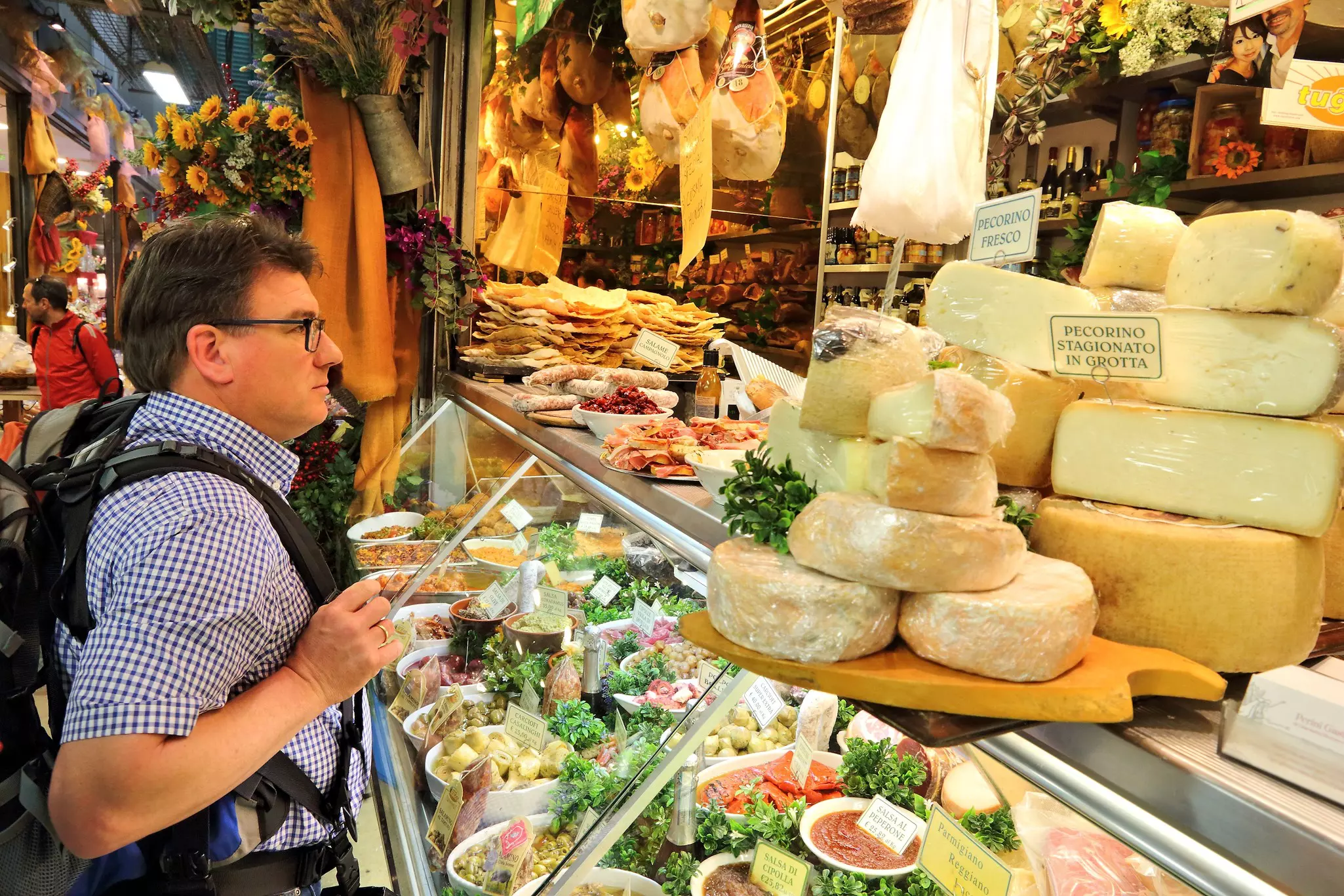
Whether you are looking for street food, vintage clothing, a unique souvenir, secondhand books or a piece of antique furniture, Florence has a market for it. San Lorenzo's Mercato Centrale is the center of the action. Outside, you'll find the ever-crowded leather market, where bags, belts, jackets and notebooks populate the stalls.
Inside the 1874 iron-and-glass building marking the heart of the neighborhood is a first floor dedicated to fresh produce and traditional products, and an upper floor working as a food court with contemporary, local and international cuisine served in over 20 outlets. There is also a cooking school, in case you want to bring home some pasta-making skills.
Mercato Centrale is not the only market in Florence. Leather goods are also on sale at the open-air Mercato del Porcellino (or Mercato Nuovo), steps away from Ponte Vecchio, while Mercato di Sant'Ambrogio is the oldest covered market in the city, with a section for antiques and secondhand goods extending on Largo Pietro Annigoni. Every second Saturday of the month, you'll also find an antique market in Piazza Santo Spirito, while if you want to shop like a local, you should head to the Cascine Park on Tuesday morning.
Wine has been a staple in Florence since the Middle Ages, when vinattieri (wine producers and merchants) came to the city from the Chianti region to sell their wine. Many old-school enotecas still dot the market area – stop by at Zanobini, Casa del Vino or Vino Divino for a taste of local productions in exchange for just a few euros. If you’d prefer a trendier atmosphere, head to Enoteca Bellini in Piazza San Pancrazio or Il Santino in the Santo Spirito area for a contemporary take on the old tradition.
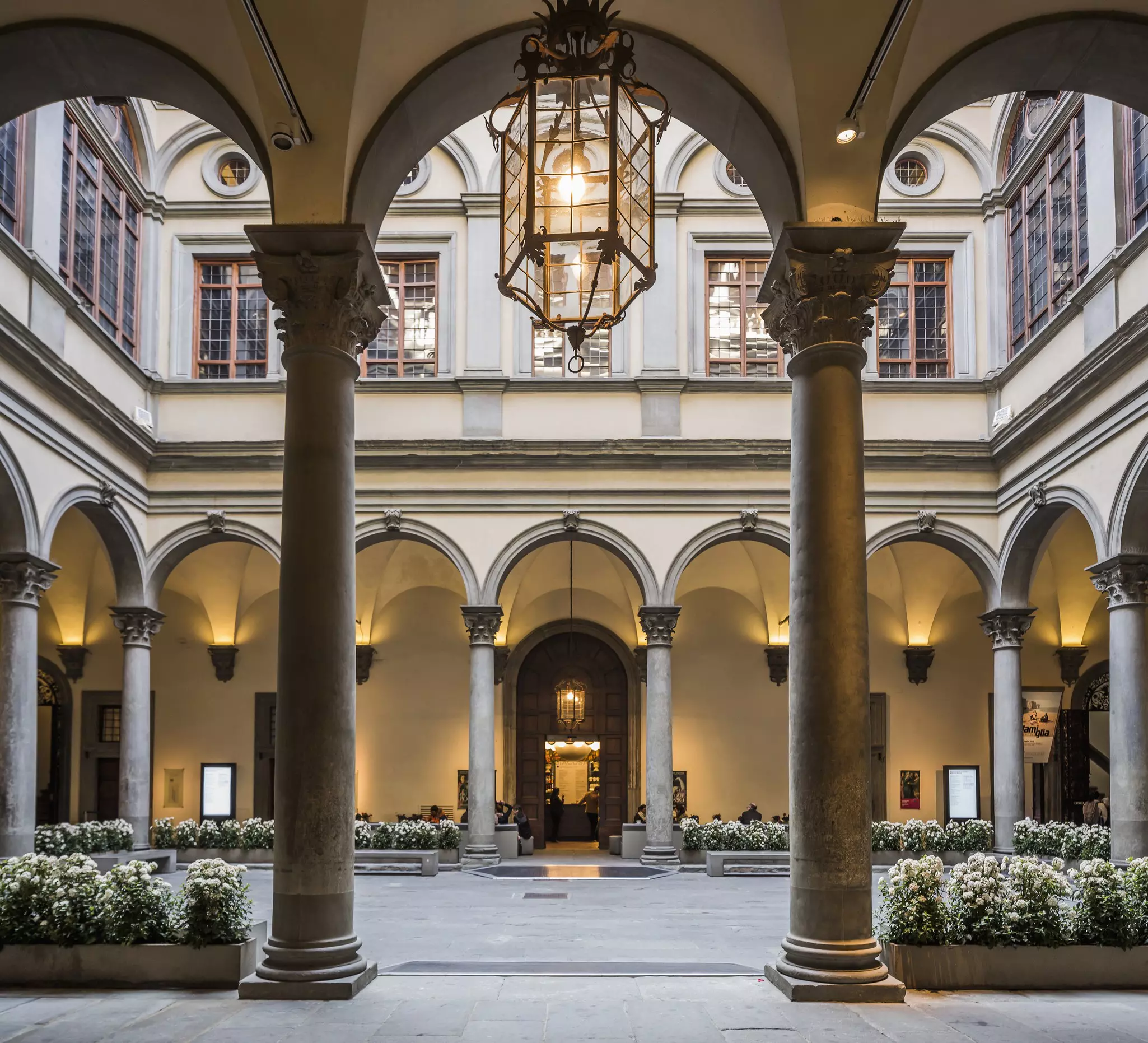
Take a break from the Renaissance and fast-forward to the contemporary era by visiting the museums and galleries highlighting the works of local and international artists defining the modern era. Palazzo Strozzi is Florence’s leading contemporary art institution, offering a rich program of changing shows year-round. Among the recent guests are Kaws, Andro Eradze and Giulia Cenci.
Museo Novecento, in Piazza Santa Maria Novella, showcases paintings and sculptures by both local and foreign artists produced over the past century, while Museo Marino Marini exhibits the quirky equestrian sculptures of Pistoia-born artist Marino Marini (1901–1980).
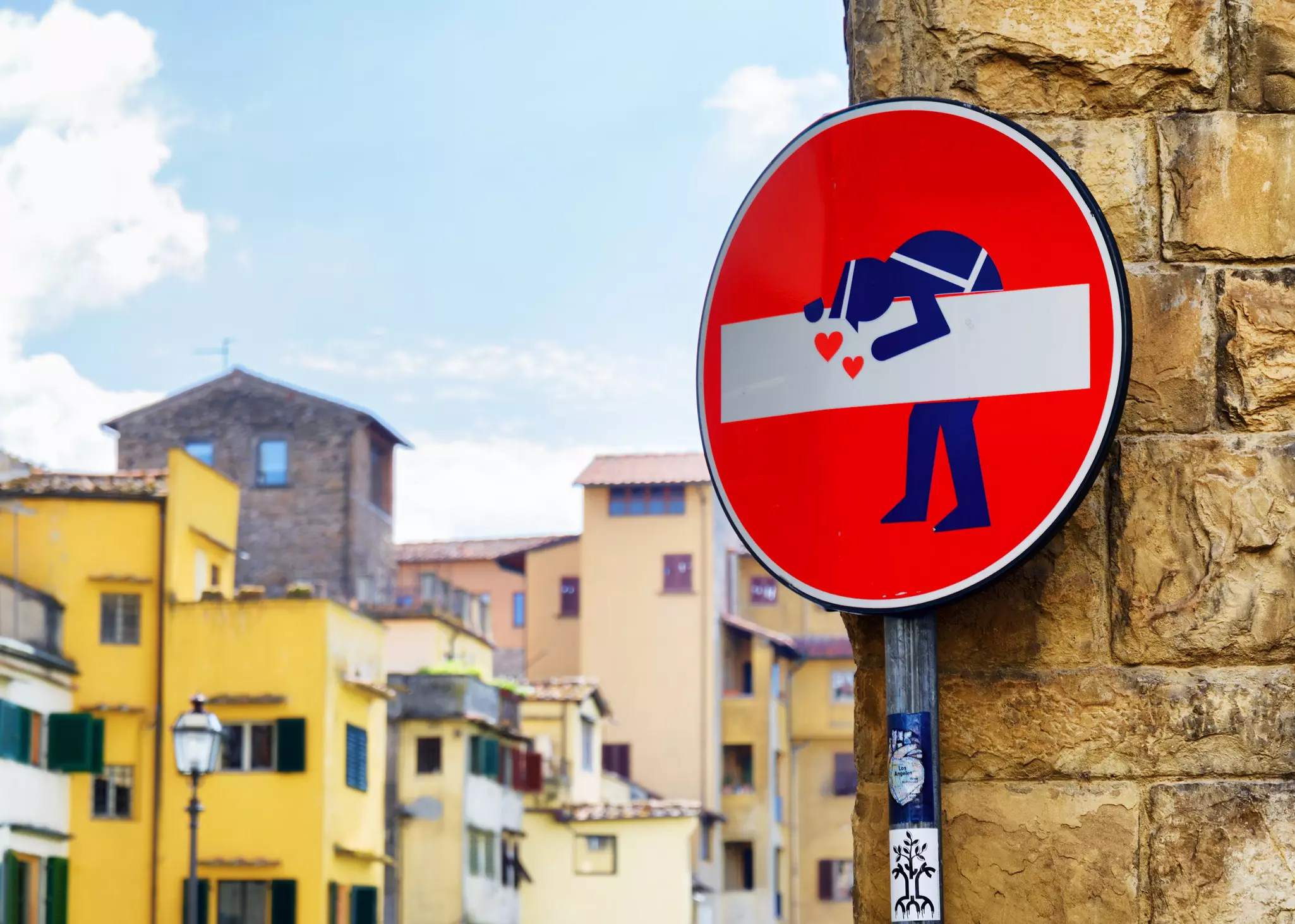
When strolling through the streets of Florence, look up at the traffic signs, and you may notice that many of them have been "altered" with stickers that add new meaning to the symbols. The often ironic modifications are the work of street artist Clet Abraham, who has been adding both humor and political commentary to the city's signs for the past two decades. Clet's studio, in the San Niccolò area, is open to visitors. If you're interested in learning more about the local urban art scene, it's also worth visiting Street Levels Gallery in Via Palazzuolo – the first Florentine gallery entirely dedicated to urban art.
Social media sensation All’Antico Vinaio has made the schiacciata (Florentine flatbread) a global phenomenon, as the long queues outside the brand’s first sandwich shop on Via dei Neri testify. But a half-hour wait for a stuffed schiacciata doesn’t make sense, considering there are dozens of bakeries selling equally – or more – delicious bread around the city. For a taste of the salty, oily, crunchy deliciousness, try Forno Pugi, Forno Becagli, Cioccolateria Ballerini or Sapori Toscani.
Florence is globally marketed as an art city, so its many scientific institutions that have shaped the culture during and after the Renaissance are often overlooked. La Specola Museum, one of Europe's oldest natural history museums, reopened in 2024 after years of renovation and showcases curious anatomical waxes dating as far back as the 18th century.
There is also Museo Galileo, named after Tuscan scientist Galileo Galilei, who was invited by the Medici to Florence in the early 17th century. It boasts over 1000 exhibits tracing the evolution of scientific studies in Florence and beyond. Kids will enjoy a visit to the Museum of Geology and Paleontology run by the University of Florence – there are skeletons of elephants that lived in Tuscany around 1.5 million years ago, together with the remains of other creatures, including a whale, that populated the region in the distant past.
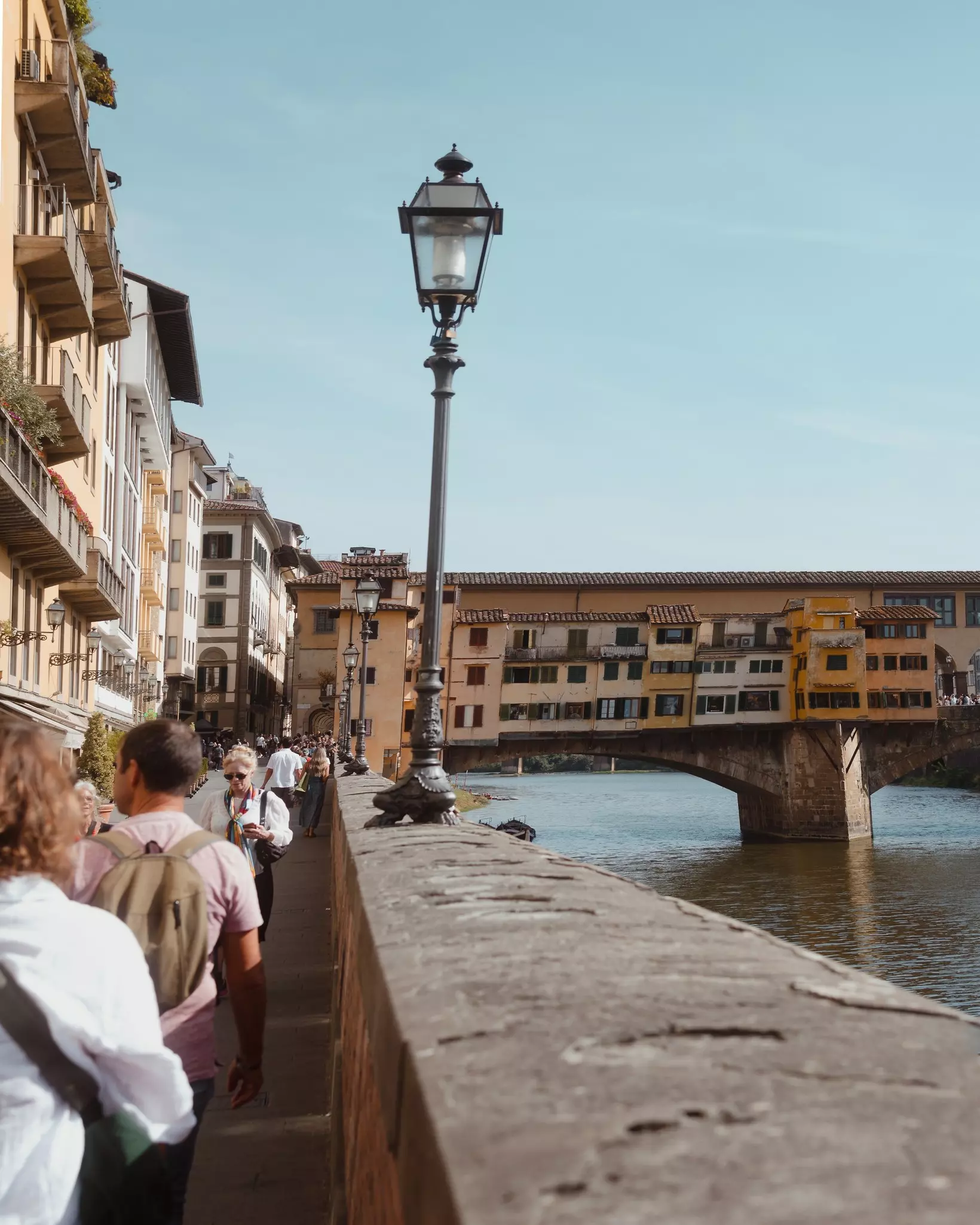
Built in 1345, the Ponte Vecchio is one of the city’s best-known icons, connecting the two sides of Florence across the Arno River. The 48 jewelry stores perched on the bridge survived the 1944 bombing of the city – all other bridges in central Florence were destroyed – and the major flood that happened in 1966.
To admire this architectural wonder from a unique perspective, join one of the barchetto cruises run by the Renaioli during the summer months. In the early 20th century, the renaioli were city workers who extracted rena (sand) from the riverbed for construction projects using special barchetti (small boats) and skills passed down through generations. As technology progressed, the renaioli disappeared, but the Renaioli Association has renovated the last surviving barchetti, repurposing them to allow visitors to admire the city as they float along the river.
Explore related stories