Aug 6, 202611 min read
12 Things to Do in Prague (and the Best Way to Do Them)Aug 6, 2026
11 MIN READ

Writer
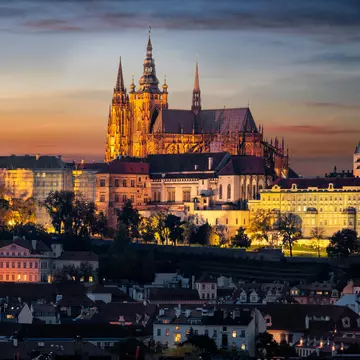
Prague Castle by night. Sven Hansche/Shutterstock

Writer
Highlights
Writer Mark Baker picks 12 Prague essentials, from Old Town to Vinohrady vineyards.
Visit Old Town Square, cross Charles Bridge and climb to Prague Castle for sweeping views.
Order Czech goulash or smažený sýr at U Medvídků and settle in with a half-liter lager.
For deeper Prague, seek Josefov's haunting Old Jewish Cemetery and Vyšehrad Fortress.
Lonely Planet may earn a commission from affiliate links on our site. All recommendations and reviews reflect our own independent opinions.
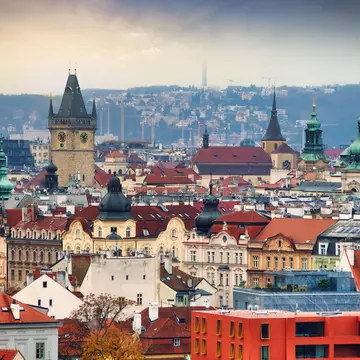
I’ve lived in Prague more than 30 years, and the city – still – never fails to impress me. The sheer number of buildings preserved across the centuries, in concert with the density and beauty of the historic center, make for an effect unrivaled among European capitals. It’s as if you’ve been dropped somewhere in the 14th century, like the lead in some period drama, and left to follow the cobblestones wherever they lead.
Yet that doesn’t mean the city is somehow anchored to the past. Far from it. The key to fully enjoying Prague is to dabble in its contemporary side, too – to sample its pubs and restaurants, and the outlying parks and public squares where Praguers themselves spend their time.
These are my suggestions for what to do when you’re in this incomparable place. It’s not complete, of course; such a list would be impossible. Consider these suggestions an essential mix of what makes the city special – and what those of us who live here love most about this place.
The non-negotiable for first-time visitors
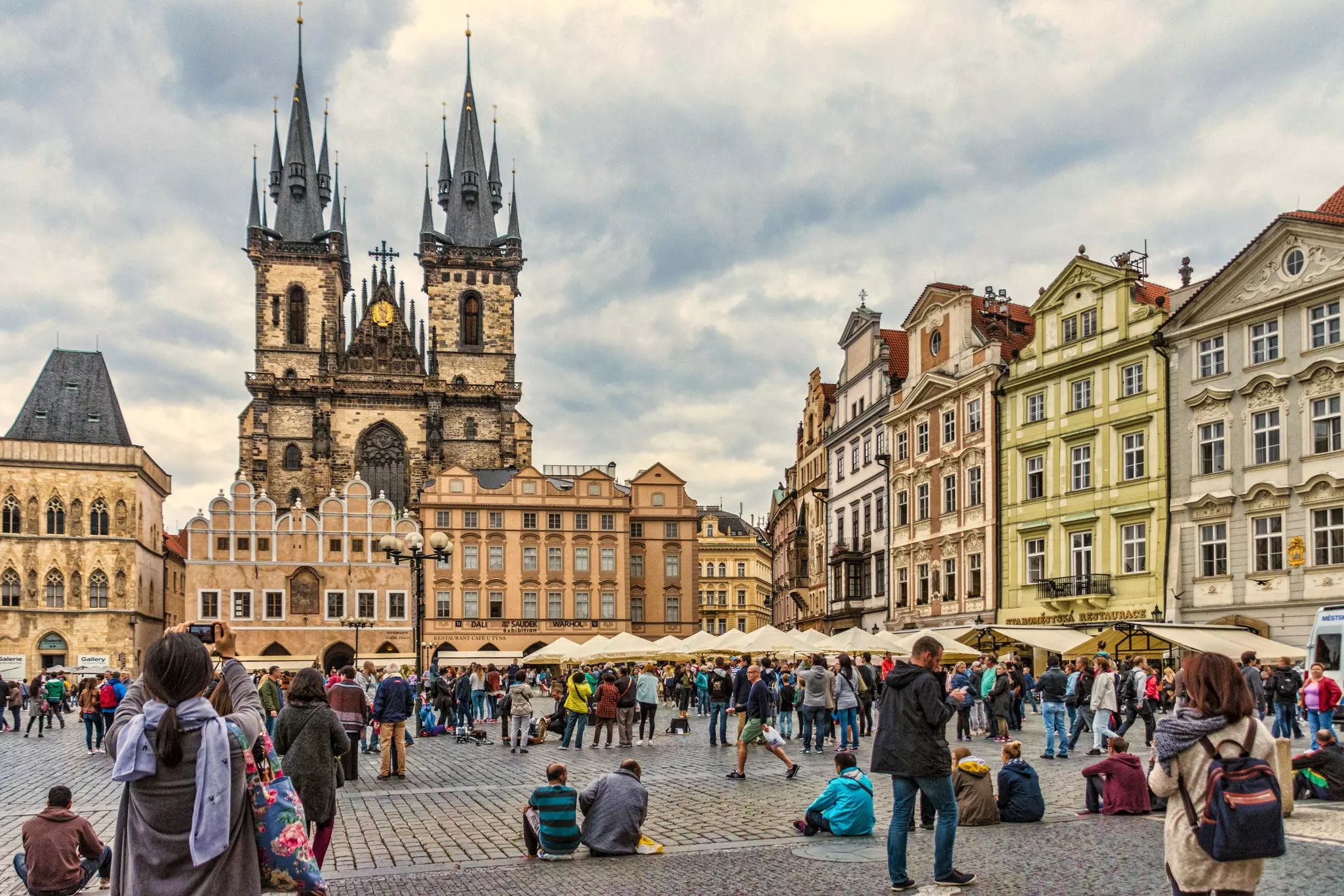
There’s nowhere better to begin a trip to Prague than Old Town Square, the city’s commercial heart for more than 1000 years. Begin at the Astronomical Clock, which springs to life for a brief minute at the top of each hour. The Old Town Hall Tower is worth climbing for panoramic views over the square (unless you’re a history enthusiast, you can skip the Old Town Hall’s pricey interior exhibition). Once you’ve soaked up the festive atmosphere, peek inside the glittering baroque interior of the Church of Our Lady before Týn, whose twin spires (which each have their own mini spires) give the square its slightly exaggerated, fairy-tale feel.
When to go: Arrive near the top of the hour to catch the Astronomical Clock display; return after dark when the square is beautifully illuminated.
Pair with: The Prague Jewish Museum is just a few minutes away, if you want to make a longer day of it.
The non-negotiable for history buffs
No visit to Prague would be complete without walking up Nerudova St (or riding tram 22 to spare yourself the climb) to Prague Castle. This vast complex has been the seat of Bohemian and Czech power for the past millennium, even serving as inspiration for Franz Kafka’s novel The Castle.
Since its sheer size can be daunting, you should budget at least 2 hours and limit your focus to a few highlights. (Save time by buying a Main Circuit combined ticket in advance through the castle website or GetYourGuide.) Highlights of the complex include St Vitus Cathedral, the Old Royal Palace, Golden Lane and the views over Malá Strana from the southern gardens.
When to go: Arrive before the 9am opening to get in first, or after 4pm, when the tour buses have moved on.
Pair with: Reward an afternoon visit with an early Czech dinner at Kuchyň, opposite the main castle entrance. Book well ahead and request a terrace table.
The non-negotiable walk
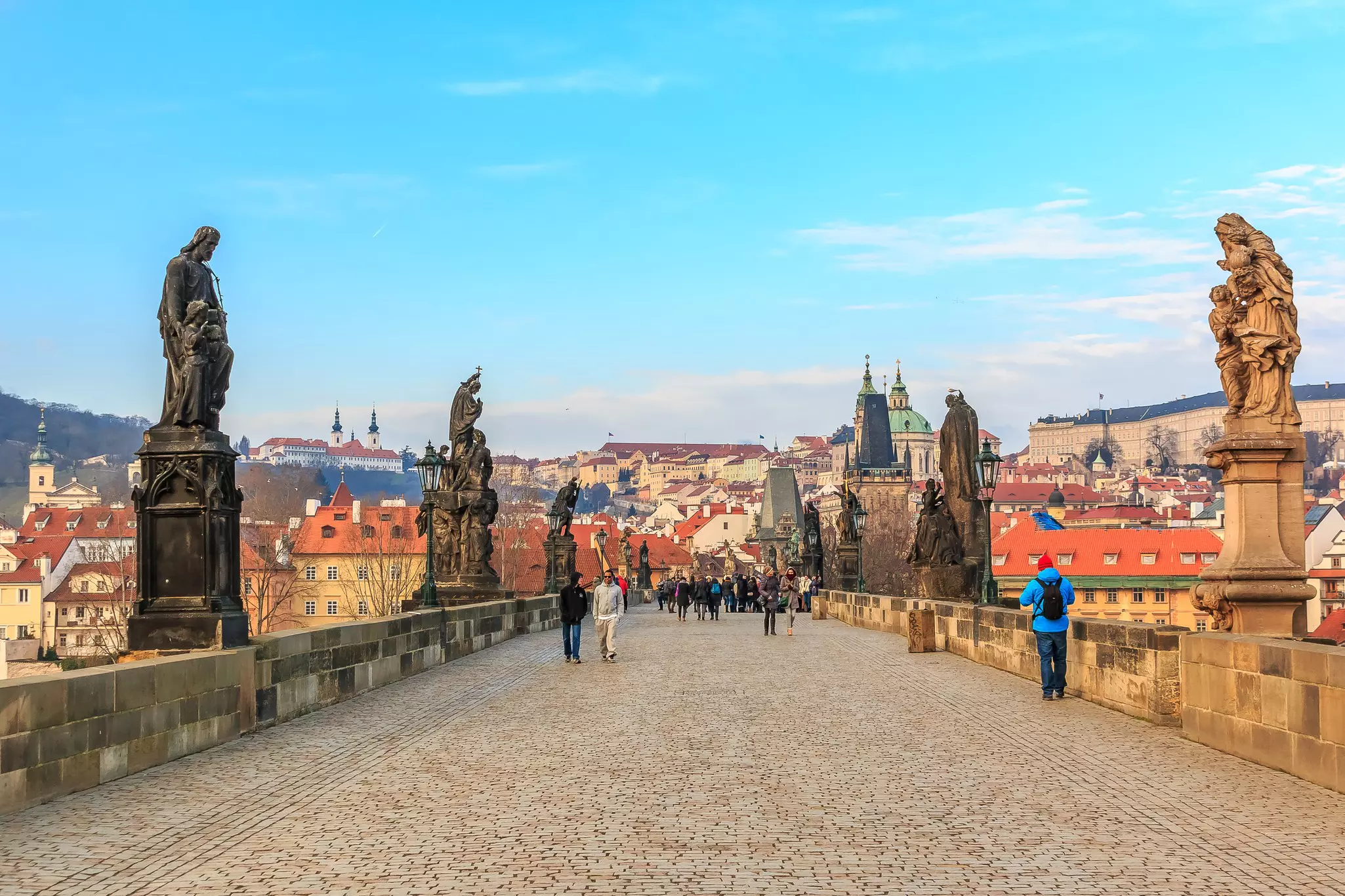
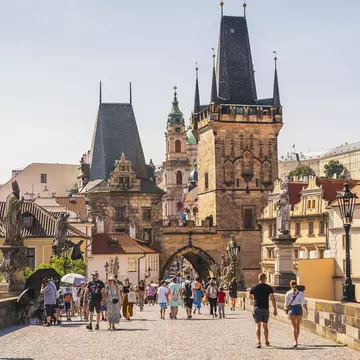
Statue-lined Charles Bridge is a Gothic-baroque masterpiece and one of Europe’s truly iconic spans. A stroll across it, admiring the sculpted baroque saints and soaking up its carnival atmosphere, is another Prague essential. The trick is to arrive before the crowds, or after they’ve gone home. By all means rub the bronze relief beneath the statue of St John of Nepomuk (legend says this guarantees you’ll return to Prague) – but don’t overlook the other sculptures. Matyáš Braun’s depiction of St Luitgard embracing the crucified Christ is widely regarded as the bridge’s finest piece.
When to go: Before 8am for empty, misty cobbles; after dark for the illuminated skyline.
How to get there: Follow twisting Karlova St from Old Town Square.
Pair with: Charles Bridge sits between Old Town and Malá Strana, making it easy to move on to either neighborhood after you’ve crossed.
The fun part
Since Czech food is so unpretentious, a meal out in Prague is always satisfying – not to mention fun. Traditional fare includes generous plates of schnitzel, goulash and – one of my favorites – smažený sýr, a slab of breaded, fried Edam served with fries and tartar sauce. All of these are calorie bombs, sure – and always deeply satisfying.
For classic dishes any Czech granny would recognize, head to U Medvídků or U Kroka. For something more refined, Alma and Výčep reinterpret familiar recipes with an emphasis on local sourcing and sustainability. The endless half-liters of Czech beer that accompany lunch or dinner keep the party humming.
When to go: Look for weekday lunch specials (polední menu) from noon to 3pm.
Pair with: A couple more pilsners after dinner.
Best free thing
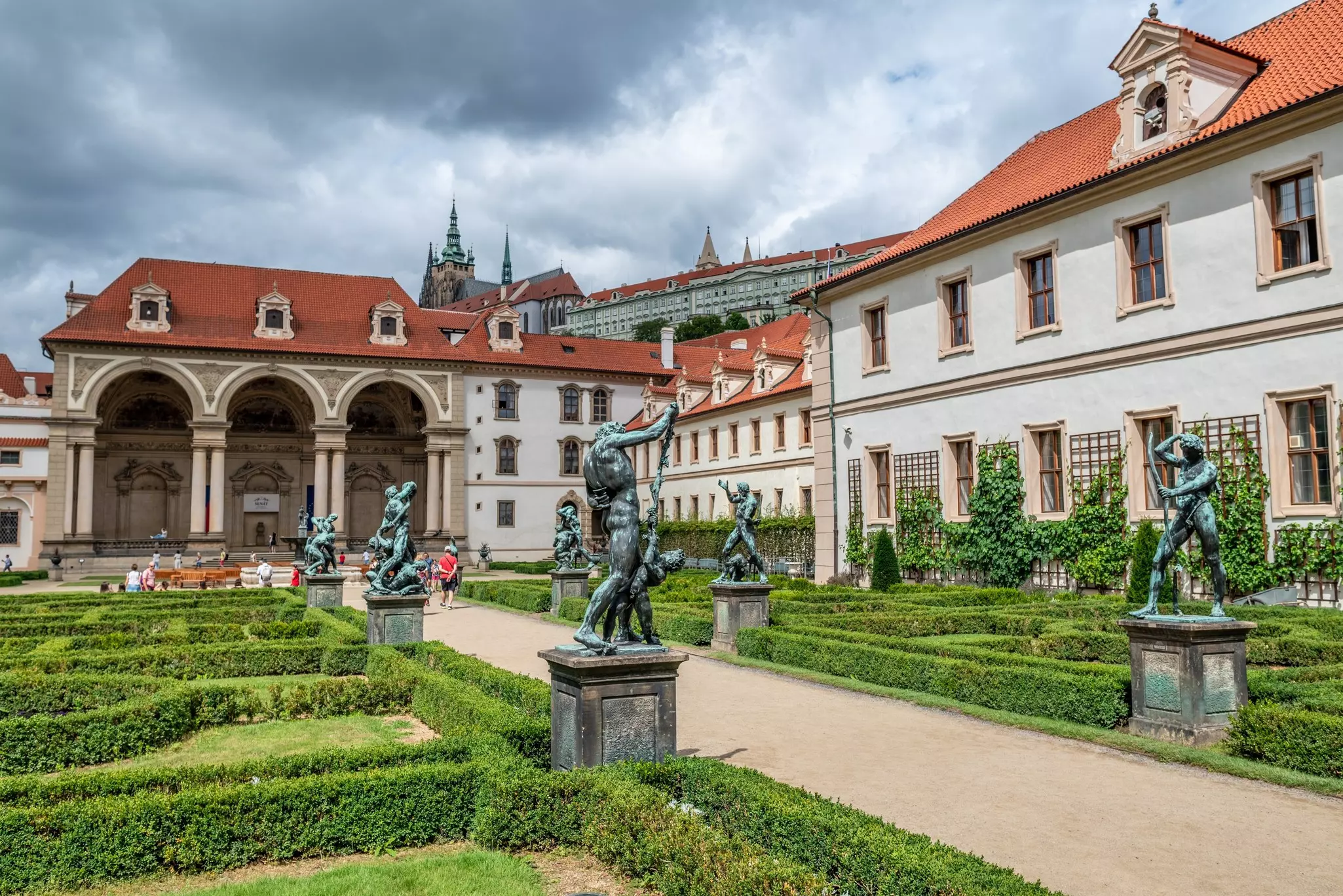
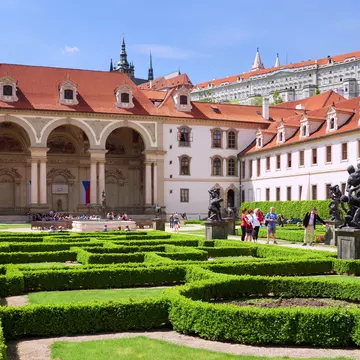
Malá Strana is filled with beautiful Renaissance and baroque gardens that once belonged to the noble families who lived here. Nearly all are private or charge admission. Wallenstein Garden, arguably the finest, is free.
Created in the 17th century for the powerful military commander Albrecht von Wallenstein, the formal garden is a harmonious combination of geometric lawns, clipped hedges, fountains, statues and an ornamental pond. Its strangest feature is an enormous artificial grotto wall: designed to resemble dripping stalactites, the dark, contorted surface conceals grotesque faces, snakes, frogs and other creatures. In summer, the monumental sala terrena hosts concerts and theatrical performances, making an already memorable setting even more atmospheric.
When to go: The gardens are open April through October. Prague’s official tourism website maintains the summer concert schedule.
How to get there: A 2-minute walk from Malostranská metro station (Line A).
Pair with: A delicious Czech lunch or dinner at nearby Lokál U Bílé kuželky.
The surprise
Prague’s historic center is surrounded by handsome residential neighborhoods where everyday life unfolds not all that far from the tourist crowds. Jiřího z Poděbrad Square, in leafy Vinohrady, is one of the best places to experience this side of Prague. Pause first to admire the extraordinary Church of the Most Sacred Heart of Our Lord, Jože Plečnik’s remarkable 20th-century architectural masterpiece, whose patterned stonework and 8m-wide glass-fronted clock make it truly unlike anything else in the city. Then, explore the elegant square, which is fresh from a 2-year renovation that added broad pedestrian spaces, new trees and a scattering of bright red benches (which locals seem to love and hate in equal measure). Finish with a coffee, meal or glass of wine at one of the nearby cafes.
When to go: Wednesday, Friday or Saturday morning for the square’s farmers’ market; any evening for the cafe and restaurant scene.
How to get there: Take metro Line A to Jiřího z Poděbrad.
Pair with: Coffee, wine or a light meal at Le Caveau, a combined bakery/cafe.
The unexpected historic monument
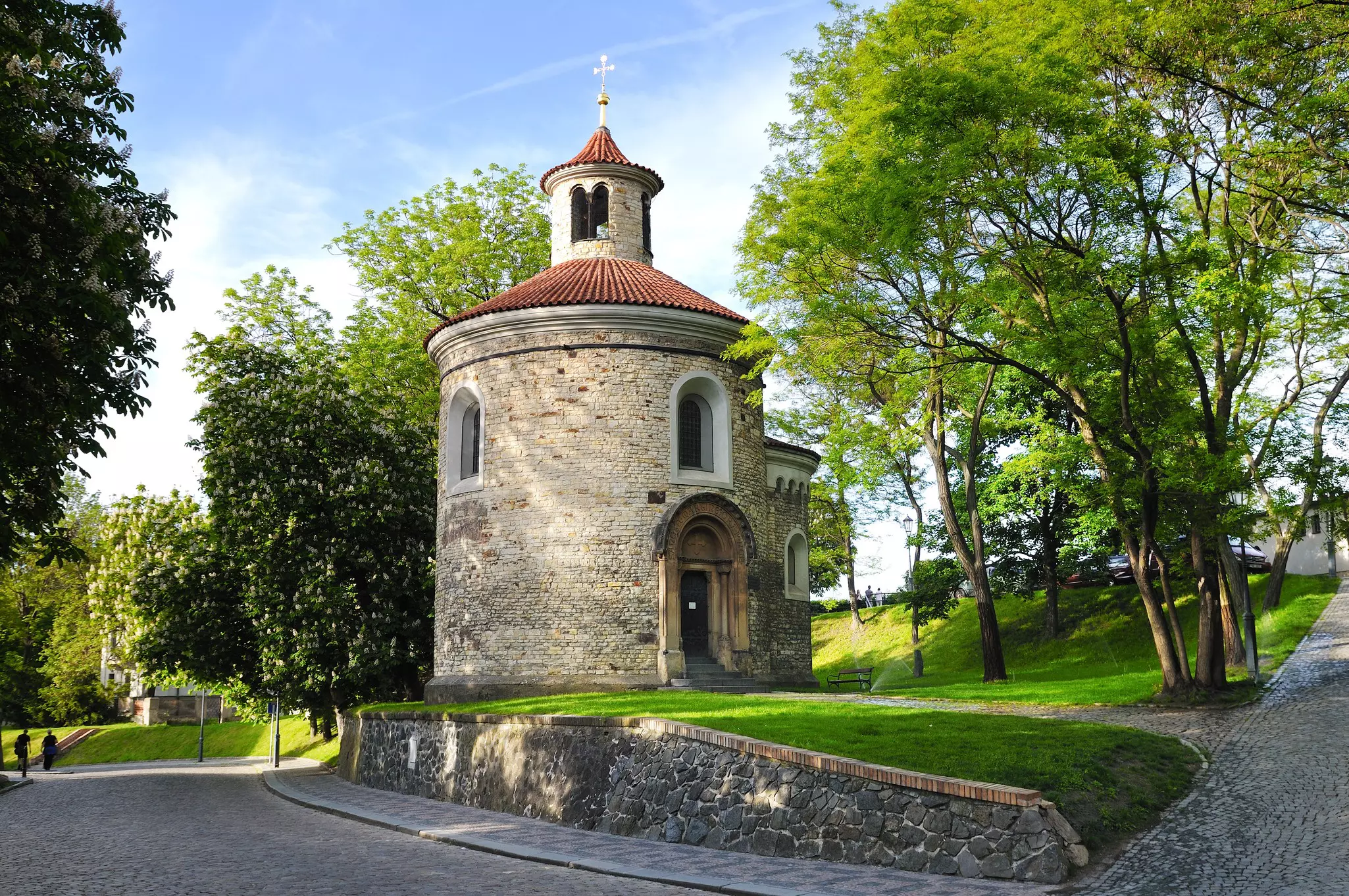
Many visitors assume Prague’s history begins and ends around Prague Castle and the Old Town. A short metro ride south of the center, Vyšehrad Fortress tells a different story. Set high above the Vltava, this former royal citadel preserves another side of the city’s past. Here, what remains predates Prague Castle – including the city’s oldest surviving building, the 11th-century Romanesque Rotunda of St Martin. Wander the park-like grounds, then linger in magnificent Vyšehrad Cemetery, the final resting place of many of Czechia’s greatest artists, writers and composers and an open-air art nouveau museum in its own right. Be sure to check the Vyšehrad website for themed guided walks, including evening tours exploring the fortress’s underground passages, legends and ghosts.
When to go: Late afternoon into sunset, when shadows fall over the city below.
How to get there: Take metro Line C to Vyšehrad station, then walk about 200m.
Pair with: A scenic walk back to the center along the Vltava.
The reason for coming
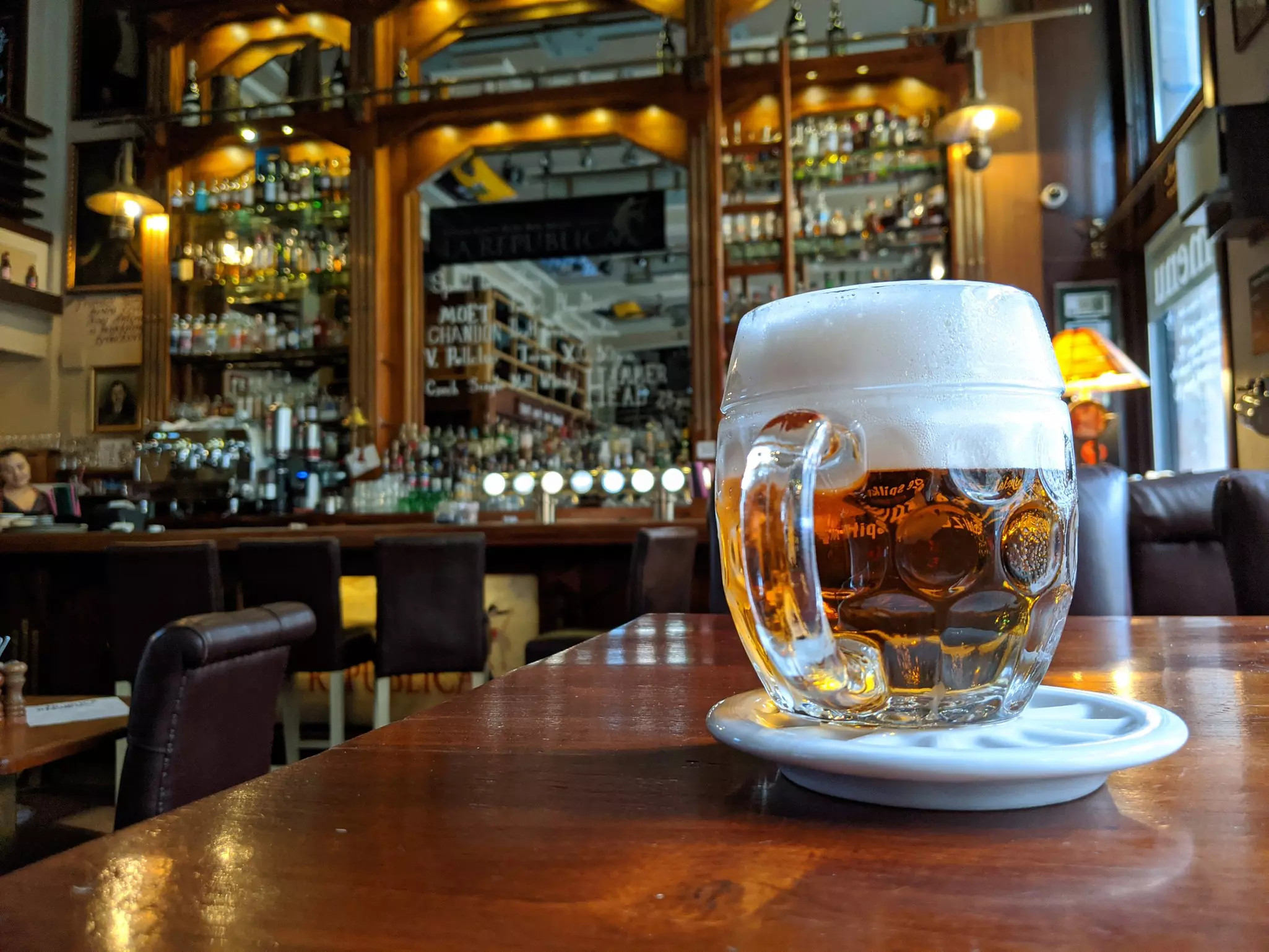
Let’s face it: many people come to Prague for the beer – which is not all that outrageous when you think about it. Czechs drink more beer (pivo) per capita than anyone else on earth, and after your first pint you’ll understand why. For it’s that good. The world’s first pale lager was developed in the Czech city of Plzeň in 1842, and beer has woven itself deeply into local lore. If you’ve ever wanted to literally imbibe the local culture, this is about as close as it gets.
A standard Czech pour is a pale golden lager – though darker beers remain popular, and the craft beer wave has ushered a new generation of IPAs, sours and pale ales. Best of all, you don’t need to seek out a famous pub or beer hall. You’ll find excellent pours everywhere, from ordinary restaurants and neighborhood cafes to street stands across the city.
When to go: Hit the pub in the late afternoon or early evening, before the after-work crowd arrives.
Pair with: Almost anything. Czech beer is as delicious with a hearty meal as it is on its own.
Must-do with kids
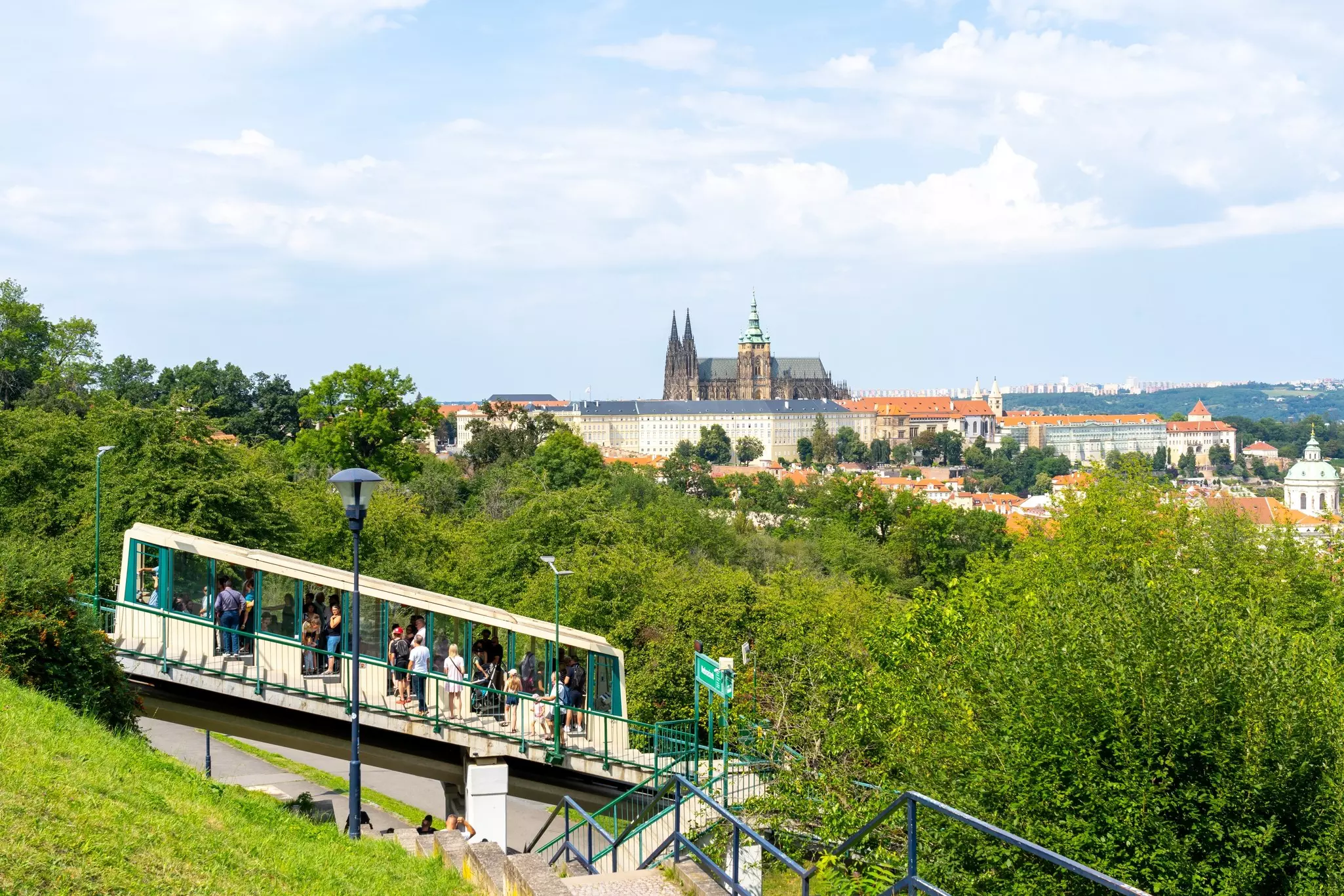
For more than a century, Praguers have escaped to leafy Petřín Hill for fresh air, panoramic views and one of the city’s loveliest parks. At the summit you’ll find family favorites including the 1891 Petřín Lookout Tower, inspired by the Eiffel Tower, and the delightfully disorienting Mirror Maze. Rebuilt in 2026 with new cars and track, the funicular is the easiest way to the top – but it’s also Prague’s most popular tourist attraction, and ticket lines can get long. If you’re reasonably fit, walk up through the gardens and save the funicular for the ride down.
When to go: Before 10am or after 4pm to avoid the longest queues.
Pair with: Walk across the hill to the Strahov Monastery Library: the views are phenomenal from here.
The secret
Few visitors venture out to Vinohrady’s Havlíček Gardens (Havlíčkovy Sady), one of my favorite Prague parks. Laid out in the late 19th century in neo-Renaissance style, the green space’s fountains and grottoes look like those of a Roman villa. As you wander the hillside paths, you’ll stumble upon another surprise: Grébovka, a small working vineyard preserving the winemaking tradition that gave Vinohrady (“vineyards” in Czech) its name. In warmer months, grab a table at the Altán Grébovka pavilion for a glass of the estate’s own wine overlooking the vines.
When to go: Late spring through early autumn, when the vineyard is green and the Altán pavilion is open.
How to get there: Take metro Line A to Náměstí Míru and walk 15 minutes south along Americká St.
Pair with: A stroll around nearby Jiřího z Poděbrad Square, another favorite local gathering spot.
Best on a rainy day
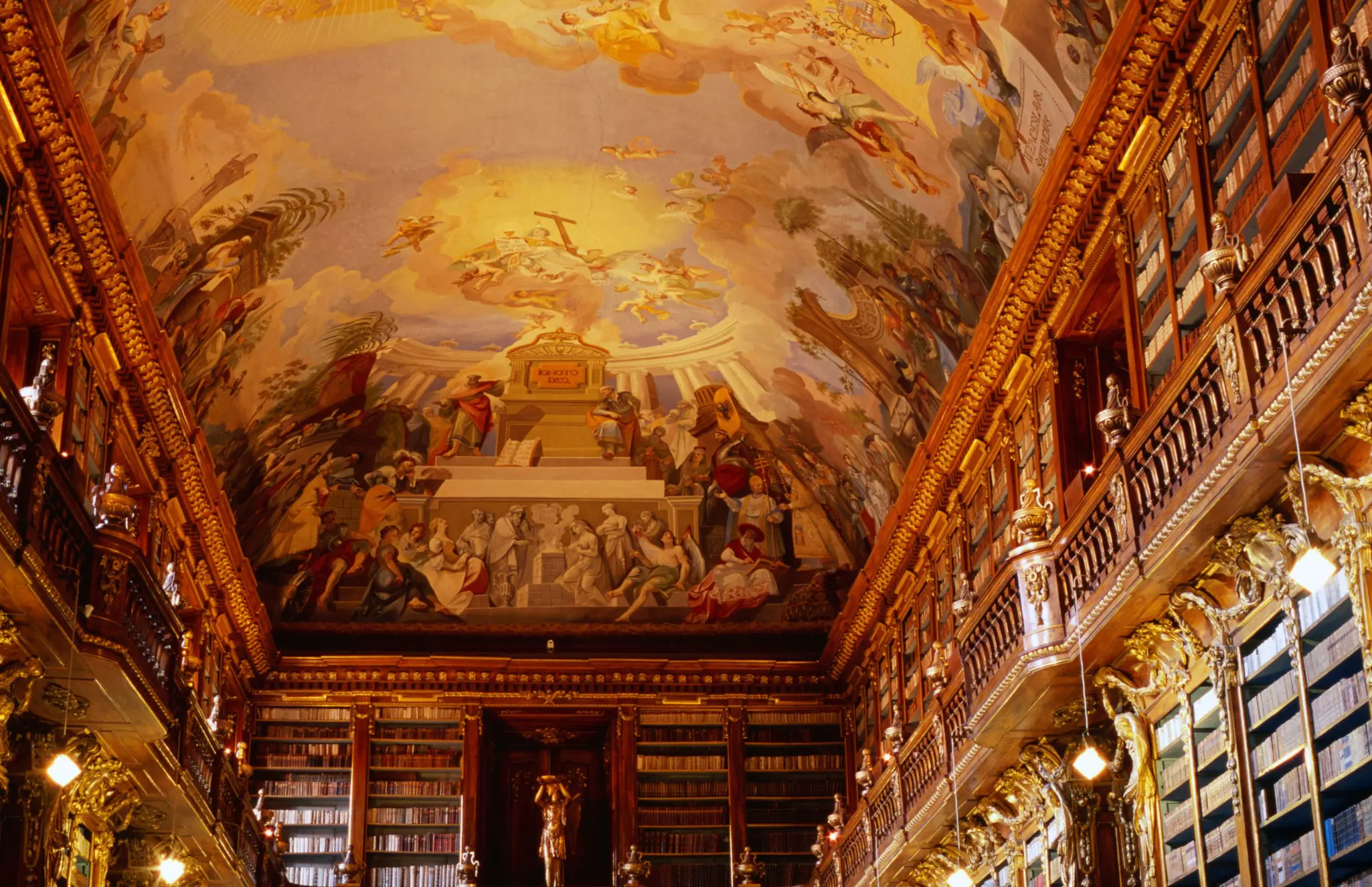
Not many places in Prague inspire quite the same sense of wonder as the Strahov Monastery Library. Built in the 17th and 18th centuries, its two magnificent reading rooms – the Theological and Philosophical Halls – rank among Europe’s finest baroque interiors, with their frescoed ceilings, carved walnut bookcases and shelves of centuries-old volumes. Most visitors only glimpse the halls through a doorway, but with a little planning you can book a special guided tour that allows entry into the halls themselves. Reserve this through the monastery website several weeks ahead.
When to go: Arrive before the 9am opening, ahead of the tour groups.
How to get there: An easy 10-minute walk from Prague Castle.
Pair with: A traditional Czech lunch and home-brewed St Norbert beer at the nearby Strahov Monastery Brewery.
The most moving
For nearly a millennium, Prague was home to one of Europe’s most important Jewish communities. Today, that remarkable legacy survives in Josefov, where the city’s principal synagogues and historic sites are grouped together as the Prague Jewish Museum. One combined ticket will get you into the major synagogues, the Ceremonial Hall and the haunting Old Jewish Cemetery. If you’re short on time, focus on the cemetery and the extraordinary Old-New Synagogue. Built around 1270, it’s Europe’s oldest active synagogue and remains a place of worship today. The museum complex can feel overwhelming. Book a guided tour to help sort out the fascinating history.
When to go: Arrive before 9am to beat the crowds. Jewish Museum sites are closed Saturday.
How to get there: Take metro Line A to Staroměstská and walk 5 minutes.
Pair with: Josefov adjoins the Old Town, making it an easy walk to Old Town Square.
Need help planning your next trip? Check out Lonely Planet Journeys to get connected to a local expert who can craft a custom itinerary for you.
Explore related stories