Costa Rica Tips & articles

10 things to know before you volunteer overseas

Note: Javascript is disabled in your browser.
To see the gallery in all its glory, you'll need to enable Javascript.

Image_22834-52

Volunteering in another country is a great way to get to know a place while giving back at the same time. But before you go, here are 10 things you should cross off your list. And look after your feet!

1. Read the online briefing several times

This way you can make sure that the project is right for you. For example, if you don’t like the heat, don’t join a project in the desert and if you like home comforts, don’t join a project where the accommodation is described as ‘rustic’. If you’re unhappy about the prospect of sharing a dormitory with members of the opposite sex, make sure you know what the sleeping arrangements are. If the project isn’t right for you, not only will you have a miserable time, but those around you will too.
2. The weather

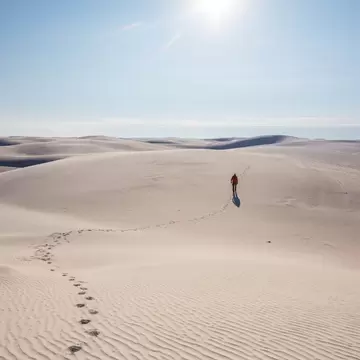
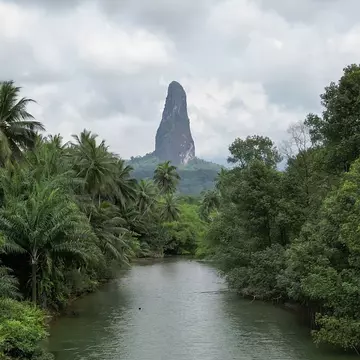
Make sure you know what types of weather you may experience and take appropriate clothing. For instance, if the project is in a hot area, shorts may come in handy. And, don’t assume that suntan oil will be any good in a desert (believe it or not, we’ve seen it happen!). Don’t forget sunglasses and a good hat.

3. Travel arrangements

If the journey to your destination includes a long flight, try to allow some recovery time before the project starts – jet lag can seriously impair your enjoyment of the first couple of days! If you’re travelling alone, why not try contacting some of the other people on the team list? You may be able to share accommodation before or after the project.
4. Clothing

Take clothing that you don’t mind getting ruined – not your Sunday best! Most research will involve getting dirty or wet, and you won’t enjoy it as much if you’re worried about spoiling your clothes.

5. Camera

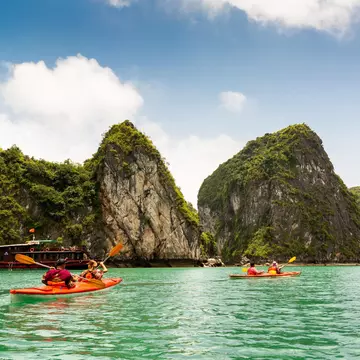
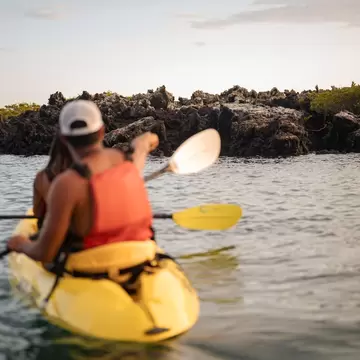
Don’t forget your camera. Also, if you’re doing a water-based project, consider getting a polarising filter to reduce glare.

6. Currency

In remote villages, the shops are unlikely to be able to change US$100 notes, so try to take a supply of small denomination notes. Don’t assume that travellers cheques and credit cards will be accepted!

7. Your feet (part one)

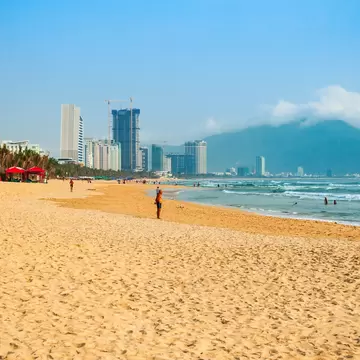
If the project is sea based, there’s a good chance that your feet will get wet and sandy. This can leave you with open cuts where your sandal straps rub your feet. Try to take a couple of different styles of sandals, so they don’t all rub in the same place!

8. Your feet (part two)

If the project involves lots of walking, make sure your boots are properly worn in and that you have plenty of plasters! Also, get a supply of good socks. We recommend Thousand Mile socks, which have double layers – the outer layer moves with the shoe, and the inner layer with the foot, so the friction is between the two layers. They guarantee no blisters!

9. Reading list

If the project briefing includes a reading list, try to get hold of some of the books. A little background knowledge will enrich your enjoyment of the project.

10. Packing

Try to pack light – there may not be much room to store or transport your belongings. (But make sure you’ve read the ‘what to take’ section of the briefing!) You may have to live out of your bag, so taking a small bag for dirty washing isn’t a bad idea.

Tips by Elaine Massey and Richard Lawson, taken from Lonely Planet’s Volunteer: a traveller’s guide to making a difference around the world.

Elaine and Richard have volunteered on many projects with Earthwatch, including many times on Sea Turtles of Baja, Costa Rican Sea Turtles and Behind the Scenes of the Grey Whale Migrations in Bath.

Comments

  1. 24 August 2010 12:49PM razzle321 Report this comment

    Fill your luggage with only clothes going in. At the end of the trip give all your clothes away. Use your luggage to bring back souvenirs. Help the local artists too. But, don't give an extra bag fee to the airline!

Add a comment

Sign in or register to add your comment.

Things to do