
Aug 13, 202617 min read
In Search of Belonging: Exploring My Identity in KoreaLonely Planet may earn a commission from affiliate links on our site. All recommendations and reviews reflect our own independent opinions.
South Korea's incredible range of experiences feels like a constantly refilling bowl, yet the petite peninsula continually surprises with how much more it has to give.
The fluffy pink blooms of cherry trees in the urban centers in springtime could capture anyone's heart, but the countryside challenges with its cooling forests of cedar, juniper and bamboo. Although competition may get heated on baseball diamonds, the country's jjimjilbang (sauna) culture and the fiery dishes in its eclectic regional cuisine can counter with their own degree of intensity. Drink it all in – be it coffee at a relaxed cafe, soju (local vodka) on a late-night escapade or tea right at the source – because South Korea can serve whatever dream destination you are ordering.
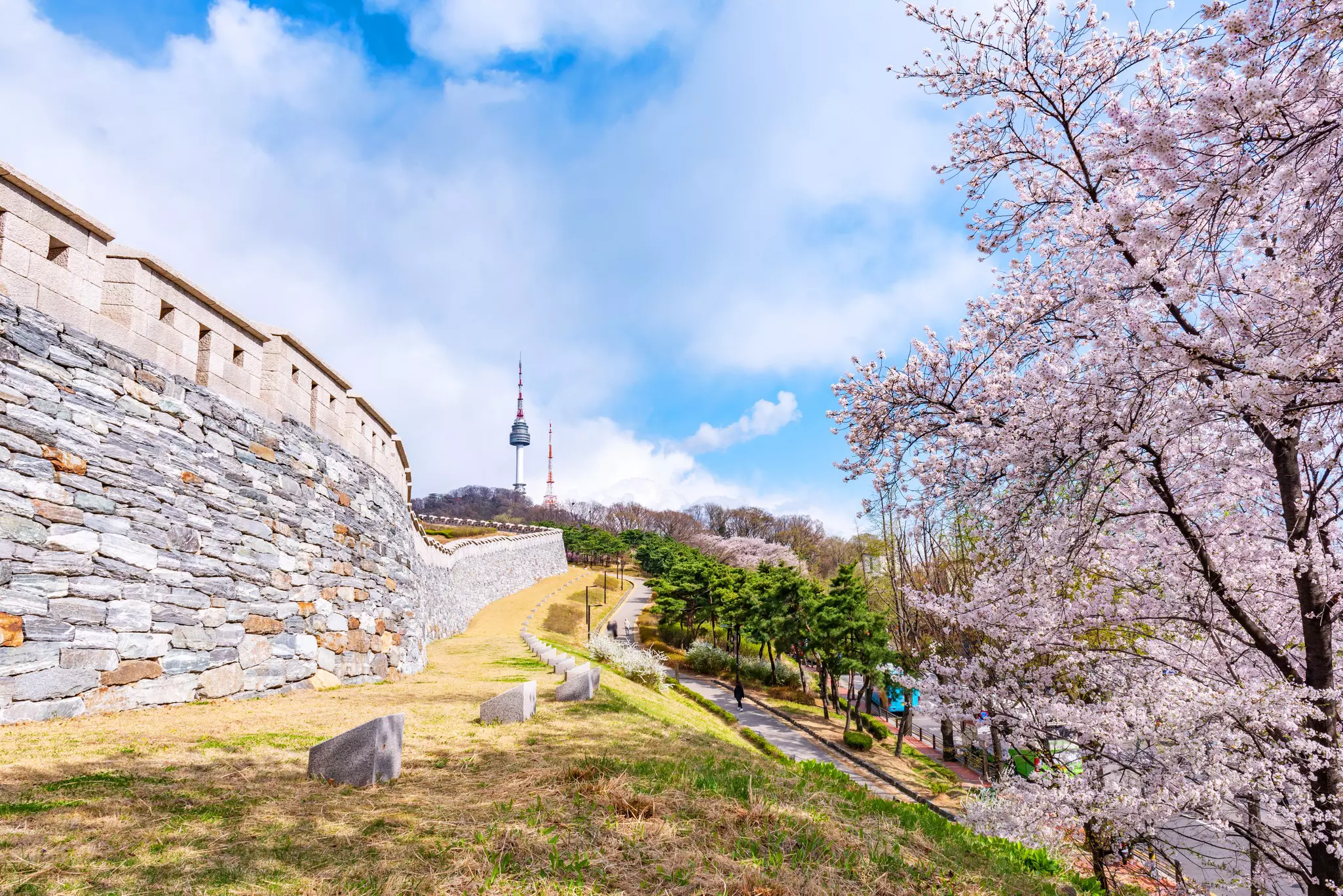
In late March and early April, South Korea turns pink and white as millions of cherry trees billow with delicate blooms. While the blossoms can be seen all across the country, the most famous viewing spot is the small southern coastal district of Jinhae. With as many as 360,000 trees to celebrate – some more than 100 years old – Jinhae's cherry blossom festival is the country's most extensive.
Throughout the nine-day festival, visitors can admire the flowers at the Gyeonghwa train station, marvel at them lit up at night where the Romance Bridge crosses Yeojwacheon, enjoy the opening ceremony and other performances, and then shop the street vendors at Jungwon Rotary. It's pure magic.
Planning tip: The festival is very popular, and admirers flock from around the world to view the cherry blossoms. Be prepared for large crowds, but don't worry – people are generally very courteous, and you'll get your turn to take some incredible pictures at key sights.
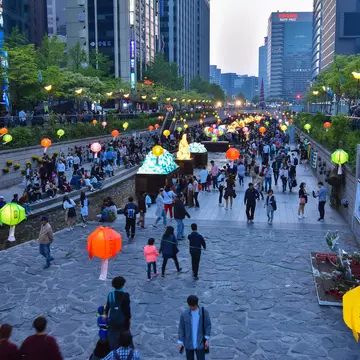
On a warm, bright day in Seoul, slow down and savor each step along the Cheong-gye-cheon, the almost 11km (6.8-mile) stream that flows east to west through the city's downtown. This Joseon-era waterway, once covered with a highway, was restored as part of an urban renewal project. Walkers can stop at the stream's museum, see art installations, watch a street performance or simply sit on the steps with a snack. The Cheong-gye-cheon meanders under 22 bridges before connecting with the Jungnangcheon tributary and eventually the Han River.
No, not dancing: drinking. In South Korea, cha refers to each successive round of revelry in a single night, and is essential when exploring Korean nightlife. Il cha, round one, is typically barbecue, when diners enjoy somaek – soju plus maekju (beer) – with samgyeopsal (pork belly) and other grilled meats. From there, you might head to a pub for round two, another bar for round three, then a club for round four.
For those who manage to make it through all of that, the last round of the night is usually noraebang (karaoke room), where you can order more drinks and snacks while selecting your favorite tunes to sing. Put your Korean skills to the test with a K-Pop hit or two. If you can still follow the words, that is.
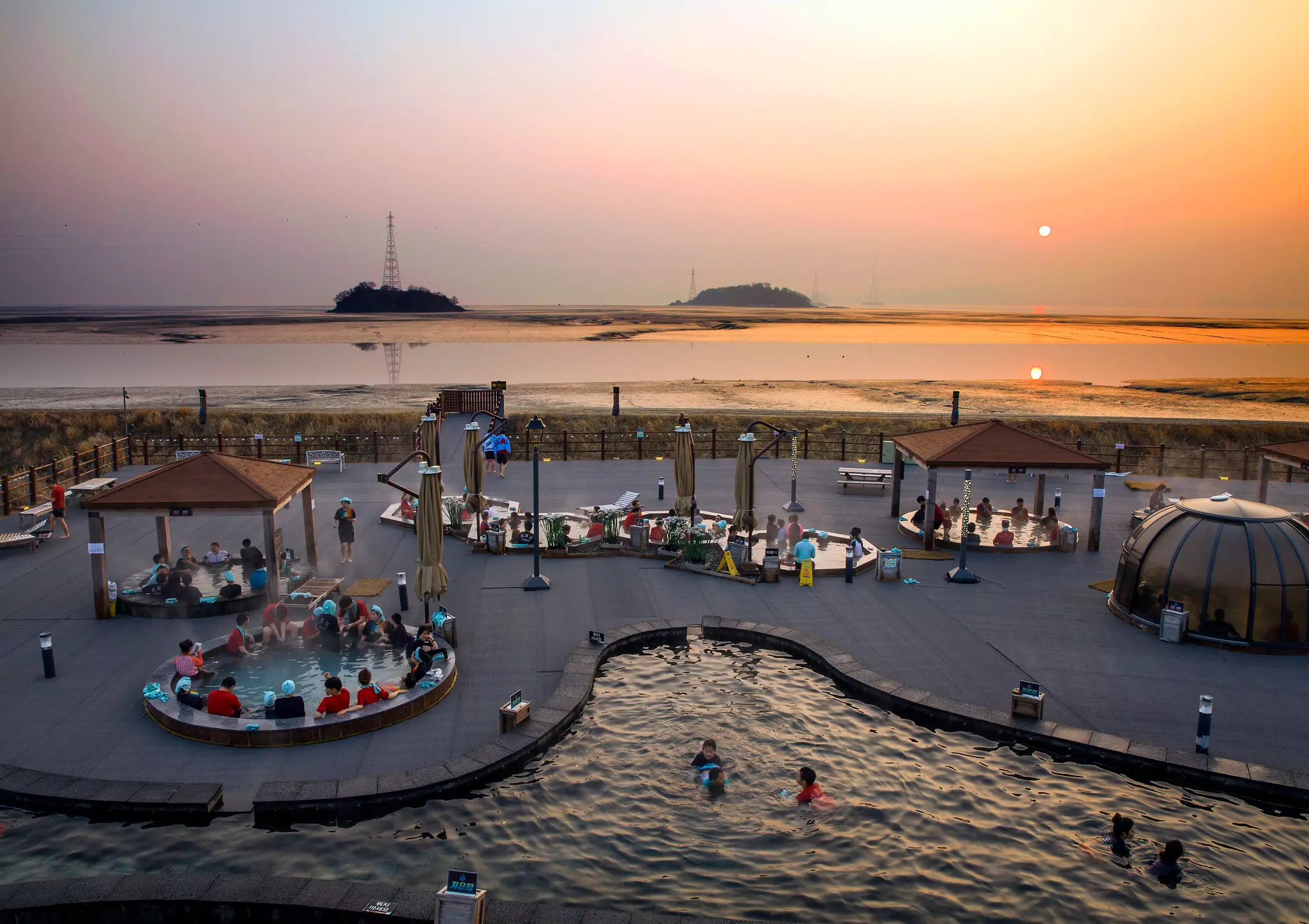
A central aspect of Korean culture is visiting the local jjimjilbang. Meaning "heated rooms," these traditional saunas are where Koreans unwind and engage in a host of health and beauty rituals. In some cases, they are combined with hot springs, where you can relax in thermally-heated, mineral-rich waters.
Saunas are typically heated to between 50°C (122°F) and 90°C (194°F) and are quite pleasant. As you lie on hemp mats (or sometimes salt or jade crystals), the heated stone gently warms your body. After about 15 to 20 minutes, you'll start to sweat. It's easy to fall asleep, but don't – you'll risk dehydration. Similar to other spa cultures around the world, jjimjilbang adhere to specific etiquette, including the essential practice of thoroughly washing before entering the baths.
Relax after your sauna in the common areas, where you can play computer games, watch TV or simply snooze (in fact, at many jjimjilbang its possible to stay overnight). Cap off a good steam by drinking sikhye (a sweet fermented rice drink usually sold at jjimjilbang) and eating hard-boiled eggs that have been steamed in the saunas.
South Korea's most popular professional sport is baseball, and whether you're a fan or not, you're in for a good time at a Korean Baseball Organization (KBO) game. Owned by some of the country's biggest conglomerates, the KBO's 10 teams include many brand names you might recognize, like Daegu's Samsung Lions, Seoul's LG Twins and Gwangju's 2024 league-winning Kia Tigers.
Before cheering on your favorite city or company, learn the fight songs and chants for each team, as well as the roster of well-known players. But the best part of KBO games might be the concession-stand setups: fried chicken, pizza and other snacks are actually affordable, convenience stores like 7-Eleven are on-site and sell beer at the standard price, and you're even allowed to bring in your own food and alcohol. Another reason to take yourself out to a ball game.
Planning tip: The baseball season runs between April and October, and tickets for big games go fast. To increase your changes at snagging a ticket, head to the box office early. Weekday games are less likely to sell out.
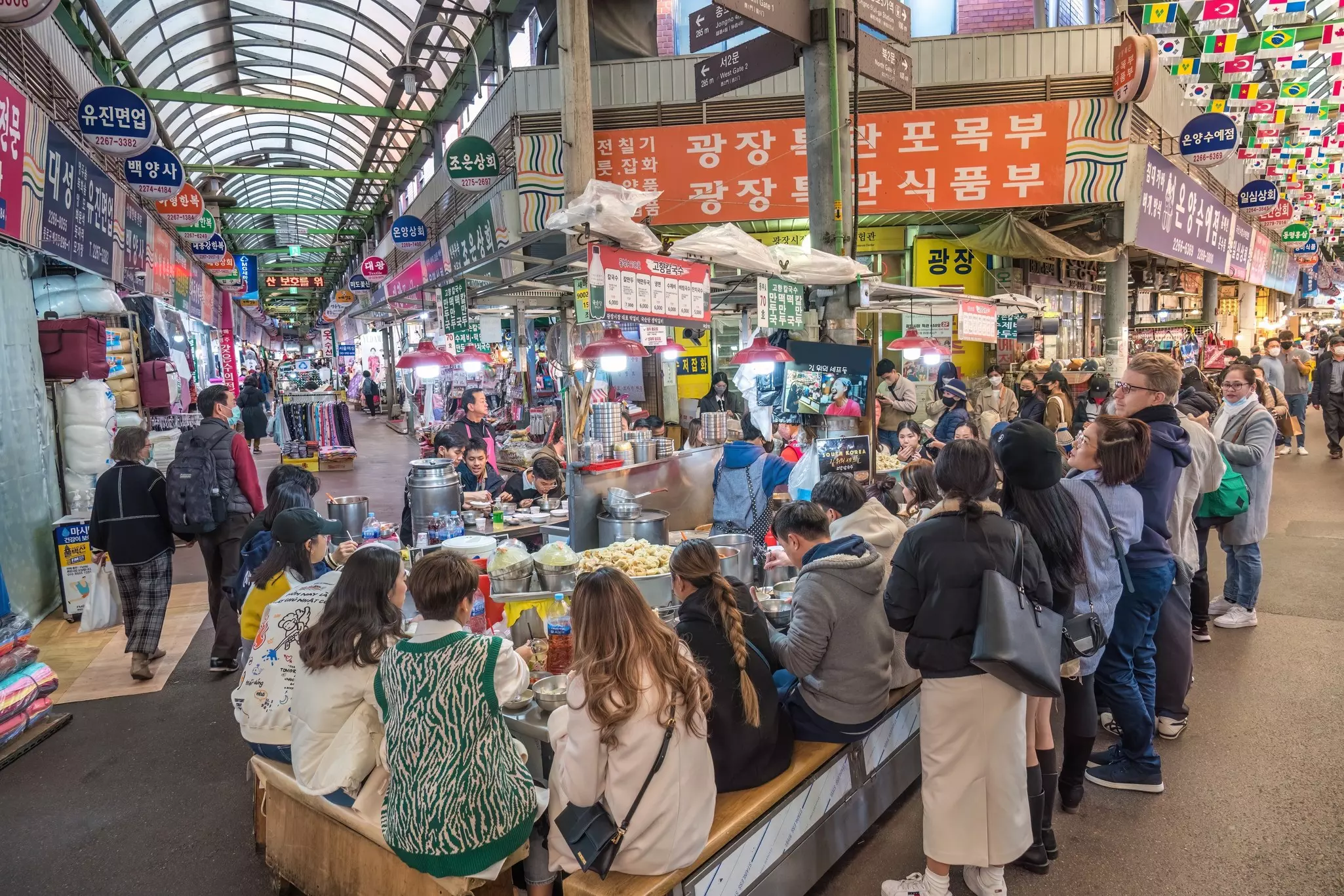
South Korea's sijang (markets) are a cacophony of vendors hawking their wares, shoppers shouting their orders, fish splashing around water-filled basins and kitchenware clanging. Just when you think you've gotten your bearings, an old man on a bike rings his bell to let you know he needs to get through. By venturing into the country's busiest markets, you'll immerse yourself in the chaos of everyday Korean life as you shop for clothing, accessories, housewares, produce and more.
In Seoul, Namdaemun Market and Gwangjang Market are among the city's oldest and most popular, both perfect for finding something to eat while you shop. In Busan, head to Gukje Market for its hundreds of stalls selling a staggering selection of items, from leather goods to Korean drums. For more traditional markets, try Dongmun Market in Jeju-do and Jungang Market in Daejeon.
South Korea's cafe scene has a theme for every dream. Pet cafés feature live dogs, cats, raccoons, meerkats, kangaroos and any number of other creatures to keep you company while you sip your coffee. Other motifs range from books and movies to flowers, 2D illusions, travel, vinyl and more: you name it, you'll find it here.
Planning tip: Menu prices might make your eyes water: it's not uncommon for a plain Americano to set you back a whopping ₩14,000 (US$10).
With 70% of the country covered in mountainous terrain, hiking is a beloved South Korean pastime and a culture unto itself. While on the trail, you're sure to see trekkers racing up the slopes decked out in the latest and greatest mountaineering gear. At the summit, you'll notice them sharing packed picnics of gimbap (seaweed-wrapped rice rolls) and other snacks.
After a hard day's hike, try this favorite mountain pairing: jeon (savory fried pancakes) and makgeolli (fermented rice wine). Join in the custom at one of South Korea's national parks or, if you're in Jeju-do, along the island-encircling Olle Trail.
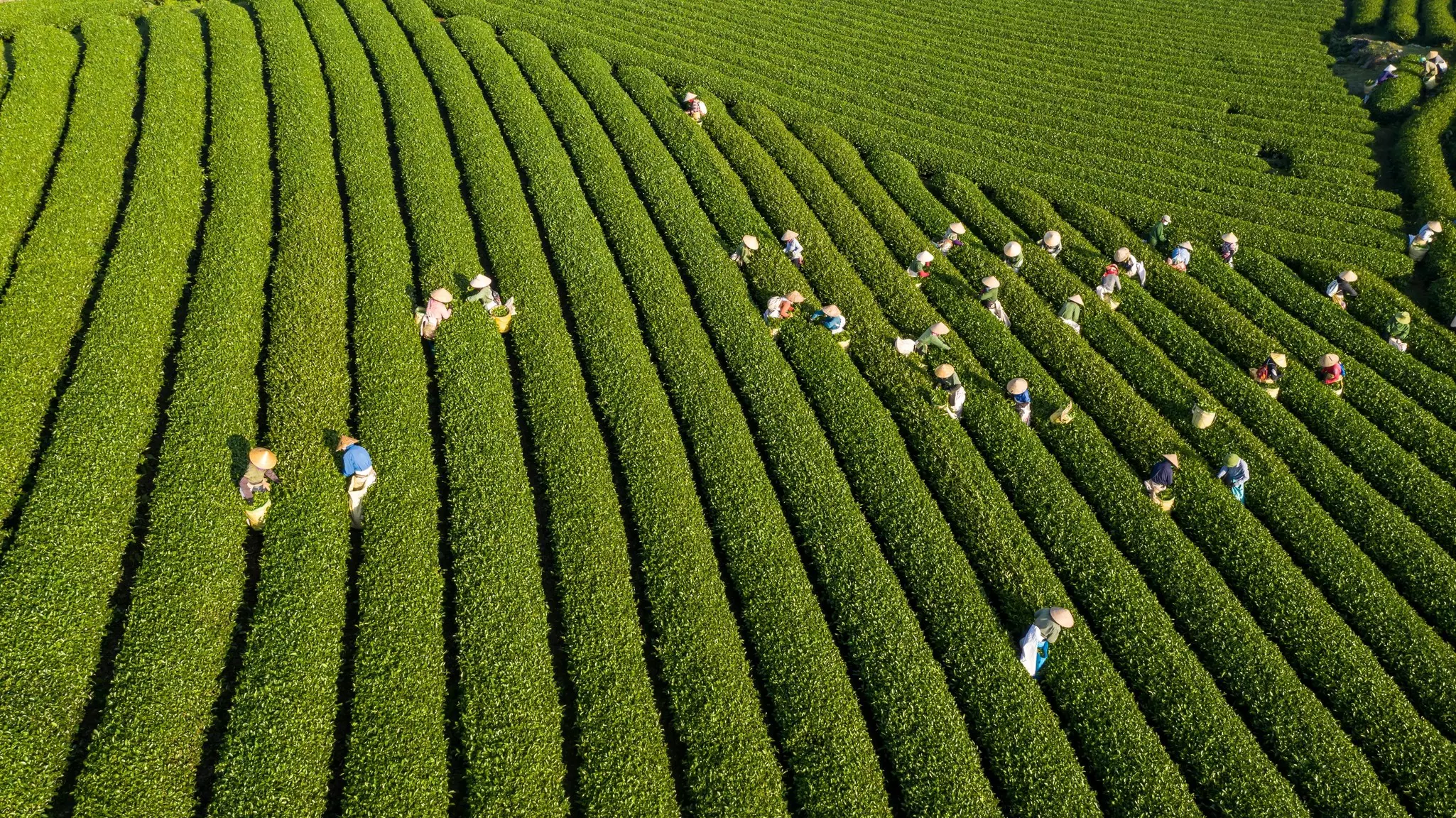
The nokcha(green tea) capital of South Korea, Boseong County in Jeollanam-do is a stunning emerald expanse of terraced fields that produces more than 40% of the country's supply. Visit the 500-hectare (1235-acre) Daehan Dawon, the region's oldest and largest plantation, to meander the tea fields and surrounding cedar and juniper forests. There's also a green tea shop for buying souvenirs plus a green tea restaurant for tasting nokcha-enhanced variations of classic Korean dishes like bibimbap and naengmyeon (cold noodles). Next door is the Tea Museum of Korea, a can't-miss attraction for any tea connoisseur.
Bamboo patches can be found scattered all over the southern part of the country, and the largest such forest is located in Damyang County in Jeollanam-do. A 16-hectare (40-acre) stretch of verdant green, Juknokwon is known for its many scenic trails and also has an art gallery, culture village and nearby bamboo museum. While you're in the area, you can even try a scoop of bamboo ice cream.
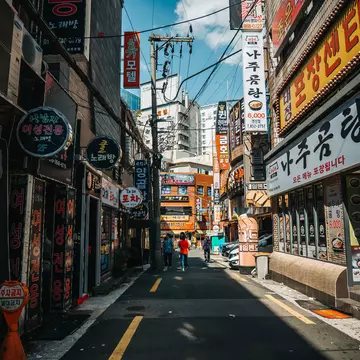
From Andong's jjimdak (soy-braised chicken) to Suwon's galbi (beef short ribs), a signature dish characterizes many South Korean cities, and many of them have a single alley filled with vendors preparing their own variations on the local recipe. In Uijeongbu, go to Budaejjigae Street near Jungang Station to sample a boiling pot of budae jjigae, a blend of Spam, canned beans, kimchi and instant noodles that was invented in the aftermath of the Korean War using leftover rations from American military bases – the name translates as "army base stew."
In Chuncheon, check out Dakgalbi St to try the city's quintessential spicy stir-fried chicken. Carnivores in Jeju-do can't miss its special black pork, said to be more tender than the pink variety. The iconic bibimbap in Jeonju is unique because the rice is cooked in beef broth, then often served tartare-style topped with raw beef and an egg yolk. When you visit South Korea, arrive hungry.
Book your South Korea trip with Lonely Planet Journeys
See South Korea how it's meant to be seen
Planned by local experts and tailored to you, Lonely Planet Journeys handles the logistics so you can just enjoy the trip. Tell us what you want and we'll build your South Korea itinerary from scratch, or browse our bookable trips to get inspired.


Explore related stories