Sep 4, 202510 min read
8 Top Things to Do in AntwerpSep 4, 2025
10 MIN READ

Writer
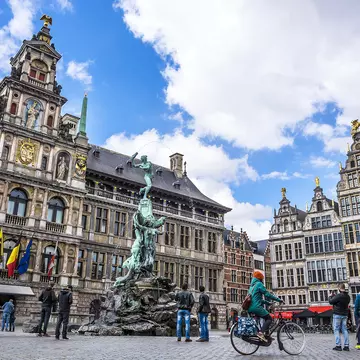
Grote Markt square in Antwerp, Belgium. Marina Datsenko/Shutterstock

Writer
Highlights
Writer Breandán Kearney picks eight top things to do in Antwerp.
Arrive at Antwerpen-Centraal, browse fashion at Het Modepaleis and meet gorillas at Antwerp Zoo.
For art, stroll Rubens' house garden; for history, visit the Red Star Line Museum.
Try Zilte for fine dining, the Bolleke at Café Den Engel or Luddites wine bar.
Lonely Planet may earn a commission from affiliate links on our site. All recommendations and reviews reflect our own independent opinions.
With its international port, established diamond trade, and rich cultural offerings, Antwerp offers much to travelers, particularly those interested in history, art and food. Antwerp is home to a plethora of world-class museums, an internationally renowned fashion and design scene, and culinary options that excite every type of food and drink lover.
Here are our recommendations of the best things for the culturally curious visitor to do while they're in Antwerp.
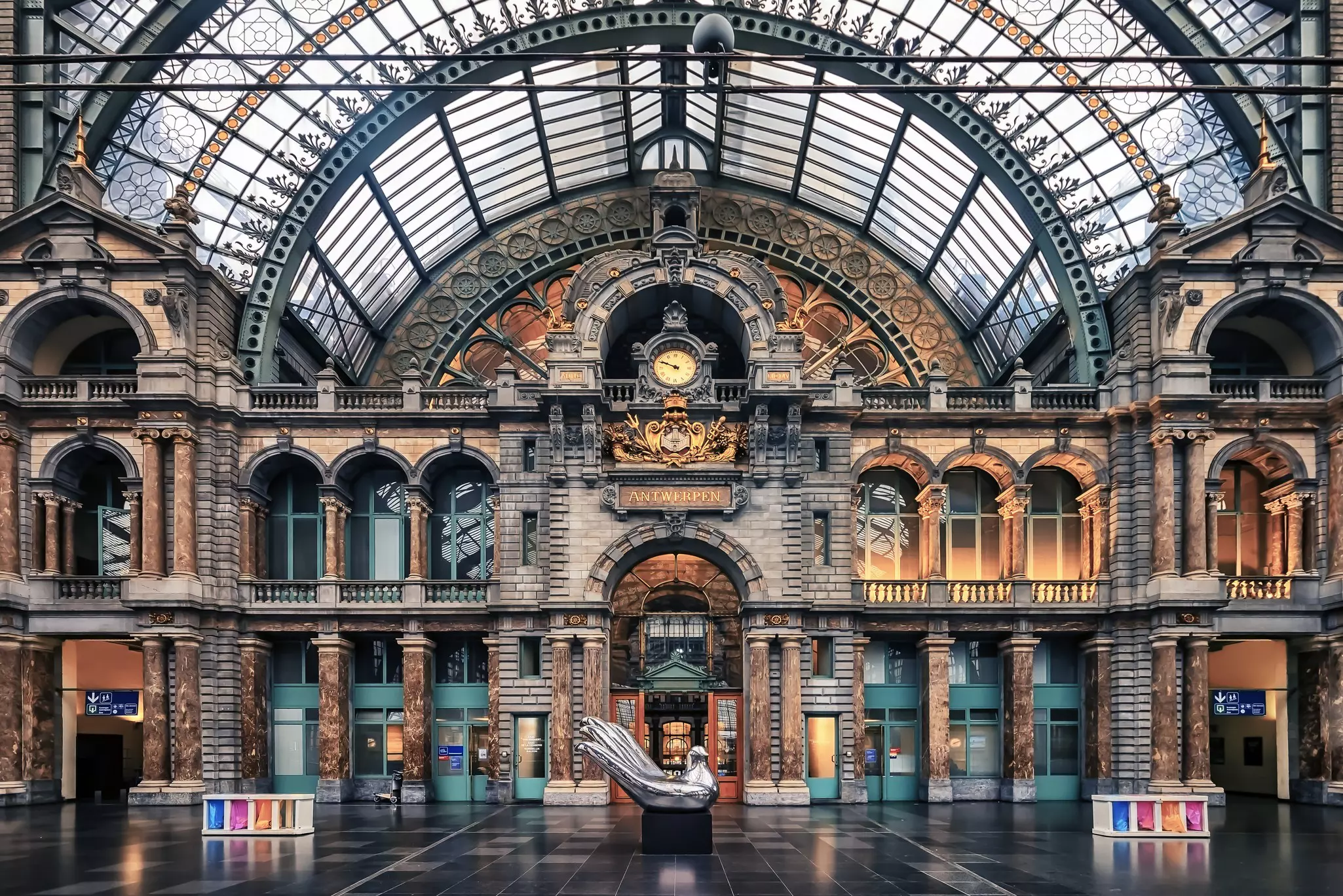
One of the world’s most beautiful train stations, Antwerpen-Centraal is a great place to begin exploring the city. Designed by Louis Delacenserie in a neo-baroque style, it dazzles with marble tiles, stained glass and grand clocks. As one of only four Belgian stations on the high-speed rail network, it’s also among the country’s most important transport hubs.
You can explore its four levels and 14 tracks, starting from the upper level, where a central opening offers striking views of the lower floors. If you’re lucky, you might spot a Belgian celebrity or catch a flash mob event. The station even appeared in a viral video with 200 dancers performing a song from The Sound of Music.
Detour: The streets in front of the station are lined with diamond shops. If you’re shopping for something that sparkles, this is the place to go: 86% of all rough diamonds in the world are traded in Antwerp. Keep an eye out for the “most brilliant” label, a mark of quality awarded to jewelers who meet strict standards set by the City of Antwerp and the Antwerp World Diamond Centre. You can even have diamonds you’ve bought elsewhere checked for quality during a 15-minute evaluation at the Orsini Diamonds shop.
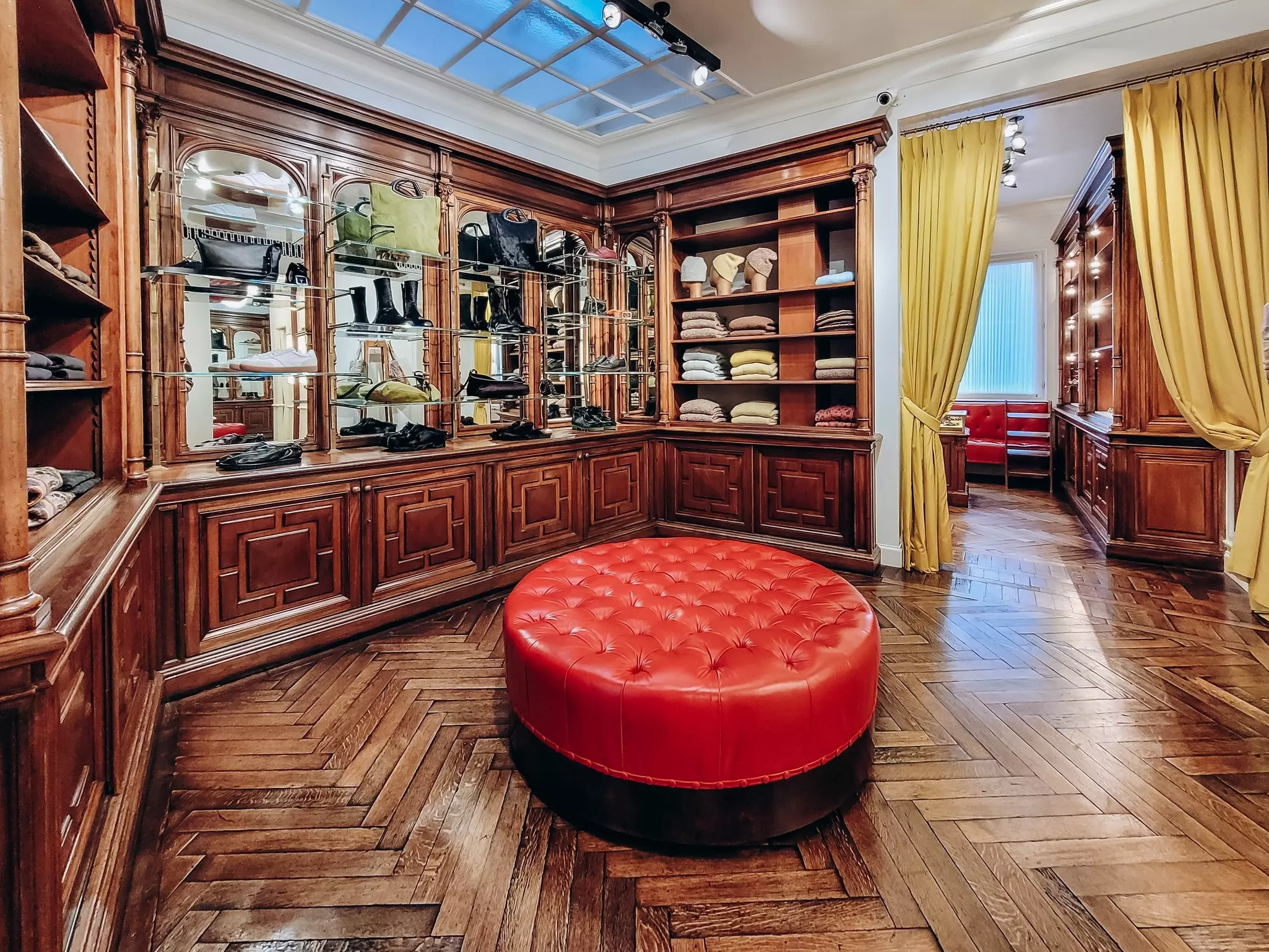
Antwerp is renowned for fashion, particularly for a group of designers – Walter Van Beirendonck, Dirk Bikkembergs, Ann Demeulemeester, Dries Van Noten, Dirk Van Saene and Marina Yee – who studied at Antwerp's Royal Academy of Fine Arts in the early 1980s. This group gained fame after driving a van from Belgium to present at London Fashion Week and unexpectedly making a big splash. The reporters couldn't pronounce their Flemish names, so they collectively referred to them as the “Antwerp Six.”
During your visit, pop into Het Modepaleis on Nationalestraat, a store owned by Van Noten. It’s housed in a historic building from 1881, featuring wooden counters, tiled floors and curved windows.
Great fashion stores await you throughout the city’s Fashion District, where major fashion brands mingle with independent designers. Visit Demeulemeester’s shop to immerse yourself in her dark, romantic style, featuring elegant silhouettes and edgy details. Or stop by Christian Wijnants’ store to experience his bold prints, handcrafted knitting techniques and vibrant color palette. Jan Jan Van Essche’s sober, integrative designs and timeless antique collection can be found at Atelier Solarshop on Dambruggestraat.
Detour: Walk 2 minutes south on the same street as Het Modepaleis to Antwerp’s internationally renowned fashion museum, MoMu. Founded in 2022, the museum houses the world's largest collection of contemporary Belgian fashion. Take in one of its immersive fashion exhibitions and digest it all afterward with a drink in the museum’s MoMu Café.
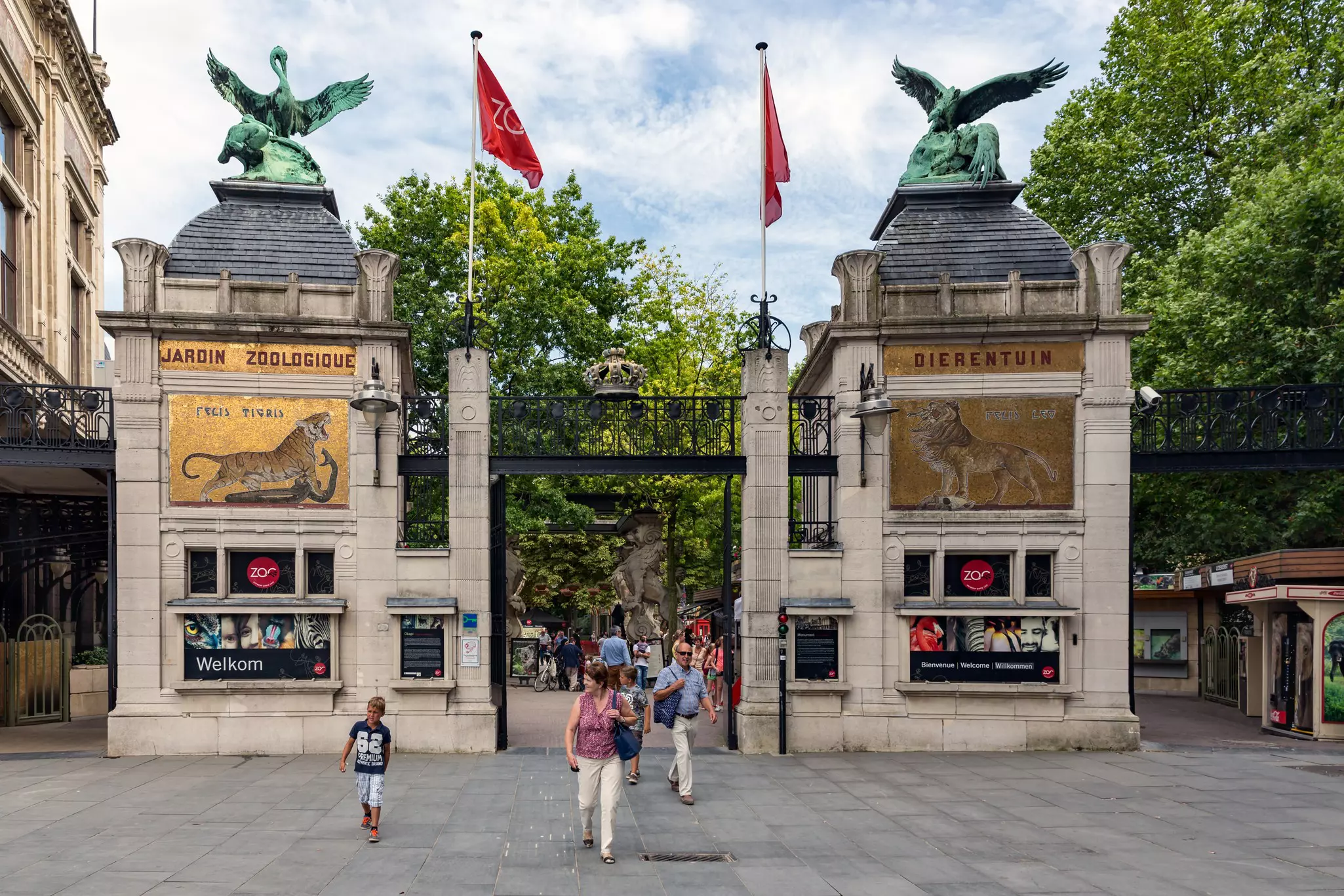
Antwerp Zoo was founded in 1843, making it one of the oldest zoos in the world. It attracts over a million visitors annually and is home to 5000 animals representing 950 species. The zoo's concert hall, known as A Room with a ZOO, hosts the Antwerp Symphony Orchestra. It is also an important scientific institution, housing the Centre for Research and Conservation.
A major highlight for visitors is the Valley of the Great Apes, the adventure playground of gorillas, chimpanzees and owl-headed monkeys. The great apes walk from their indoor enclosures through an underground passage to their spacious outdoor habitat. Sheltered niches between the different terraces offer protection from the elements to visitors and reduce reflection on the windows. This makes viewing and photographing easier as the animals move along their climbing equipment and natural rocks.
The zoo runs a project in Cameroon to combat poaching of the western lowland gorilla species at the zoo. This project combines research with raising awareness among locals and helps provide sustainable income sources that lower the need for poaching.
Planning tip: The zoo is open every day of the year from 10am to 6pm. Check out the constantly changing schedule of talks and tours when you visit to see if you can catch one of the research deep-dives or animal updates.
Many consider Antwerp as Belgium's culinary capital, with restaurants of all styles serving pockets of all sizes. It’s particularly exciting when it comes to fine dining, perhaps because it has historically brought global cuisines through its international port. Its reputation as a key regional trade hub has also attracted innovative and talented chefs and hospitality entrepreneurs from across the Benelux region.
One of your many options is Zilte, a three-Michelin-star restaurant by chef Viki Geunes, known for its meticulously crafted dishes served on the rooftop of the MAS museum. Another option is Michelin-starred DIM Dining, where you can seat yourself at the counter to watch chef Simon van Dun prepare his Asian-inspired dishes with local ingredients and listen to sommelier Jonas Kellens offer sake recommendations.
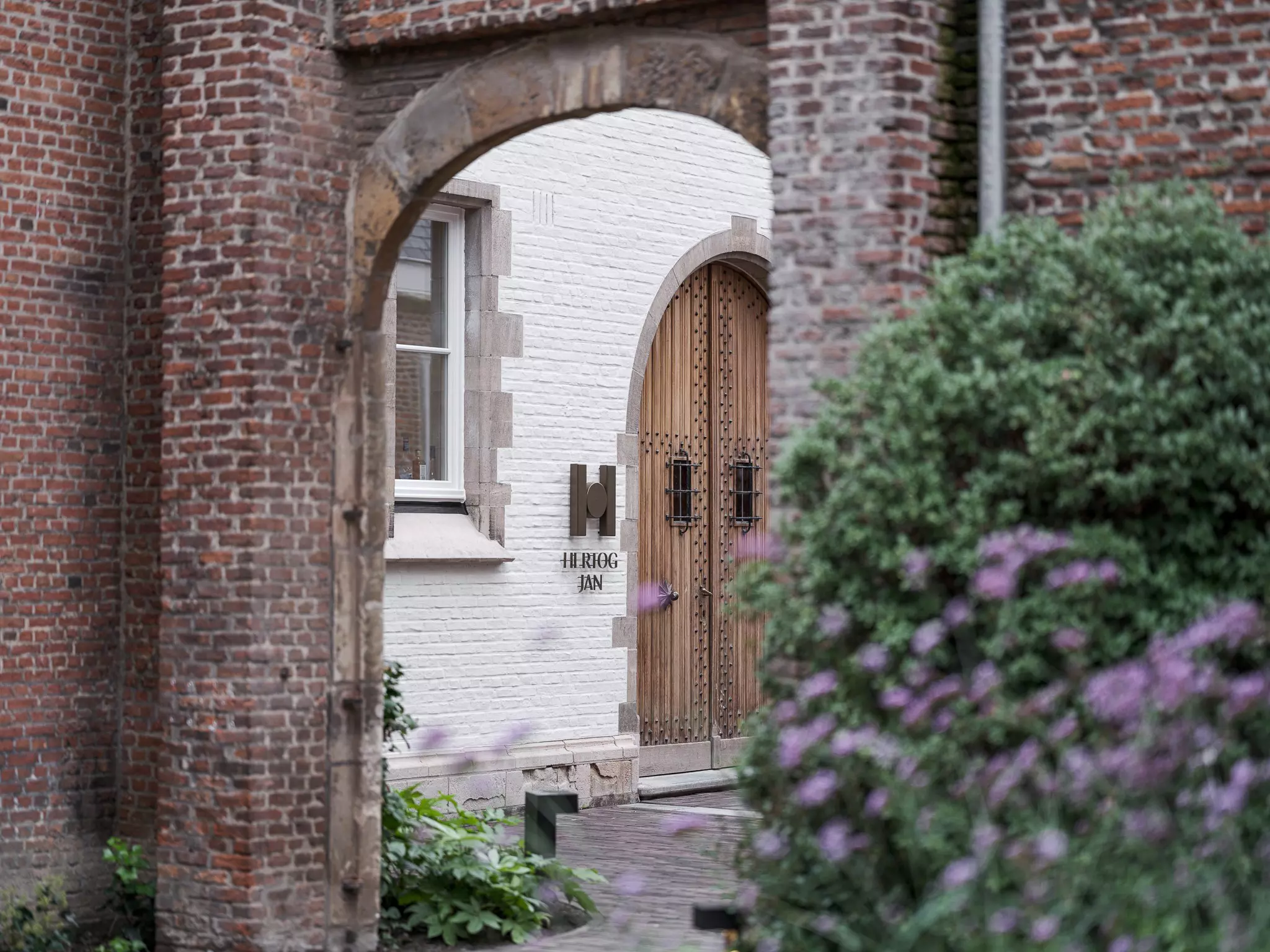
Another exciting fine-dining option is at the five-star Botanic Sanctuary Antwerp, which opened on the grounds of a 15th-century monastery with botanic gardens in spring 2022. The hotel features two gastronomic restaurants from renowned Flemish restaurateurs Gert De Mangeleer and Joachim Boudens, including Hertog Jan at Botanic Antwerp, a two-Michelin-star restaurant that has its own greenhouse, beehives and herb garden. Hertog Jan offers an omakase menu, a Japanese term meaning “I leave it up to you, ” allowing chefs to showcase their creativity through a blend of West Flemish garden inspirations and global culinary techniques.
Planning tip: The fine-dining establishments in Antwerp are reservation-only and often have long waiting lists. If you’re hoping to secure a table, it's best to book well in advance of your trip.
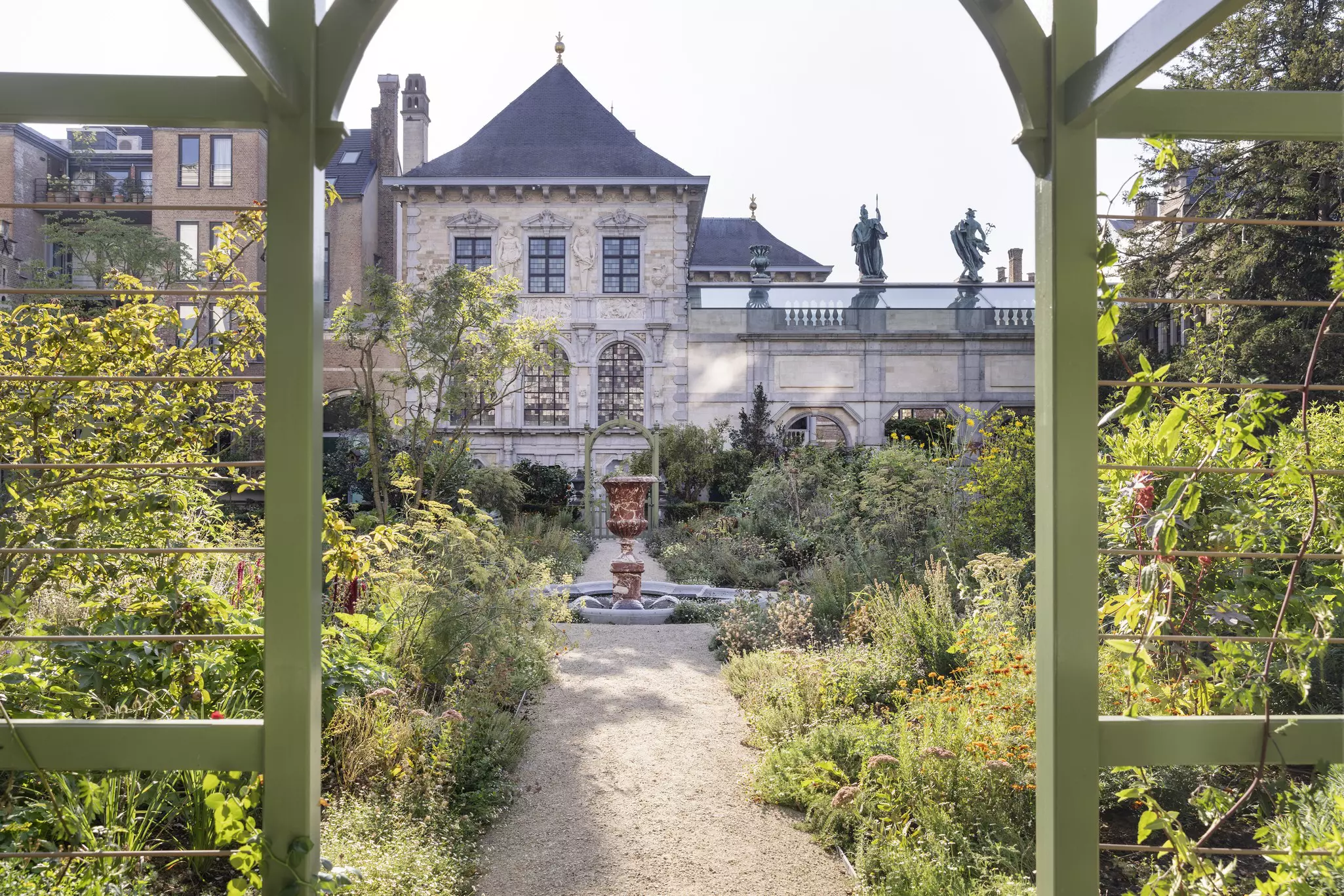
The home of Peter Paul Rubens, the city’s most famous artist and one of the world’s greatest painters, is an attraction in itself, but don’t miss the garden of Rubens’ house. Rubens worked all over Europe, but he acquired this 16th-century house and land in 1610, blending the old Flemish style with an Italian Renaissance look and feel. The portico and garden pavilion are just as architecturally intriguing to modern-day visitors as they would have been in Rubens' time, with one structure offering a view of the other through a unique sightline.
The garden features two large parterres, sections with symmetrical patterns of plant displays and gravel paths. A bluestone fountain sits at the center of each parterre, and the pathways between the flowerbeds are decorated with blooms that match the color of Rubens’ workshop.
Rubens' famous painting The Walk in the Garden appears to have inspired these parterres, where 17,427 plants bloom across the seasons. They are bordered by approximately 450 yew hedges, 40 citrus trees and numerous glazed terra-cotta pots.
Detour: Take a 3-minute walk south from Ruben’s house to the city’s Latin Quarter, where you can visit two of Antwerp’s most famous theaters, the Nord Schouwburg and Bourla, and explore a Saturday market on Theaterplein (locals call it the vreemdelingenmarkt or “foreign market”), which features everything from spicy Moroccan bites to shrimp croquettes.
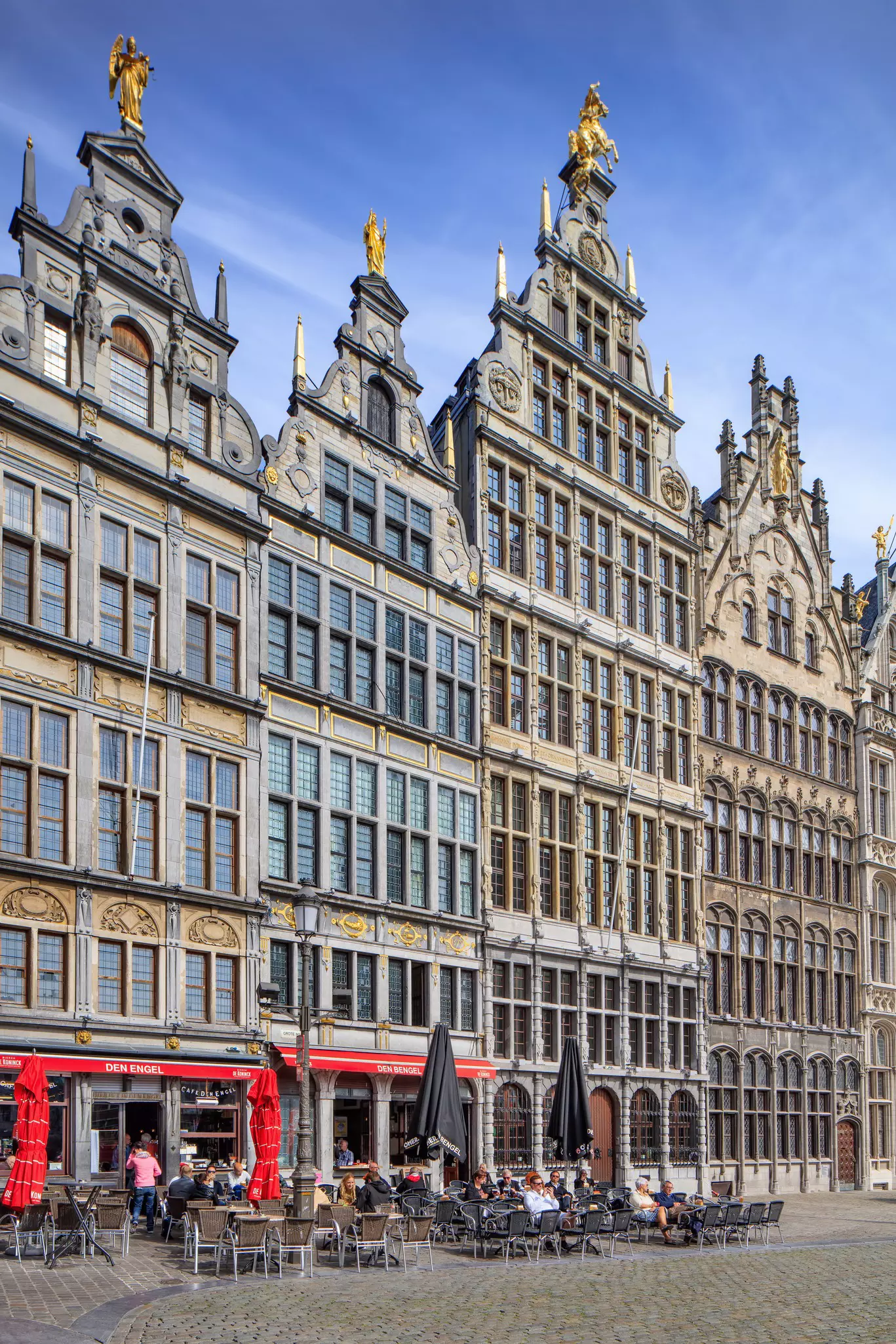
Perhaps Antwerp’s most famous brown cafe (a small, old-fashioned pub known for its interior), Café Den Engel is located in a historic guildhall on the city’s Grote Markt. Sit at wooden tables and enjoy the decor, which includes interior wooden paneling, a variety of mirrors and a patchwork of mosaic floor tiles. Photographs of previous evenings spent by patrons at "the Angel” line the top of the walls, and during winter, a little stove provides a warm backdrop for cozy conversations.
You’ll find locals with newspapers and dogs here, alongside politicians grabbing a beer after their council meetings held just across the street in city hall. Time seems to stand still, partly because of the large stopped clock. Your order will be a Bolleke, an easy-drinking amber-colored Spéciale Belge-style beer (5.2% ABV), a brand that has been ubiquitous in Antwerp cafes since 1952 and got its name (which means "little ball") from the spherical glass in which it’s always served.
Detour: If you’re curious about how the Bolleke is made, consider visiting Brouwerij De Koninck, located 4km from Den Engel in the Green Quarter of the city. It is owned by the well-known Duvel Moortgat brewery group. The brewery offers an interactive tour (audiovisual, no guide, about 1 hour long) where you drive through town in a vintage delivery van, walk inside a replica of a Bolleke glass, see the brewing hall, and test your beer-pouring skills.
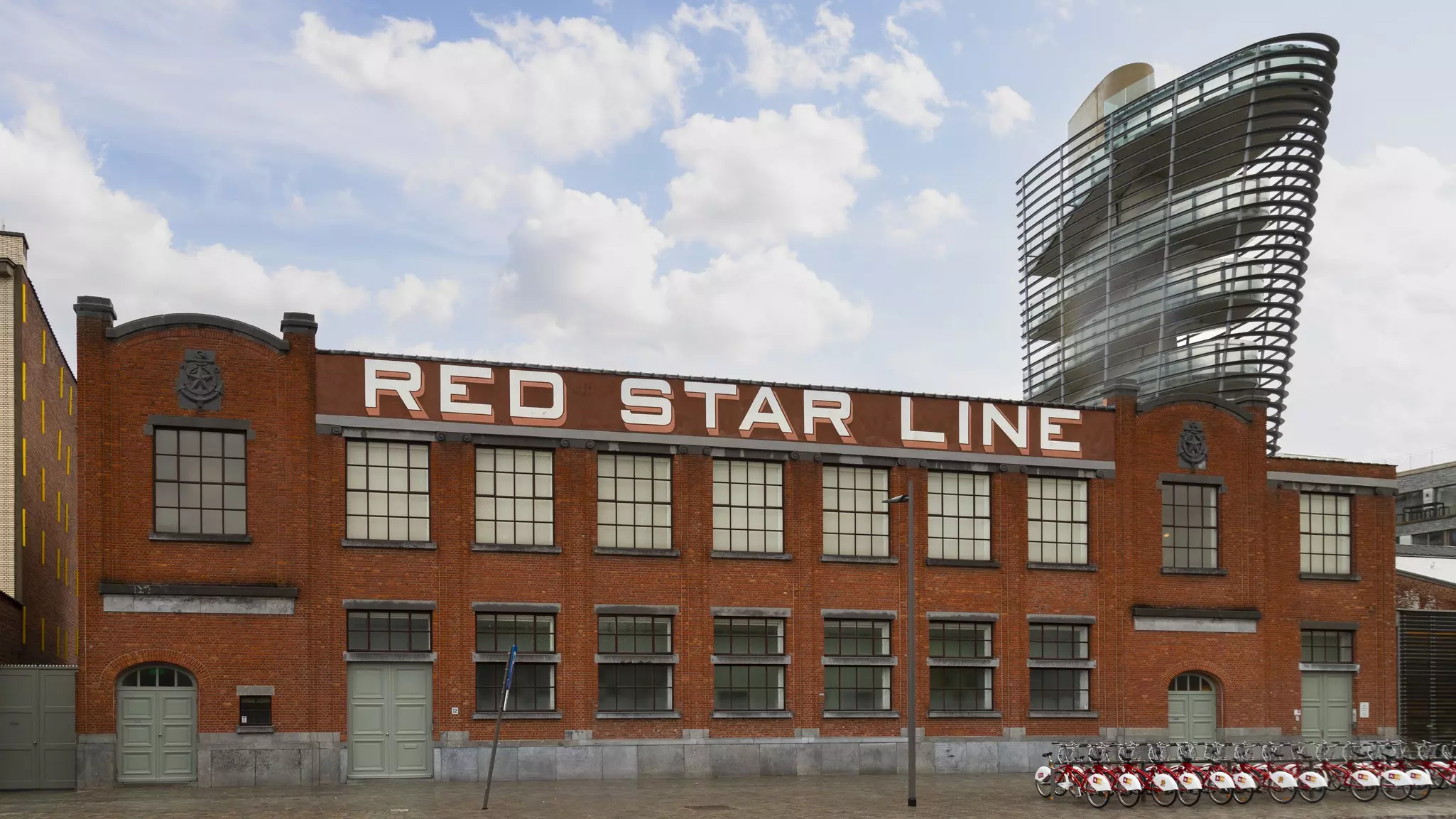
Two million passengers traveled to North America aboard Red Star Line ships departing from the port of Antwerp between 1873 and 1934. The Red Star Museum, in the Eilandje district of the city, showcases the history of that migration and highlights the stories of passengers who came from all over Europe to board the ships and escape poverty or persecution.
During your visit to the museum, you’ll encounter diary entries, passport control photos, medical records and stories from 20th-century emigrants who faced storms, seasickness and the search for a new life. These moving exhibits encourage conversations about migration today.
Learn about Albert Einstein, a regular and beloved guest aboard the ships, who sailed several times on the SS Belgenland and, in the 1930s, left Europe on a Red Star Line boat to start a new life in America. You’ll also discover stories of child travelers, crew members and more recent emigrants.
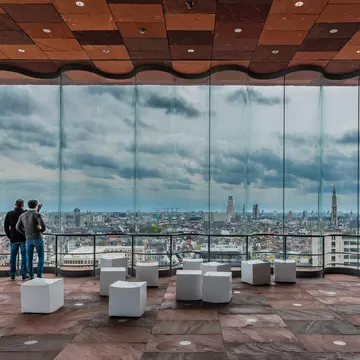
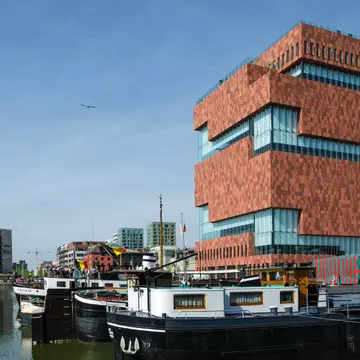
Detour: After finishing at the Red Star Line Museum, consider visiting the MAS museum across the dock on Het Eilandje. It’s housed in an iconic warehouse building with 10 floors of exhibits about connectedness, stacked like boxes. The museum offers stunning views of this port city. When you’re ready to relax and process the museum experiences, head over to ‘t Waagstuk, a well-loved cafe in the neighborhood with a cozy enclosed terrace and a menu featuring beers from local breweries like De Scheldebrouwerij, Antwerpse Brouwcompagnie and Brouwerij Het Nest.
Luddites is a bookshop and wine bar located in a stately mansion in the city center’s Hopland, known for its focus on English-language books and its excellent selection of European wines, especially from German, Austrian, Belgian and Danish producers.
The owners – Richard Bolte and Jorien Caers – named their business after an English secret society of textile workers who wrote poems, songs and letters to factory owners. Bolte and Caers say Luddites is “a safe haven for people who want to evade the digital world, in pursuit of quietude or Bacchic bliss.”
Detour: If you want to buy books and alcoholic beverages in one stop, try Bookz & Booze on the Vrijdagmarkt. If you’re looking for coffee, visit Bookshop Stad Leest on Oudaan, a quirky bookstore and cafe that has built a community of readers in the city, marked by the Stad Leest tote bags they wear. For reading (and drinking) later in the evening, go to Café Boekowski at the Palace of Justice, more like a neighborhood cafe with walls full of books than a typical bookstore, where you’ll find a curated beer selection and a culture of book swapping.
Explore related stories