Pre-20th-Century History

Antigua was founded on March 10, 1543 as La muy Noble y muy Leal Ciudad de Santiago de los Caballeros de Goathemala. It became the Spanish colonial capital of Guatemala after the 1541 flooding of the previous capital, located at present-day Ciudad Vieja on the flanks of Volcán Agua.

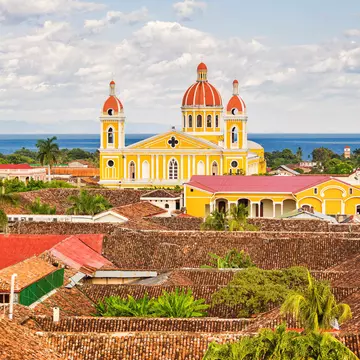
During the 17th and 18th centuries, little expense was spared on the city's magnificent architecture. At its peak Antigua had no fewer than 38 churches, including a cathedral. In 1776, after the great earthquake of July 29, 1773 destroyed Antigua (which had already suffered considerable damage from earlier quakes), the capital was transferred again, this time to Guatemala City. Antigua was evacuated and plundered for building materials, but it never completely emptied of people, and began to grow again around 1830. By then it was known as La Antigua Guatemala (Old Guatemala).

Modern History

With the political, business and commercial hub gone, time was devoted to renovating the battered old buildings needed to maintain the city's colonial character. The fountain in Parque Central was rebuilt in 1936. In 1944 President Jorge Ubico declared Antigua a national monument, and in 1979 Unesco designated it a World Heritage Site.

Recent History

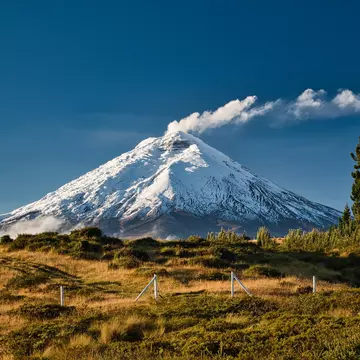
Today Antigua is popular with foreigners as one of the best places in Latin America to study Spanish, with around 75 schools and private classes on offer. With its pan-international feel, Antigua is also one of Guatemala's safest cities, and even has its own tourist police. On the volcano front, Fuego erupted most recently in 2002 and remains eerily active.

Back to top ^

Shop Online
Advertisement

Book Your Trip
Travel insurance. Be covered by our recommended partner.

Compare & book flights from 100's of domestic & international airlines.

Hotels & Hostels

Booking hotels is simple with Lonely Planet. See our reviewed and recommended hotels in one place and book online. Browse hotels ›

Lonely Planet Newsletters

Updates, offers and inspiration - straight to your inbox.
Subscribe now ›

Disclaimer: We've tried to make the information on this web site as accurate as possible, but it is provided 'as is' and we accept no responsibility for any loss, injury or inconvenience sustained by anyone resulting from this information. You should verify critical information (like visas, health and safety, customs and transportation) with the relevant authorities before you travel.

Lonely Planet