Travelling to Myanmar presents an ethical decision - Should you go?
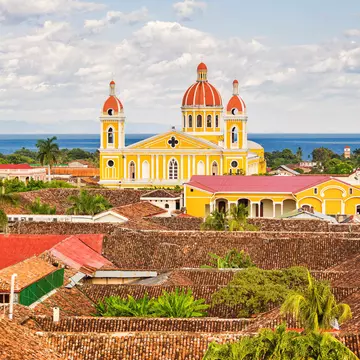
With a bustling modern city, emerging beach destinations and more temples than tourists, Myanmar's rich and thrilling culture - of dozens of languages and peoples - is naturally a drawcard. But going to Myanmar is more complicated than just buying a ticket.
Tropical Cyclone Nargis caused extensive damage and fatalities in Myanmar on 4 May, and the regions of Irrawaddy, Rangoon, Bago, Karen and Mon have been declared disaster zones. Over 100,000 people are dead or missing, and over two million have been affected. Transport, power and communications have all been seriously affected, and the government's response to the emergency has been slow. Foreigners are prohibited from entering the stricken areas.
The security situation, in general, in Myanmar remains uncertain. Large anti-government demonstrations taking place throughout the country have been known to draw violent responses from authorities. Several bomb explosions were reported during January 2008 - all occurring in places frequented by the public. Travellers are advised to exercise extreme caution.
See what other travellers are saying about what's happening in the Thorn Tree Myanmar branch .
The decision whether or not to travel to Myanmar is best made after an appraisal of pros and cons.
Reasons Not to Go:
Aung San Suu Kyi has asked tourists not to; the government used forced labour to ready tourist-related sights and services; international tourism can be seen as a stamp of approval to the Myanmar government; the government forbids travel to many areas, particularly in areas inhabited by minority groups; it's impossible to visit without some money going to the military junta (roughly US$20.00 per visa, US$10.00 per departure fee and seven to 10% tax on purchases); and activists claim that tourism dollars fuel government repression directly.

Reasons to Go:
Tourism remains one of the few industries to which ordinary locals have access - in terms of income and communication; authors of subsequent Burma guides say that the vast majority of locals they speak to tell them they want travellers there; human-rights abuses are less likely to occur in areas where the international community is present; the government stopped forcing foreigners to change US$200.00 into government notes upon arrival; the majority of a careful independent traveller's expenses can go into the private sector; and keeping the people isolated from international witnesses to internal oppression may only cement the government's ability to rule.
If You Decide to Go:
In order to maximise the positive effects of a visit among the general populace, while minimising support of the government, follow these simple tactics: stay at private, locally owned hotels and guesthouses; avoid package tours connected with Myanmar Travel and Tours; avoid MTT-sponsored modes of transport, such as most Yangon-Mandalay Express trains, the MTT ferry between Mandalay and Bagan, and Myanmar Airways International (MAI) flights; buy handicrafts directly from the artisans, rather than from government shops; avoid patronising companies involved with the military-owned Myanmar Economic Holdings (companies with solid links to the Tatmadaw or armed forces are often called Myawadi or Myawaddy); write to the Myanmar government and to the Myanmar embassy in your country expressing your views about the human-rights situation there.
For more information on responsible travel to Myanmar, see our FAQs here .
severity: High-level alert
Union of Myanmar
47,373,958
Name: Kyat
Code: MMK
Symbol: K
230V 50Hz
Official: Burmese
GMT/UTC +6.5
+95
Imperial
Advertisement
Travel insurance. Be covered by our recommended partner.
Compare & book flights from 100's of domestic & international airlines.
Booking hotels is simple with Lonely Planet. See our reviewed and recommended hotels in one place and book online. Browse hotels ›
Updates, offers and inspiration - straight to your inbox.
Subscribe now ›
Disclaimer: We've tried to make the information on this web site as accurate as possible, but it is provided 'as is' and we accept no responsibility for any loss, injury or inconvenience sustained by anyone resulting from this information. You should verify critical information (like visas, health and safety, customs and transportation) with the relevant authorities before you travel.