Hawaiʻi
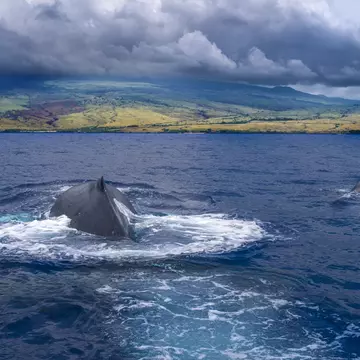
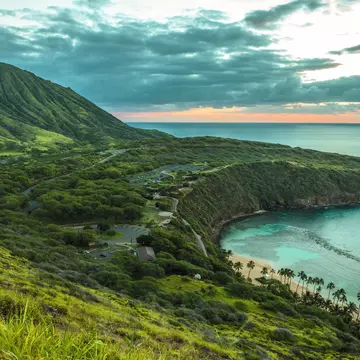
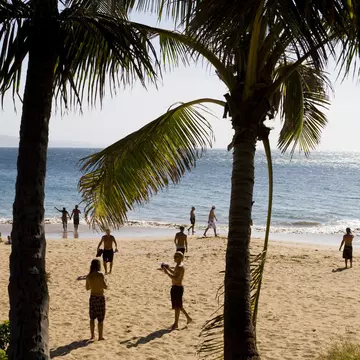
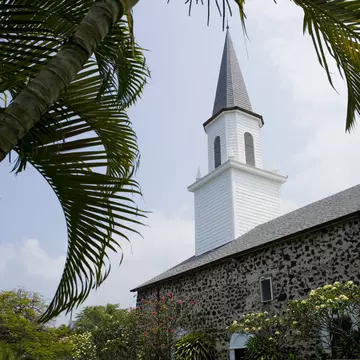
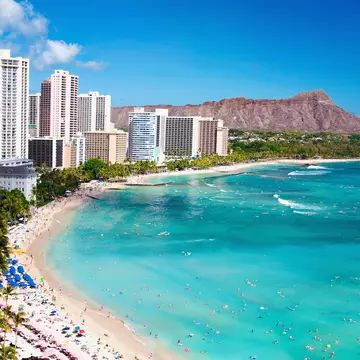
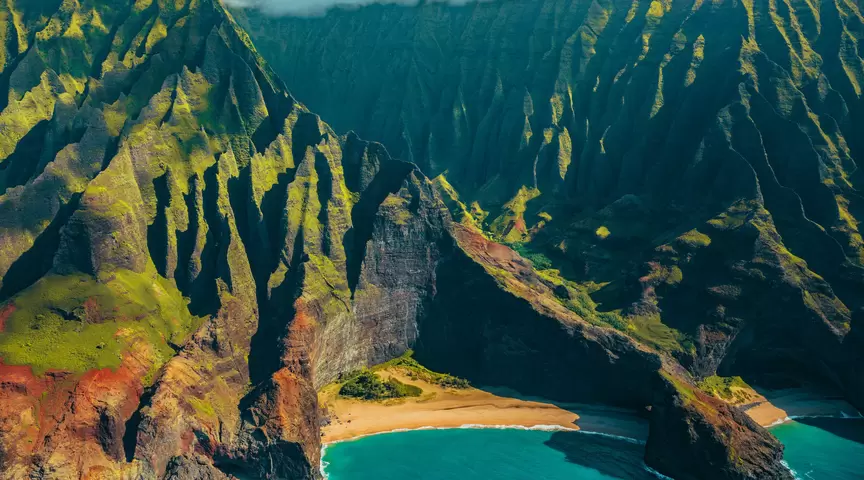
It's easy to see why Hawaiʻi has become synonymous with paradise. Just look at these sugary beaches, Technicolor coral reefs and volcanoes beckoning adventurous spirits.
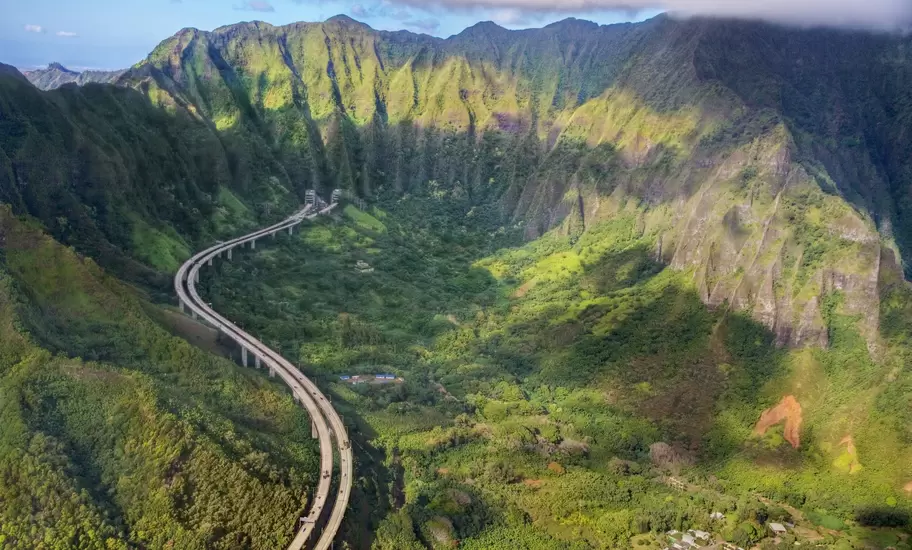
©Royce Bair/Getty Images
Latest Stories
- Sarah Etinas | Sep 23, 20265 of the Best Lūʻau in Oʻahu, Hawaiʻi
- Sarah Etinas | Aug 26, 202615 Things to Know Before Visiting Hawaiʻi
- Catherine Toth Fox | Aug 25, 2026Hawaiʻi on a Budget
- Sarah Etinas | Aug 23, 20268 Best Things to Do in Hawaiʻi
Book
Trip 
App

Trusted Partner
Dreaming of Hawaiʻi? Protect your trip
Travel with confidence. Protect your trip and your wallet.
We don’t represent World Nomads, we receive a fee from quotes using this link. This is not a recommendation to buy travel insurance.
Book your Hawaii trip with Lonely Planet Journeys
See Hawaii how it's meant to be seen
Accommodations, activities and ground transportation all taken care of, so you can focus on the fun part. Tell us what your dream trip to Hawaii looks like, and our local experts will build it from scratch. Or start with one of our itineraries and make it your own.

Top places to visit in Hawaiʻi
Discover the best attractions in Hawaiʻi from must-see sights to unexpected hidden gems.
- Attraction in HawaiiʻIao Valley State Monument
- Attraction in HawaiiLimahuli Garden
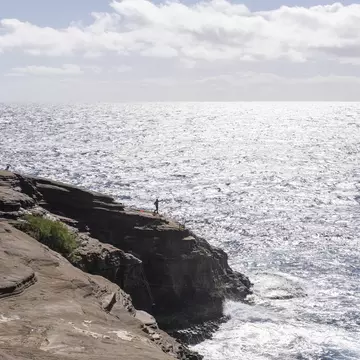
- Attraction in HawaiiSpitting Cave
-
 Attraction in HawaiiMakaha Beach Park
 - Attraction in HawaiiPaliku Beach
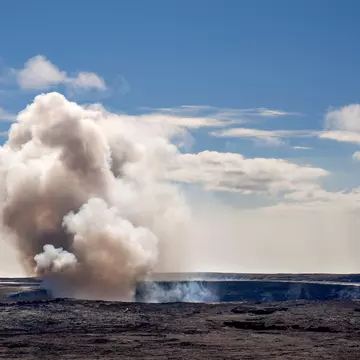
- Attraction in HawaiʻiHawaiʻi Volcanoes National Park
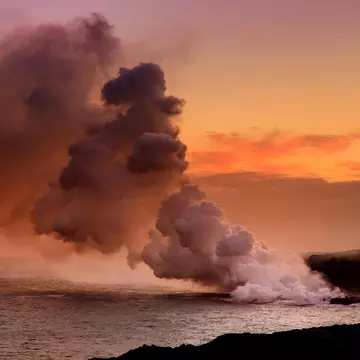
- Attraction in HawaiʻiKilauea
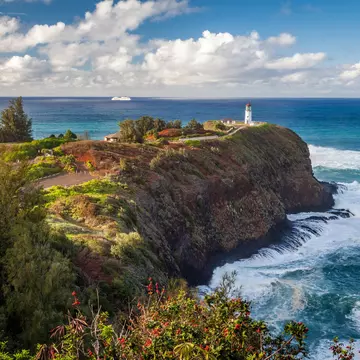
- Attraction in HawaiʻiKilauea Point National Wildlife Refuge
Travel Guides
Hawaiʻi travel tips from Lonely Planet experts
Find practical guidance from our team of contributors around the world who bring their decades of first-hand travel experience to your next trip.
Best Things to Do
Experience what makes Hawaiʻi unique with this guide to the top things to do on the islands.
Read full article
Best Time to Visit
Deciding when to go to Hawaii has less to do with weather – year-round sunshine and balmy temps are the norm – and is more about crowds and costs.
Read full article
Things to Know
Hawaiʻi is one of the most popular destinations on the planet. Here are a few tips to do what’s best for the locals, the land, the ocean and visitors.
Read full article
Free Things to Do
See Hawaiʻi for less with this awesome list of 13 free things to do.
Read full article
Money and Costs
Keep your costs down on a trip to Hawaiʻi with these top money-saving tips.
Read full article
Best Places to Visit
Experience the best of Hawaii with these top places to see.
Read full article
Get a book. Get inspired. Get exploring.


in partnership with getyourguide
Book popular activities in Hawaiʻi
Lonely Planet may earn a commission from affiliate links on our site. All recommendations and reviews reflect our own independent opinions.
Hawaiʻi and beyond
- destinationHawaiʻi the Big Island
- destinationOʻahu
- destinationMaui
- destinationKauaʻi
-
 destinationHonolulu
 - destinationKona Coast
- destinationWaikiki
- destinationHilo