Türkiye
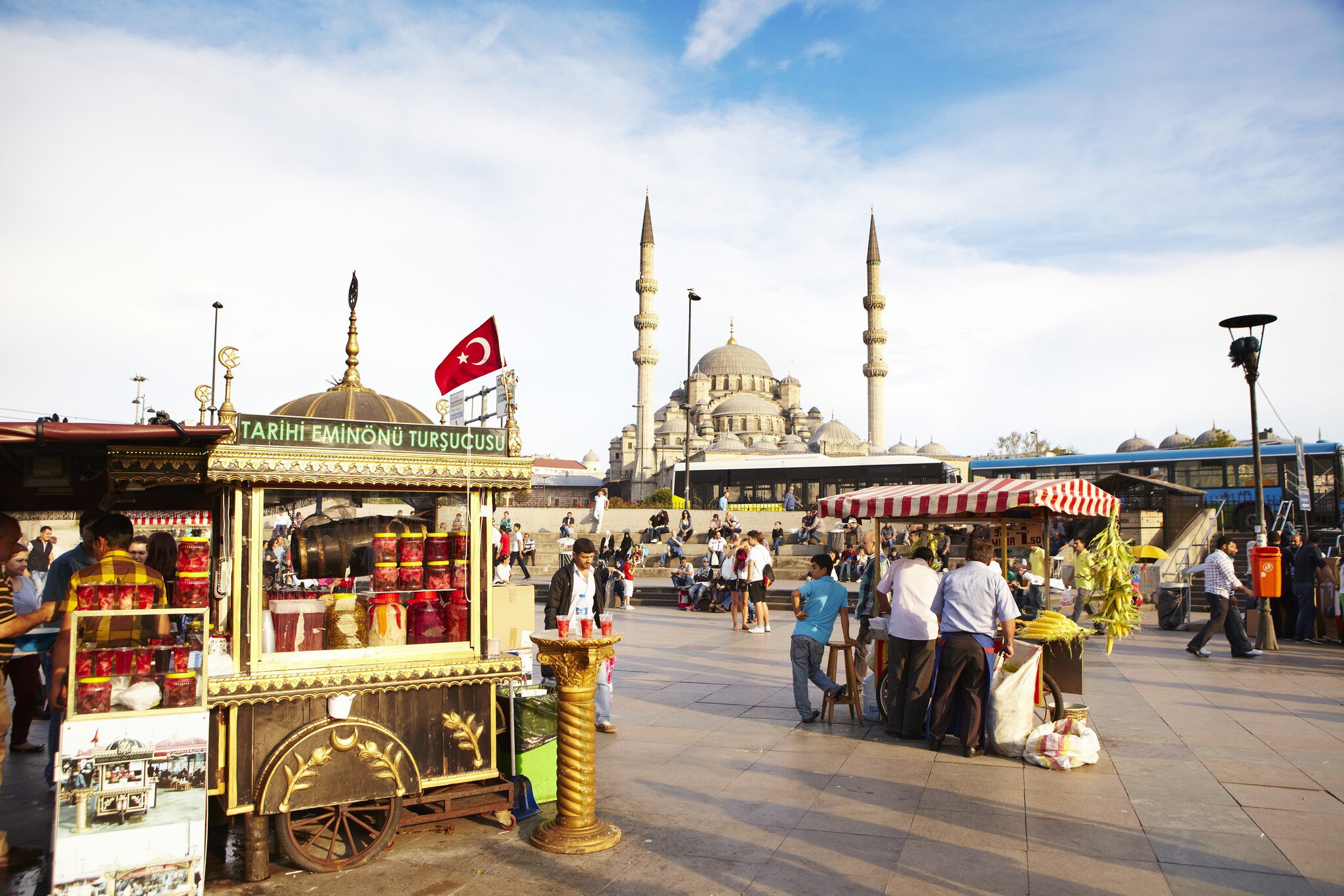
A richly historical land with some of the best cuisine you will ever taste, scenery from beaches to mountains and the great city of İstanbul.
Matt Munro/Lonely Planet
Latest Stories
- Jennifer Hattam | Aug 20, 2026Türkiye on a Budget
- Jennifer Hattam | Dec 1, 202510 of the Best Places to Visit in Türkiye
- Jennifer Hattam | Dec 1, 202512 Best Things to Do in Türkiye
- Gizem Acar | Oct 3, 2025Getting Around in Türkiye
Book
Trip 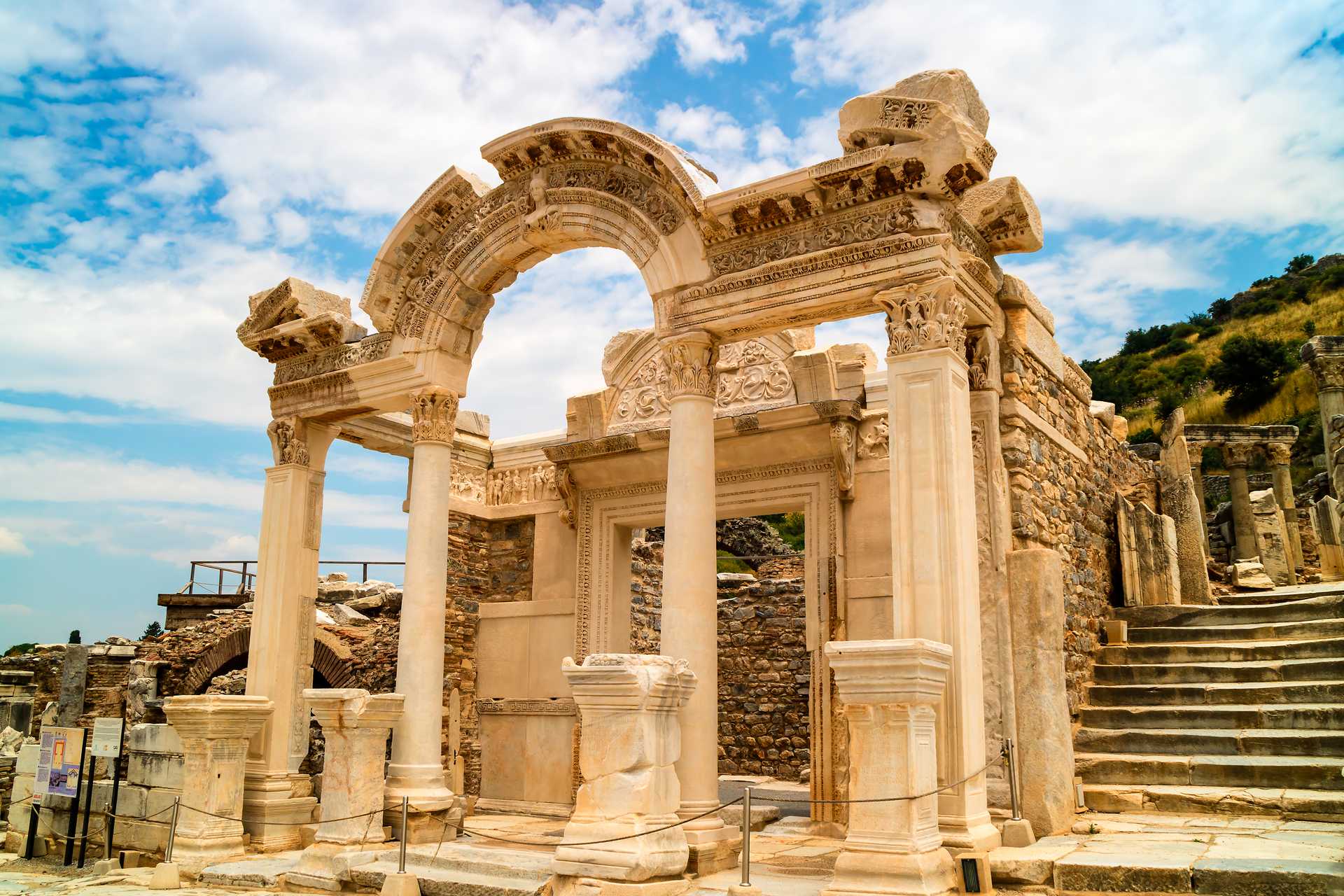
App

Book your Türkiye trip with Lonely Planet Journeys
See Türkiye how it's meant to be seen
Accommodations, activities and ground transportation all taken care of, so you can focus on the fun part. Tell us what your dream trip to Türkiye looks like, and our local experts will build it from scratch. Or start with one of our itineraries and make it your own.

Top places to visit in Türkiye
Discover the best attractions in Türkiye from must-see sights to unexpected hidden gems.
- Attraction in TurkiyeSagalassos
- Attraction in İstanbulSüleymaniye Mosque
-
 Attraction in BursaMuradiye Complex
 - Attraction in SultanahmetHagia Sophia Grand Mosque
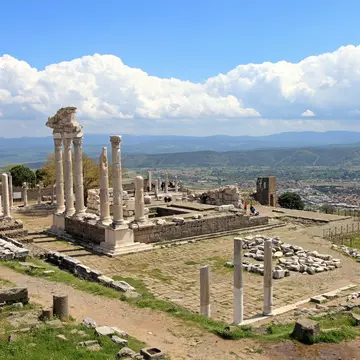
- Attraction in TurkiyeBergama Acropolis
- Attraction in Bodrum TownBodrum Castle
- Attraction in İstanbulDolmabahçe Palace
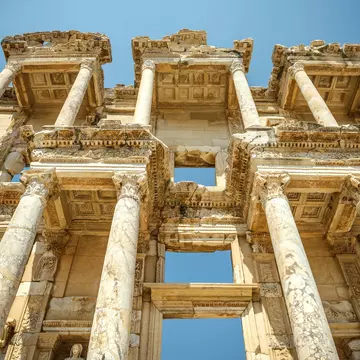
- Attraction in TurkiyeEphesus



Travel Guides
Türkiye travel tips from Lonely Planet experts
Find practical guidance from our team of contributors around the world who bring their decades of first-hand travel experience to your next trip.
Best Things to Do
With its history-soaked cities, spectacular landscapes and rich heritage, Turkey has something for every type of traveler. Here are the top things to do.
Read full article
Best Time to Visit
With its beaches, mountains, deserts and megacities, Türkiye has something to offer travelers in all seasons. Here’s a full guide on just when to visit.
Read full article
Transportation
Cheap, frequent domestic flights, generally well-maintained roads and a vast bus network give travelers ample options for getting around Turkey.
Read full article
Best Road Trips
With nearly 8000km of coastline and an incredibly diverse landscape, exploring Türkiye on a road trip is a delight. Here are 8 of our favorites.
Read full article
Money and Costs
Many of Türkiye’s riches don’t come cheaply these days. Here are some money-saving tips for travelers visiting on a budget.
Read full article
Best Places to Visit
Magnificent cities, blissful beaches, ancient history, unspoiled nature... Here is our pick of the best places to visit in Türkiye (Turkey).
Read full article
Get Connected
Stay fully connected on your next trip to Türkiye with this guide to local wi-fi networks, roaming charges, eSIMs and data.
Read full article
Get a book. Get inspired. Get exploring.
in partnership with getyourguide
Book popular activities in Türkiye
Lonely Planet may earn a commission from affiliate links on our site. All recommendations and reviews reflect our own independent opinions.
Türkiye and beyond
- destinationIstanbul
- destinationBeyoğlu
- destinationKadıköy
- destinationSouth Aegean
- destinationTurquoise Coast
- destinationİzmir & the North Aegean
- destinationCappadocia
- destinationBlack Sea Coast