Philippines
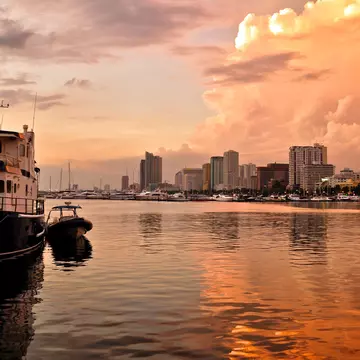
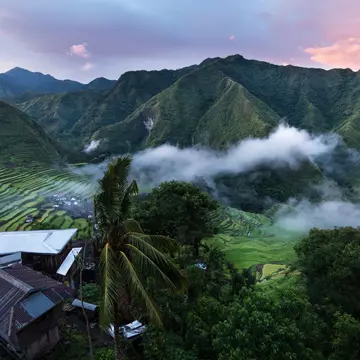
The Philippines is defined by its emerald rice fields, teeming megacities, graffiti-splashed jeepneys, smoldering volcanoes, bug-eyed tarsiers, fuzzy water buffalo and smiling, happy-go-lucky people.
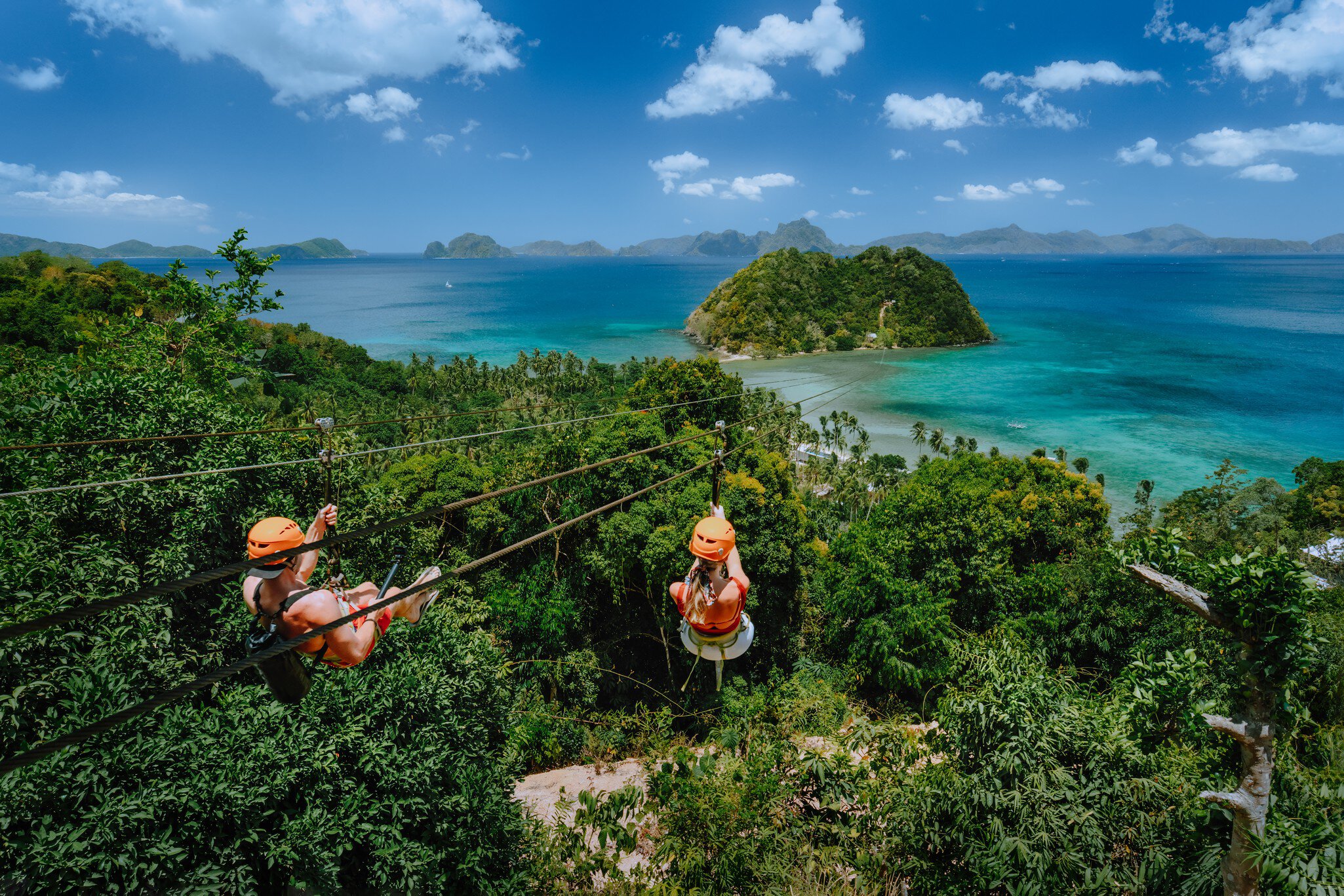
© Igor Tichonow/Shutterstock
Latest Stories
- Kara Santos | Sep 30, 202612 Things to Know Before Visiting the Philippines
- Kara Santos | Sep 18, 202610 Best Places to Visit in the Philippines
- Ray Bartlett | May 21, 2026The Ultimate 10-Days in Luzon, the Philippines
- Kara Santos | Apr 15, 20268 Best Beaches in the Philippines
Book
Trip 
App


Trusted Partner
Dreaming of Philippines? Protect your trip
Travel with confidence. Protect your trip and your wallet.
We don’t represent World Nomads, we receive a fee from quotes using this link. This is not a recommendation to buy travel insurance.
Book your Philippines trip with Lonely Planet Journeys
See Philippines how it's meant to be seen
Accommodations, activities and ground transportation all taken care of, so you can focus on the fun part. Tell us what your dream trip to Philippines looks like, and our local experts will build it from scratch. Or start with one of our itineraries and make it your own.
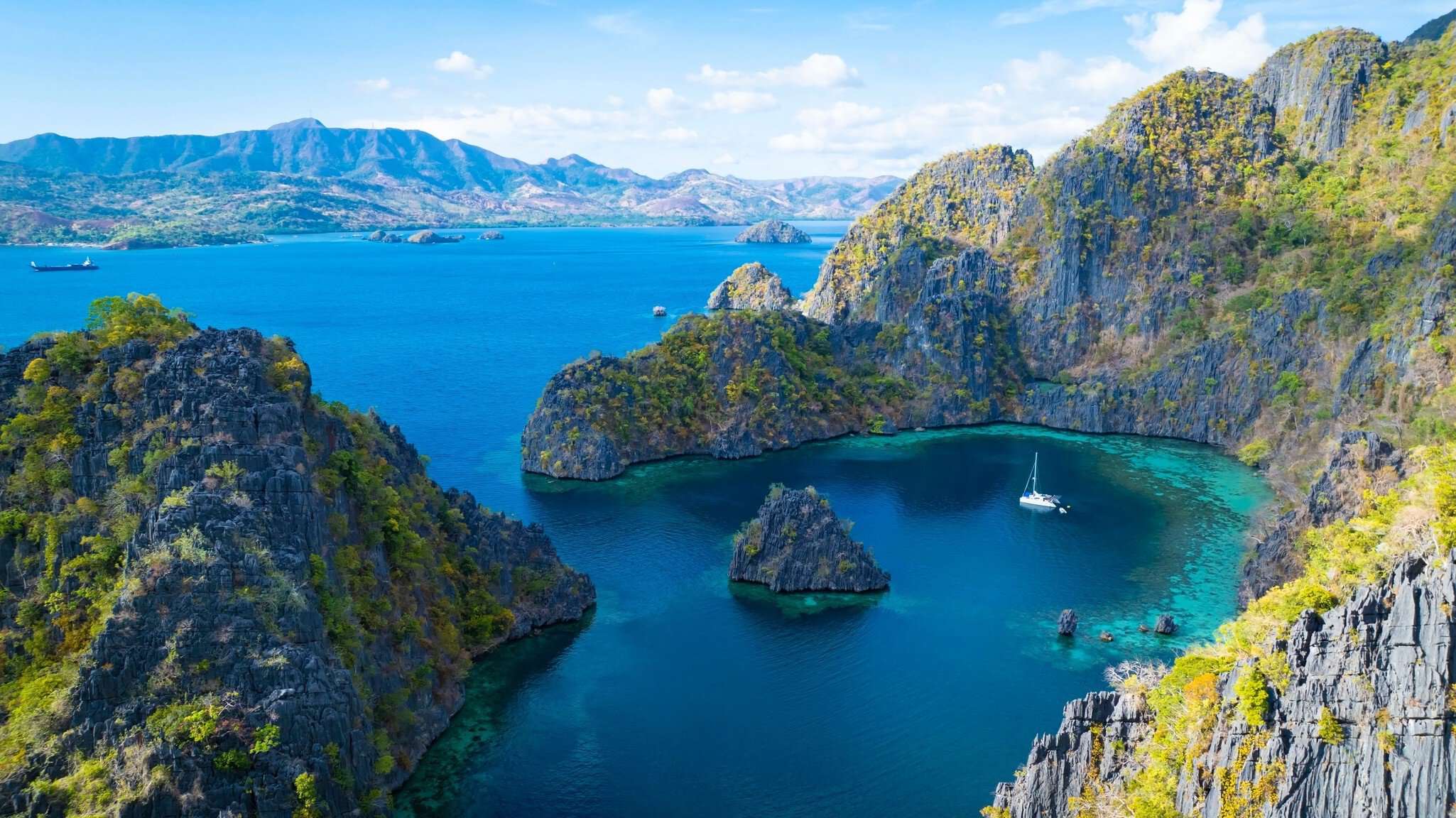

Top places to visit in Philippines
Discover the best attractions in Philippines from must-see sights to unexpected hidden gems.
-
 Attraction in MindanaoPhilippine Eagle Center
 - Attraction in PhilippinesBugtong Bato Falls
- Attraction in ManilaManila American Cemetery
- Attraction in ManilaAyala Museum
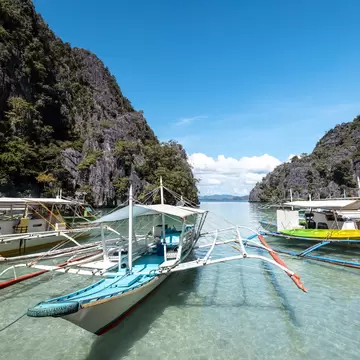
- Attraction in Coron TownCoron Island
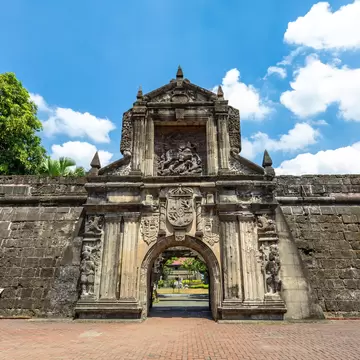
- Attraction in ManilaFort Santiago
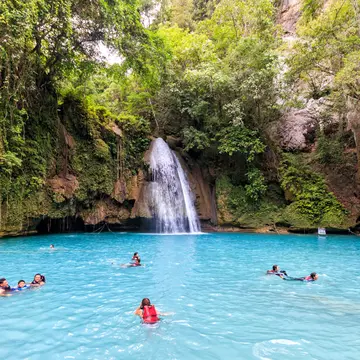
- Attraction in PhilippinesKawasan Falls
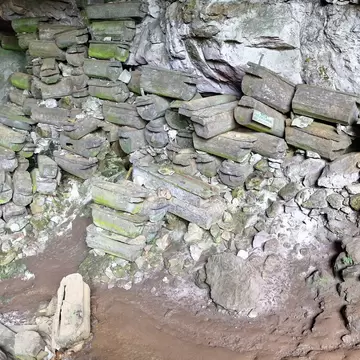
- Attraction in PhilippinesLumiang Burial Cave

Travel Guides
Philippines travel tips from Lonely Planet experts
Find practical guidance from our team of contributors around the world who bring their decades of first-hand travel experience to your next trip.
Best Time to Visit
The Philippines is a magical destination any time of year, with each season offering distinct advantages.
Read full article
Things to Know
Before you set off to this fabulous Southeast Asian nation, consider familiarizing yourself with these pointers.
Read full article
Best Places to Visit
From island bliss to beach adventures to snorkeling and wreck diving, the Philippines offers incredible destinations for even the most voracious travelers.
Read full article
Get a book. Get inspired. Get exploring.
in partnership with getyourguide
Book popular activities in Philippines
Lonely Planet may earn a commission from affiliate links on our site. All recommendations and reviews reflect our own independent opinions.
Philippines and beyond
- destinationEastern Visayas
-
 destinationWestern Visayas
 - destinationManila
- destinationNorth Luzon
- destinationPalawan
- destinationMindanao
- destinationSoutheast Luzon
- destinationCebu City