Panama
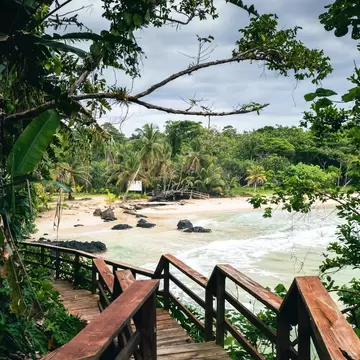
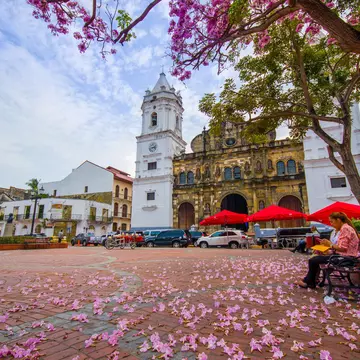
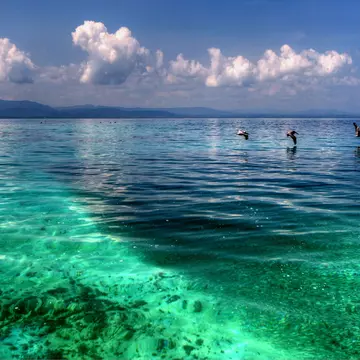
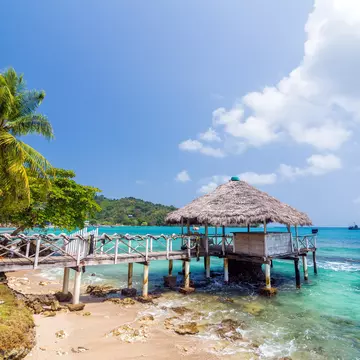
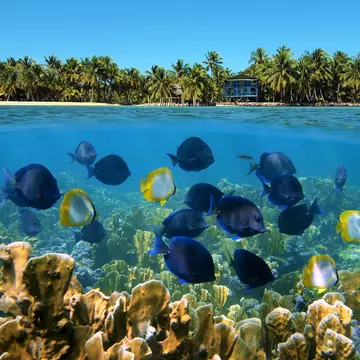
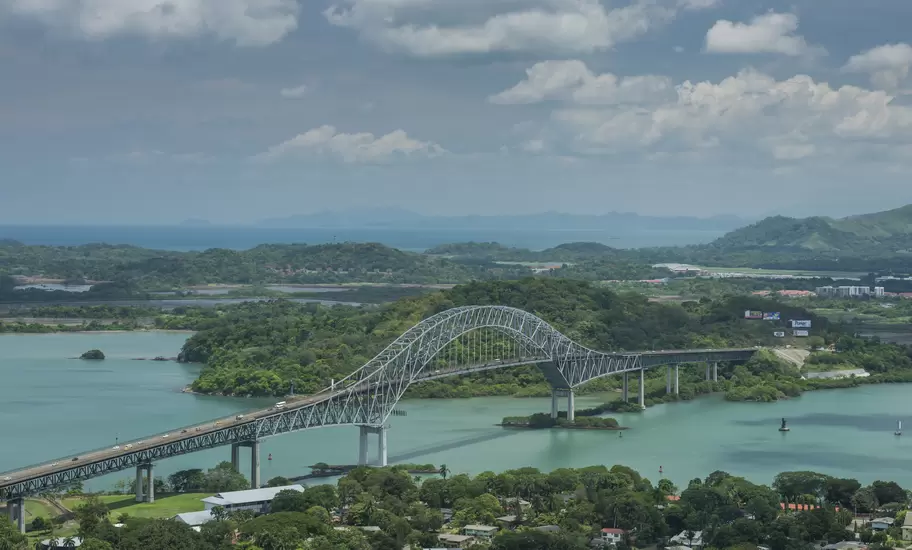
This small country is home to the formidable Panama Canal, tropical escapes and Central America’s most cosmopolitan capital, with its sultry skyline of shimmering glass and steel towers. Panama travel offers everything from rainforest ziplining and white-water rafting to cloudforest treks with sublime vistas. On the coast, you can dive with whale sharks in the Pacific, snorkel the rainbow reefs of Bocas del Toro or set sail in the indigenous territory of Guna Yala. Meanwhile, surfers will be psyched to have world-class breaks all to themselves. Add to this the cultural riches of Panama City, and you have one of Latin America’s most captivating destinations. Not sure where to start planning your Panama trip? Get inspired with expert tips on top attractions, the best beaches, and the ideal time to visit.
Getty Images/iStockphoto
Latest Stories
- Lonely Planet Editors | Aug 12, 20267 of the Best National Parks in Panama
- Richard Arghiris | Mar 23, 202613 of the Best Things to Do in Panama
- Rosie Bell | Mar 3, 2026Panama's Top 10 Beaches
- Sarah Gilbert | Jan 29, 2026Best Time to Visit Panama
Book
App

Book your Panama trip with Lonely Planet Journeys
See Panama how it's meant to be seen
Accommodations, activities and ground transportation all taken care of, so you can focus on the fun part. Tell us what your dream trip to Panama looks like, and our local experts will build it from scratch. Or start with one of our itineraries and make it your own.
Top places to visit in Panama
Discover the best attractions in Panama from must-see sights to unexpected hidden gems.
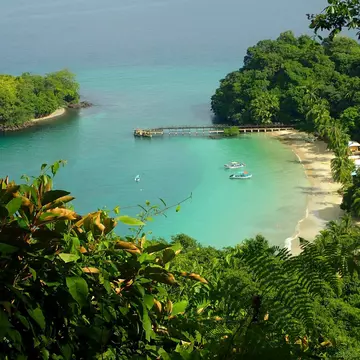
- Attraction in PanamaParque Nacional Coiba
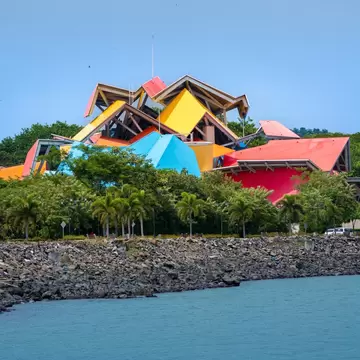
- Attraction in Panama CityBioMuseo
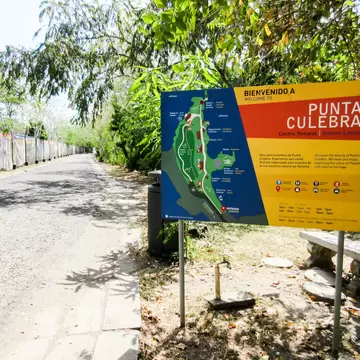
- Attraction in Panama CityCentro Natural Punta Culebra
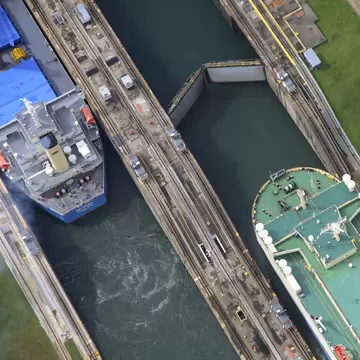
- Attraction in PanamaGatún Locks
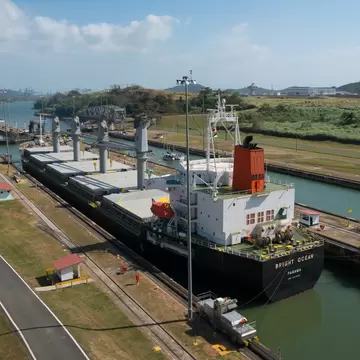
- Attraction in PanamaMiraflores Visitors Center
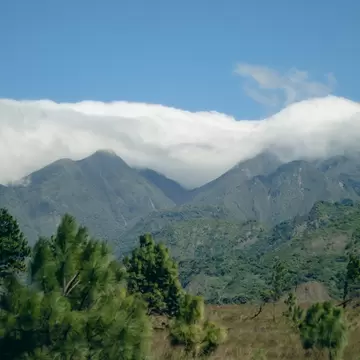
- Attraction in Chiriquí ProvinceParque Nacional Volcán Barú
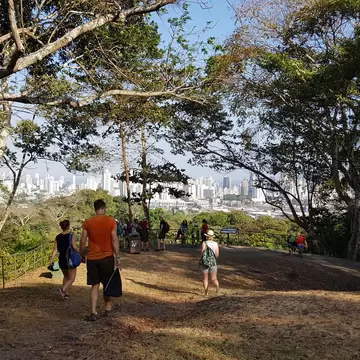
- Attraction in Panama CityParque Natural Metropolitano
- Attraction in Panama CityMuseo del Canal Interoceánico
Travel Guides
Panama travel tips from Lonely Planet experts
Find practical guidance from our team of contributors around the world who bring their decades of first-hand travel experience to your next trip.
Best Things to Do
From drinking coffee in Chiriquí to watching ships pass through the canal, here are Panama's unmissable experiences.
Read full article
Best Time to Visit
From surfing and basking on sun-drenched beaches in the dry season to budget-friendly off-peak breaks, here are the best times to visit Panama.
Read full article
Things to Know
Panama has both incredible wild spaces waiting to be explored and chic cities full of glamor – here's everything you need to know before you go.
Read full article
Transportation
Panama may be small, but its attractions are mighty and not always easy to get to. Here's everything you need to know about getting around Panama.
Read full article
Best Road Trips
Natural beauty, sugar-white beaches, rainforest roads – explore the best of Panama by car with these six spectacular road trips.
Read full article
Traveling with Kids
From babies and toddlers to young children, tweens and teens, here are the best experiences in Panama for families of travelers.
Read full article
Best Places to Visit
You'll find so much more in Panama than its famous canal. Get ready for wildlife-rich tropical forests, beautiful beaches and hip urban spaces.
Read full article
Get a book. Get inspired. Get exploring.
in partnership with getyourguide
Book popular activities in Panama
Lonely Planet may earn a commission from affiliate links on our site. All recommendations and reviews reflect our own independent opinions.
Panama and beyond
- destinationBocas del Toro Province
-
 destinationChiriquí Province
 - destinationPenínsula de Azuero
- destinationPanama City
- destinationComarca de Guna Yala
- destinationDarién Province
- destinationArchipiélago de Bocas del Toro
- destinationIsla Colón