Mexico Tips & articles

Mexico’s Day of the Dead

Note: Javascript is disabled in your browser.
To see the gallery in all its glory, you'll need to enable Javascript.
Image_26552-51

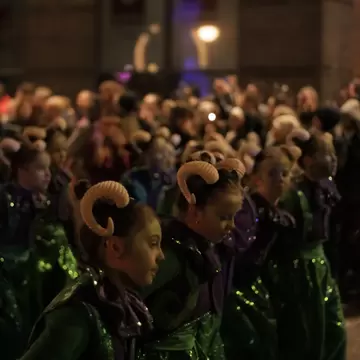
Mexico’s Carnivalesque remembrance of departed souls, Día de Muertos (Day of the Dead, 1-2 November), is one of the world’s most universally familiar festivals. Its papier-mâché skeletons and candy skulls are as recognisable as the jack-o’-lanterns at Halloween. Westerners find the Latino rave from beyond the grave, with its upbeat treatment of immortality, both fascinating and confronting.

In anticipation of the gloriously grisly event, stores and markets fill with miniature coffins, skulls and skeletons made of chocolate, marzipan, paper, cardboard or clay. Many are engaged in highly un-skeletonlike activities such as riding bicycles, playing music or getting married.

In a belief system inherited from the Aztecs, Mexicans believe their dead are lurking in Mictlan, a kind of spiritual waiting room, and they can return to their homes at this time of year. Families thus begin preparations to help the spirits find their way home and to make them welcome, starting with an arch made of bright-yellow marigolds – a symbolic doorway from the underworld. An altar is erected and piled high with offerings to the invisible visitors: flowers, ribbons, coloured candles, tamales (steam-cooked cornmeal dough), fruit and corn. Two important additions are a container of water, because the spirits arrive thirsty after their journey, and pan de muertos (bread of the dead). The loaf is made with egg yolks, fruits and tequila or mezcal, and is adorned with, or shaped as, a symbol of death.

The first day, Día de Angelitos (Day of the Little Angels), is dedicated to dead children, and the toys they once loved are placed on the altar. The rituals are particularly important if the household has suffered a bereavement in the previous year. Women will spend all day cooking the favourite food of the dead relative for the customary feast, in which friends and family gather to toast the ghostly visitors.

The event climaxes with a visit to the cemetery. There might be a funfair en route, with neon-lit rides and stands selling crucifix waffles and cooked cactus snacks. Families will devote a day to cleaning the graves, decorating them with candles and flores del muerto (flowers of the dead), having picnics and dancing to mariachi bands. By now, the streets are full of papier-mâché skeletons, which are life-size but could never pass for the real thing in their dresses, jewellery, flowery boas and hats. A cigarette dangles jauntily from a white hand, a hoop earring hangs against a bare jawbone.

Again, such apparitions can be traced back to Aztec lore. The death god, Mictlantecutli, is often depicted with a skull-like face in pre-Hispanic artefacts. The skeletal street urchins became a major fixture in the late 19th century, when the great engraver José Guadalupe Posada used the occasion to satirise society and explore the theme of death as the ultimate leveller. In his famous calaveras, skeletal figures cheerfully engage in everyday life, working, dancing, courting, drinking and riding horses into battle. One of his most enduring characters is La Calavera Catrina, a female skeleton in an elaborate low-cut dress and flamboyant flower-covered hat, suggestively revealing a bony leg and an ample bust that is all ribs and no cleavage.

The event is, like many aspects of post-colonial Mexico, a melange of influences. Its origins stretch back to the Aztec month of Miccailhuitontli, which was dedicated to deathly Mictlantecutli’s equally scary wife, Mictecacihuat. It originally fell around August, but the Christian conquistadors, hoping to assimilate the heathen holiday through their favoured tactic of cultural mestizaje (mixing), moved it to the day after All Saints’ Day.

Celebrations take place all over the country, but their heartland is southern Mexico, where indigenous culture is strongest.


Also check out:

Top 10 festivals and fiestas in Mexico

Mexico’s best kept secrets

Top 8 places to (safely) visit in Mexico now


1000 Ultimate SightsIconic buildings, awesome canyons, weird monuments, vast animal migrations, spooky dungeons and romantic vistas are just some of the man-made marvels and natural wonders in Lonely Planet’s 1000 Ultimate Sights. Make your own list, hit the road, and start exploring the world’s most breathtaking sights.

Comments

  1. 2 November 2011 4:32PM gtarriba Report this comment

    A good article, but it fails to mention just how thoroughly the "Dia de los muertos" tradition has become intertwined with Halloween, at least in big Mexican cities. Today just as I was returning from work I saw lots of families out on the streets of Mexico City knocking on every door asking for "trick or treat"... the kids carrying those classic Halloween pumpking buckets of course! And lots of people are dressed up in Halloween costumes too. Yet at the same time people still eat chocolate and sugar skulls ("calaveritas") and go see the altars to the dead. So the point is, tradition is alive and it evolves.. Mexicans like the idea of both the Day of the Dead and Halloween, and they have coalesced both traditions. It's not a new thing, since I was in elementary school it's been like that. But some people will inevitably object that the tradition has become "contaminated" influences... which have been going strong in the country for the last 500 years of course!

Add a comment

Sign in or register to add your comment.

Things to do