Lithuania
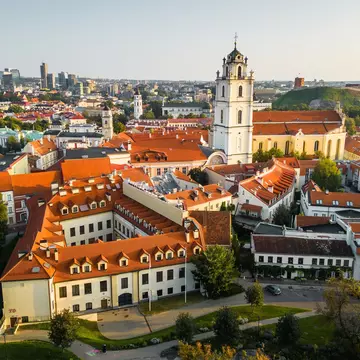
Blame it on the Baltic sea breeze or the almost-endless midsummer days: Lithuania has an otherworldly quality. In the southernmost of the Baltic states, beaches are spangled with amber and woodlands are alive with demonic statues. Medieval-style mead and traditional wood-carving never went out of style.
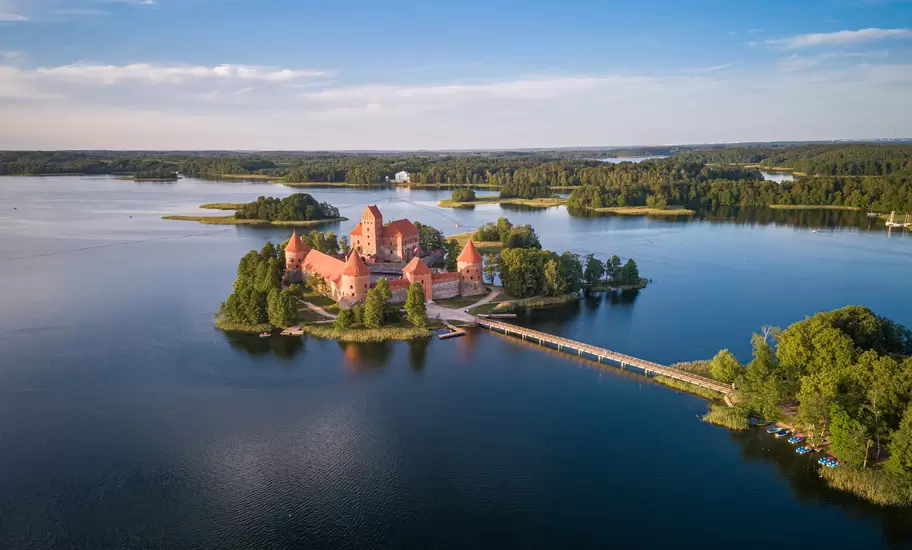
Mindaugas Dulinskas/iStock
Latest Stories
- Anna Kaminski | Nov 1, 202512 of the Best Things to Do in Lithuania
- Anna Kaminski | Jul 25, 2024A First-Time Guide to Lithuania
App
Book your Lithuania trip with Lonely Planet Journeys
See Lithuania how it's meant to be seen
Accommodations, activities and ground transportation all taken care of, so you can focus on the fun part. Tell us what your dream trip to Lithuania looks like, and our local experts will build it from scratch. Or start with one of our itineraries and make it your own.
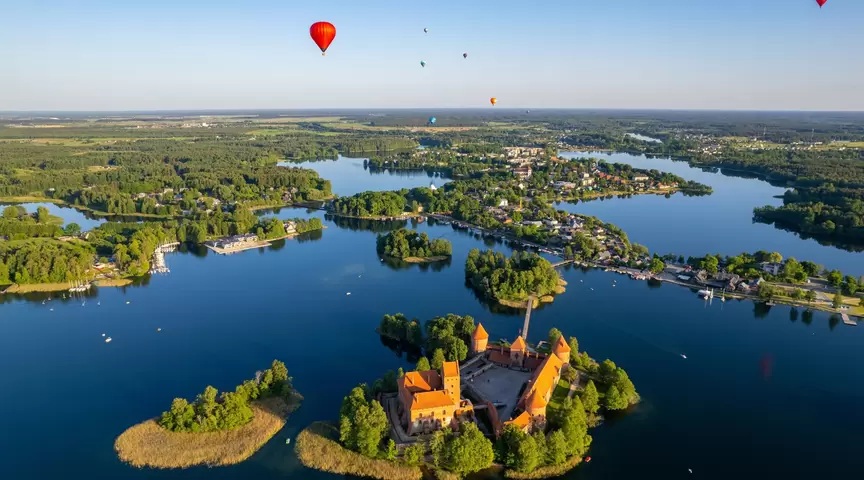

Top places to visit in Lithuania
Discover the best attractions in Lithuania from must-see sights to unexpected hidden gems.
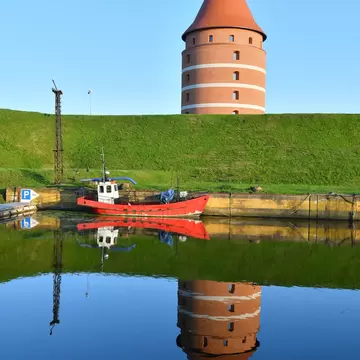
- Attraction in LithuaniaKlaipėda Castle Museum
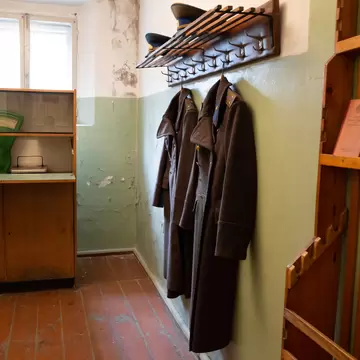
- Attraction in VilniusMuseum of Genocide Victims
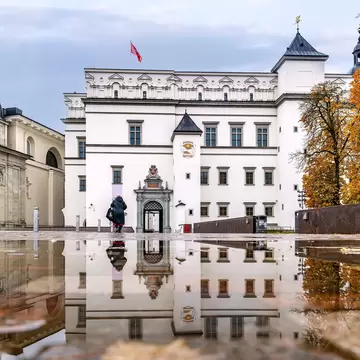
- Attraction in VilniusPalace of the Grand Dukes of Lithuania
- Attraction in LithuaniaAmber Museum
-
 Attraction in KaunasMK Čiurlionis National Museum of Art
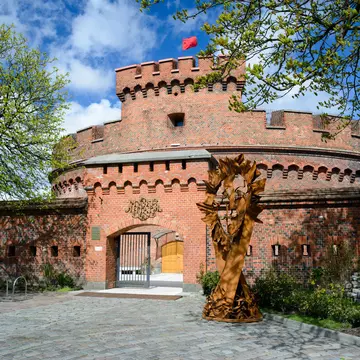
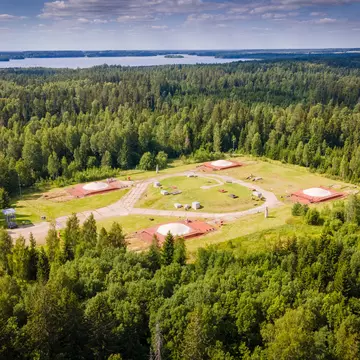
 - Attraction in LithuaniaCold War Museum
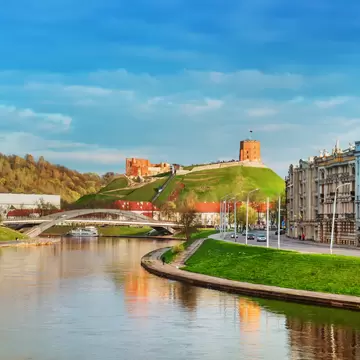
- Attraction in VilniusGediminas Castle & Museum
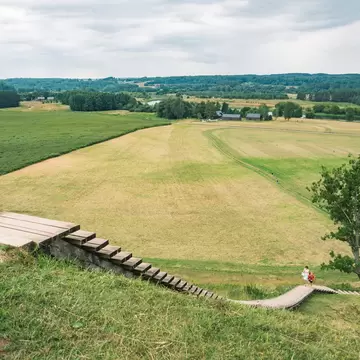
- Attraction in LithuaniaKernavė Cultural Reserve
Travel Guides
Lithuania travel tips from Lonely Planet experts
Find practical guidance from our team of contributors around the world who bring their decades of first-hand travel experience to your next trip.
Best Things to Do
In this Baltic gem, discover glorious dunes, historic castles, Soviet relics, woodland lakes and much more.
Read full article
in partnership with getyourguide
Book popular activities in Lithuania
Lonely Planet may earn a commission from affiliate links on our site. All recommendations and reviews reflect our own independent opinions.