Kazakhstan
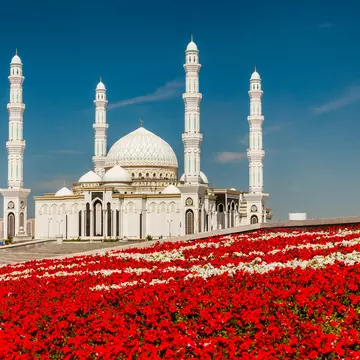
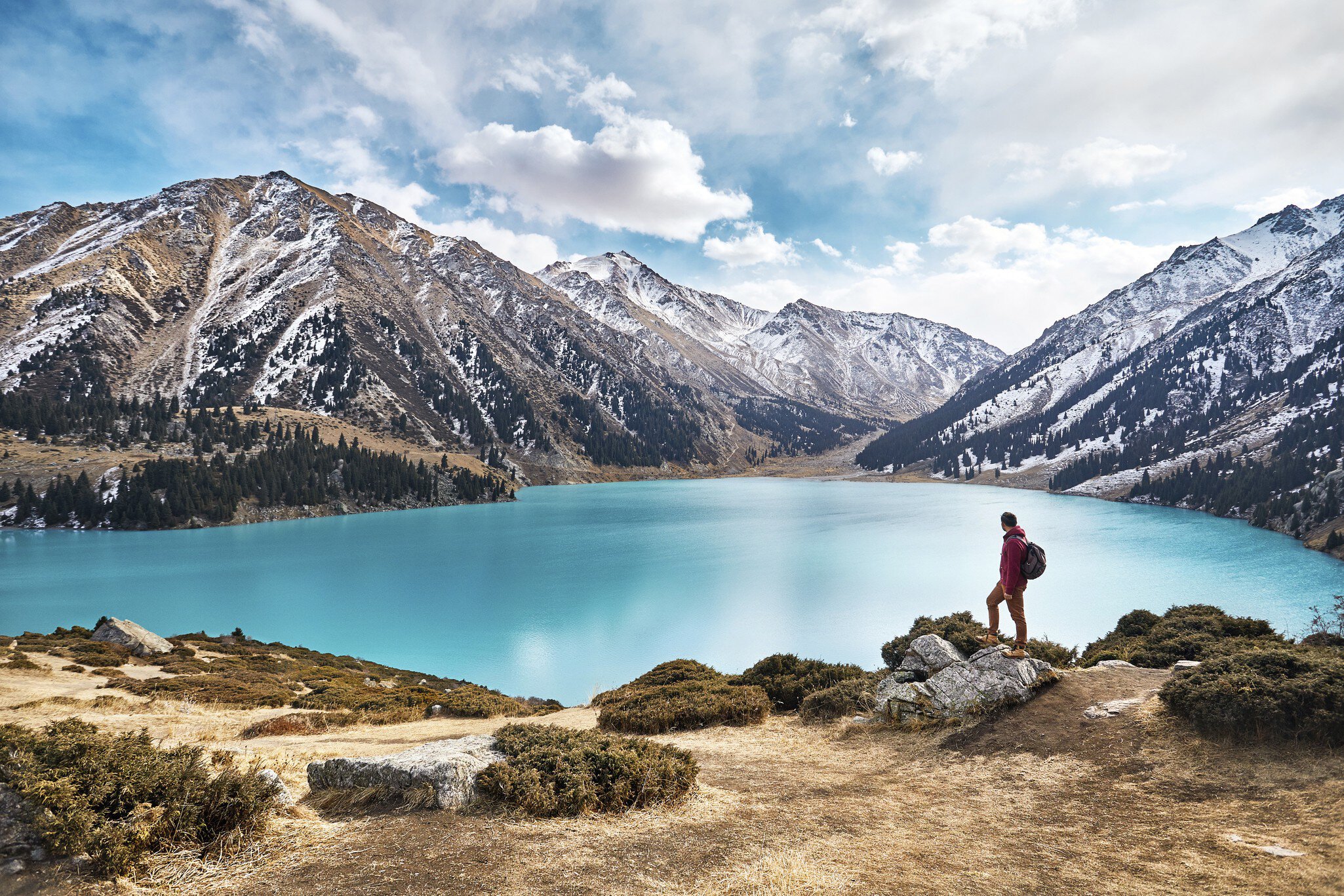
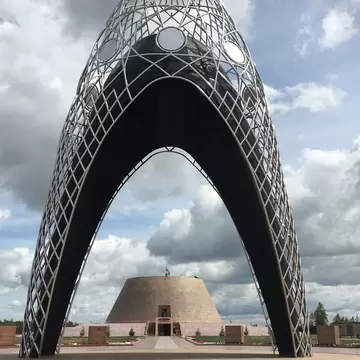
The world’s ninth-biggest country is the most economically advanced of the ‘stans’, thanks to its abundant reserves of oil and most other valuable minerals. That money has transformed the capital Nur-Sultan, on the windswept northern steppe, into a 21st-century showpiece with a profusion of bold futuristic architecture. Travelers will find some fantastic restaurants and accommodation amongst the leafy avenues of Almaty too; its biggest city also boasts the chic ALZhiR Museum-Memorial Complex, glossy shopping centres and hedonistic nightlife. But it's beyond the cities that you'll find the greatest travel adventures, whether hiking in the high mountains and green valleys of the Tian Shan, searching for wildlife on the lake-dotted steppe, enjoying homespun hospitality in village guesthouses, or jolting across the western deserts to remote underground mosques.
Cavan Images/Getty Images
Latest Stories
- Anna Kaminski | Sep 20, 2026A Guide to Astana, Kazakhstan
- Ashley Parsons | Aug 26, 202614 Best Things to Do in Kazakhstan
- Juan Martinez | Feb 13, 2026A 2-Week Journey by Train in Kazakhstan
- Pia Peterson Haggarty | Jan 5, 2026A Central Asian Road Trip from Kazakhstan to Uzbekistan
App
Top places to visit in Kazakhstan
Discover the best attractions in Kazakhstan from must-see sights to unexpected hidden gems.
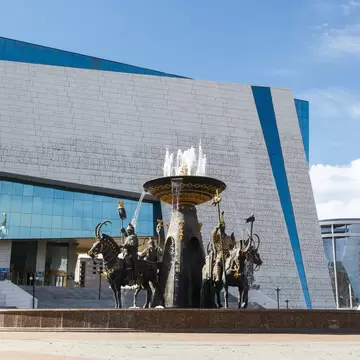
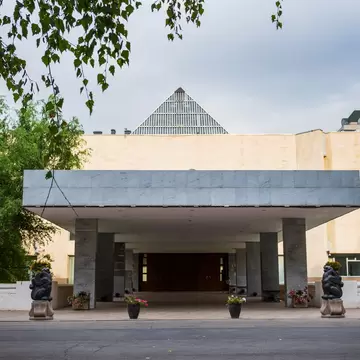
- Attraction in AstanaNational Museum of the Republic of Kazakhstan
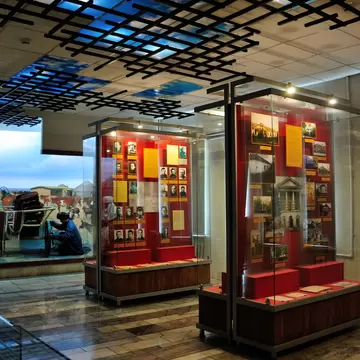
- Attraction in AlmatyKasteyev State Museum of Arts
- Attraction in KazakhstanKarLag Museum for the Victims of Political Repression
- Attraction in KazakhstanALZhIR Museum-Memorial Complex
-
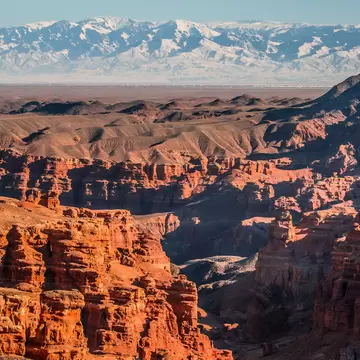
- Attraction in KazakhstanCharyn Canyon
-
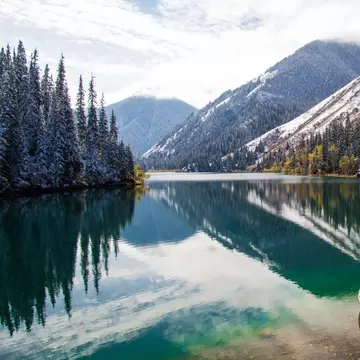
- Attraction in KazakhstanKolsai Lakes National Park
Travel Guides
Kazakhstan travel tips from Lonely Planet experts
Find practical guidance from our team of contributors around the world who bring their decades of first-hand travel experience to your next trip.
Best Things to Do
From remote mountains to futuristic cities, Kazakhstan serve sup a range of experiences for travelers. Here are the best ones.
Read full article
Best Time to Visit
Summer is for exploring the steppes and mountains, winter is for skiers, spring is for festivals and flowers. Here’s more as you plan your visit.
Read full article
Transportation
Count on a mix of trains, cars, buses and even horses to take in Kazakhstan’s vast and varied landscapes.
Read full article