Things to do in Tokyo
-
A
Tsukiji Central Fish Market
If it lives in the sea, it's probably for sale in the Central Fish Market, where acres and acres of fish and fish products pass hands in a lively, almost chaotic atmosphere. Everything is allotted its own area, and a quick scan of the loading docks will reveal mountains of octopus, rows of giant tuna, endless varieties of shellfish and tanks upon tanks of live exotic fish.
About 2246 tonnes of fish, worth over 1.8 billion yen (US$15.5 million), are sold here daily; that's 615,409 tonnes of fish worth some US$4.25 billion a year. It's not unheard of for a single tuna to fetch an incredible around ¥20 million!
The auctions are not officially open to the general public, but…
reviewed
-
B
Roppongi Hills
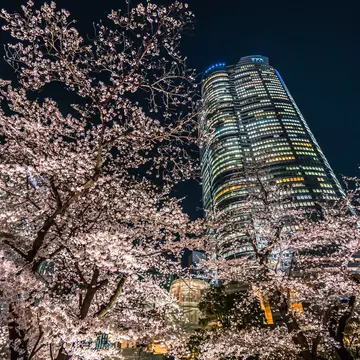
Opened in 2003 to an incredible amount of fanfare, Roppongi Hills was the dream of real-estate developer Mori Minoru, who long envisaged a transformation of Roppongi. Since then, an incredible amount of lofty praise has been vaulted at the complex, which is arguably the most architecturally arresting sight in Tokyo – architects including Jon Jerde, Maki and Associates, and Kohn Pedersen Fox Associates worked on the various buildings. The result is a feast for the eyes, enhanced by public art such as Louise Bourgeois’ giant, spiny alfresco spider called Maman and the benches-cum-sculptures along Keyakizaka-dōri. With expertly drawn lines of steel and glass, expansive…
reviewed
-
C
Tokyo Rent a Bike
This shop up Yamate-dōri from Nakameguro Station rents out multi- and single-gear city bicycles for touring around Tokyo. Check it out on its YouTube channel for details.
reviewed
-
D
Akihabara Electric Town (Denki-Gai)
What the Tsukiji Central Fish Market is to the food trade, Akihabara is to Japan’s legendary electronics industry: bustling, busy and fun to watch, and you don’t have to get up early in the morning to catch the action (afternoon is prime time). Akihabara can no longer claim exclusive rights to the title of the city’s electronics centre (thanks to increased competition from denser hubs like Shinjuku and Ikebukuro), yet it is still quite the scene. Akihabara is where many items are market-tested, so even if you have no intention of shopping now, it’s worth a peek to see what you may be buying two years hence. As the electronics business has moved elsewhere (Korea, China and…
reviewed
-
E
Ueno Zoo (Ueno Dōbutsu-en)
Japan’s oldest zoo was established in 1882, and is home to lions and tigers and bears (oh my!). The biggest attractions are normally the giant pandas, but the zoo’s only remaining panda, Ling Ling, passed away in 2008. As we went to press, a pair of new pandas was reportedly due to arrive from China in early 2011. If you object to zoos in general, this one probably won’t change your opinion, what with small enclosures for the animals and a facility that’s generally showing its age. On the other hand it’s larger than you’d think, given the obvious space constraints of Tokyo. Plus, all of the big-name animals from around the globe are well represented here. If you’re…
reviewed
-
F
New York Grill
You may not be staying at the Park Hyatt, but don’t let that stop you from ascending to the 52nd floor to swoon over the stunning views of the city below. Prices may be as high as the altitude, but where else can you splurge on a romantic, sumptuous supper enhanced by sparkling night-time lights and live jazz? And in case everything looks familiar, the adjacent New York Grill & Bar was where Bill Murray drank glass upon glass of Suntory whiskey in Sofia Coppola’s Lost in Translation. Reservations are advised, especially on weekends and for brunch.
reviewed
-
G
Golden Gai
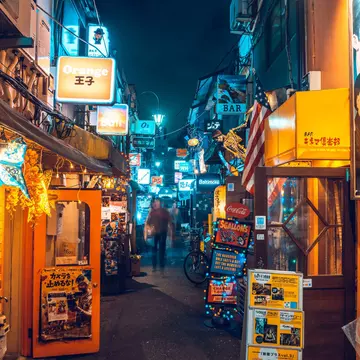
This ramshackle block of tiny bars became golden just in time for the ‘64 Olympics. By day, there’s not much to see here except for dozens of stray cats. But by night, the closet-sized bars, some accessed by stairways steep enough to bruise your shins as you ascend, light up and fill up, mostly with off-duty office workers. There’s been much speculation about the demise of Golden Gai’s rickety structures and narrow alleyways, but for the moment it seems a new generation is buying in and quietly setting up shop.
reviewed
-
H
Gonpachi
If the screen shots of Uma Thurman in a yellow jumpsuit didn't clue you in, Gonpachi is the place that inspired the Lucy Liu sequence in Kill Bill (think Charlie Brown and the Crazy 88). Though the menu isn't authentically Japanese (camembert tempura – yum!), the decor is undeniably Edo. Reserve early for a booth on the 2nd floor overlooking the crowd below. There's a sushi room on the 3rd level, which is separate from the rest of the restaurant.
reviewed
-
I
Isetan
In addition to its stunning food hall in the basement, Isetan boasts an entire separate building for men’s fashions in addition to several floors of homewares and ladies’ designer goods. Check out the store’s I-club, a free service that provides English-speaking staff for visiting shoppers. The membership desk for this service is located on the 6th floor near the entrance to the Isetan Men’s building.
reviewed
-
J
Kiddyland
Just as the name suggests – Kiddyland is kawaii (cute) overdose in the heart of Harajuku. Not just for tots, you'll find droves of teenagers playing around on weekends. The flagship store along Omote-sandō-dōri is under construction until the end of 2012 – the address above is for the smaller location on Cat St.
reviewed
Advertisement
-
Ageha
This gigantic waterside club rivals any you’d find in LA or Ibiza. Mostly international DJs appear here, with Japanese DJs filling out the mix. Counterbalancing the thumping dance floors are lounge spaces and a little pool area. Free buses run to the club every half-hour from the east side of Shibuya Station on Roppongi-dōri; bring photo ID.
reviewed
-
Tokyo Disney Resort
Pop quiz: what's the most visited sight in Japan? Kyoto's temples? Nope. Harajuku? Not quite. Ten points go to the person who guessed Tokyo Disney. As tragic (or as telling) as it may be, Tokyo Disney is a smashing success, offering visitors two theme parks – Tokyo Disney, modelled after the California original, and Tokyo DisneySea, a clever add-on that caters more to adults. Invest in a Fast Pass to cut down on time lost waiting in lines; it's also worth packing a bentō, as on-site restaurants are almost always overrun with diners.
reviewed
-
K
Ameya-yokochō
This market has a flavour unlike any other in Tokyo, resembling noisy, pungent bazaars elsewhere in Asia. It was famous as a black-market district after WWII, and is still a lively outdoor shopping arcade where bargains abound. There are sneakers, dried squid and shirts emblazoned with Japanese motifs. Look for its big archway sign opposite Ueno Station's south side.
reviewed
-
L
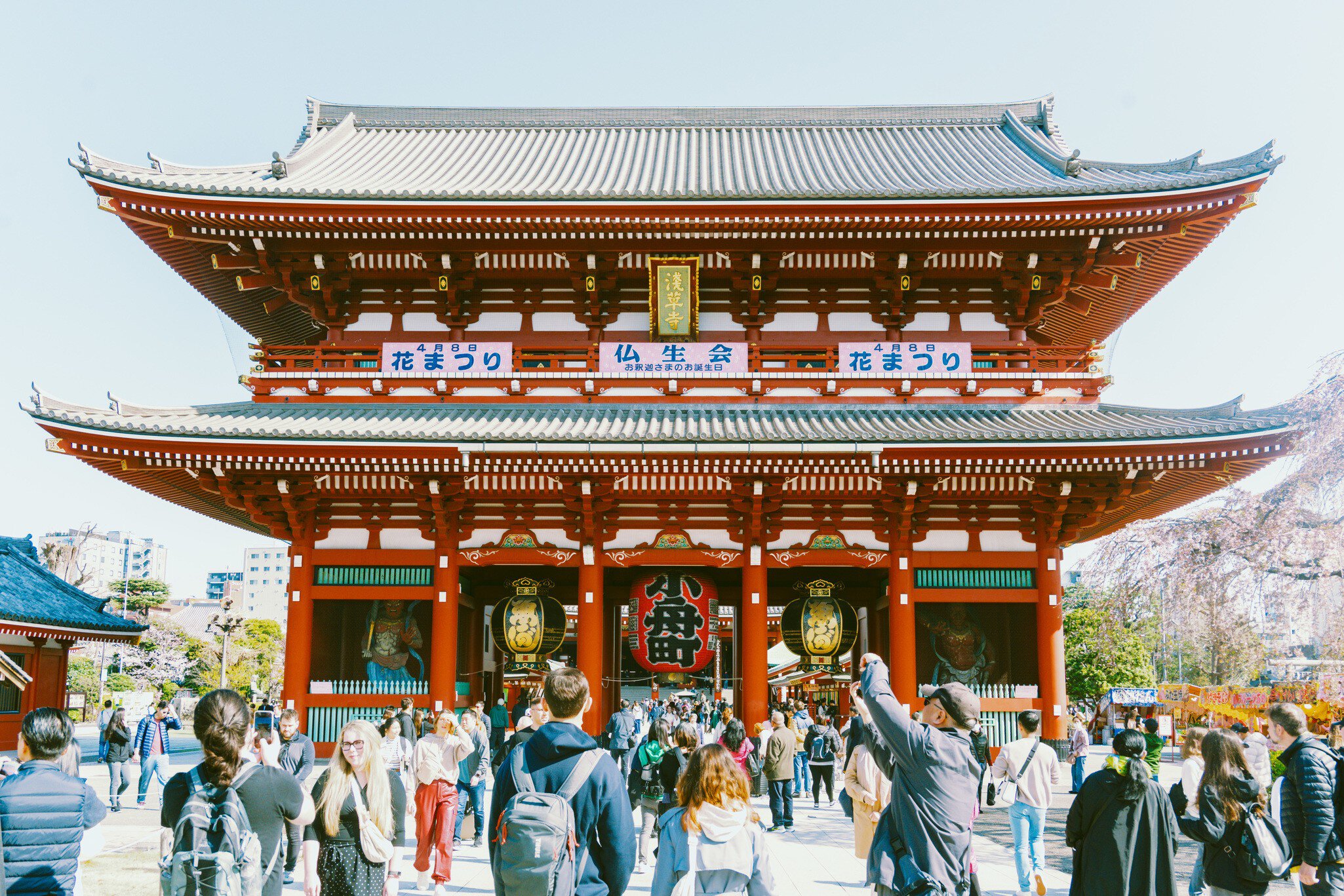
Asakusa-Jinja (Asakusa Shrine)
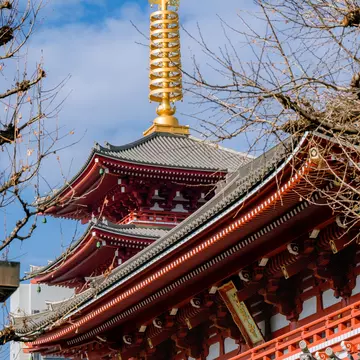
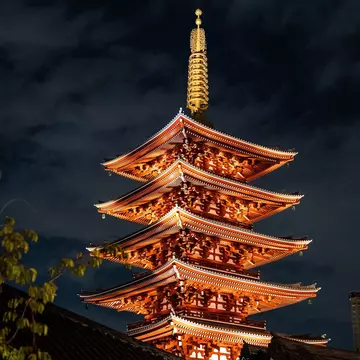
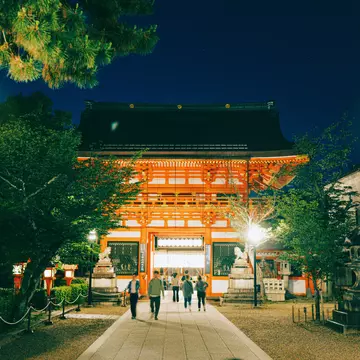
The proximity of this Shintō shrine, behind Sensō-ji and to the right, testifies to the coexistence of Japan’s two major religions. Asakusa-jinja was built in honour of the brothers who discovered the Kannon statue and is renowned as a fine example of an architectural style called gongen-zukuri. It’s also the epicentre of one of Tokyo’s most important festivals, the Sanja Matsuri, a three-day extravaganza of costumed parades, some 100 lurching mikoshi (portable shrines) and stripped-to-the-waist yakuza sporting remarkable tattoos. Niten-mon, thegate that marks one of the entryways to Asakusa-jinja, was erected in 1618 as a private entrance to the temple for the…
reviewed
-
M
Meiji-jingū
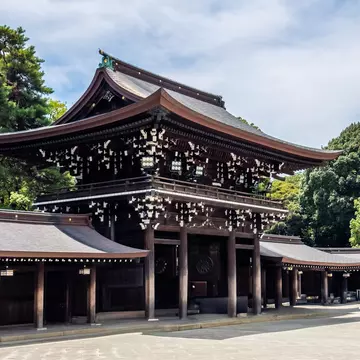
Completed in 1920, the shrine was built in memory of Emperor Meiji and Empress Shōken, though the current structure dates from 1958, as the original was destroyed in WWII. Meiji-jingū is the largest Shintō shrine in Tokyo and boasts the nation's largest torii (shrine gates), made from Japanese cypress. The shrine swells with over a million visitors during the New Year festivities. It's well worth visiting at any time, however; if you're lucky you'll catch a surprisingly sombre Shintō wedding processional, which makes a wonderful photo op.
The shrine's inner garden, Meiji-jingū-gyoen , is almost deserted on weekdays. It's especially beautiful in June, when the irises…
reviewed
-
N
Higashi-Gyōen (Imperial Palace East Garden)
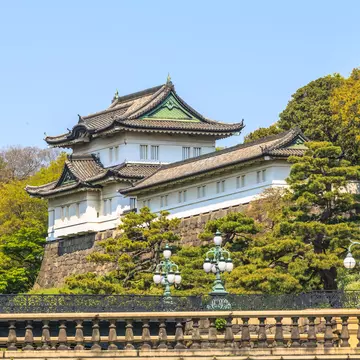
Higashi-gyōen is the only corner of the Imperial Palace proper that is regularly open to the public, and it makes for a pleasant retreat from the grinding hustle and bustle of Tokyo. Here you can get up-close-and-personal views of the massive stones used to build the castle walls, and even climb the ruins of one of the keeps, off the upper lawn. Although entry is free, the number of visitors at any one time is limited, so it never feels crowded. Entry here is through one of three gates: Ōte-mon on the east side and Hirakawa-mon and Kitahanebashi-mon on the north side. Most people enter through Ōte-mon, which is situated closest to Tokyo Station, and was the principal…
reviewed
-
O
Tokyo Tower
Tokyo Tower proves that Japan always has to one-up the competition. Tokyo's first TV broadcasting tower is a duplicate of Paris' Eiffel Tower; however, the orange-and-white behemoth stands at 333m – 13m higher than the icon of modernity in the City of Light. In the 1890s, Paris' steel tower was an emblem of the incoming age of machines and international progress, but Tokyo Tower, constructed over 60 years later, lacks the 'wow' impact that Eiffel achieved. Instead, the retro spire provides a strange old-school counterpoint to the ultramodern developments of Roppongi Hills and Tokyo Midtown nearby. Tokyo Tower is, however, quite the sight for sore eyes after dark – the…
reviewed
-
P
Kyūbey
If you can splurge on only one Tokyo sushi experience, make it this one. Established in 1936, Kyūbey’s quality and presentation have attracted a moneyed and celebrity clientele ever since, seeking incomparable quality and presentation. Go for broke with kaiseki (course menu, lunch/dinner from ¥10,500/15,750), or have it served on pottery by famed artisan Kitaoji Rosanjin for ¥31,500. Otherwise just peruse the Rosanjin exhibition on the restaurant’s 4th floor. Kyūbey continues to make headlines: in 2009, it bought at auction half of a single bluefin tuna that sold for a staggering ¥9.63 million (and sold single cuts of toro from it for ¥2000!).
reviewed
-
Q
Toyota Mega Web
Car fiends and kids can get behind the wheel of hybrid and electric cars at Toyota Mega Web, one of Toyota's company showrooms. Consult the website before cruising by, as opening hours can vary.
reviewed
-
R
Institute for Nature Study (Shizen Kyōiku-en)
Although the 200,000 sq metres of this land was the estate of a daimyō some six centuries ago and was the site of gunpowder warehouses in the early Meiji period, you’d scarcely know it now. Since 1949, this garden has been part of the Tokyo National Museum and aims to preserve the local flora in undisciplined profusion. There are wonderful walks through its forests, marshes and ponds, making this one of Tokyo’s least known and most appealing getaways. And there is a bonus: admission is limited to 300 people at any one time.
reviewed
Advertisement
-
S
Chinzan-Sō
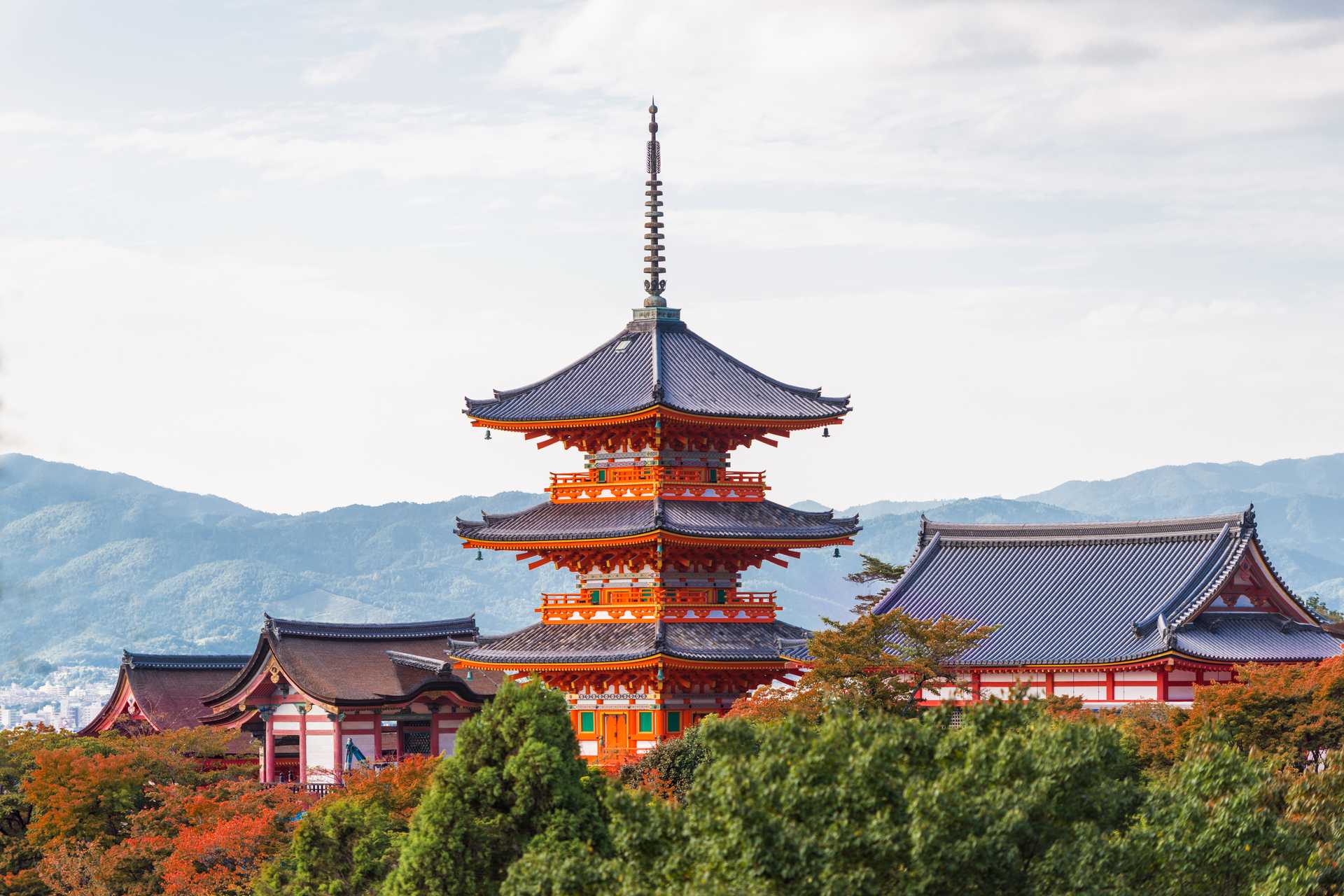
This lovely, hilly 66,000-sq-metre strolling garden was part of the estate of a Meiji-era politician and statesman, and lining its many pathways are a number of antiquities transported from all over Japan. Most notable is a 16.7m three-storey pagoda, estimated at nearly a millennium old, which was transported from the Hiroshima area, as well as lanterns, monuments and torii. We don’t particularly love the contemporary construction of hotels and wedding halls around it, but all that is forgotten in the garden’s lovely soba shop Mucha-an.
reviewed
-
T
Vinoteca
Quite possibly one of the hottest restaurants in the city at the time of writing, this inevitable crowd pleaser offers open-air dining overlooking the gardens of Tokyo Midtown. As these tables are some of the most in-demand seats in the capital, you would be wise to book in advance (in fact it's necessary) to ensure that you don't let down your better half.
Although true Italian connoisseurs may find fault in the slight Japan-isation of the menu, the food here is nevertheless spectacular, and the alfresco dining is arguably the city's best.
reviewed
-
U
Daiwa Sushi
Waits of over one hour are commonplace at Tsukiji's most famous sushi bar, but it's all worth it once you're past the noren (curtains) and your first piece of sushi hits the counter. Unless you're comfortable ordering in Japanese, the standard set (seven nigiri, plus maki and miso soup) is a good bet; there's a picture menu. Though the staff may be too polite to say so, you're expected to eat and run so others can partake in this quintessential Tsukiji experience.
reviewed
-
V
China Room
Located inside the world-famous Grand Hyatt Tokyo at Roppongi Hills, the China Room offers the most lavish and refined Chinese cuisine in the capital. From perfectly roasted Peking duck and fragrant shark-fin soup to rare oolong teas and handcrafted dumplings, the China Room is a feast for the senses that never fails to disappoint. In addition to widely known culinary classics, the China Room also offers rare Japanese seafood delicacies such as Niigata snow crab and Hokkaidō uni (sea urchin roe).
reviewed
-
Tokyo Dome Attractions
Tokyo Dome is surrounded by the amusement park Tokyo Dome Attractions with the usual assortment of coasters and spinners, as well as a healthy smattering of bars, restaurants and shops. If you don’t want to invest in an all-day pass offering access to all of the rides, tickets are available for individual rides (¥200 to ¥1000) with no additional admission charge. Check the website for extended hours.
reviewed