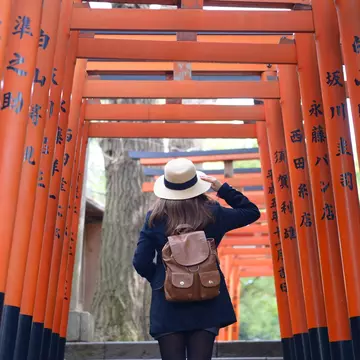
Japan
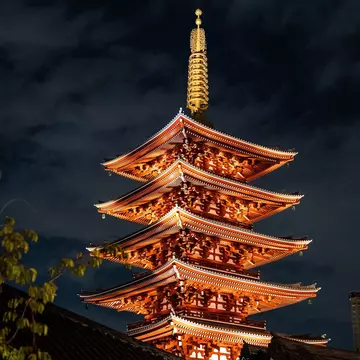
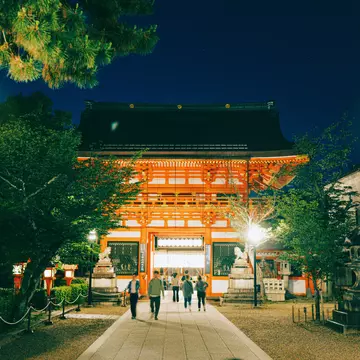
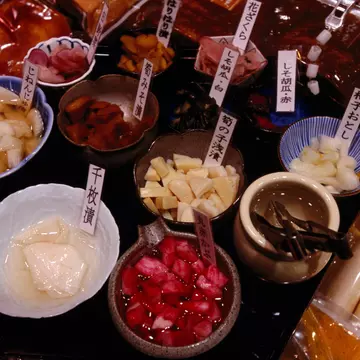
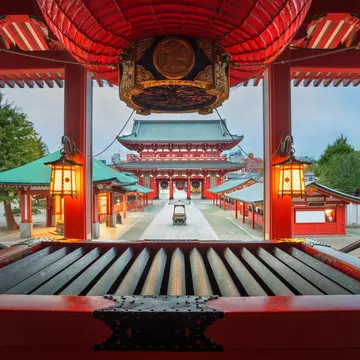
Japan is truly timeless, a place where ancient traditions fuse with modern life, as if it were the most natural thing in the world.
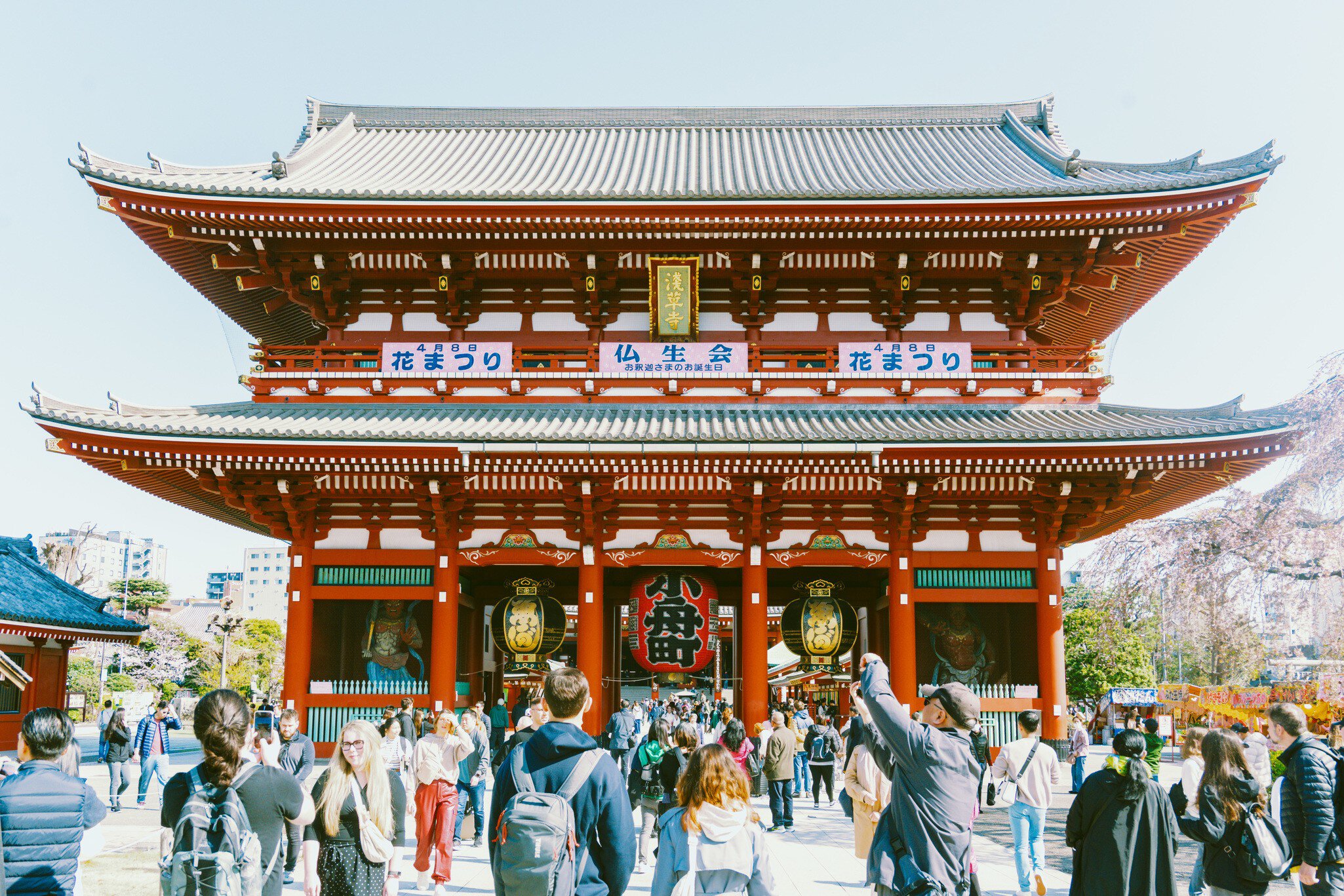
Rintaro Kanemoto for Lonely Planet
Latest Stories
- Jamie Ditaranto | Sep 30, 2026Japan Packing List: What to Pack by Season
- Selena Takigawa Hoy | Sep 29, 20265 Places Locals Want You to Visit in Japan
- Laura Studarus | Sep 29, 2026Meet the Women Keeping Japan’s Free-Diving Tradition Alive
- Rie Miyoshi | Sep 21, 2026A Guide to Okinawa, Japan
Book
Trip 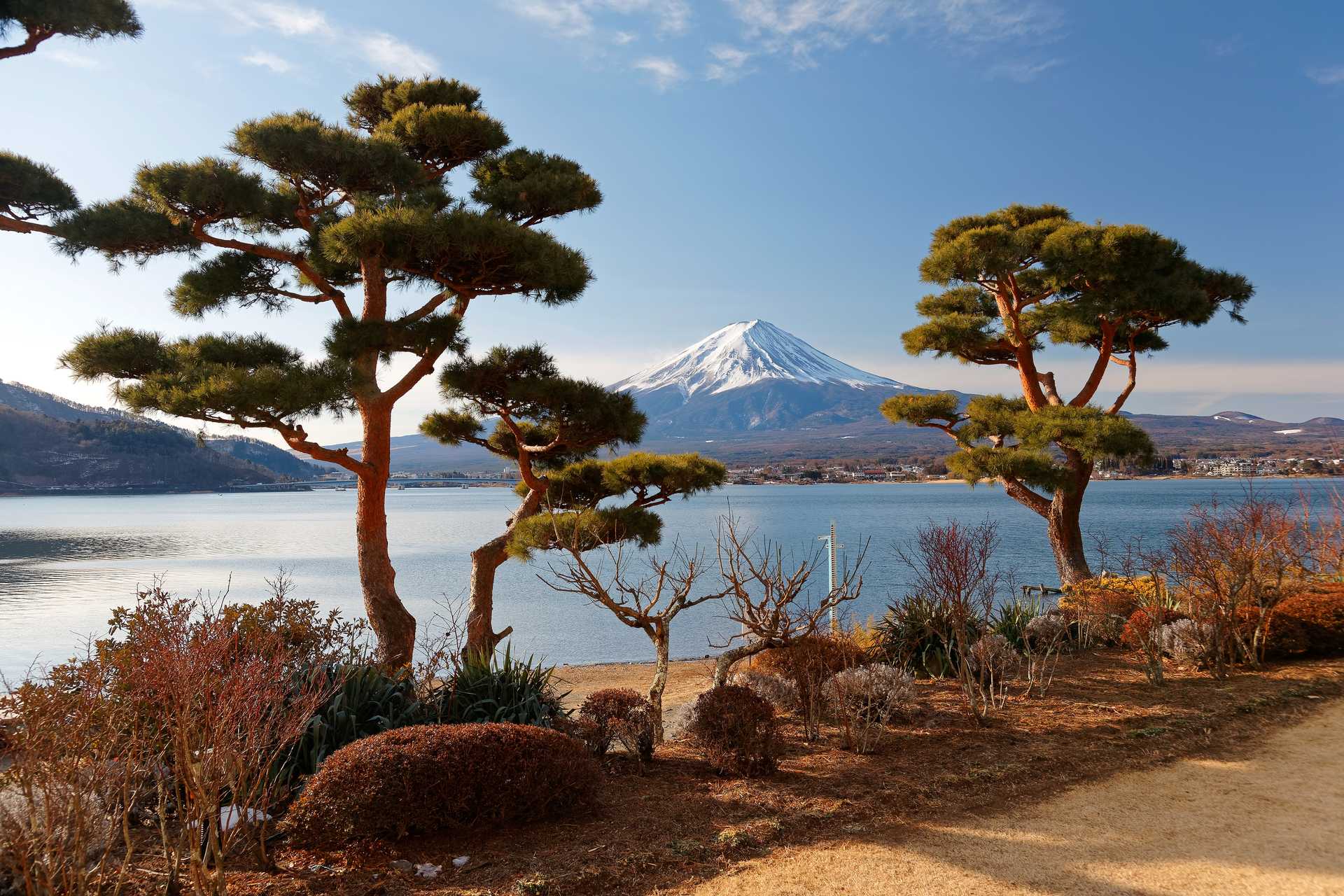
14 days / 13 nights
Japan: Japan’s Golden Route: Tokyo, Kanazawa, Kyoto, and Fuji in 14 Days
App

Book your Japan trip with Lonely Planet Journeys
See Japan how it's meant to be seen
Planned by local experts and tailored to you, Lonely Planet Journeys handles the logistics so you can just enjoy the trip. Tell us what you want and we'll build your Japan itinerary from scratch, or browse our bookable trips to get inspired.


Top places to visit in Japan
Discover the best attractions in Japan from must-see sights to unexpected hidden gems.
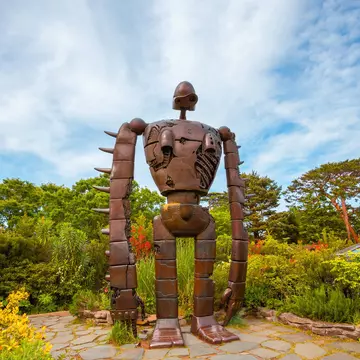
- Attraction in TokyoGhibli Museum, Mitaka
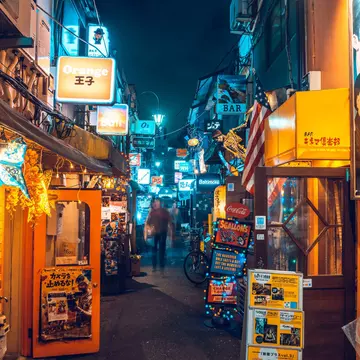
- Attraction in Shinjuku & Northwest TokyoGolden Gai
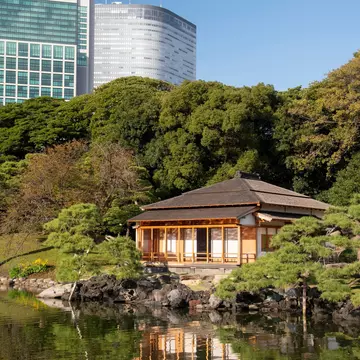
- Attraction in Ginza & TsukijiHama-Rikyū Onshi-Teien
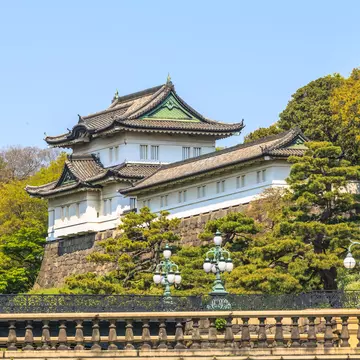
- Attraction in TokyoImperial Palace
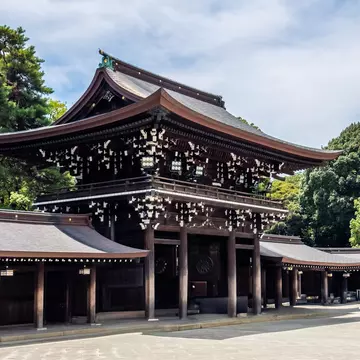
- Attraction in Harajuku & AoyamaMeiji-Jingū
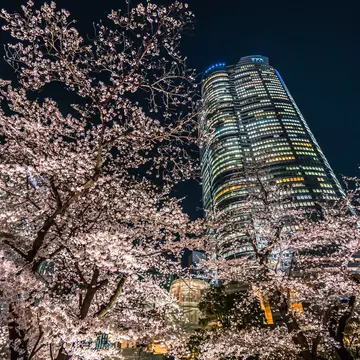
- Attraction in Roppongi, Akasaka & AroundRoppongi Hills
-
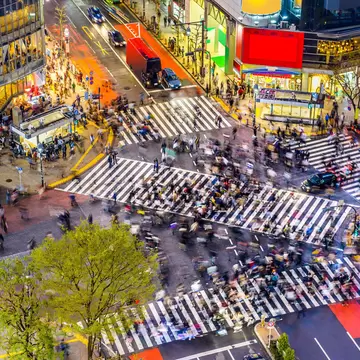
- Attraction in Shibuya & Shimo-KitazawaShibuya Crossing
Travel Guides
Japan travel tips from Lonely Planet experts
Find practical guidance from our team of contributors around the world who bring their decades of first-hand travel experience to your next trip.
Best Things to Do
From gorgeous temples, soothing onsen and Mt Fuji views to sushi feasts and sumo matches, these are experiences you can have in Japan – and nowhere else.
Read full article
Best Time to Visit
The changing seasons in Japan bring an incredible range of natural and cultural wonders. Here's how to pick the perfect time for your visit.
Read full article
Things to Know
There's a lot to take in on your first trip to Japan. Plan your travels with these expert tips on packing, local customs, staying safe and more.
Read full article
Transportation
Traveling from megacities to remote islands and across towering mountains can be daunting. This guide has all you need to know about getting around Japan.
Read full article
Best Road Trips
Japan has excellent roads, dramatic landscapes and exciting regions to discover. Here are the best 10 road trips for getting to know the country better.
Read full article
Money and Costs
See all of the temples, cities and landscapes in Japan with this guide on saving in a splurge-worthy destination.
Read full article
Traveling with Kids
Japan is a fantastically easy, fun and safe place to travel for families.
Read full article
Best Places to Visit
Have a memorable trip to Japan by visiting these top places.
Read full article
Get Connected
Want to use your phone in Japan? Here's what you need to know about cell service providers and wi-fi.
Read full article
Get a book. Get inspired. Get exploring.

in partnership with getyourguide
Book popular activities in Japan
Lonely Planet may earn a commission from affiliate links on our site. All recommendations and reviews reflect our own independent opinions.
Japan and beyond
- destinationTokyo
- destinationKyoto
- destinationDowntown Kyoto
- destinationAsakusa & Sumida River
-
 destinationRoppongi, Akasaka & Around
 - destinationGinza & Tsukiji
- destinationKōrakuen & Akihabara
- destinationUeno & Yanesen