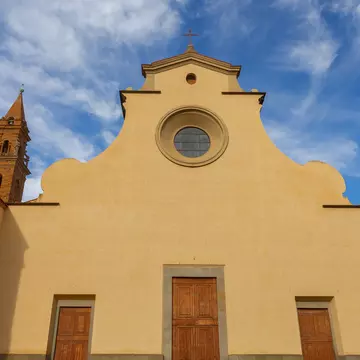
Florence
Cradle of the Renaissance, romantic, enchanting and utterly irresistible, Florence (Firenze) is a place to feast on world-class art and gourmet Tuscan cuisine.
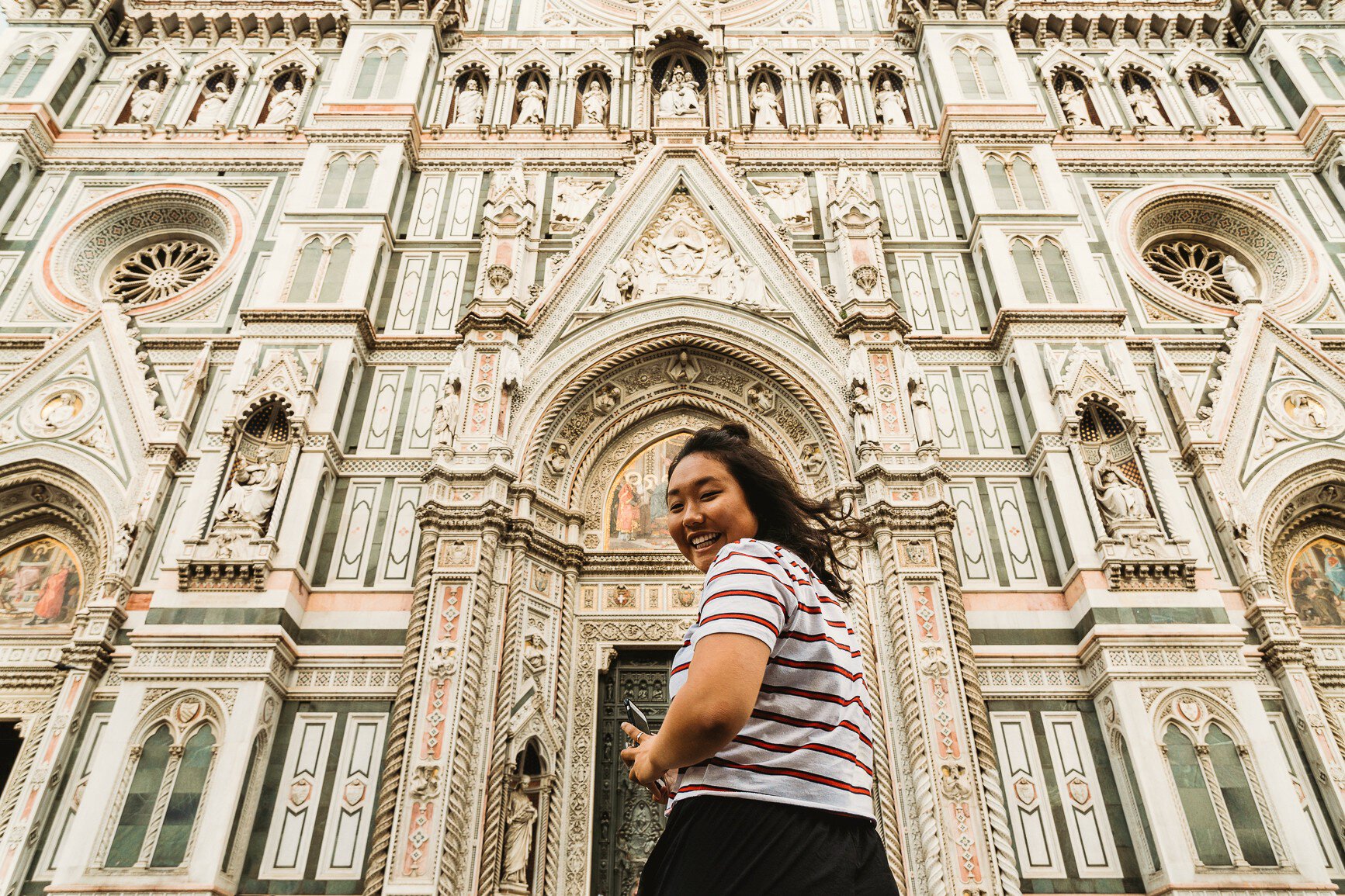
Studio Marmellata / Stocksy United
Latest Stories
- Angelo Zinna | Sep 14, 2026Where to Stay in Florence: Best Areas and Hotels
- Nicola Williams | Aug 21, 2026Art in Florence: The Must-See Masterpieces
- Angelo Zinna | Mar 6, 2026The Best Neighborhoods to Stay in Florence, Italy
- Angelo Zinna | Feb 13, 202610 Important Things to Know Before Visiting Florence
Book
Trip 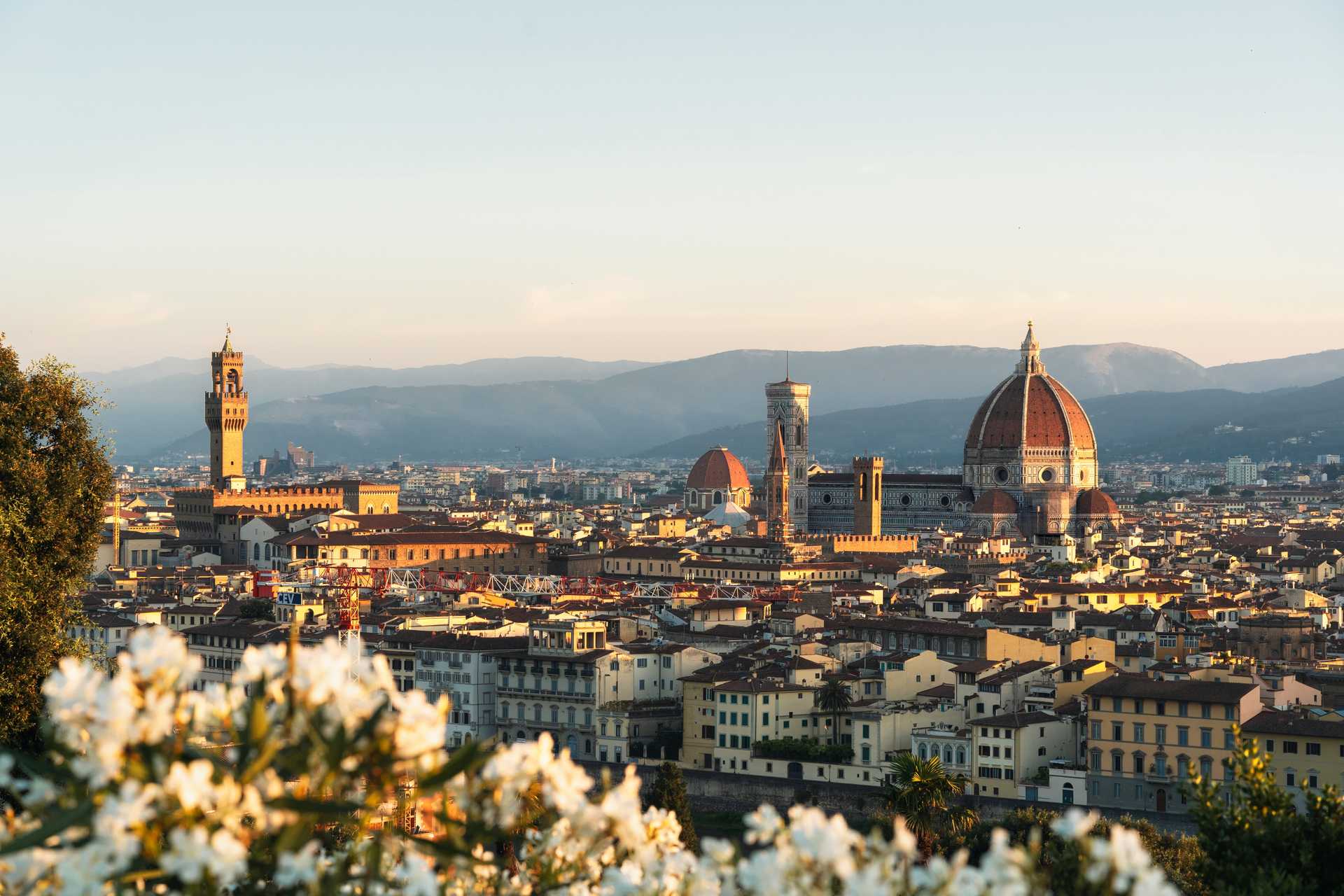
App

Book your Italy trip with Lonely Planet Journeys
See Italy how it's meant to be seen
Planned by local experts and tailored to you, Lonely Planet Journeys handles the logistics so you can just enjoy the trip. Tell us what you want and we'll build your Italy itinerary from scratch, or browse our bookable trips to get inspired.


Top places to visit in Florence
Discover the best attractions in Florence from must-see sights to unexpected hidden gems.
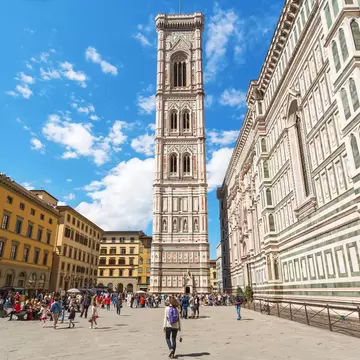
- Attraction in FlorencePiazza del Duomo
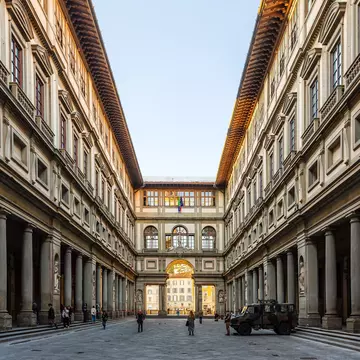
- Attraction in FlorenceGalleria degli Uffizi
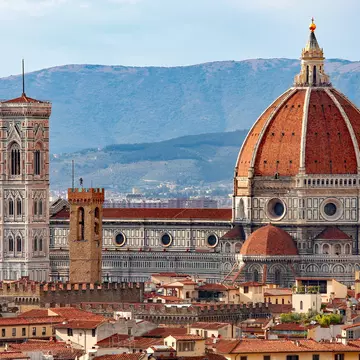
- Attraction in FlorenceCupola del Brunelleschi
- Attraction in FlorenceCampanile di Giotto
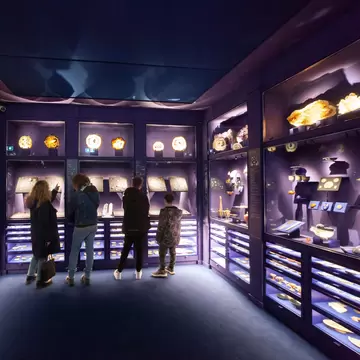
- Attraction in FlorenceMuseo di Storia Naturale La Specola
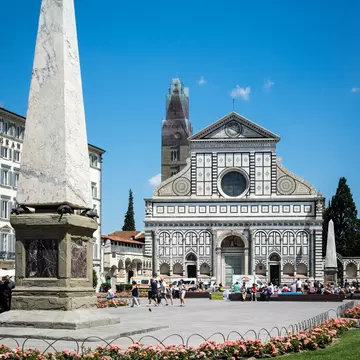
- Attraction in FlorenceBasilica di Santa Maria Novella
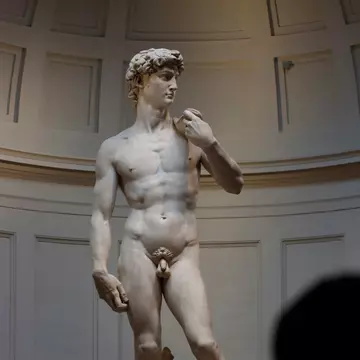
- Attraction in FlorenceGalleria dell’Accademia
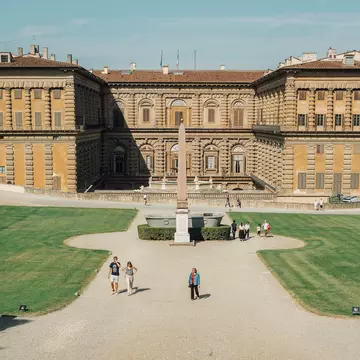
- Attraction in FlorencePalazzo Pitti
Travel Guides
Florence travel tips from Lonely Planet experts
Find practical guidance from our team of contributors around the world who bring their decades of first-hand travel experience to your next trip.
Best Things to Do
From masterpieces of Renaissance art to monumental gardens to the Medici's palaces, you'll find many attractions and delights in Florence.
Read full article
Best Time to Visit
Whether you're seeking trattoria-hopping, blooming gardens or arts and culture, we'll help you choose the perfect time for your trip.
Read full article
Things to Know
Careful advance planning is the key to getting the most out of your visit to the Tuscan capital. Here’s all you need to know before your trip to Florence.
Read full article
Transportation
The historic center of Florence is easy to navigate on foot. From bus to tram, here are our other tips for seeing more of the compact Italian city.
Read full article
Free Things to Do
Experience some of Florence's treasures for nothing with this guide to the city's best things to do for free.
Read full article
Best Neighborhoods
Find everything you need to know about the delightful districts across this stunning Renaissance city.
Read full article
Day Trips
Florence is a captivating city, but if you can tear yourself away, there are many great day trips to the wider region and beyond.
Read full article
5 Shops
From the Romanelli family's studio to the contemporary designs of Bottega Pendolare, Florence balances its rich history with vibrant, contemporary design.
Read full article
Spending Diaries
Three days of amazing art, Aperol spritzes and even a wedding proposal in Florence. All for under €500.
Read full article
Get a book. Get inspired. Get exploring.


in partnership with getyourguide
Book popular activities in Florence
Lonely Planet may earn a commission from affiliate links on our site. All recommendations and reviews reflect our own independent opinions.
Florence and beyond
- destinationOltrarno