Greece
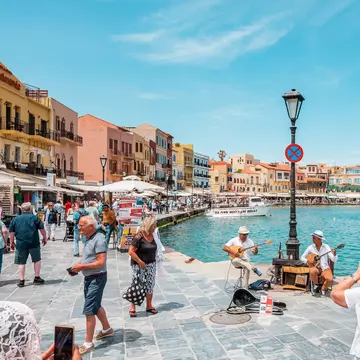
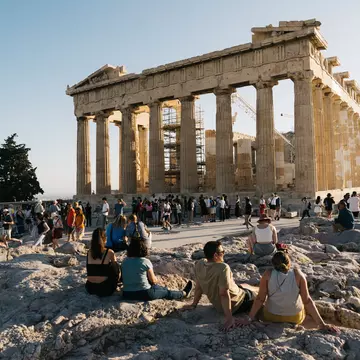
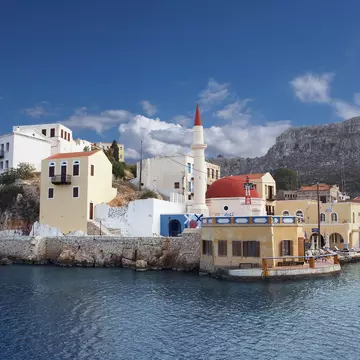
Greece is ancient sun-bleached ruins piercing blue skies, the balmy Aegean lapping an endless coastline and a culture alive with passionate music, wonderful cuisine and thrill-seeking activities.
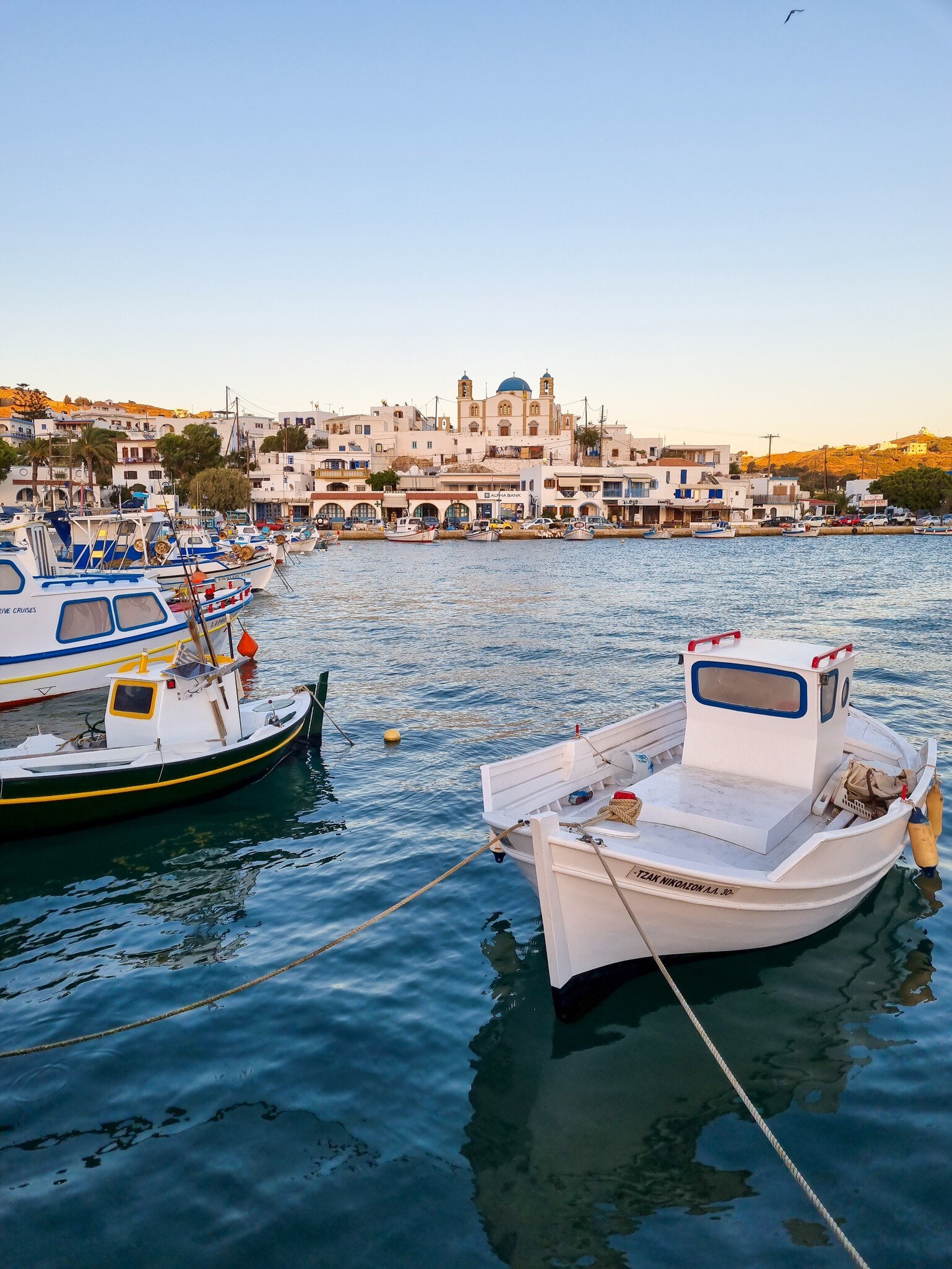
Aleksandar Rusev/Shutterstock
Latest Stories
- Helen Iatrou | Sep 20, 2026A Guide to Diving in Greece: Everything you Need to Know
- Helen Iatrou | Sep 19, 202610 Best Places to Visit in Greece
- Alexis Averbuck | Sep 9, 202616 Best Things to Do in Greece
- Caterina Hrysomallis | Aug 28, 2026How to Plan an Offseason Trip to Greece
Book
Trip 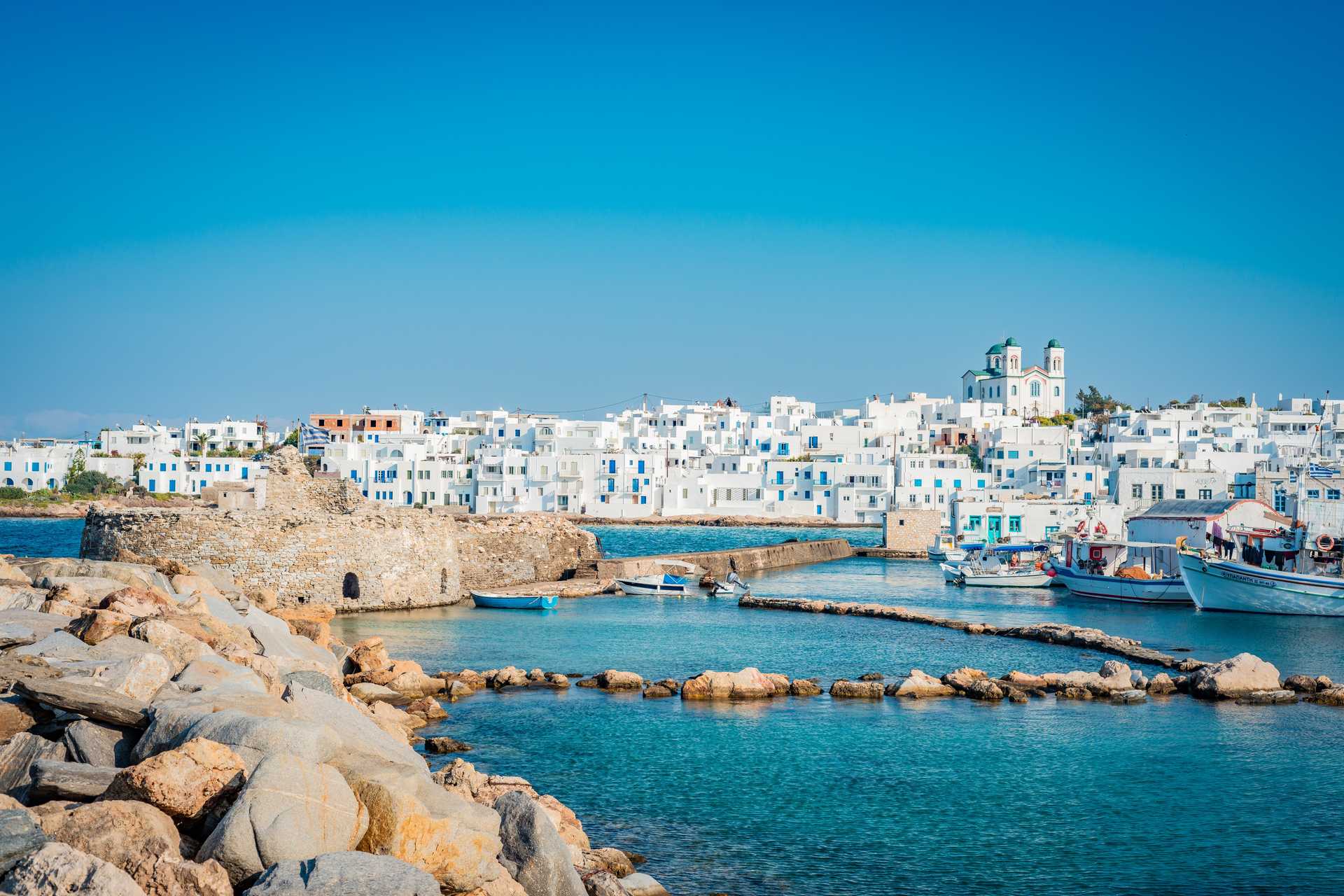
App

Book your Greece trip with Lonely Planet Journeys
See Greece how it's meant to be seen
Planned by local experts and tailored to you, Lonely Planet Journeys handles the logistics so you can just enjoy the trip. Tell us what you want and we'll build your Greece itinerary from scratch, or browse our bookable trips to get inspired.


Top places to visit in Greece
Discover the best attractions in Greece from must-see sights to unexpected hidden gems.
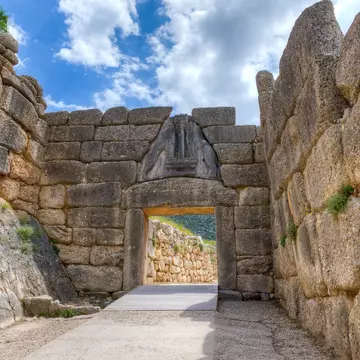
- Attraction in GreeceAncient Mycenae
-
- Attraction in AthensNational Archaeological Museum
- Attraction in AthensThe Acropolis
- Attraction in AthensAcropolis Museum
- Attraction in AthensAncient Agora
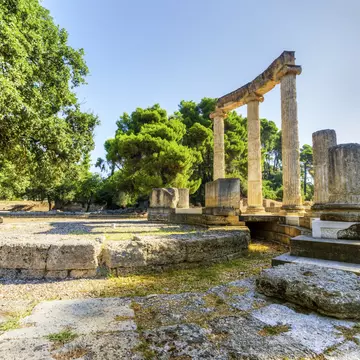
- Attraction in GreeceAncient Olympia
- Attraction in IraklioHeraklion Archaeological Museum





Travel Guides
Greece travel tips from Lonely Planet experts
Find practical guidance from our team of contributors around the world who bring their decades of first-hand travel experience to your next trip.
Best Things to Do
Beyond its glorious beaches, Halkidiki invites visitors to explore its pine-scented forests and ancient origins.
Read full article
Best Time to Visit
Whether you’re dreaming of Mediterranean beaches, ancient allure, or buzzing city life, these are the best times to visit Greece.
Read full article
Things to Know
Before you set off for dreamy Greece, read our tips to help you with planning your trip, and navigating the country once you arrive.
Read full article
Transportation
Moving about the Greek mainland and islands requires a smart balance of flights, ferries, driving, buses, trains and more.
Read full article
Best Road Trips
Greece is meant for exploring, and not just by ferry. When you travel by motor vehicle, there's a wealth of history, culture and, yes, beaches to savor.
Read full article
Money and Costs
How to save money on a trip to Greece with cheap flights, ferries, trains and buses. Plus, how to get the best deal on hotels, food and drinks.
Read full article
Traveling with Kids
Greece is a wonderful family-friendly destination and the locals adore kids. Here's everything you need to know to make your family vacation perfect.
Read full article
Accessibility
Travelers with mobility issues can count on a summer vacation in Greece, now that the country has pledged to make hundreds of its beaches accessible.
Read full article
Get a book. Get inspired. Get exploring.

in partnership with getyourguide
Book popular activities in Greece
Lonely Planet may earn a commission from affiliate links on our site. All recommendations and reviews reflect our own independent opinions.
Greece and beyond
- destinationCrete
- destinationAthens
- destinationSyntagma & Plaka
- destinationGreek Islands
- destinationCyclades
- destinationDodecanese
-
 destinationNorthern Greece
 - destinationNortheastern Aegean Islands