France
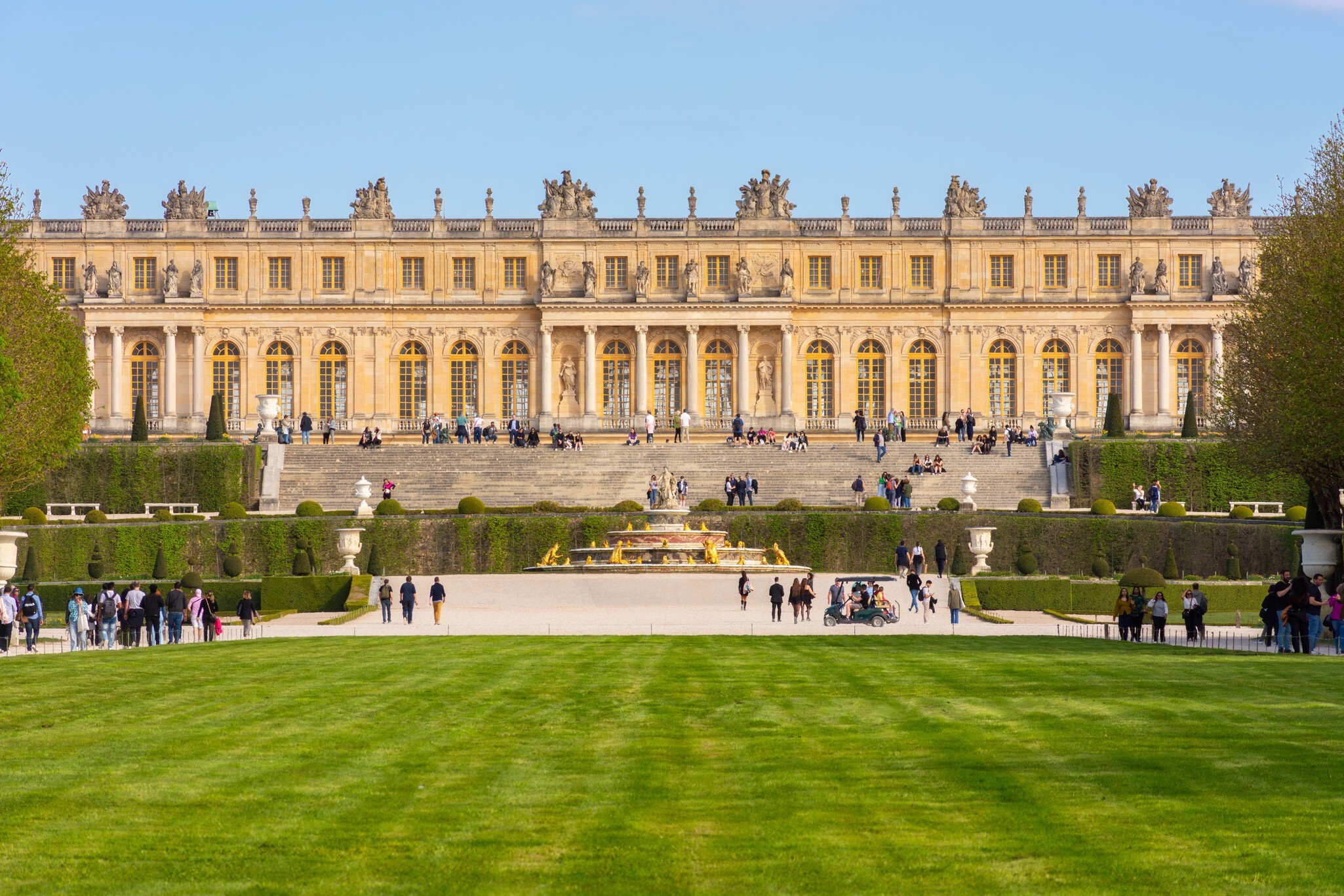
France seduces travelers with iconic landmarks and cafe terraces, epic history and bustling village life. Experiences - and cuisine - to be savored.
Mistervlad/Shutterstock
Latest Stories
- Chrissie McClatchie | Sep 20, 2026Guide to the Route Napoléon in France
- Christina Mackenzie | Aug 11, 20267 of the Best Places to Visit in Central France
- Anna Richards | Jul 23, 2026The Prettiest Villages to Visit in France
- Nicola Williams | Jul 13, 2026How to Get Around in France
Book
Trip 
App

Book your France trip with Lonely Planet Journeys
See France how it's meant to be seen
Accommodations, activities and ground transportation all taken care of, so you can focus on the fun part. Tell us what your dream trip to France looks like, and our local experts will build it from scratch. Or start with one of our itineraries and make it your own.

Top places to visit in France
Discover the best attractions in France from must-see sights to unexpected hidden gems.
- Attraction in ParisSacré-Coeur Basilica
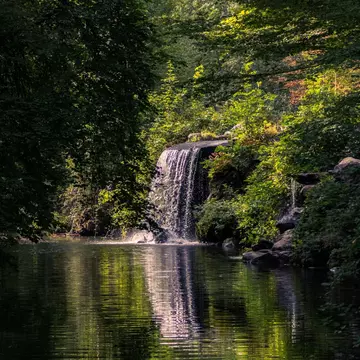
- Attraction in ParisBois de Vincennes
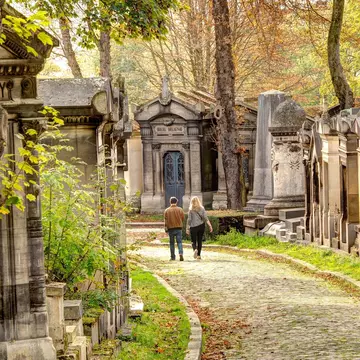
- Attraction in ParisCimetière du Père Lachaise
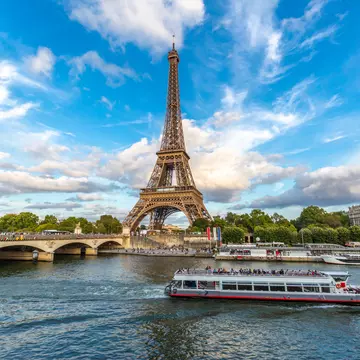
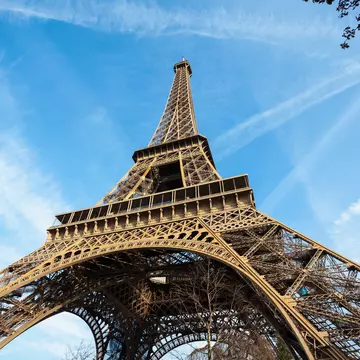
- Attraction in ParisEiffel Tower
- Attraction in ParisLes Catacombes
- Attraction in St-Germain & Les InvalidesMusée d'Orsay
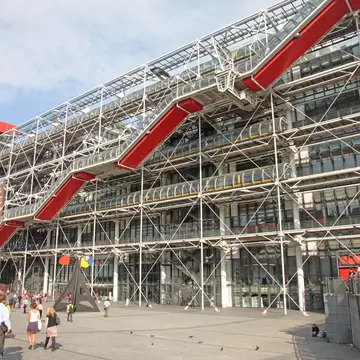
- Attraction in ParisCentre Pompidou
- Attraction in ParisBois de Boulogne


Travel Guides
France travel tips from Lonely Planet experts
Find practical guidance from our team of contributors around the world who bring their decades of first-hand travel experience to your next trip.
Best Things to Do
(Warning: this article will make you want to book a trip.)
Read full article
Best Time to Visit
Fantastic France has something to offer travelers every month of the year. Here’s a full season-by-season guide.
Read full article
Things to Know
It's easy to assume familiarity in France, where it's ubiquitous in art and cinema. Here's the inside track on travel advice only French locals can give.
Read full article
Transportation
From cycling to catching trains, buses and river barges, here's everything you need to know about getting around in France.
Read full article
Best Road Trips
Explore France by car with our favorite road-tripping routes.
Read full article
Money and Costs
Visiting France doesn't have to be a luxury bucket list item. These handy tips make traveling there (and enjoying it ) approachable at any budget.
Read full article
Traveling with Kids
France serves up a grand buffet of things to see and do for families. Here's what you need to know if you're traveling to France with kids.
Read full article
Best Places to Visit
You can admire them from afar, but for full immersion in France's châteaux, nothing beats staying the night and dining like royalty.
Read full article
Get a book. Get inspired. Get exploring.
in partnership with getyourguide
Book popular activities in France
Lonely Planet may earn a commission from affiliate links on our site. All recommendations and reviews reflect our own independent opinions.
France and beyond
- destinationProvence & the Côte d'Azur
- destinationParis
- destinationBrittany & Normandy
- destinationSt-Germain & Les Invalides
- destinationBordeaux
- destinationLe Marais, Ménilmontant & Belleville
- destinationNice
- destinationLatin Quarter