England
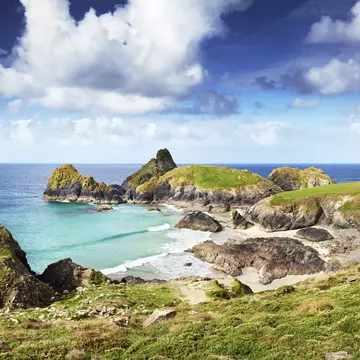
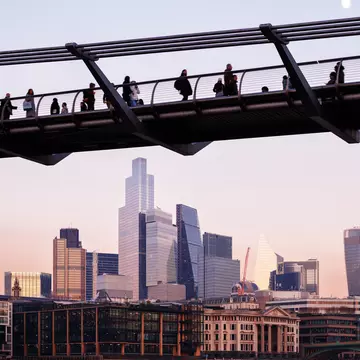
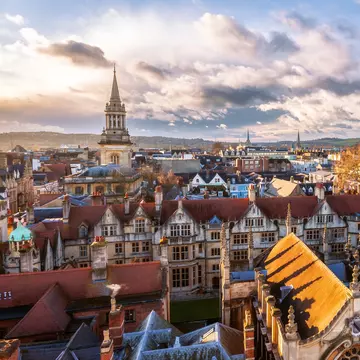
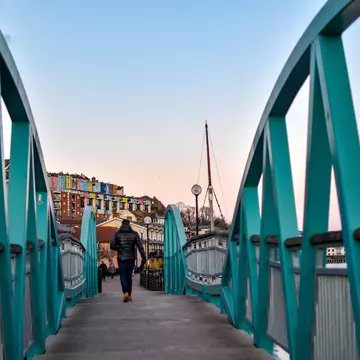
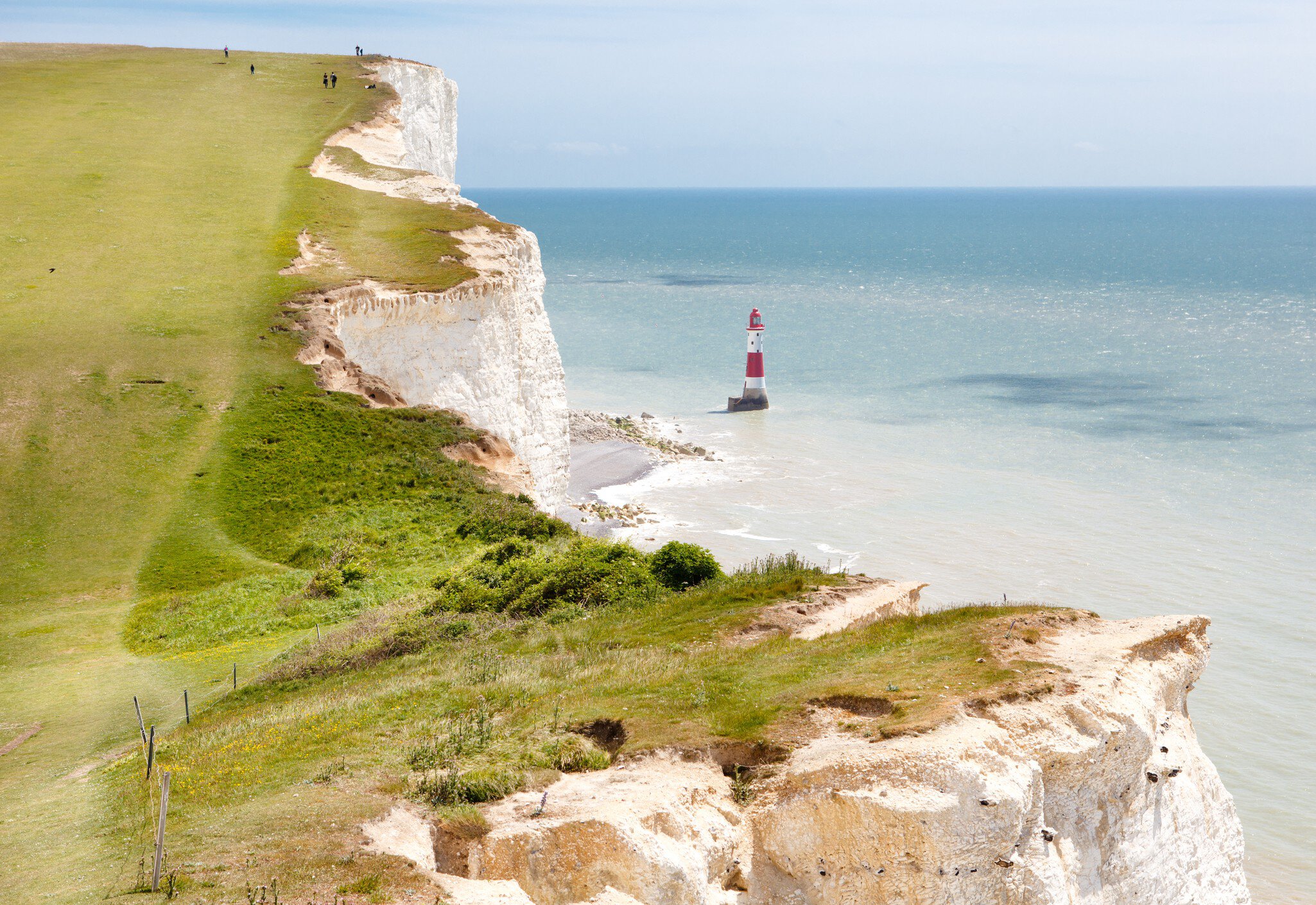
This green and pleasant land, this sceptred isle, this crucible of empire and pioneer of parliamentary democracy: England is eccentric and endlessly intriguing.
Lilly Trott/Shutterstock
Latest Stories
- Teja Lele | Aug 13, 2026The Top 10 Places in England for Literature Lovers
- James March | Jul 31, 2026The 18 Best Places to Visit in England
- Leyla Rose | Jul 30, 2026Discover the Joy of Steam on the North Yorkshire Moors Railway, England
- Joe Bindloss | Jul 14, 2026How to Experience Football in England like a Local
Book
Trip 
12 days / 11 nights
12 Days Southwest England: Bansky's Bristol, Cornwall, and Coastal Britain
App


Trusted Partner
Dreaming of England? Protect your trip
Travel with confidence. Protect your trip and your wallet.
We don’t represent World Nomads, we receive a fee from quotes using this link. This is not a recommendation to buy travel insurance.
Book your England trip with Lonely Planet Journeys
See England how it's meant to be seen
Accommodations, activities and ground transportation all taken care of, so you can focus on the fun part. Tell us what your dream trip to England looks like, and our local experts will build it from scratch. Or start with one of our itineraries and make it your own.

Top places to visit in England
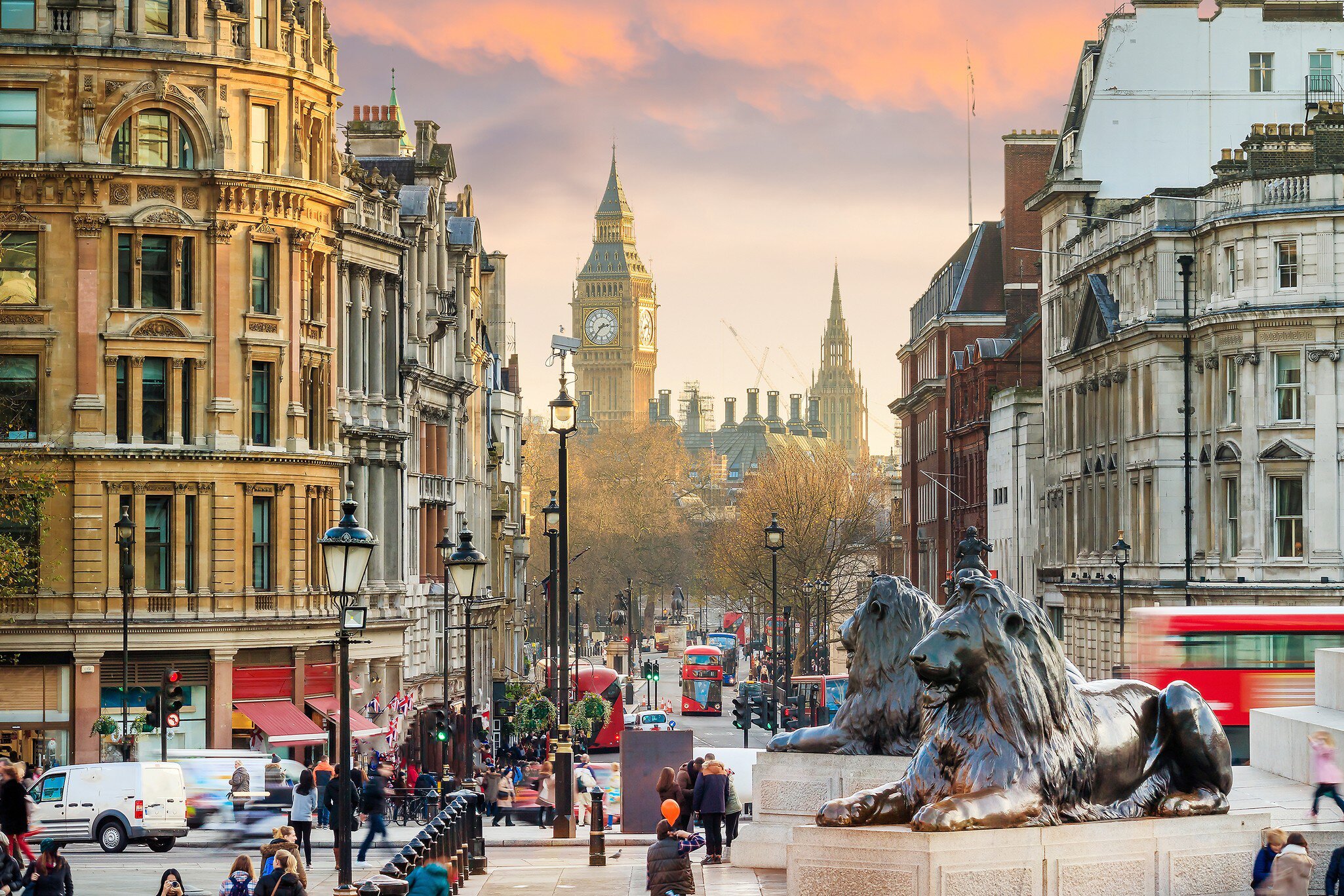
Discover the best attractions in England from must-see sights to unexpected hidden gems.
- Attraction in North LondonCamden Market
- Attraction in CambridgeFitzwilliam Museum
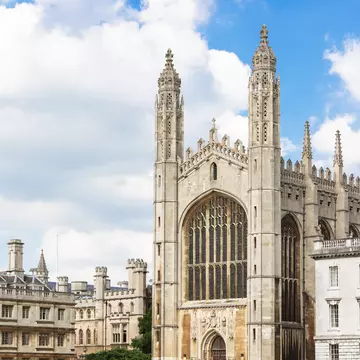
- Attraction in CambridgeKing's College Chapel
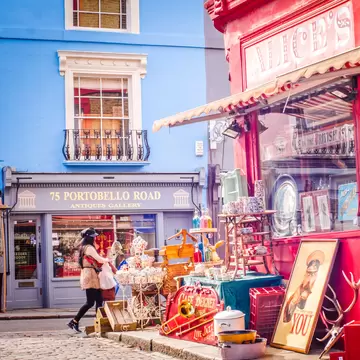
- Attraction in Notting Hill & West LondonPortobello Road Market
- Attraction in CambridgeTrinity Hall College
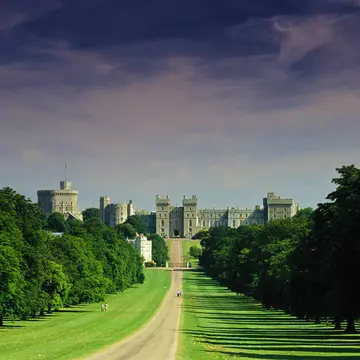
- Attraction in Windsor & EtonWindsor Castle
- Attraction in The West EndBritish Museum
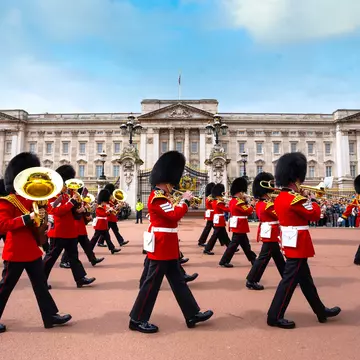
- Attraction in The West EndBuckingham Palace



Travel Guides
England travel tips from Lonely Planet experts
Find practical guidance from our team of contributors around the world who bring their decades of first-hand travel experience to your next trip.
Best Things to Do
Home to beautiful beaches, quiet wetlands and tons of history, East Anglia should really be better known than it is – here are the best things to do.
Read full article
Best Time to Visit
England packs a lot into its pint-sized shores. Time your visit just right for the best experience.
Read full article
Things to Know
England is famous worldwide, yes — but you shouldn’t think you know everything before you go. Here are essential tips before your next trip to England.
Read full article
Transportation
With info on everything from car hire to train tickets, ferries to coach services, here's what you need to know to travel around in England.
Read full article
Best Road Trips
Be inspired by these road trips across England to take a multiday drive through gorgeous landscapes, quaint villages and along epic coastlines.
Read full article
Money and Costs
Is it possible to explore England on a budget? It is with these top money-saving tips.
Read full article
Traveling with Kids
From visiting zoos and theme parks to exploring the countryside and coastline, here are the best things to do with babies, toddlers, tweens or teens.
Read full article
Best Places to Visit
Plan your travels around England with these top cities, regions and sites to visit.
Read full article
Accessibility
England is a spectacular showcase of some the world's finest attractions, both natural and manmade. For many with limited mobility or another disability,…
Read full article
Get a book. Get inspired. Get exploring.

in partnership with getyourguide
Book popular activities in England
Lonely Planet may earn a commission from affiliate links on our site. All recommendations and reviews reflect our own independent opinions.
England and beyond
- destinationDevon & Cornwall
- destinationLondon
- destinationThe West End
- destinationNorth London
- destinationOxford
- destinationClerkenwell, Shoreditch & Spitalfields
- destinationKensington & Hyde Park
- destinationBristol