Canada
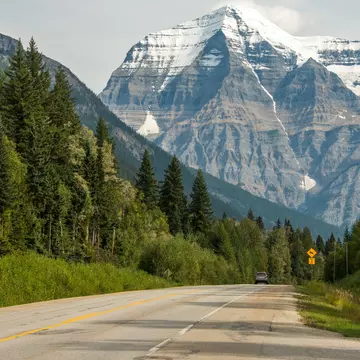
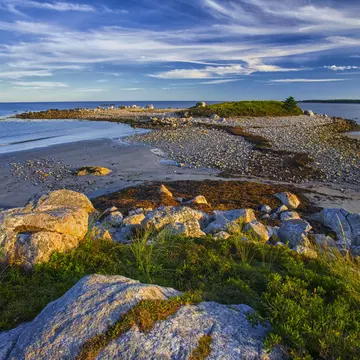
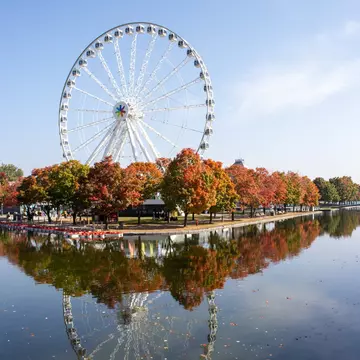
Canada is more than its hulking-mountain, craggy-coast good looks: it also cooks extraordinary meals, rocks cool culture, and unfurls wild, moose-spotting road trips.
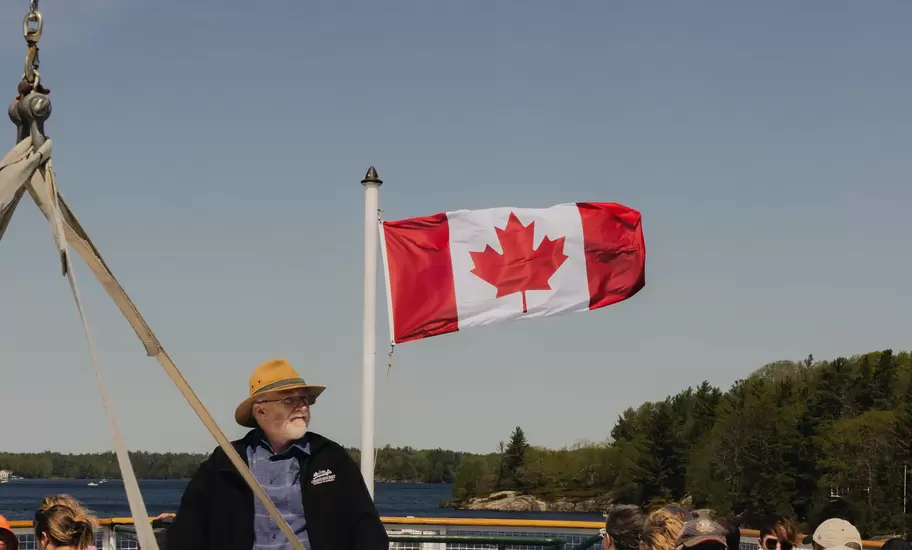
Rhia Hylton/Lonely Planet
Latest Stories
- Joe Bindloss | Sep 27, 2026Taking the Train from Toronto to Montréal (What You Need to Know)
- Bianca Bujan | Jul 15, 202615 Best Places to Visit in Canada
- Jennifer Bain | May 9, 202615 Most Beautiful Places to Visit in Canada
- Brendan Sainsbury | May 6, 20267 of Canada’s Best Road Trips
Book
Trip 
App


Trusted Partner
Dreaming of Canada? Protect your trip
Travel with confidence. Protect your trip and your wallet.
We don’t represent World Nomads, we receive a fee from quotes using this link. This is not a recommendation to buy travel insurance.
Book your Canada trip with Lonely Planet Journeys
See Canada how it's meant to be seen
Accommodations, activities and ground transportation all taken care of, so you can focus on the fun part. Tell us what your dream trip to Canada looks like, and our local experts will build it from scratch. Or start with one of our itineraries and make it your own.

Top places to visit in Canada
Discover the best attractions in Canada from must-see sights to unexpected hidden gems.
- Attraction in Québec CityMusée de la Civilisation
- Attraction in Old MontréalBasilique Notre-Dame
- Attraction in VancouverCapilano Suspension Bridge Park
- Attraction in TorontoCN Tower
- Attraction in AlbertaColumbia Icefield
- Attraction in VancouverGranville Island Public Market
- Attraction in MontréalMusée des Beaux-Arts de Montréal
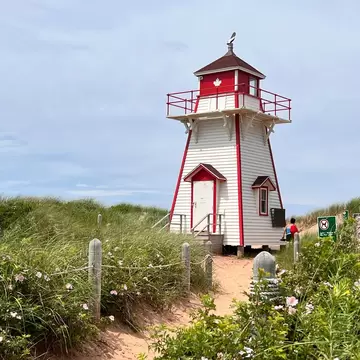
- Attraction in CanadaPrince Edward Island National Park





Travel Guides
Canada travel tips from Lonely Planet experts
Find practical guidance from our team of contributors around the world who bring their decades of first-hand travel experience to your next trip.
Best Things to Do
Canada offers a range of exciting treats, from historical sites to summer festivals to wild rivers. We narrow down our top 12 for you.
Read full article
Best Time to Visit
From outdoor summer excursions to spring festivals to winter fun, Canada merits a visit in any season. Here’s your full guide.
Read full article
Things to Know
First-time visitors will benefit from these tips on planning, etiquette and health and safety as they plan their trips to Canada.
Read full article
Transportation
Crossing Canada’s vastness might seem like a daunting challenge – and it can be. Our guide to getting around the country will help.
Read full article
Best Road Trips
Massive glaciers, spectacular fauna, raw coastline and uncompromising wilderness you'll find only in northern climes.
Read full article
Traveling with Kids
Canada offers an abundance of wide open spaces and bustling metropolitan areas that are sure to surprise and delight the kids who visit - and their parents.
Read full article
Best Places to Visit
Canada’s breathtaking mountains, lively cities and natural wonders thrill throughout the year. Here are 15 of the best places to visit.
Read full article
Get a book. Get inspired. Get exploring.
in partnership with getyourguide
Book popular activities in Canada
Lonely Planet may earn a commission from affiliate links on our site. All recommendations and reviews reflect our own independent opinions.
Canada and beyond
- destinationBritish Columbia & The Canadian Rockies
-
- destinationVancouver
- destinationToronto
- destinationMontréal
-
 destinationBanff & Jasper National Parks
 - destinationQuébec City
- destinationOld Montréal