© Stocksy
Bolivia
Superlative in its natural beauty, rugged, vexing, complex and slightly nerve-racking, Bolivia is one of South America’s most diverse and intriguing nations.
Leave the planning to a local expert
Experience the real Bolivia. Let a local expert handle the planning for you.
Get startedAttractions
Must-see attractions
Santa Cruz & Gran Chiquitania
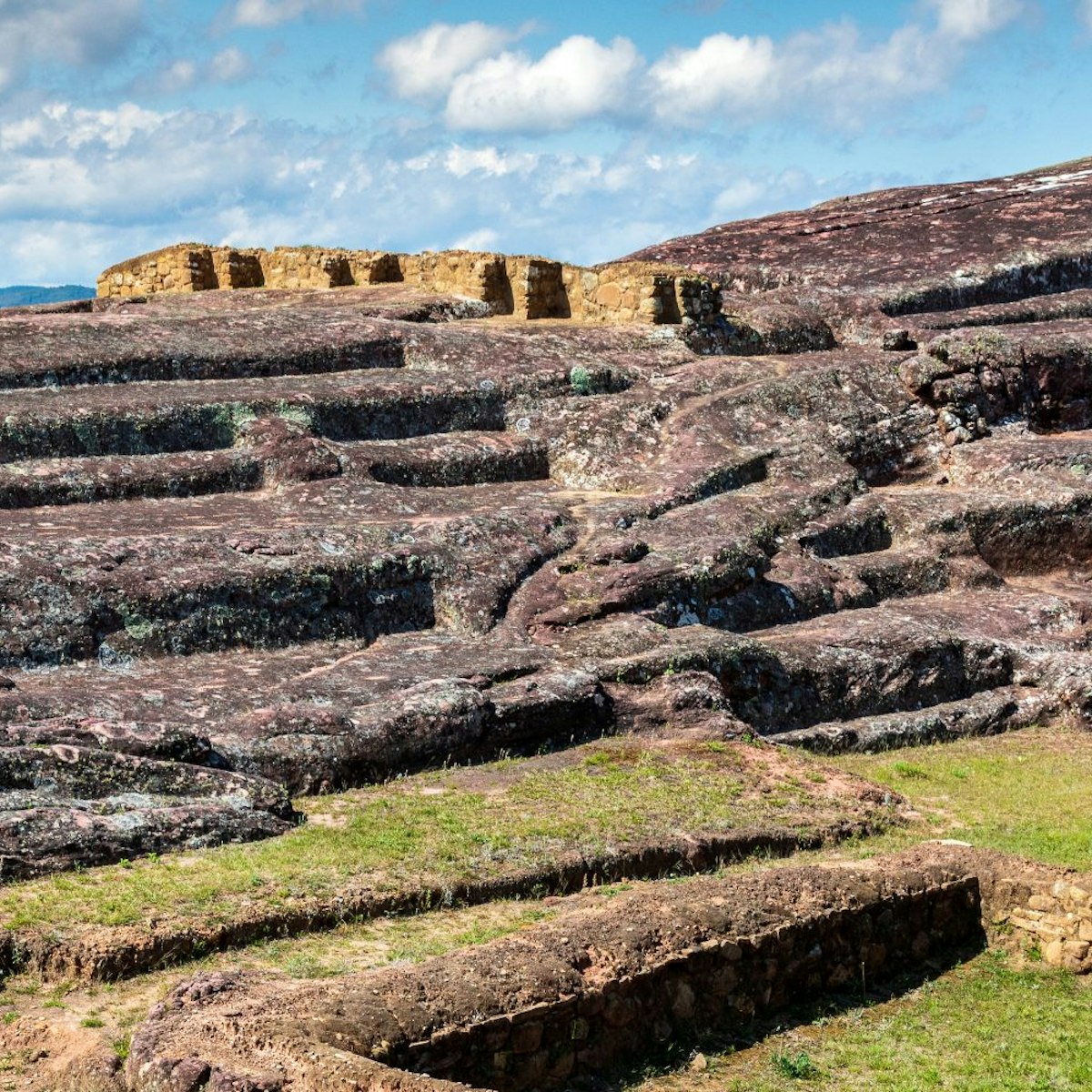
The mystical site of El Fuerte exudes such pulling power that visitors from all over the world come to Samaipata just to climb the hill and see the…
Potosí
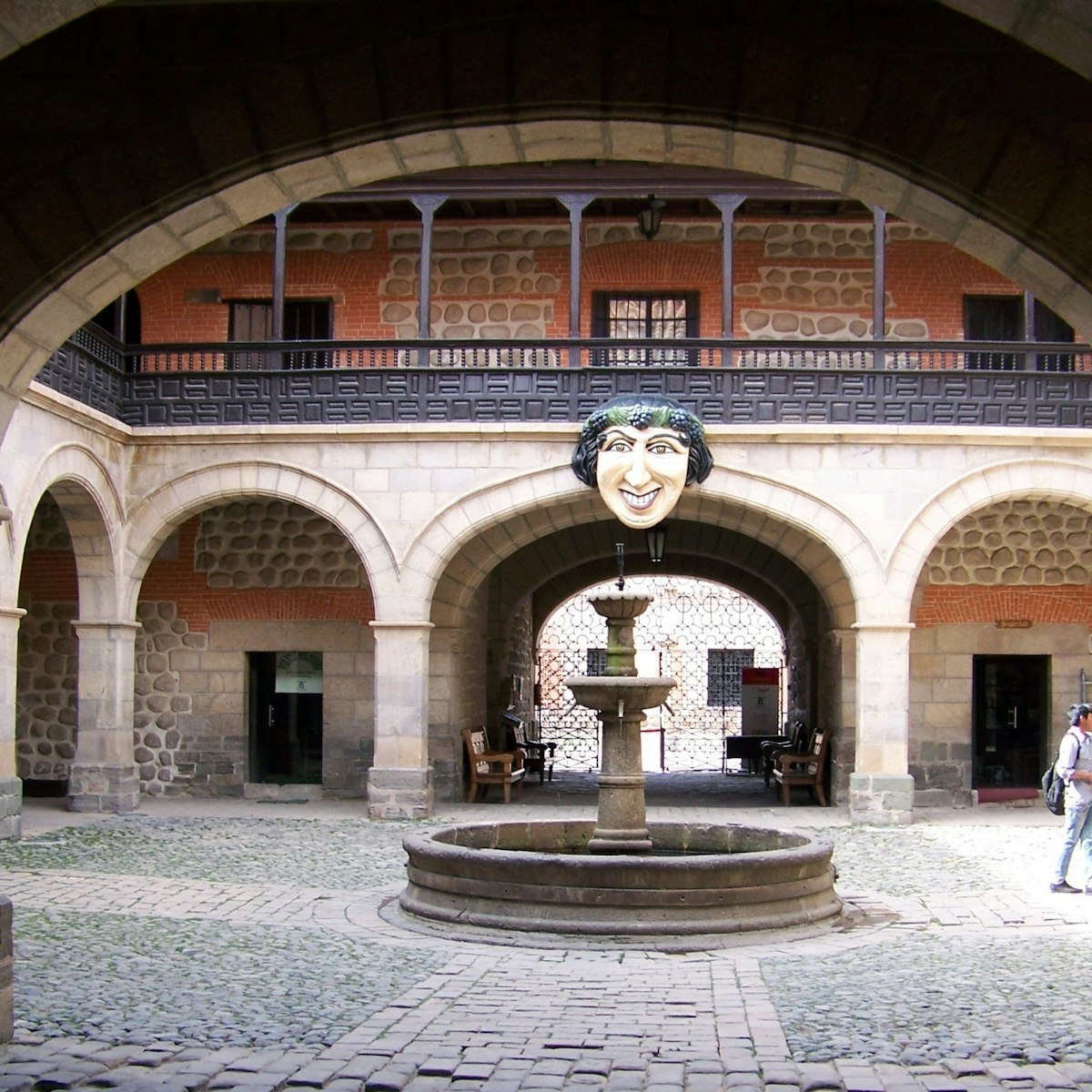
The National Mint is Potosí’s star attraction and one of South America’s finest museums. Potosí’s first mint was constructed on the present site of the…

Tarija
The riverfront hacienda of former Bolivian president Jaime Paz Zamora was designed by Zamora himself as his own version of Gabriel García Márquez' Macondo…
La Paz
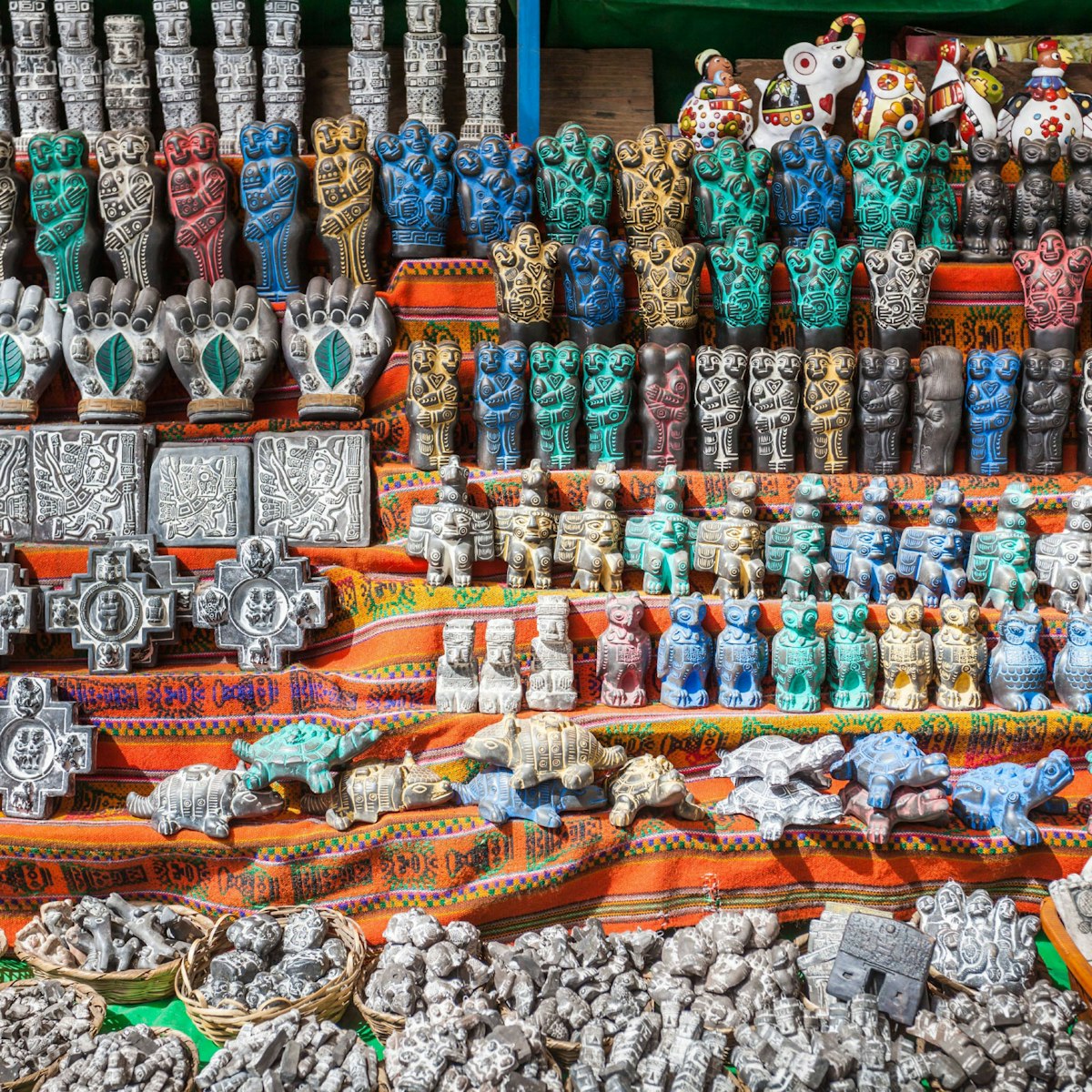
The city’s most unusual market lies along Calles Jiménez and Linares between Sagárnaga and Av Mariscal Santa Cruz, amid lively tourist artesanías (stores…
Bolivia
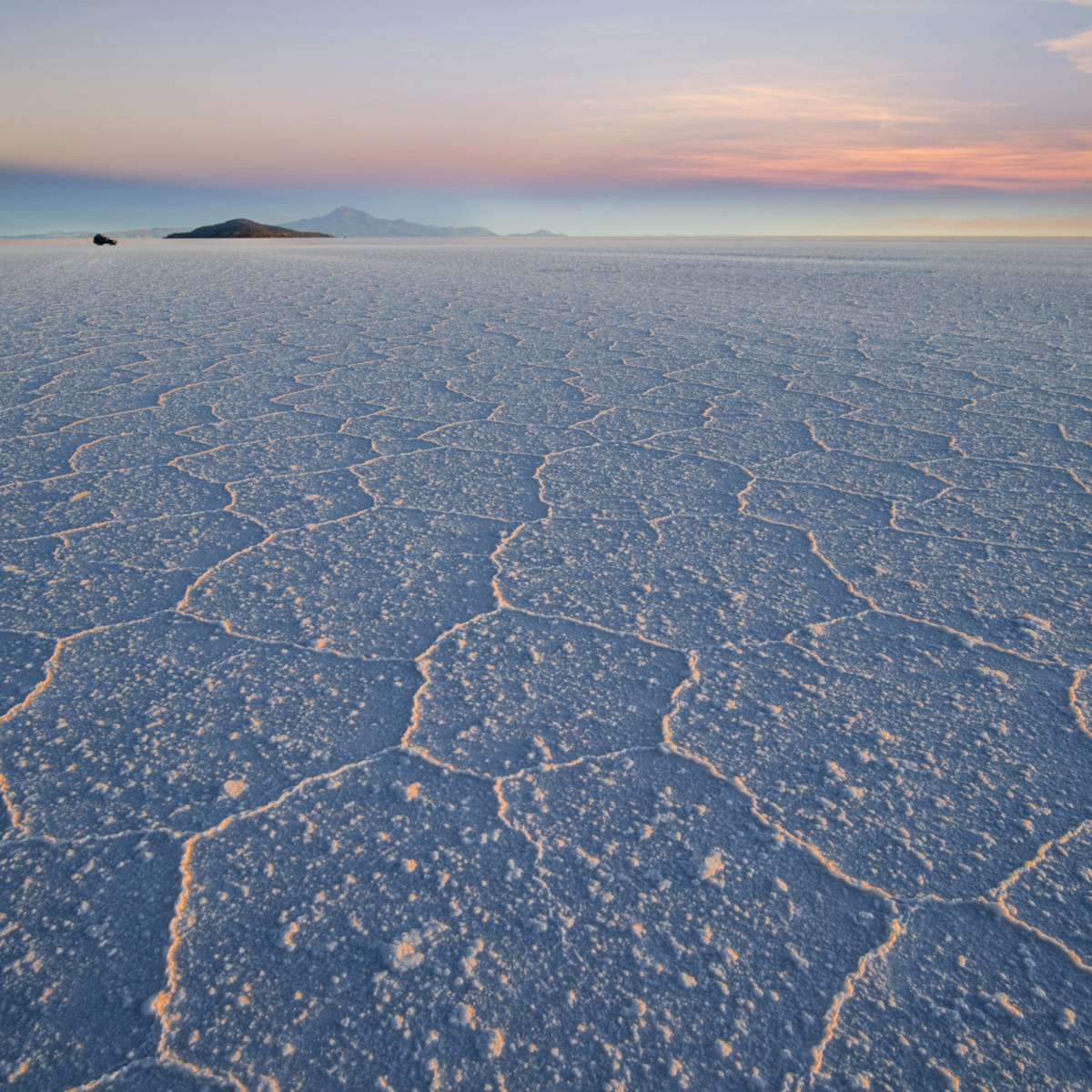
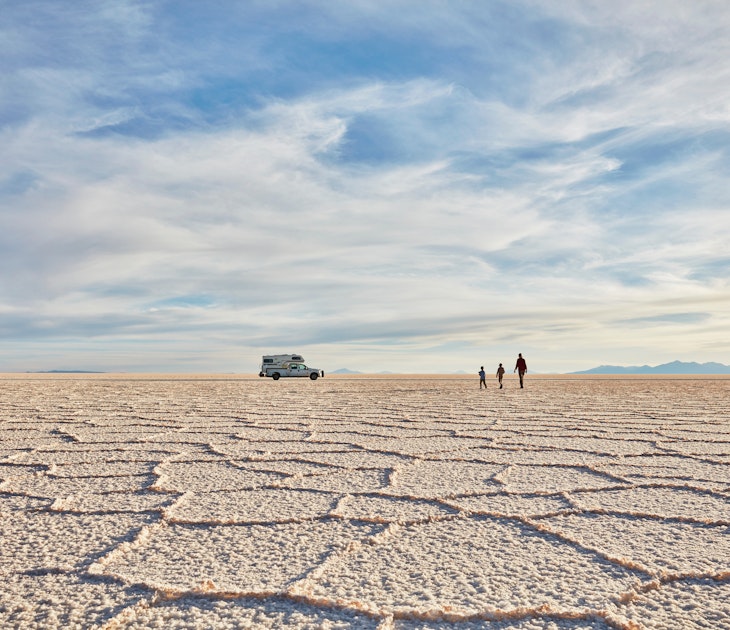
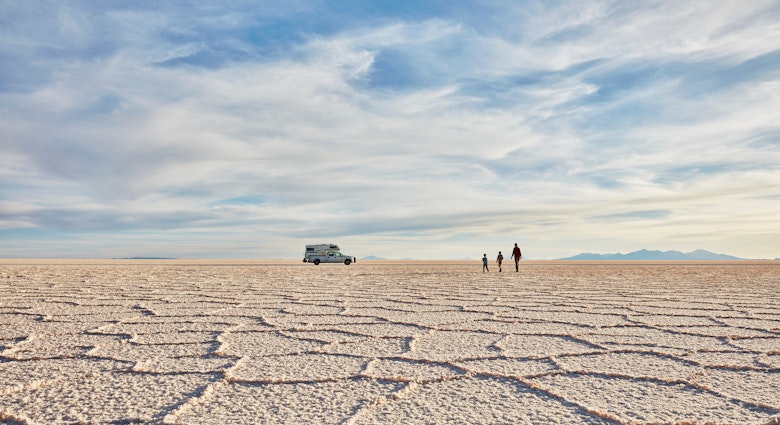
The world's largest salt flat sits at a lofty 3653m (11,985ft) and blankets an amazing 12,000 sq km (4633 sq miles). It was part of a prehistoric salt…
Bolivia
As you might have guessed from the dinosaur figure in the plaza or the dinosaur head sticking out of city hall, Torotoro has become synonymous with…
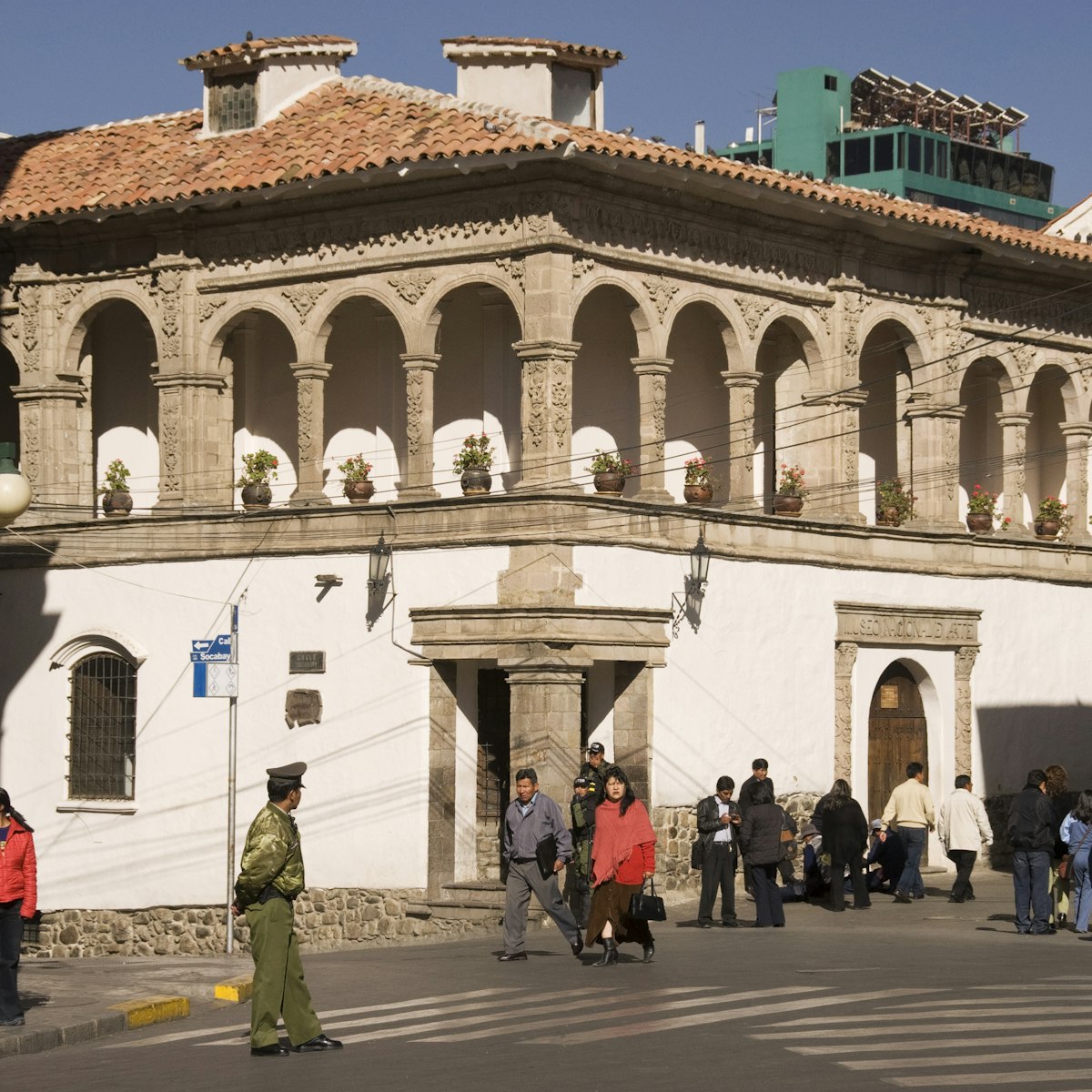
La Paz
This colonial building was constructed in 1775 of pink sandstone and has been restored to its original grandeur, in mestizo (mixed) baroque and Andino…
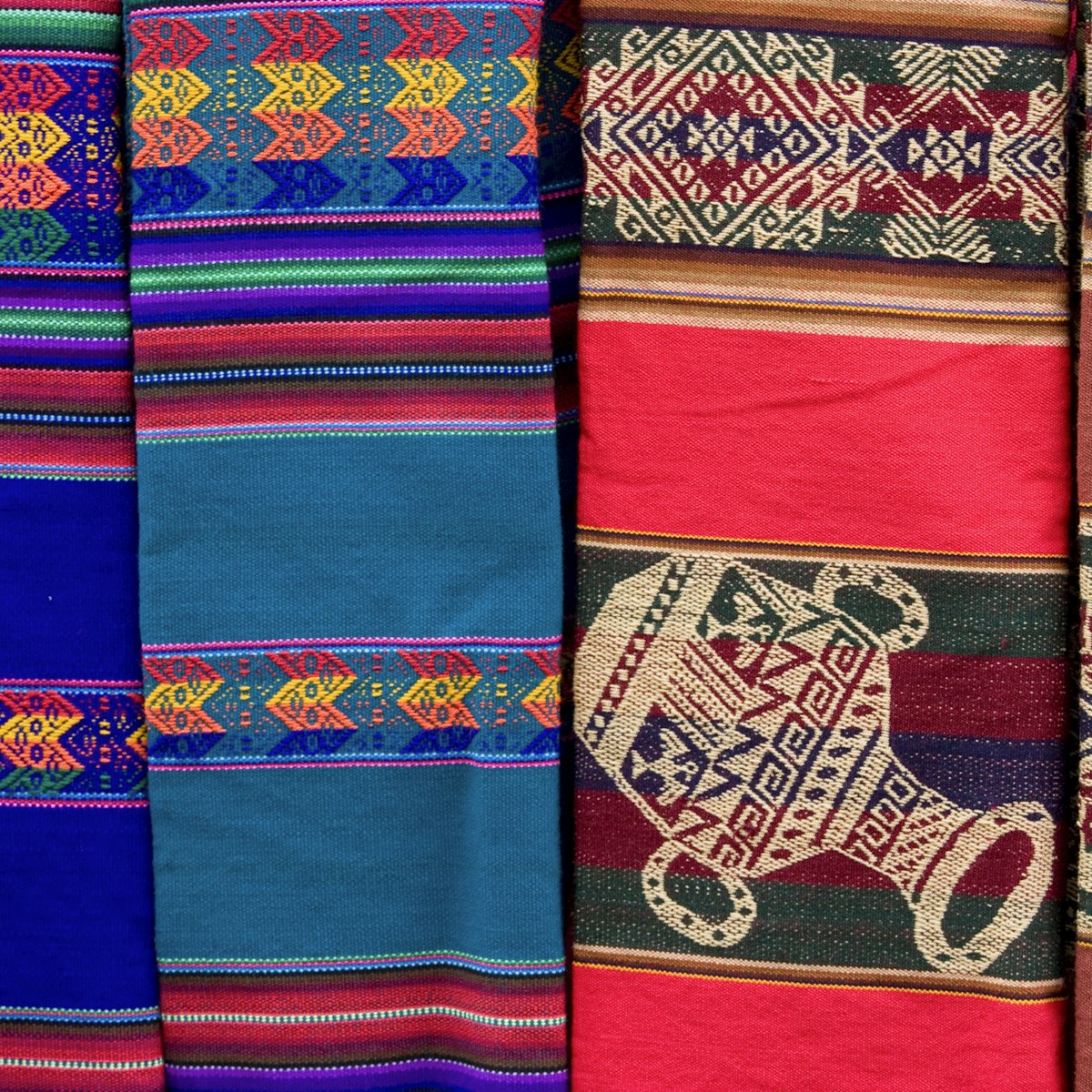
Museo de Textiles Andinos Bolivianos
La Paz
Fans of Bolivia’s lovely traditional weaving consider this small textile museum a must-see. Examples of the country’s finest traditional textiles …
Attractions
Top picks from our travel experts
Bolivia
Laguna Colorada is a rusty-burnt-orange-hued lake (4278m) that covers approximately 60 sq km and reaches a depth of just 80cm. The rich red coloration on…

Lake Titicaca
To say too much about this place is to spoil the surprise, so here's a taste: quirky, creative, stylish, ecofriendly, million-dollar vistas. Plus there…
Bolivia
Cañon del Inca, 8km west of Tupiza, makes a great destination for a half-day hike via Quebrada Palmira, a normally dry wash flanked by tall and precarious…
Bolivia
A popular excursion, San Pedro Cave, known in the Aymará language as Chussek Uta (House of Owls), is approximately 500m deep, with an enclosed lagoon that…
Bolivia
This canyon, located 9km outside Tupiza, can be reached from the town on a great half-day hike through towering red rock formations of the nearby Quebrada…

Santa Cruz & Gran Chiquitania
This bumping little bar on the south corner of the plaza has a wide selection of intoxicating cocktails and, if you get the munchies, a chalkboard snack…
Santa Cruz & Gran Chiquitania
Built in 1709, the elaborately restored cathedral on the east of the plaza has an overhanging roof supported by 121 huge tree-trunk columns and a similar…
Santa Cruz & Gran Chiquitania
Santa Ana church, with its wooden altar and reed roof, is more rustic than others on the mission circuit and recalls the first churches constructed by the…

La Paz
The concept of waiting in line for a restaurant doesn't exist in La Paz, but that's exactly what you'll need to do to get into Popular. Seasonal three…
Potosí
City Hall is housed in an elaborately designed colonial-era building with an ornately carved portal occupying the western side of Plaza 10 de Noviembre.
Potosí
The National Mint is Potosí’s star attraction and one of South America’s finest museums. Potosí’s first mint was constructed on the present site of the…
Santa Cruz & Gran Chiquitania
The restored interior of this 1747 mission is particularly beautiful, and the original paintings and woodwork remain intact. The pulpit is covered with a…
Bolivia
Three kilometers from Torotoro, the ground drops away into an immense and spectacularly beautiful canyon, more than 250m deep. From the mirador (lookout)…
Santa Cruz & Gran Chiquitania
The mystical site of El Fuerte exudes such pulling power that visitors from all over the world come to Samaipata just to climb the hill and see the…
Amazon Basin
This is Bolivia’s oldest and most successful community-based ecotourism project. Chalalán provides the opportunity to amble through relatively untouched…
Santa Cruz
There's a cool vibe to this colorful bar occupying the 1st floor of an elegant old building in the city center. Under plaster arches and between pillars…
La Paz
Sleek, earthy and architecturally inspiring – coffee shops don't get much cooler than Hb Bronze! This sorely needed addition to the Casco Viejo…
La Paz
Credited with sparking La Paz' culinary renaissance, and launched by the Danish culinary entrepreneur Claus Meyer (of Noma fame), this groundbreaking…

La Paz
For an excellent market experience don’t miss the massive Mercado 16 de Julio, which stretches for many blocks along the main thoroughfare and across…

La Paz
Some view these wrestling matches between indigenous women (derogatively called cholitas) as empowering. Others find it belittling. You can be the judge…
Amazon Basin
The newest community project in Madidi and the only one created and sustained 100% by the indigenous people of the park. All-inclusive trips include bird…
Bolivia
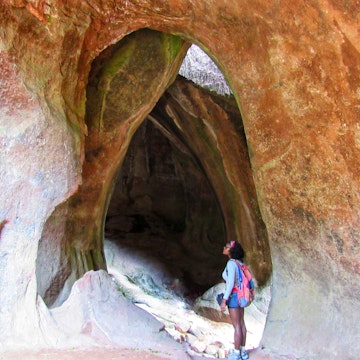
Though the weirdly shaped set of caverns, once the refuge of isolated communities, are striking, they aren't the main reason to make the 21km, often white…
Bolivia
The Río Umajalanta, which disappears beneath a layer of limestone approximately 22m thick, has formed the impressive Umajalanta Cavern, of which 4.5km of…
Santa Cruz & Gran Chiquitania
The church of San Miguel's spiral pillars, carved wooden altar with a flying San Miguel, extravagant golden pulpit, religious artwork, toy-like bell tower…
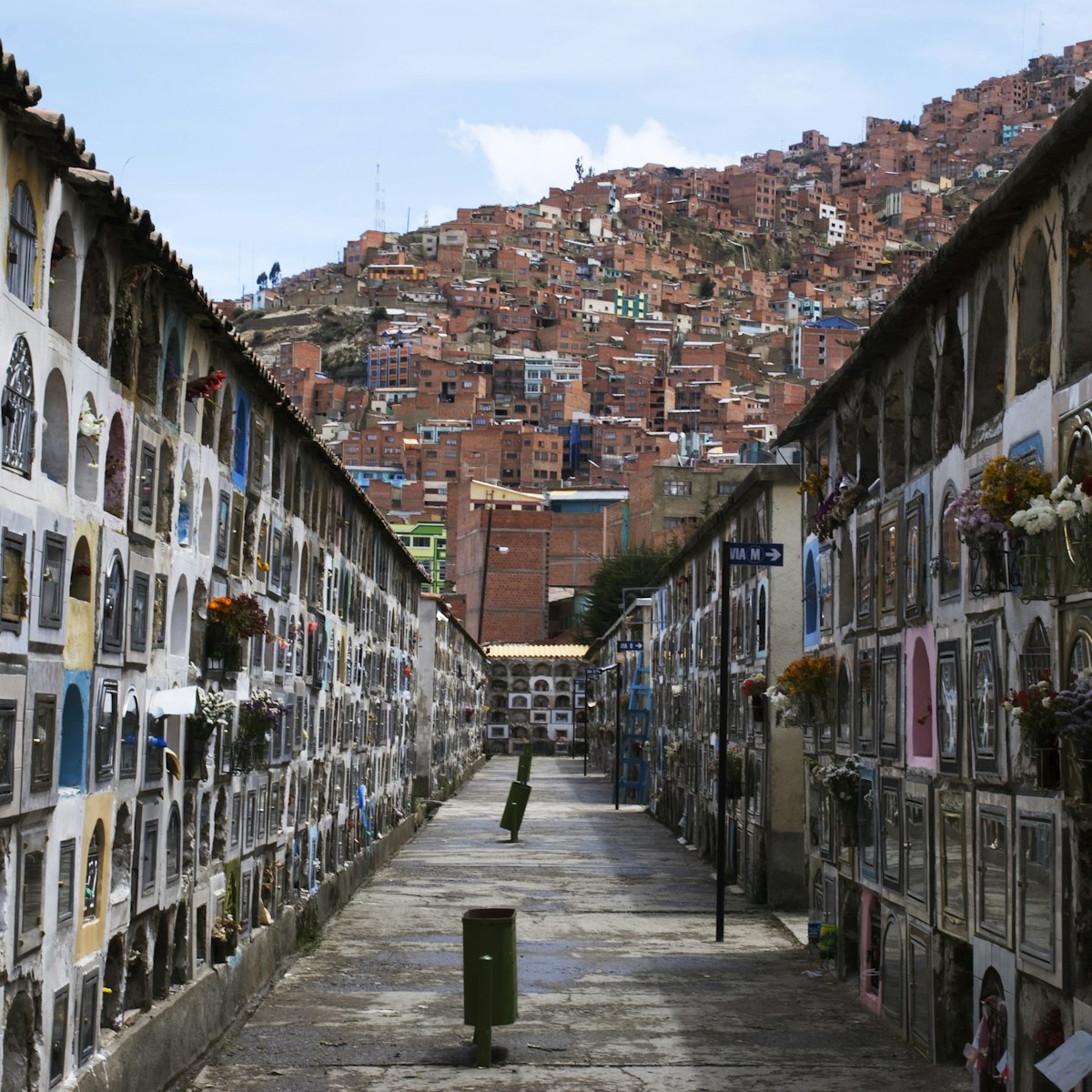
La Paz
As in many Latin American cemeteries, bodies are first buried in the Western way or are placed in a crypt. Then, within 10 years, they are disinterred and…
Potosí
Construction of La Catedral was initiated in 1564 and finally completed around 1600. The original building lasted until the early 19th century, when it…
Bolivia
As you might have guessed from the dinosaur figure in the plaza or the dinosaur head sticking out of city hall, Torotoro has become synonymous with…
Lake Titicaca
While Bolivia’s only public beach can’t hold a candle to its better-known counterpart in Rio de Janeiro, on weekends the festive atmosphere is a magnet…
La Paz
The city’s most unusual market lies along Calles Jiménez and Linares between Sagárnaga and Av Mariscal Santa Cruz, amid lively tourist artesanías (stores…
Salar de Uyuni
One of the highlights of a Salar de Uyuni tour is a hike around the spectacular Isla Incahuasi, otherwise known as Inkawasi. It's located in the heart of…
Santa Cruz
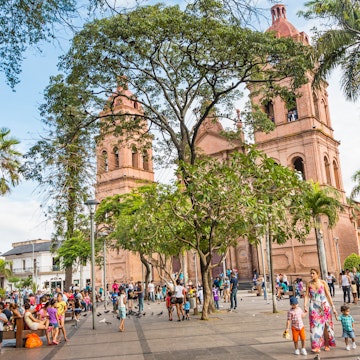
Although the original cathedral on Plaza 24 de Septiembre was founded in 1605, the present structure dates from 1845 and wasn’t consecrated until 1915…
Bolivia
Run by a La Paz tour company, this is a comfortable, heated spot and a fine place to acclimatize – there’s pretty walking to be done in the area, and…
Planning Tools
Expert guidance to help you plan your trip
Best Things to Do
Bolivia offers travelers a wealth of authentic travel experiences. From urban adventures to wildlife excursions, here are the 17 best things to do.
Read articleThings to Know
Bolivia is home to some of the most dramatic landscapes on the whole continent, but exploring can take some planning. Here's what you need to know.
Read articleTransportation
Bus travel in Bolivia can be a wild and thrilling experience, but planes, trains, and even aerial cable cars can smooth things over for the faint of heart.
Read articleVisa Requirements
It's easy to visit Bolivia's sensational national parks, beguiling cities and Indigenous communities. Here's what you need to know about visas.
Read articleMoney and Costs
Bolivia is one of the top bargain destinations in the Americas, and you don't need a big budget to enjoy its wonders. Here's how to see Bolivia for less.
Read articleTraveling with Kids
Explore one of South America’s most captivating countries as a family with this guide to the best things to do in Bolivia with kids.
Read articleBest Road Trips
From the towering Andes to the relaxed vibe of easter villages, discover Bolivia’s outstanding sceneries on a road trip at your own pace.
Read articlePlan with a local
Articles
Latest stories from Bolivia
Filter by interest:
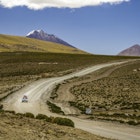
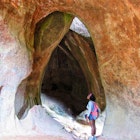

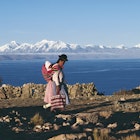 Budget TravelBolivia on a budget: see world-class sights for fewer bolivianos
Nov 6, 2023 • 8 min read

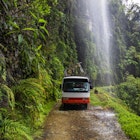 Destination PracticalitiesGetting around in Bolivia – where the journey can be as wild as the destination
Nov 1, 2023 • 6 min read

in partnership with getyourguide
Book popular activities in Bolivia
Guidebooks
Purchase our award-winning guidebooks
Get to the heart of Bolivia with one of our in-depth, award-winning guidebooks, covering maps, itineraries, and expert guidance.