Click 'Like' to follow my adventure

Week 12: Caribbean (Part 2)

As soon as you step off a cruise ship and onto the shore of any Caribbean island, you realise one of two things. You either realise how tough your life is, or you realise how tough your life is.

Every morning the ship would dock at a new island destination and I, along with my rowdy fellow-passengers, would slather on the sunscreen and pick which umbrella to claim. That's a lie – being a nerd, I would buy tickets to a historical tour of the island first and then find an umbrella.
It's hard to believe (because the islands all look like slices of paradise today) that they've had incredibly busy histories – and this leads me on to one of the great things about this area: the combination of many languages into one. Papiamento is a Creole language spoken on a few island countries in the Caribbean. Its influences include African languages, Dutch, Portuguese or Spanish, English and other native languages/dialects. I understand mixing languages myself, sometimes I speak English, sometimes I speak Hunger, but this amalgamation impressed even me.

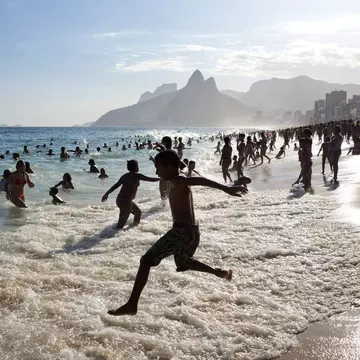
When time came around to setting up camp on a beach, I would look around and see the other passengers of the ship, many of whom were now a deliciously dark shade of sunburn. Admittedly, I do feel bad being a part of a swarm of people who arrive at an island, set up shop at the beach for a few hours and then hustle back on to a floating hotel, but on the other hand many of the islands rely heavily on tourism. What an interesting leg of the trip.

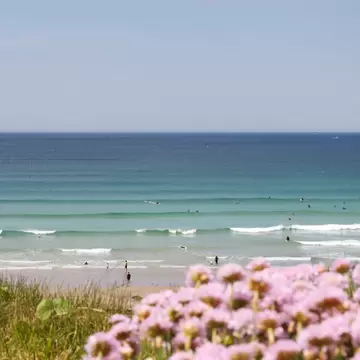
Beach bliss. Beach bliss.

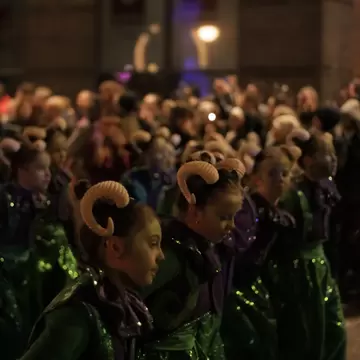
Fashion alert. Fashion alert.

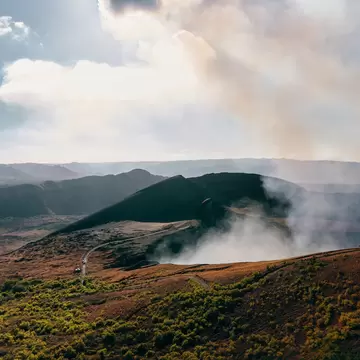
Fire! Fire!

Watch where I've been

More on The Caribbean

Think of the Caribbean and inevitably you conjure up clichéd images of white-sand beaches and tropical drinks with little umbrellas. It's a pleasant thought, but we're here to tell you the islands offer so much more.