Afghanistan
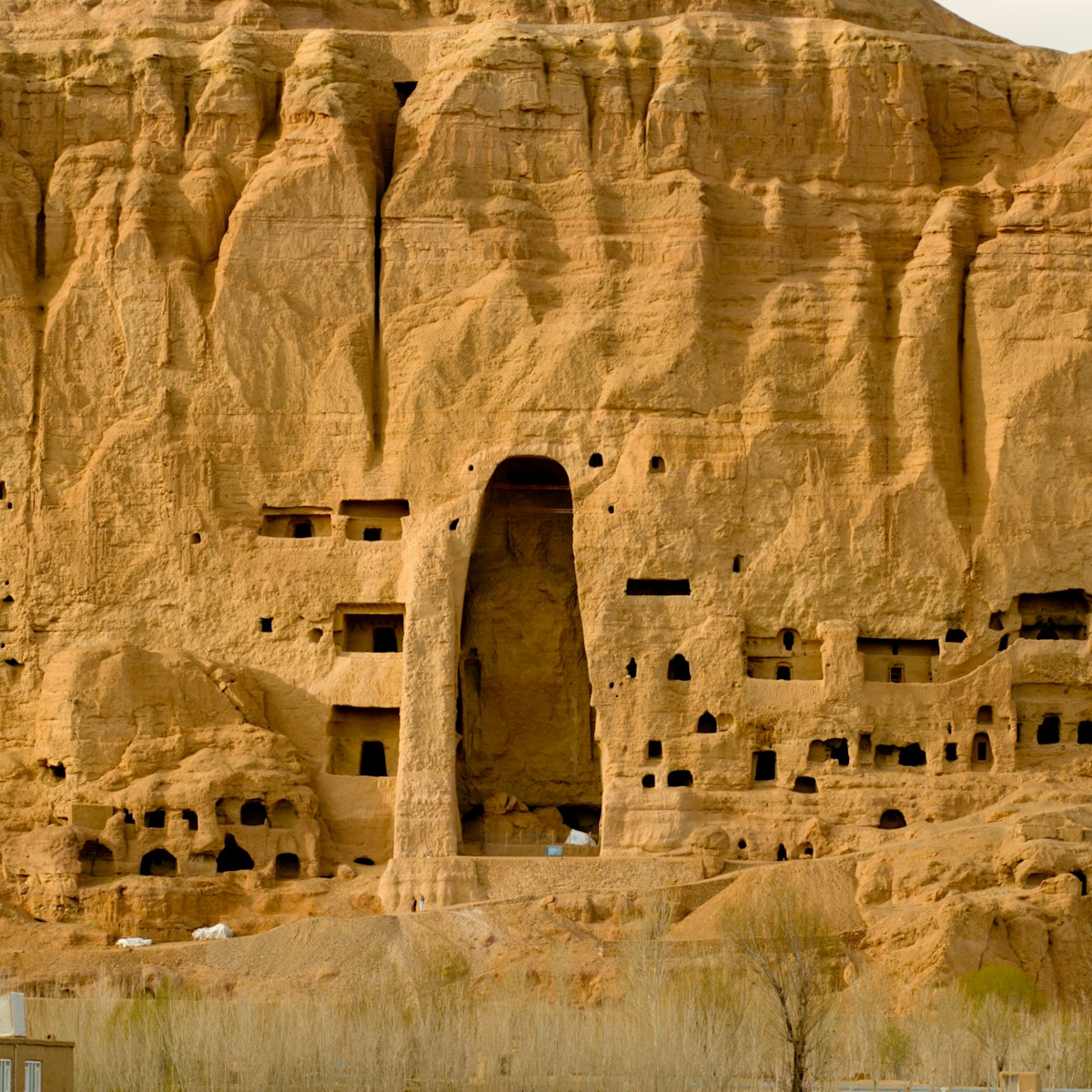
The empty niches of the Buddha statues dominate the Bamiyan valley. Carved in the 6th century, the two statues, standing 38m and 55m respectively, were…
Getty Images/Flickr Open
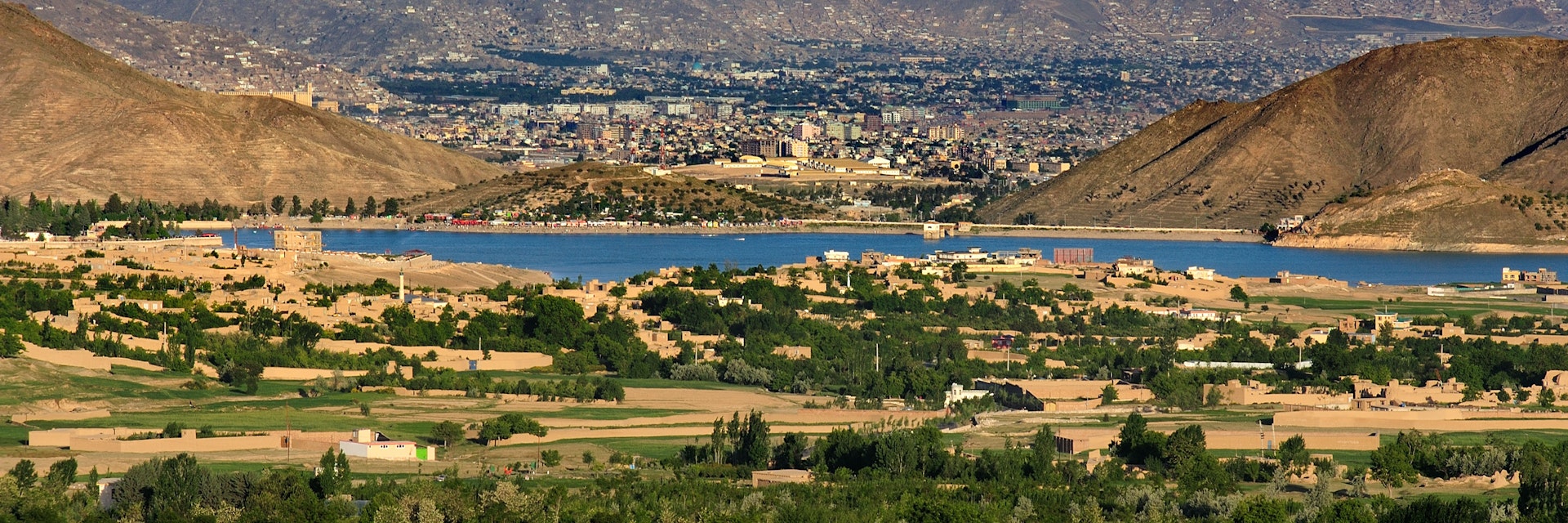
Throughout its history, Afghanistan has been a country united against invaders but divided against itself. Its allure, spread by Great Game romantics and travel literature alike, has only been heightened by its inaccessibility over the last 30 years.
Afghanistan
The empty niches of the Buddha statues dominate the Bamiyan valley. Carved in the 6th century, the two statues, standing 38m and 55m respectively, were…
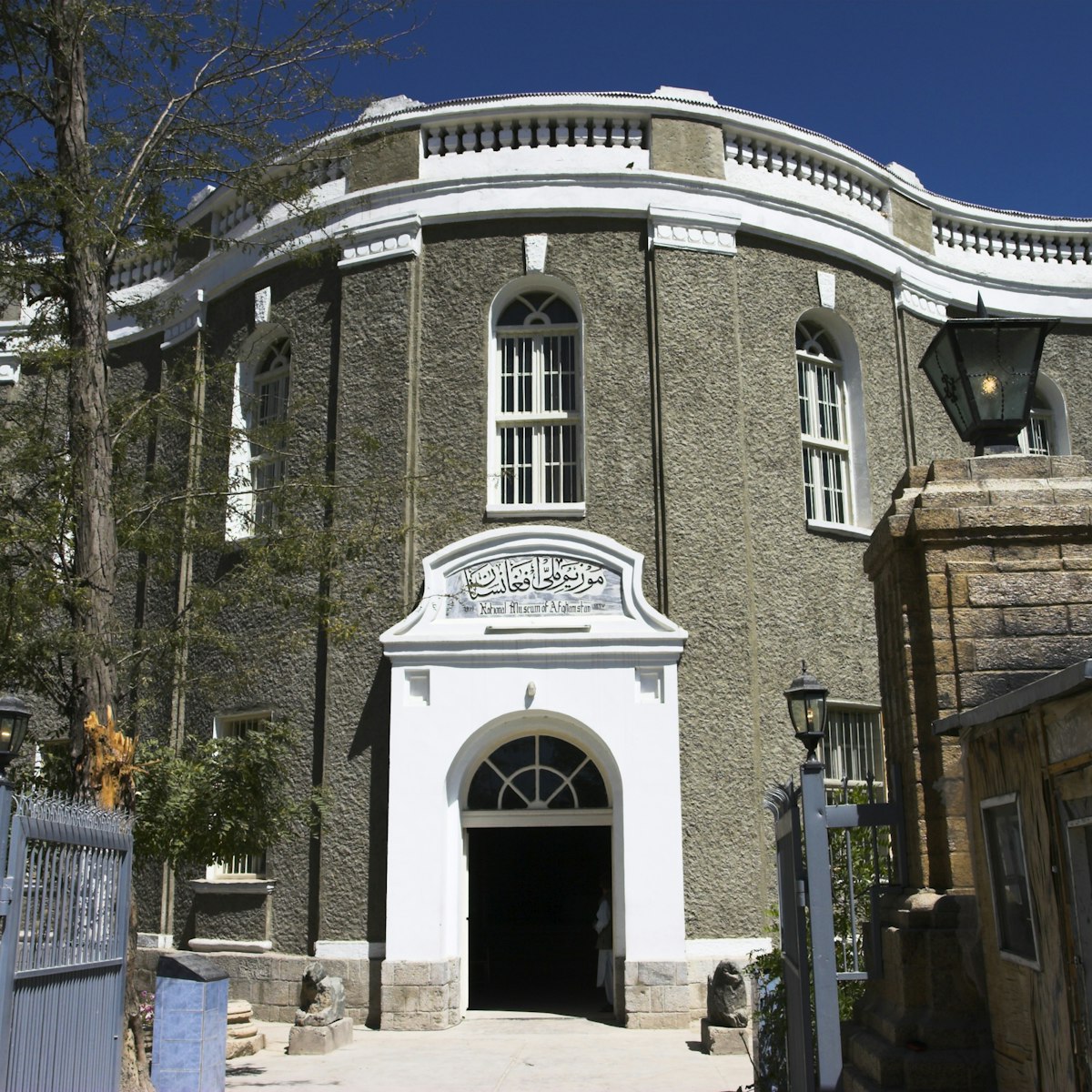
Kabul
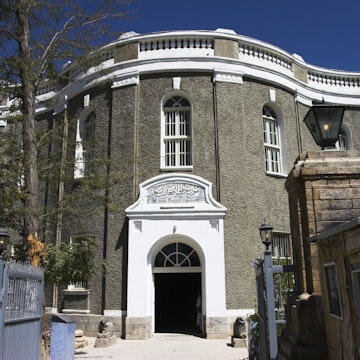
The Kabul Museum was once one of the greatest museums in the world. Its exhibits, ranging from Hellenistic gold coins to Buddhist statuary and Islamic…
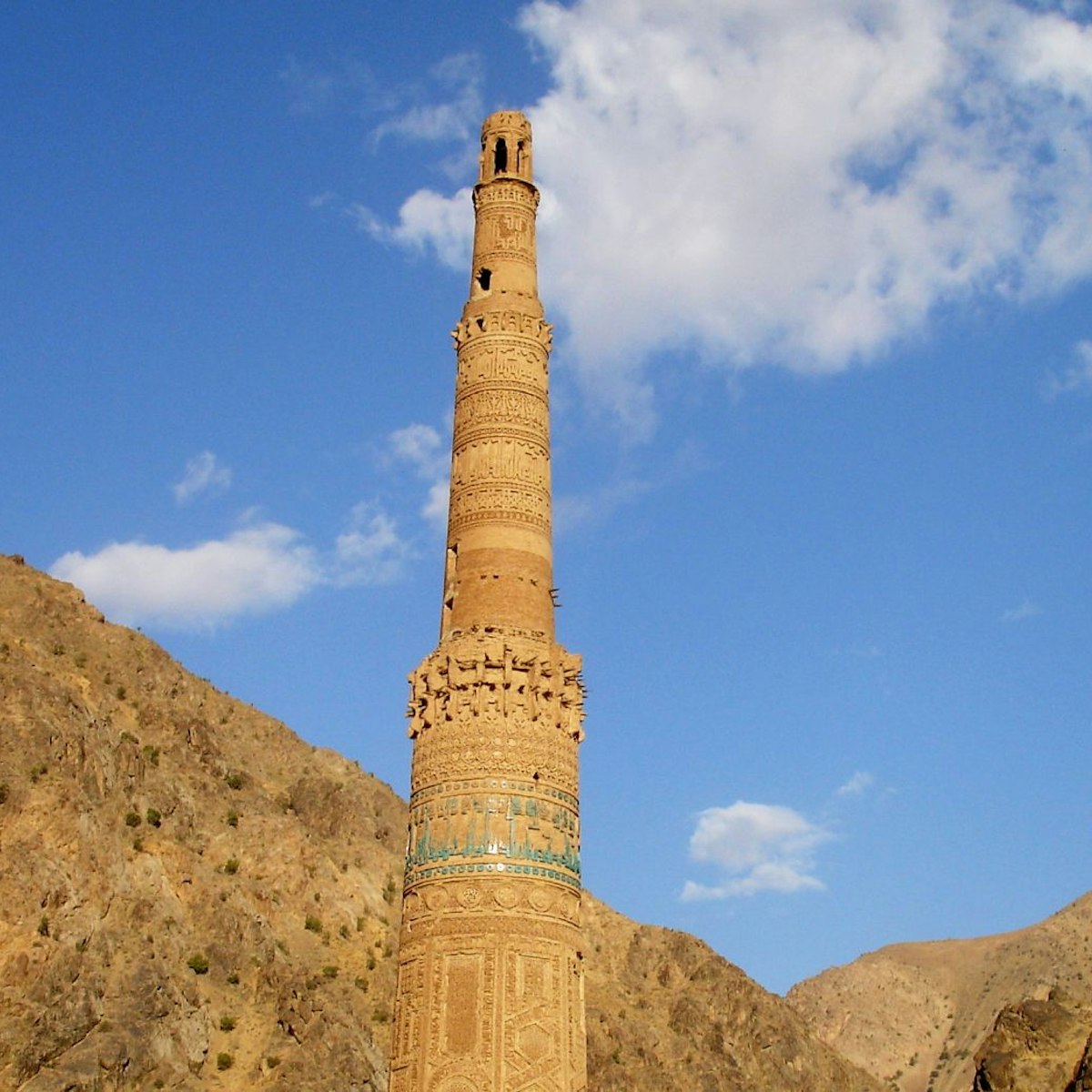
Afghanistan
Reaching a dizzying height of 65m, the Minaret of Jam stands as a lonely sentinel at the confluence of the Hari Rud and Jam Rud rivers, the greatest…
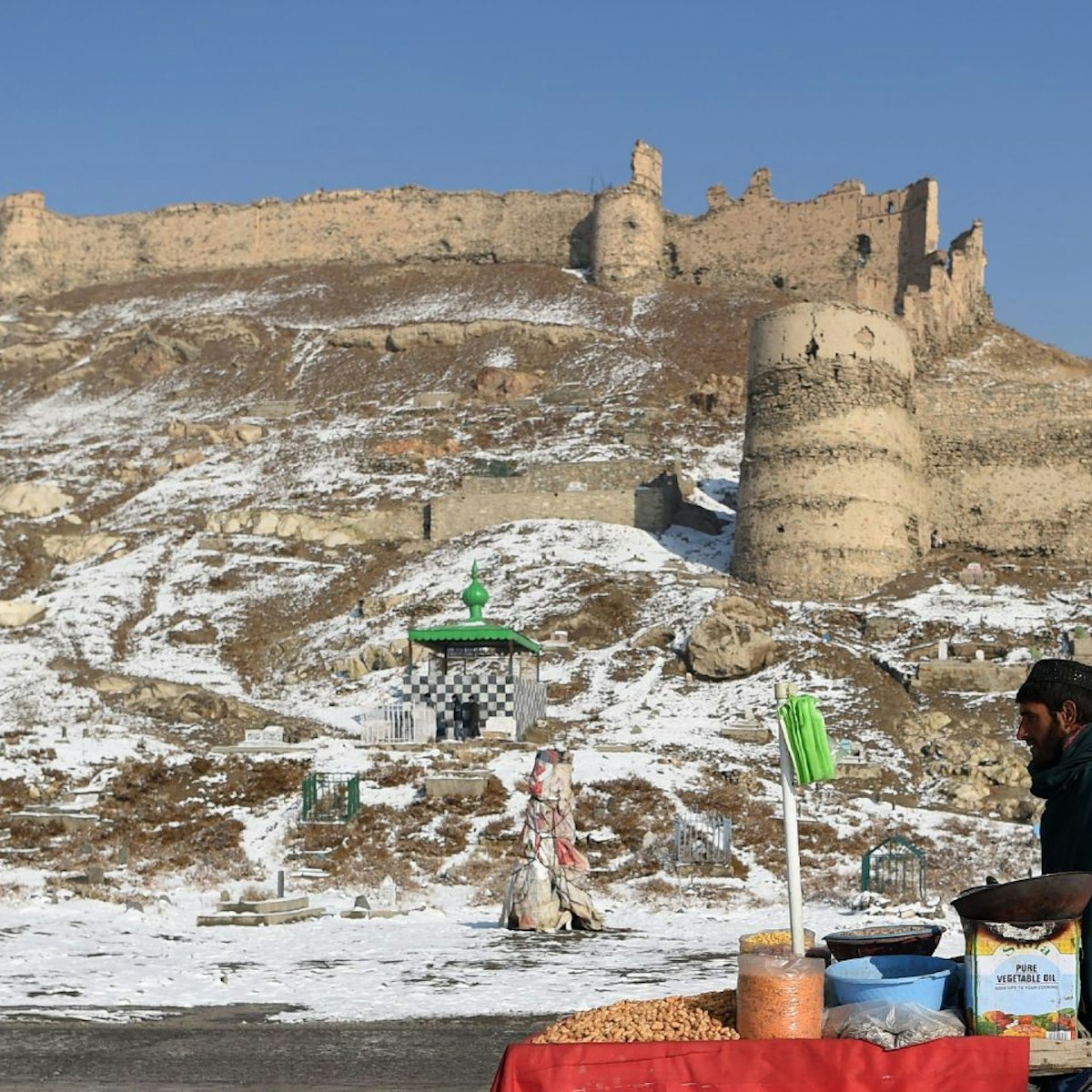
Kabul
The old seat of royal power, a fortress has stood on the site of the Bala Hissar since the 5th century AD, and quite possibly before. It sits at the foot…
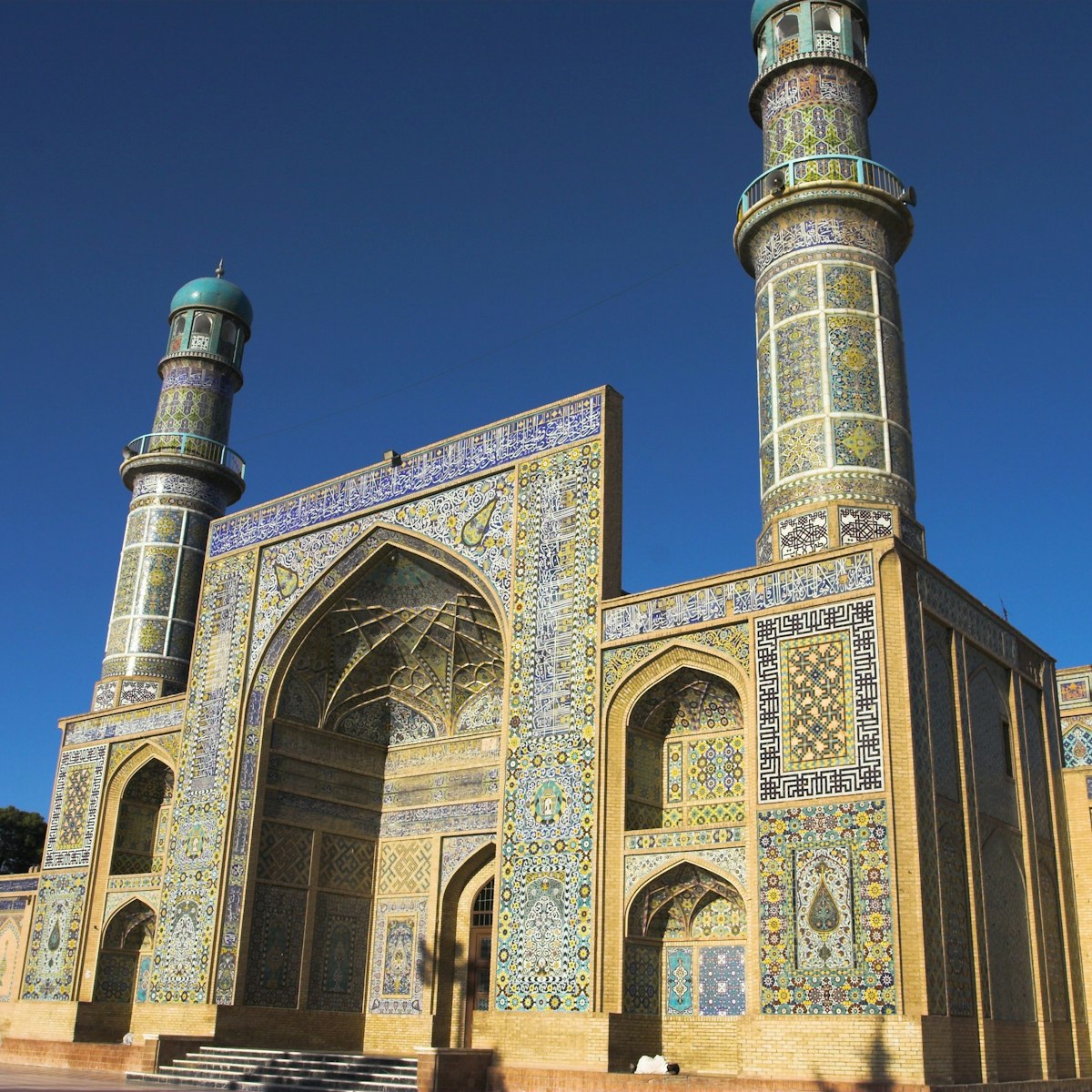
Afghanistan
Over 800 hundred years old, Herat’s Friday Mosque is Afghanistan’s finest Islamic building, and one of the greatest in Central Asia. A master class in the…
Afghanistan
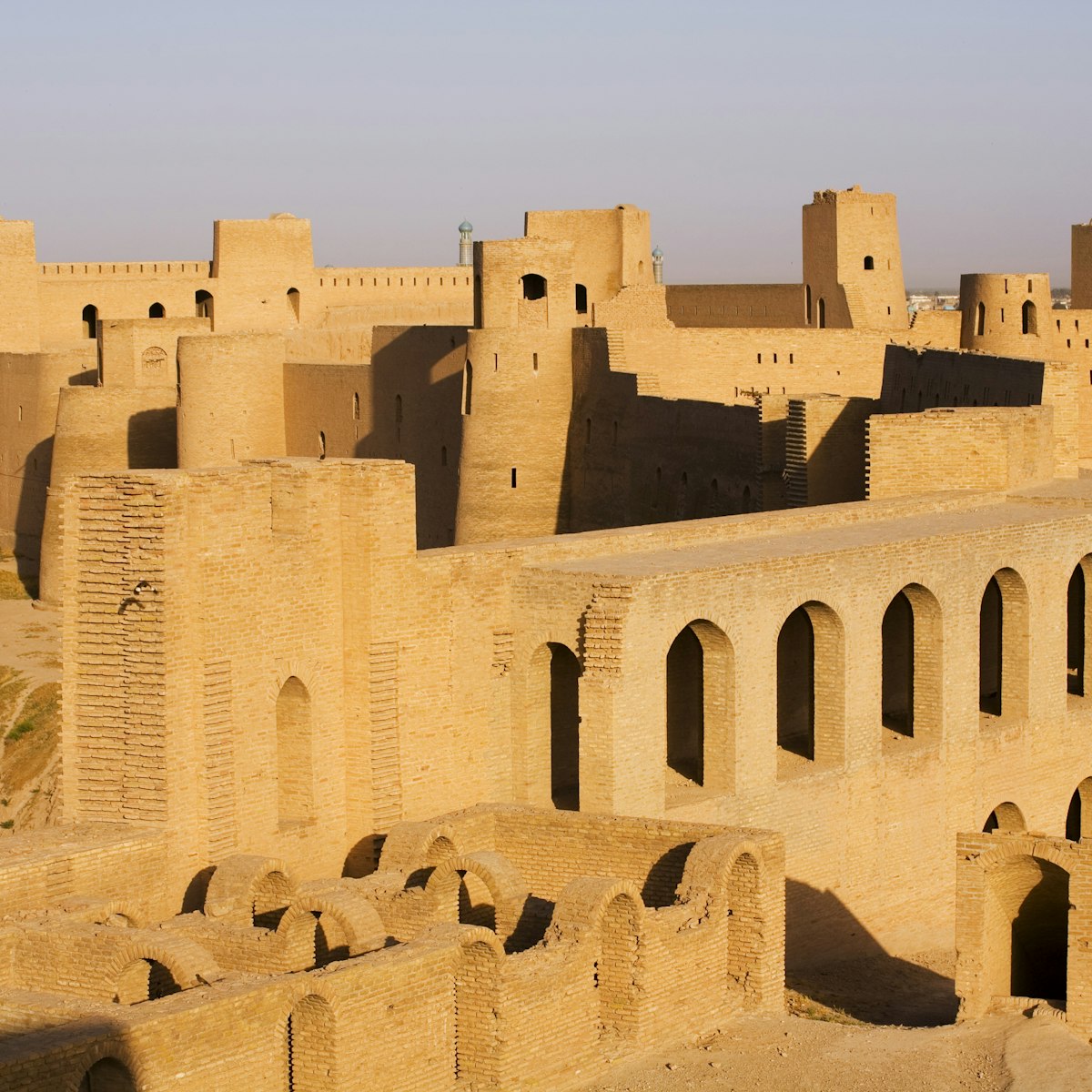
Towering over the Old City, the Herat Citadel has watched over Herat’s successes and setbacks with its imposing gaze for centuries. The oldest building in…
Kabul
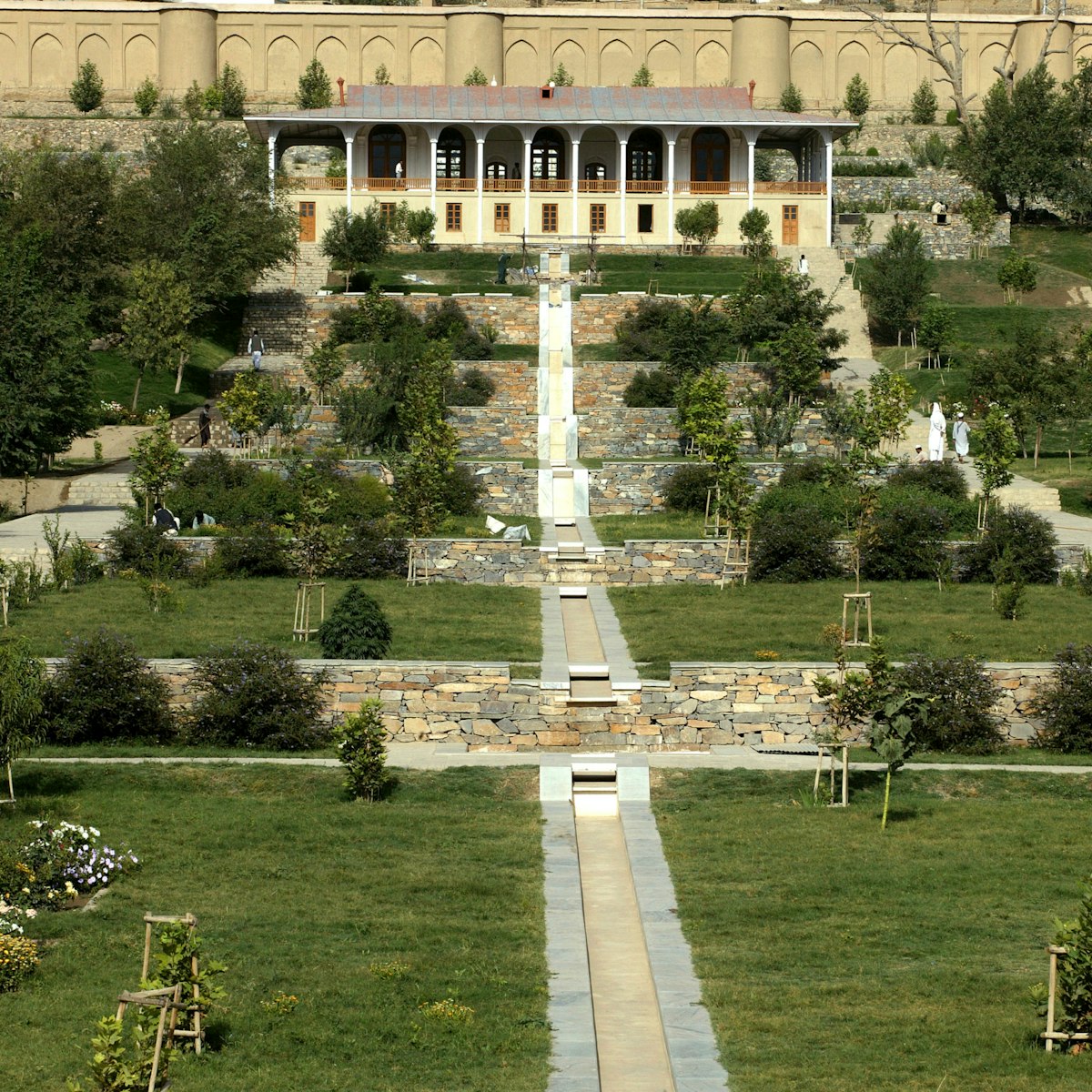
Laid out by the Mughal ruler Babur in the early 16th century, and the site of his tomb, these gardens are the loveliest spot in Kabul. At 11 hectares,…
Afghanistan
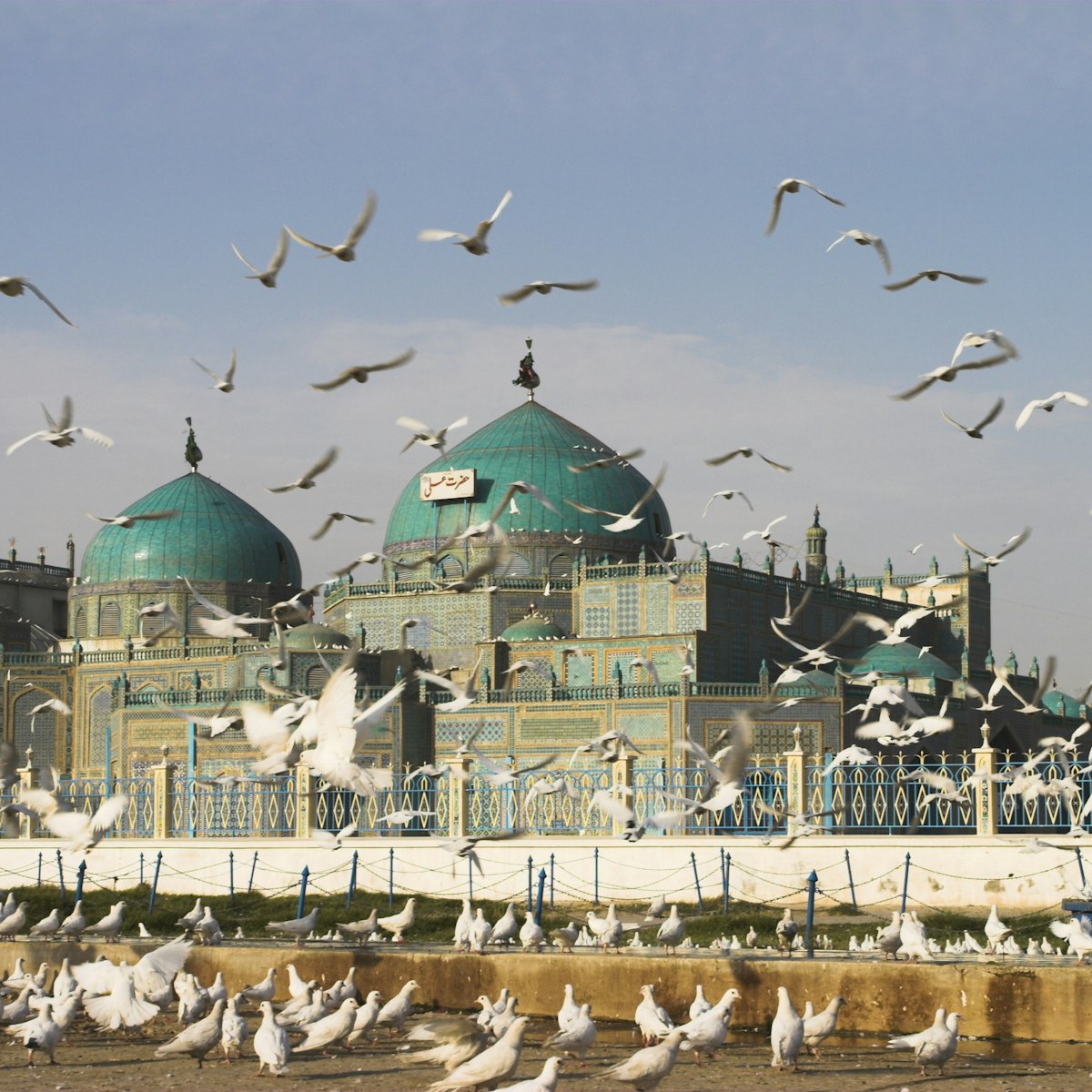
The twin blue domes of the Shrine of Hazrat Ali are one of Afghanistan’s most iconic sights, and pilgrims come from across the country to pay their…
Filter by interest:
Aug 17, 2021 • 2 min read
Feb 22, 2017 • 5 min read
Nov 24, 2016 • 2 min read
in partnership with getyourguide
Get to the heart of Afghanistan with one of our in-depth, award-winning guidebooks, covering maps, itineraries, and expert guidance.