Oman
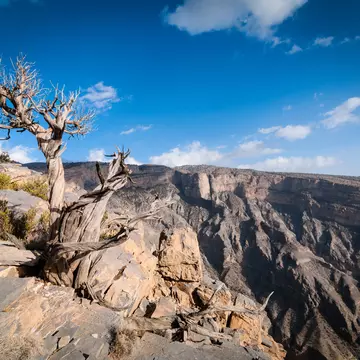
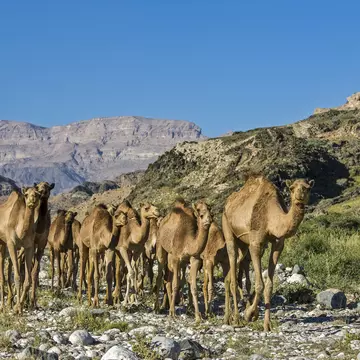
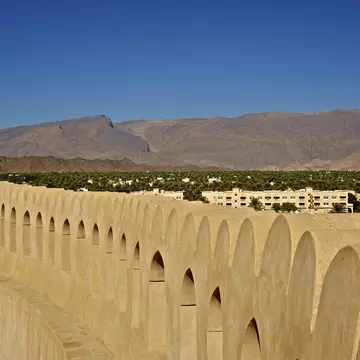
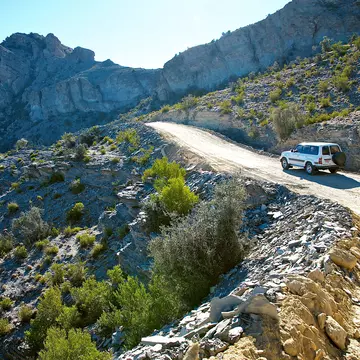
From spectacular mountains, wind-blown deserts and a pristine coastline, Oman is the obvious choice for those seeking out the modern face of Arabia while still sensing its ancient soul.
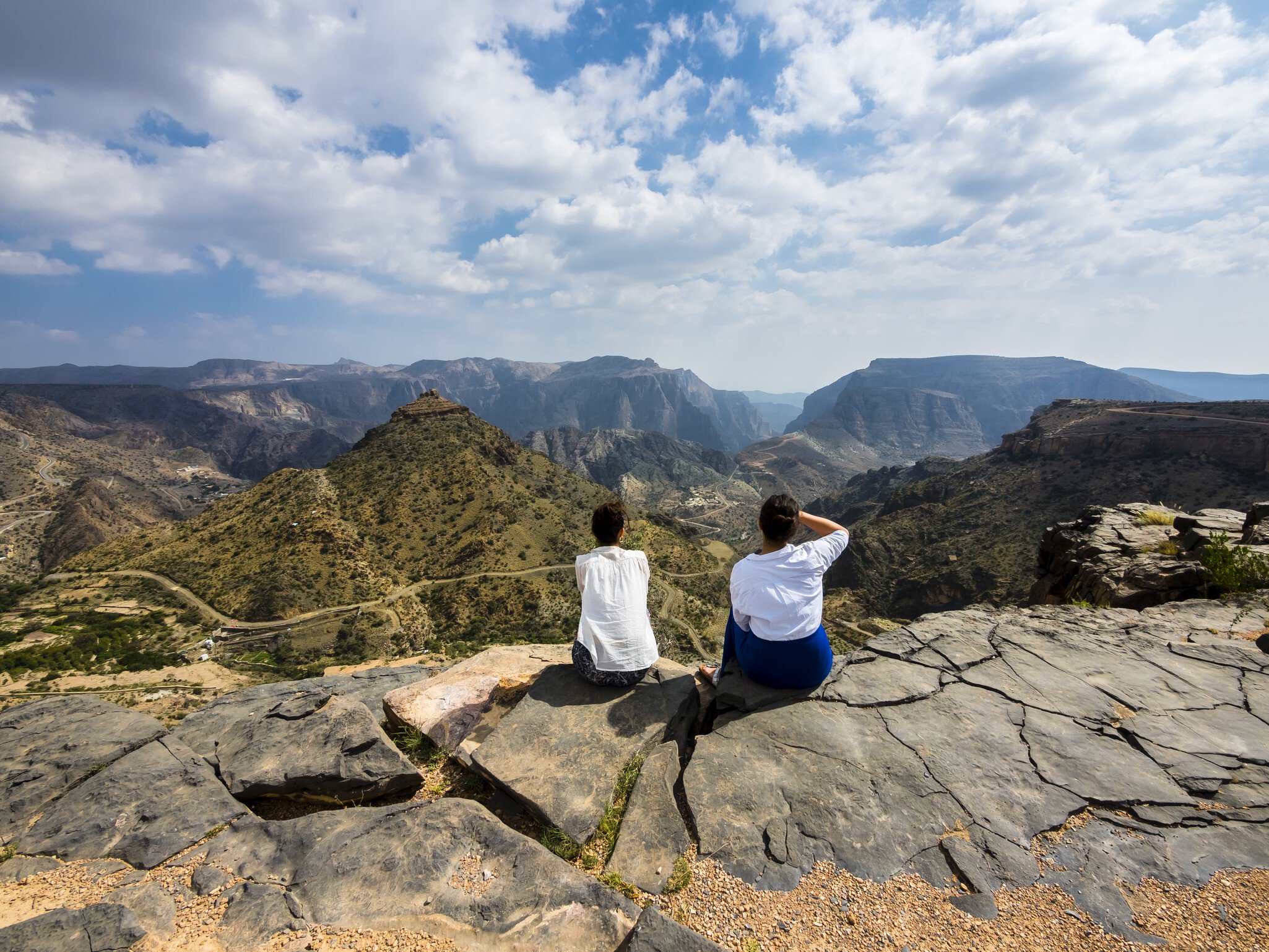
Westend61/Getty Images
Latest Stories
- Yulia Denisyuk | Sep 21, 2026The Best Things to Do in Oman
- Natasha Amar | Nov 20, 202515 Things You Need to Know Before Traveling to Oman
- Natasha Amar | Sep 23, 2025The 8 Best Places to Visit in Oman
- Nicole Brewer | Sep 6, 2024The Best Times to Visit Oman for Roses, Camel Races and More
Book
App

Top places to visit in Oman
Discover the best attractions in Oman from must-see sights to unexpected hidden gems.
- Attraction in SalalahAl Baleed Archaeological Park
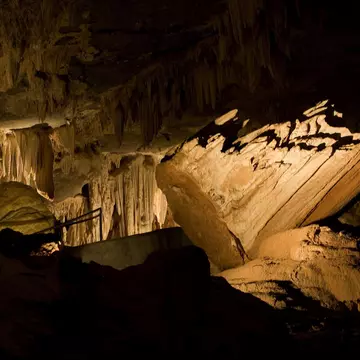
- Attraction in OmanAl Hoota Cave
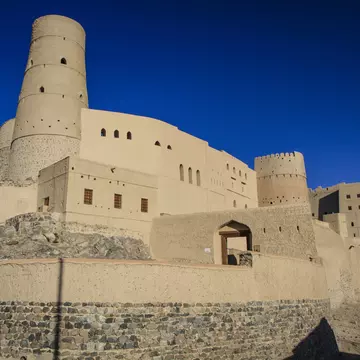
- Attraction in OmanBahla Fort
- Attraction in MuscatGrand Mosque
- Attraction in NizwaNizwa Souq
-
 Attraction in OmanAl Wusta Wildlife Reserve
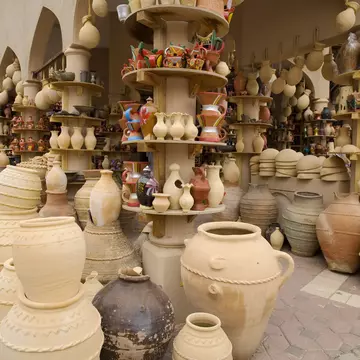
 - Attraction in OmanBahla Potteries
- Attraction in MuscatBait Al Zubair

Travel Guides
Oman travel tips from Lonely Planet experts
Find practical guidance from our team of contributors around the world who bring their decades of first-hand travel experience to your next trip.
Best Things to Do
Here are the best experiences in Oman's high mountains, rugged canyons and along its famed coastline.
Read full article
Best Time to Visit
When should you visit Oman? Follow our guide and learn the best time to visit for hiking, beaches, religious festivals and camel races.
Read full article
Things to Know
Travelers to Oman will appreciate this for practical advice on social etiquette, safety, weather, cultural practices and more.
Read full article
Transportation
Visitors can enjoy travel between and among the stunning landscapes of Oman by plane, boat and car. Here’s our guide to getting around the country.
Read full article
Best Road Trips
From coastal drives past fishing villages and white sand beaches to journeys to see historic forts, these are the best road trips in Oman.
Read full article
Money and Costs
With some planning – and our expert guide – it’s not a challenge to enjoy the natural beauty and hospitality of Oman on a limited budget.
Read full article
Best Places to Visit
From rugged mountains to seaside towns and desert sands, here are the very best places to put on your Oman itinerary.
Read full article
Get a book. Get inspired. Get exploring.
Oman and beyond
- destinationMuscat
- destinationHajar Mountains
- destinationMusandam
- destinationSalalah
- destinationNizwa
- destinationJebel Shams
- destinationJebel Akhdar
- destinationAl Hamra