Malaysia
Dynamic cities, fabulous food, beautiful beaches, idyllic islands and national parks with wildlife-packed rainforests – all of this can be found in Malaysia.
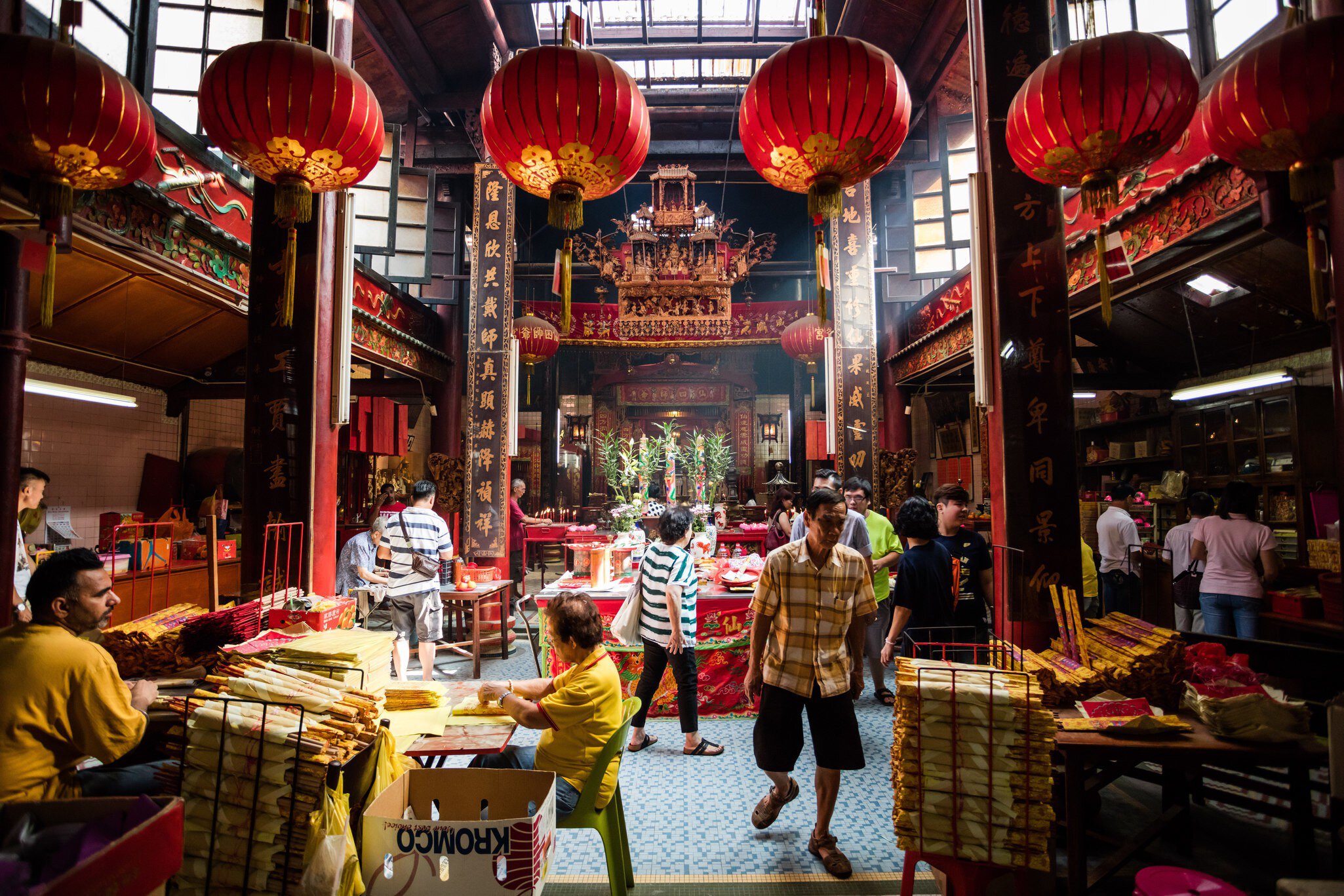
J. Lekavicius/Shutterstock
Latest Stories
- Anita Isalska | Oct 7, 202615 Best Things to Do in Malaysia
- Marco Ferrarese | Sep 20, 2026A Guide to Batang Ai National Park, Malaysia
- Samia Qaiyum | Jul 22, 2026A Guide to George Town in Penang, Malaysia
- Marco Ferrarese | Apr 28, 202617 Things You Need to Know Before Traveling to Malaysia
Book
App

Top places to visit in Malaysia
Discover the best attractions in Malaysia from must-see sights to unexpected hidden gems.
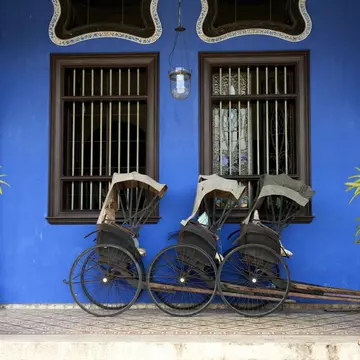
- Attraction in Melaka CityBaba & Nyonya Heritage Museum
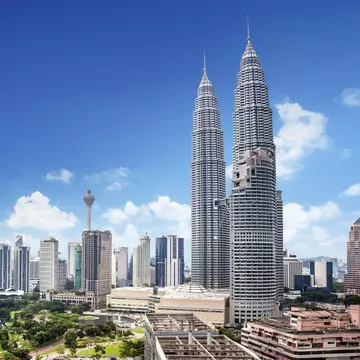
- Attraction in Kuala LumpurPetronas Towers
-
 Attraction in Kuala LumpurNational Museum
 - Attraction in MalaysiaBako National Park
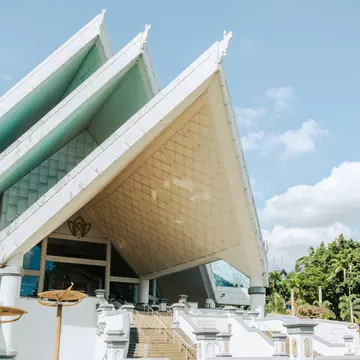
- Attraction in MalaysiaMasjid Sultan Salahuddin Abdul Aziz Shah
- Attraction in Kuala LumpurLake Gardens – Tun Abdul Razak Heritage Park
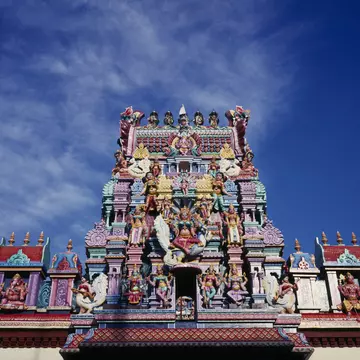
- Attraction in George TownSri Maha Mariamman Temple
- Attraction in Kuala LumpurThean Hou Temple


Travel Guides
Malaysia travel tips from Lonely Planet experts
Find practical guidance from our team of contributors around the world who bring their decades of first-hand travel experience to your next trip.
Best Things to Do
With so many incredible things to do in Malaysia, it can be hard to know where to begin. Start with our shortlist of the 15 best experiences available.
Read full article
Best Time to Visit
There’s never a bad time to visit Malaysia – yet never really a dry one, either. Read on for our season-by-season guide.
Read full article
Things to Know
Dynamic, multicultural and hugely underrated, start planning your visit to Malaysia with these top travel tips.
Read full article
Transportation
Want to take the train? A river ferry? Rent your own car? Read on to learn about the many options for getting around in Malaysia.
Read full article
Best Road Trips
You can explore Malaysia without stepping inside a car but exploring with your own wheels opens up a tropical world. Here are Malaysia's best road trips.
Read full article
Money and Costs
Malaysia has gone under the radar of budget travelers for too long – this country offers incredible value for money. Here's how to visit on a budget.
Read full article
Best Places to Visit
Here are the best places to go in Malaysia for soft sandy beaches, incredible food and amazing treks through wildlife-filled jungle and national parks.
Read full article
Get a book. Get inspired. Get exploring.
Malaysia and beyond
- destinationKuala Lumpur
-
 destinationSabah
 - destinationSarawak
- destinationPenang
- destinationMelaka
- destinationPeninsular Malaysia's Northeast
- destinationMelaka City
- destinationGeorge Town