Vedado
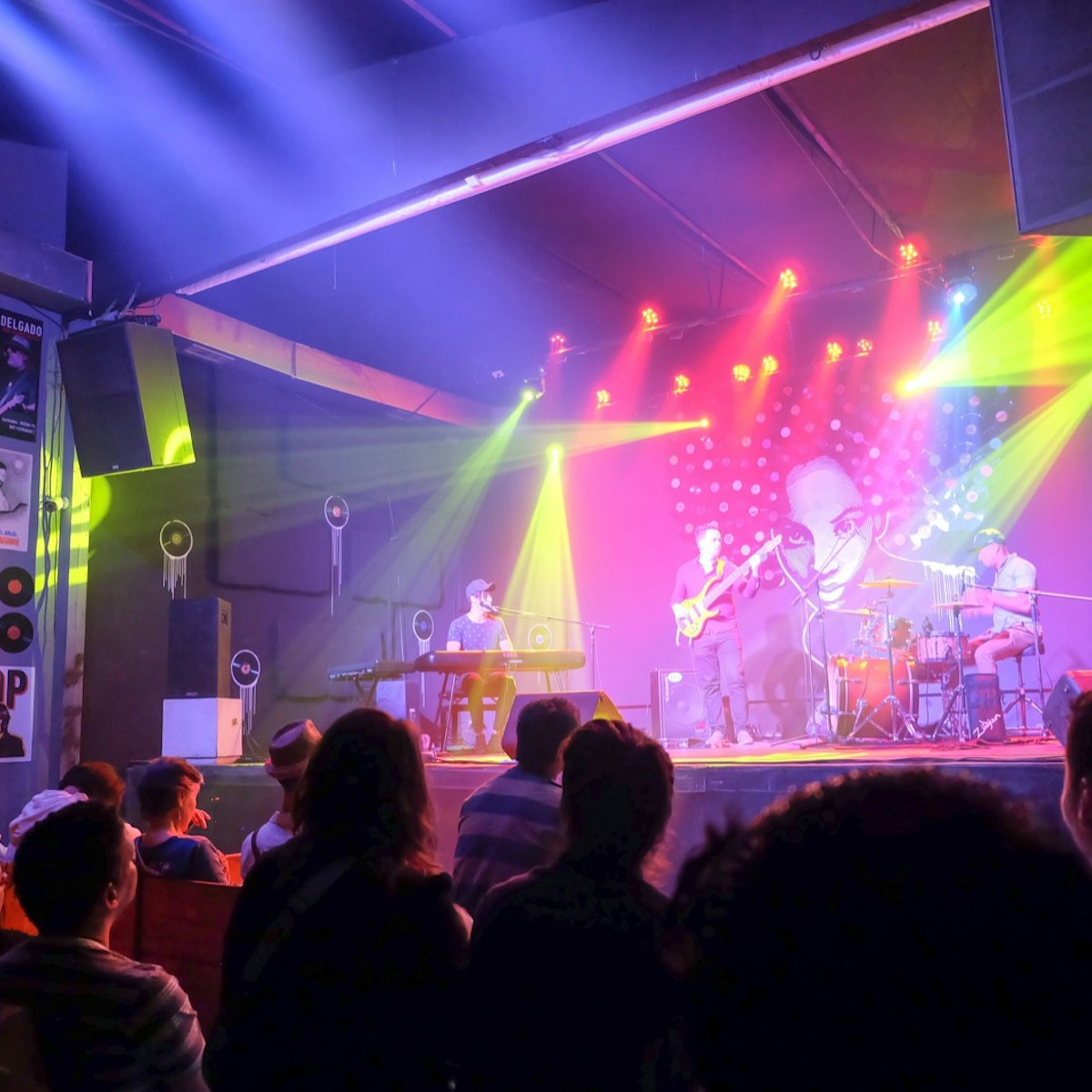
If only every city had a cultural venue as wide-ranging, inclusive and downright revolutionary as Havana’s unique art factory. The brainchild of Cuban…
Vedado
If only every city had a cultural venue as wide-ranging, inclusive and downright revolutionary as Havana’s unique art factory. The brainchild of Cuban…
Havana
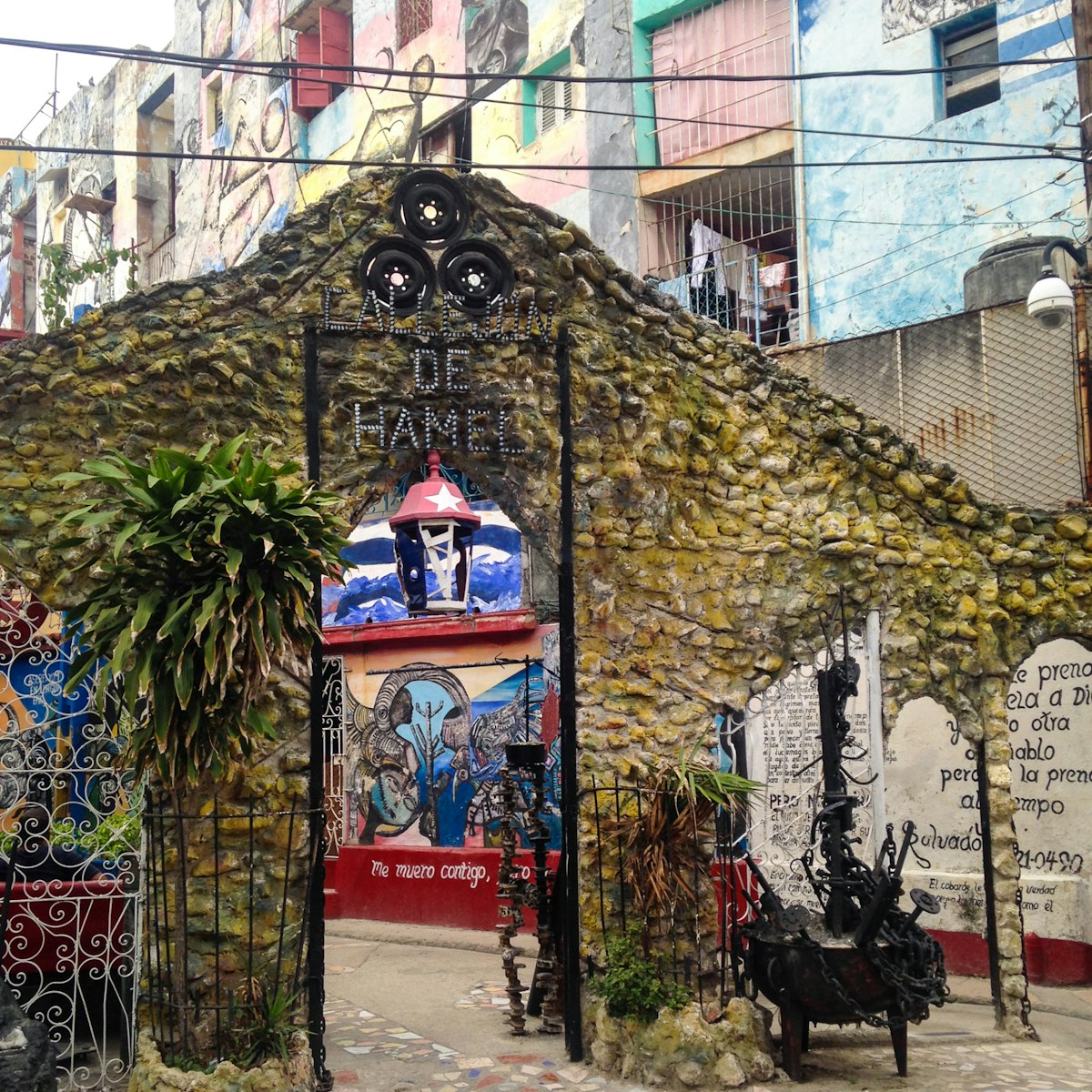
Aside from its funky murals and psychedelic art shops, the main reason to come to this alleyway, Havana's high temple of Afro-Cuban culture, is the…
Gran Teatro de la Habana Alicia Alonso
Havana
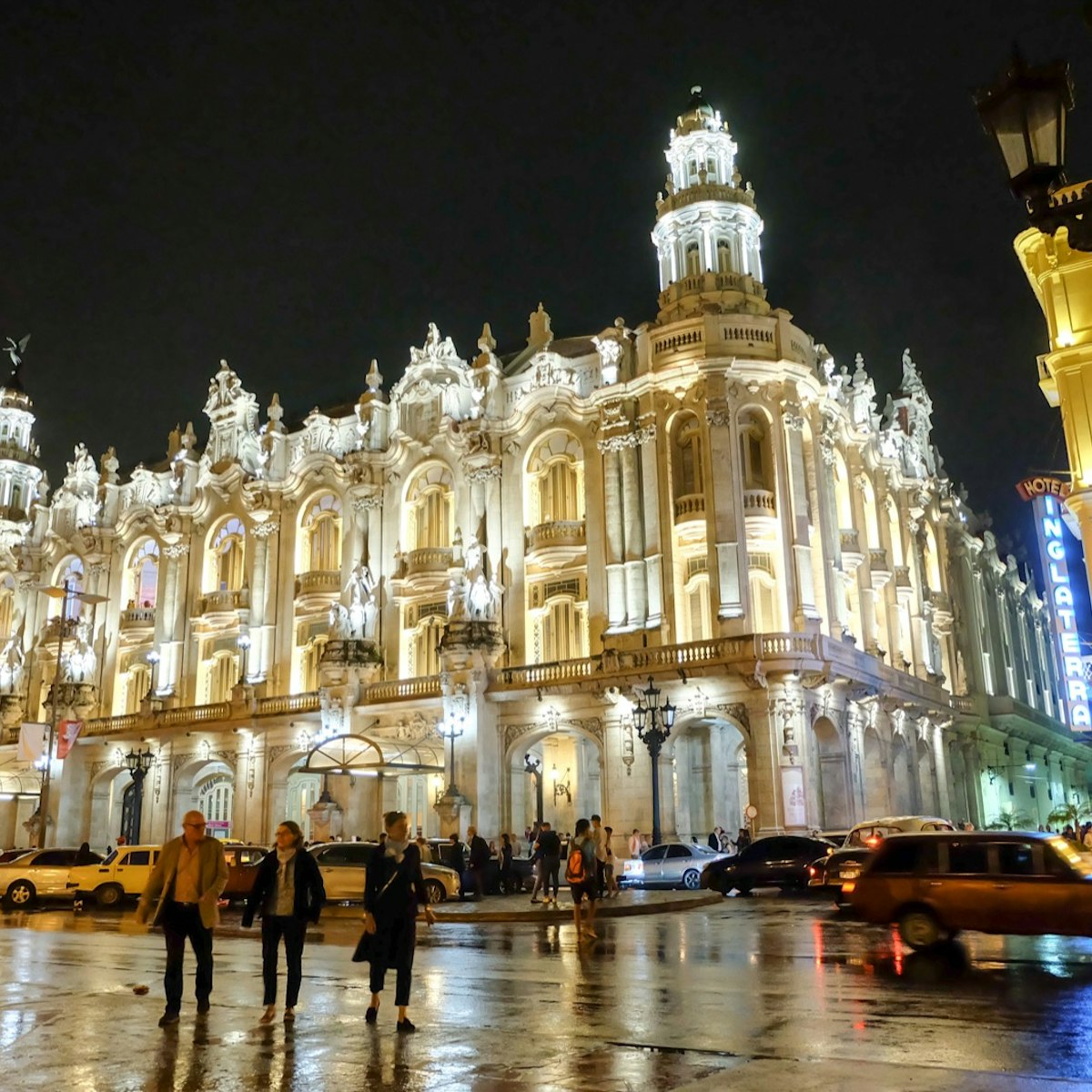
Havana's fabulously renovated 'great' theater is open again and offering up the best in Cuban dance and music. Its specialty is ballet (it's the…
Vedado
One rung down from Marianao's world-famous Tropicana, but cheaper and closer to the city center, the nightly Cabaret Parisién in the Hotel Nacional is…
Havana
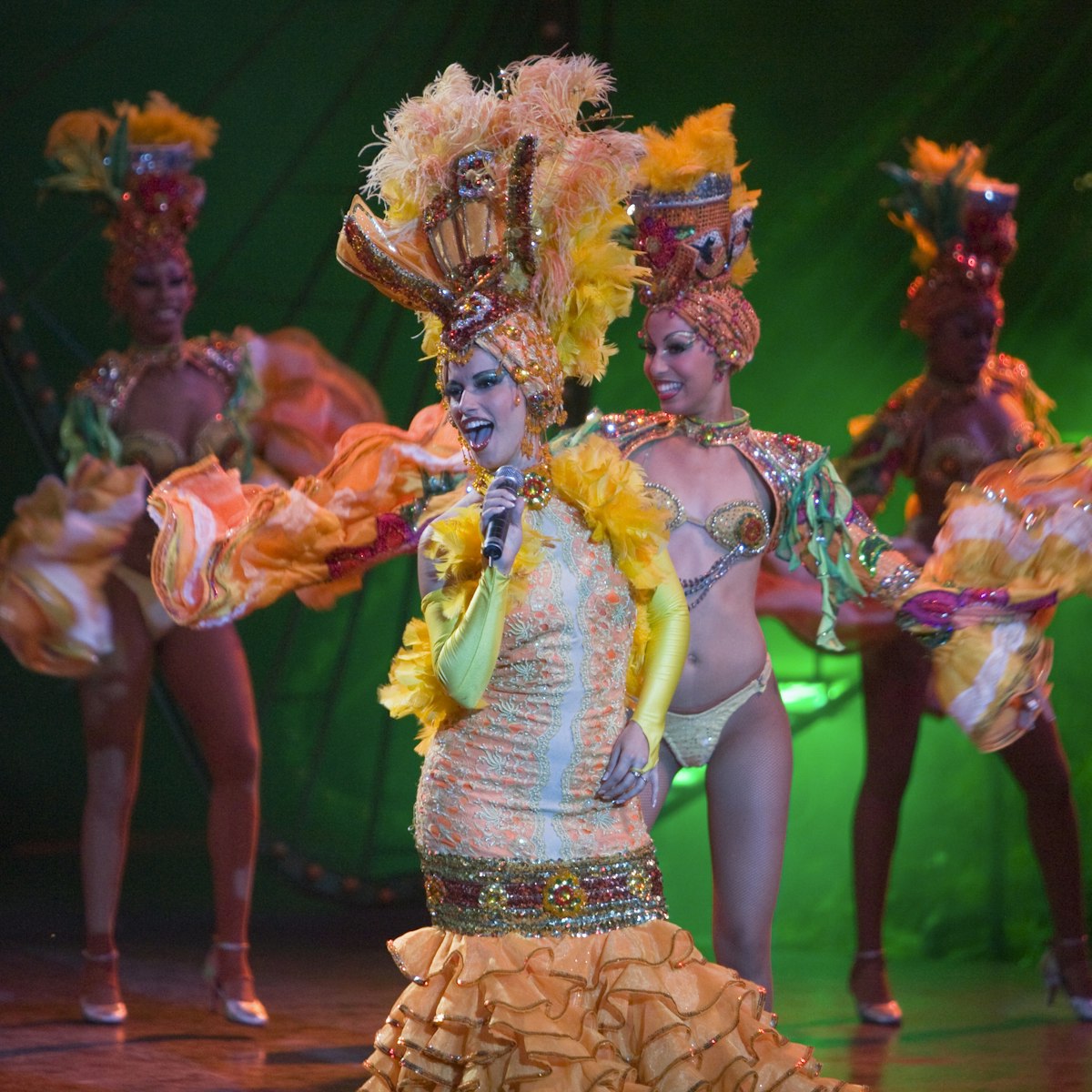
An institution since its 1939 opening, the world-famous Tropicana was among the few bastions of Havana's Las Vegas–style nightlife to survive the…
Vedado
What pass for hipsters in Havana tend to congregate at this live-music venue known locally as No Se lo Digas a Nadie (Don't Tell Anyone) for the weekly…
Centro Cultural El Gran Palenque
Vedado
Founded in 1962, the high-energy Conjunto Folklórico Nacional de Cuba specializes in Afro-Cuban dancing (all of the drummers are Santería priests). See…
Jazz Club la Zorra y El Cuervo
Vedado
One in a duo of long-standing and highly lauded jazz clubs, the Vixen and the Crow opens its doors nightly at 10pm to long lines of committed music fiends…
Vedado
This upscale joint, improbably located in a shopping mall overlooking the Malecón, is a kind of jazz supper club, with dinner tables and a decent menu. At…
Basílica Menor de San Francisco de Asís
Habana Vieja
Plaza de San Francisco de Asís' glorious church, which dates from 1738, has been reincarnated as a 21st-century museum and concert hall. The old nave…
Havana
Known also as the 'theater of a hundred doors' (in reference to the French windows adorning its exterior), this neoclassical gem is a masterpiece of…
Vedado
One of the twin pillars of Havana's cultural life, the Teatro Nacional de Cuba on Plaza de la Revolución is the modern rival to the Gran Teatro in Centro…
Habana del Este
In an old shirt factory abandoned in the 1990s, when it became a rubbish dump and public urinal, this new state-sponsored community arts project was…
Havana
Some label it a tourist trap, but this restaurant–entertainment space bivouacked upstairs in a deceptively dilapidated Havana tenement plays some of the…
Havana
If you're looking for something inherently Cuban, tag along with the local habaneros for some very caliente action at this outdoor venue known…
Havana
Launched with a concert by renowned jazz pianist Chucho Valdés in 1994, this Miramar favorite is run by national Cuban recording company EGREM, and the…
Vedado
Once the headquarters of Havana's alternative artistic and sexual scene, the 'one-eyed cat' is now a nexus for middle-aged lovers of traditional Cuban…
Havana
The largest stadium in Cuba holds 55,000 people and was built before the revolution, in 1946. It’s the home of Havana’s widely revered (or reviled,…
Vedado
This elegant pink mansion built in 1926 by Juan Pedro Baró, a rich landowner involved in a scandalous marriage with high-society belle Catalina Lasa, is…
Vedado
Occupying the site of the old Rodi Cinema on Línea, Teatro Mella offers one of Havana's most comprehensive programs, including an international ballet…
Vedado
If you want to rub shoulders with socialist celebrities, hang out here at the Union of Cuban Writers and Artists (Uneac) social club, replete with…
Vedado
You can't escape the Beatles in Cuba; their iconic status is epitomized in clubs such as this one abutting Parque Lennon, where every tabletop is…
Vedado
Set up in 1959 by revolutionary Haydée Santamaría, a survivor of the attack on the Moncada Barracks, this powerhouse of Cuban and Latin American culture…
Havana
One of two such establishments in the city, this legendary place is where Cubans and tourists who don't want to be treated like tourists go for full-on…
Outer Havana
In an arena in Parque Lenin, Rodeo Nacional, the biggest rodeo in Cuba, is held on Sunday (but not every Sunday, so check in advance). Rodeos in Cuba…
Vedado
A hip and trendy nightclub–cabaret show at the Hotel Meliá Cohiba, laid out in 1950s American style but with live salsa music. After 1am the tables are…
El Tablao Centro Cultural Artex
Havana
Bang in the city center, cleverly hidden in a basement beneath the Gran Teatro, this dark club is perennially popular, particularly with mature locals,…
Havana
Size-wise the Karl Marx puts other Havana theaters in the shade, with a seating capacity of 5500 in a single auditorium. The very biggest events happen…
Havana
Housed in a classic art deco rascacielo (skyscraper), the América seems to have changed little since its theatrical heyday in the 1930s and '40s. It hosts…
Havana
Cubans have adopted and adapted many foreign music and dance forms, including flamenco. You can see Havana’s best troupes here on Monday, Friday and…
Havana
A suitably refined little club for a suitably refined part of Playa, this venue encased in the Cine Teatro Miramar and affiliated with government agency…
Coliseo de la Ciudad Deportiva
Havana
Opened in 1958, this multiuse 15,000-capacity indoor sports arena is the HQ of the Cuban men’s volleyball team. It also hosts big boxing tournaments. The…
Havana
Go into the woods in El Bosque de la Habana for the weekly Fiesta del Casino, a popular open-air disco where a mix of Cubans and non-Cubans come to dance…
Vedado
On the 25th floor of the Hotel Habana Libre, this well-known club puts on mediocre cabaret shows followed by much better live bands and dancing. The pièce…
Vedado
This theater is named for the founder of Havana's first conservatory of music (1885). The Teatro Estudio based here is Cuba's leading theater company. You…
Vedado
One of a clutch of well-maintained cinemas on Vedado's movie strip, this is one of the HQs of Havana's film festival. Since 2014 the 23 & 12 has hosted…
Havana
The daytime restaurant of the Cuban fisheries becomes party central particularly on Friday night, with alfresco live music (often by big-name acts) and an…
Habana Vieja
The Neri has had many incarnations since its founding in 1693: first as a church under various religious orders (Oratorianas, Capuchinos, Carmelitas),…
Vedado
The first date (and first kiss) of many an enamored cubano has taken place at this classic modernist cinema on Vedado's main crossroads. It's also a major…
Vedado
One of Cuba's largest and best-equipped cinemas, the Chaplin shows nightly films of all types and sometimes runs a special season on one director. The…