May 5, 20267 min read
7 of the best beaches in ArgentinaApr 9, 2026
9 MIN READ

Writer
Writer
Argentina is a vast country with four distinct seasons and a variety of landscapes and activities to choose from. With such an array of options, picking what to do is no easy task.
City lovers are drawn to Buenos Aires, one of the most enchanting capitals in Latin America, with its tango shows, culture, soccer matches and fantastic gastronomy.
Visit Iguazú Falls, explore the relics of the indigenous communities in the Quebrada de Humahuaca, and enjoy a great wine in Mendoza, overlooking the Andes Mountains.
These activities span the country and can't be realistically squeezed into one trip, so choose wisely from our picks for the top things to do in Argentina.
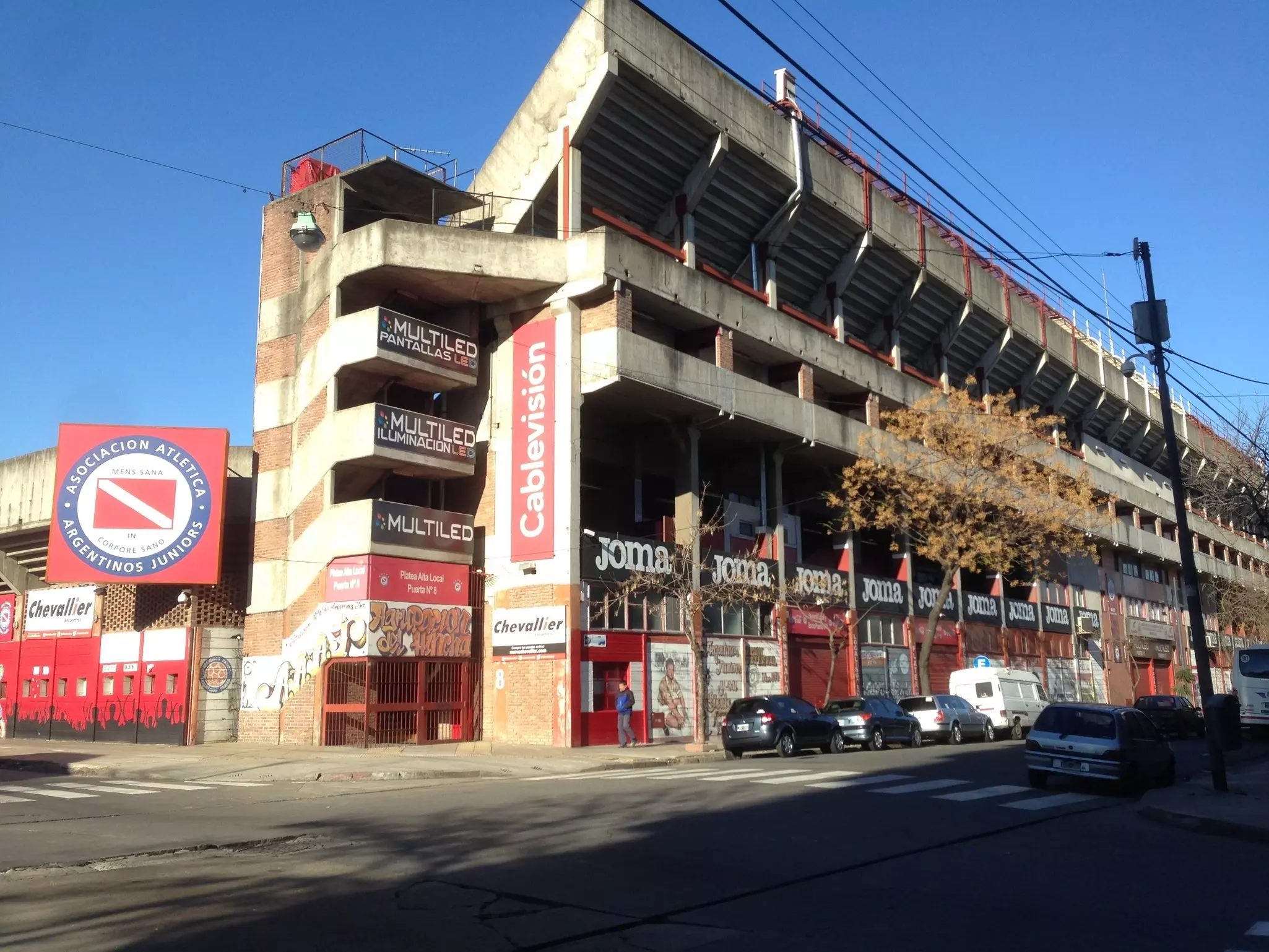
Do you want to see firsthand just how deep the Argentines’ passion for fútbol (soccer) runs? Head to a game in Buenos Aires. La Bombonera and El Monumental stadiums are the most popular, but they're also hardest to get match-day tickets for.
A more reasonable option is to check out the smaller teams like Argentinos Juniors, Huracàn and Vélez Sarsfield. They are all in different neighborhoods of Buenos Aires, but good transportation makes getting there easy. You'll still get to see a match and all the shouting, insults and celebrations accompanying it.
Planning tip: Keep an eye on the match schedule, which can be chaotic. You can go alone or look for agencies organizing tours, like Tangol. They offer a multiday tour, with admission to a Boca Juniors or River Plate match, plus visits to the clubs’ museums.
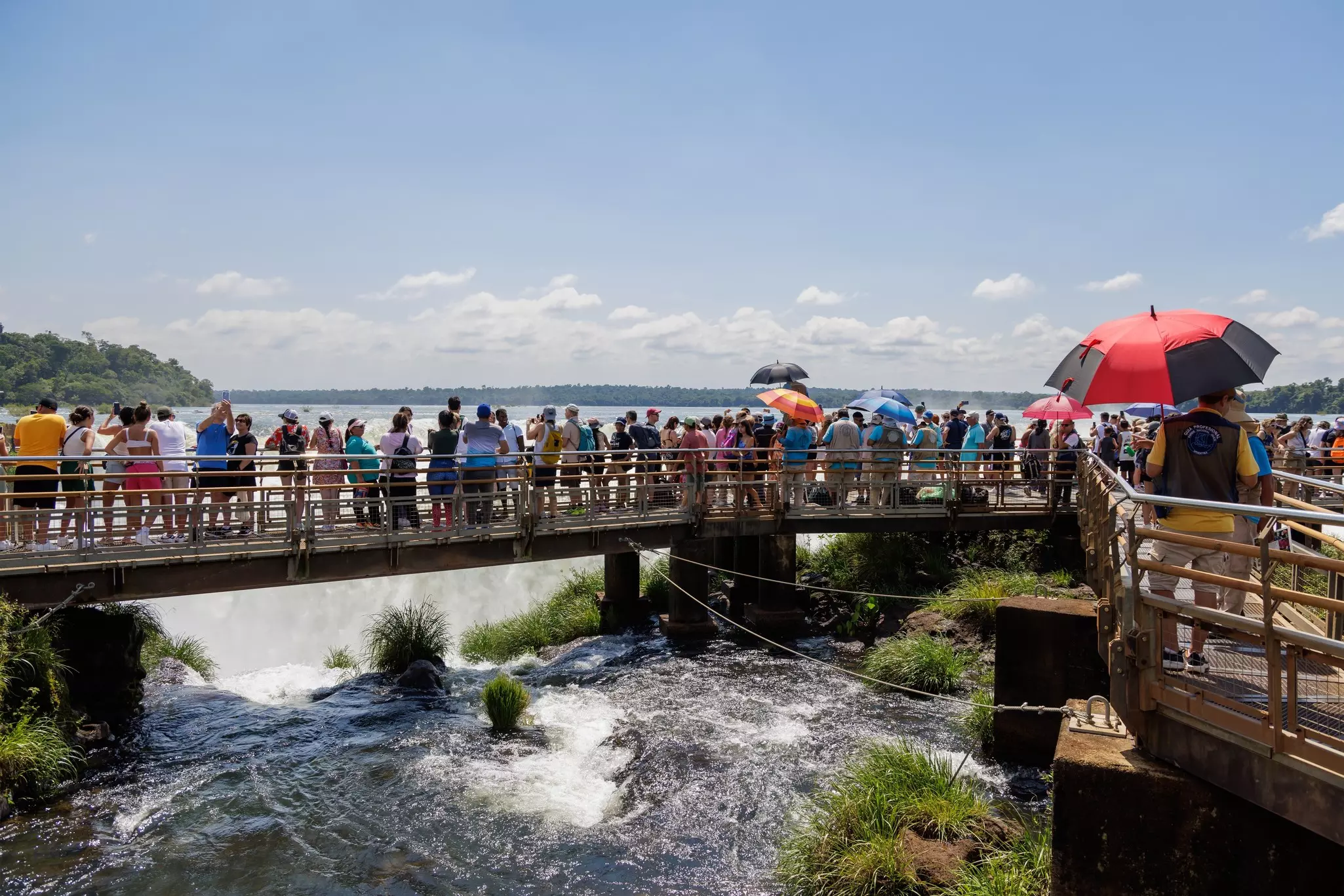
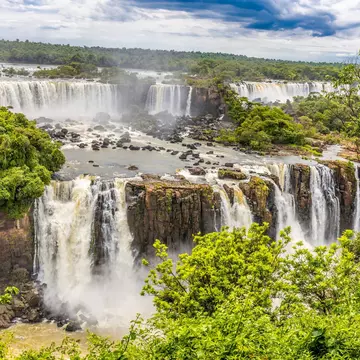
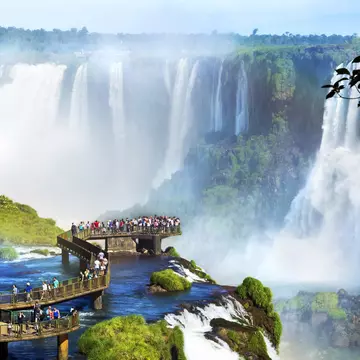
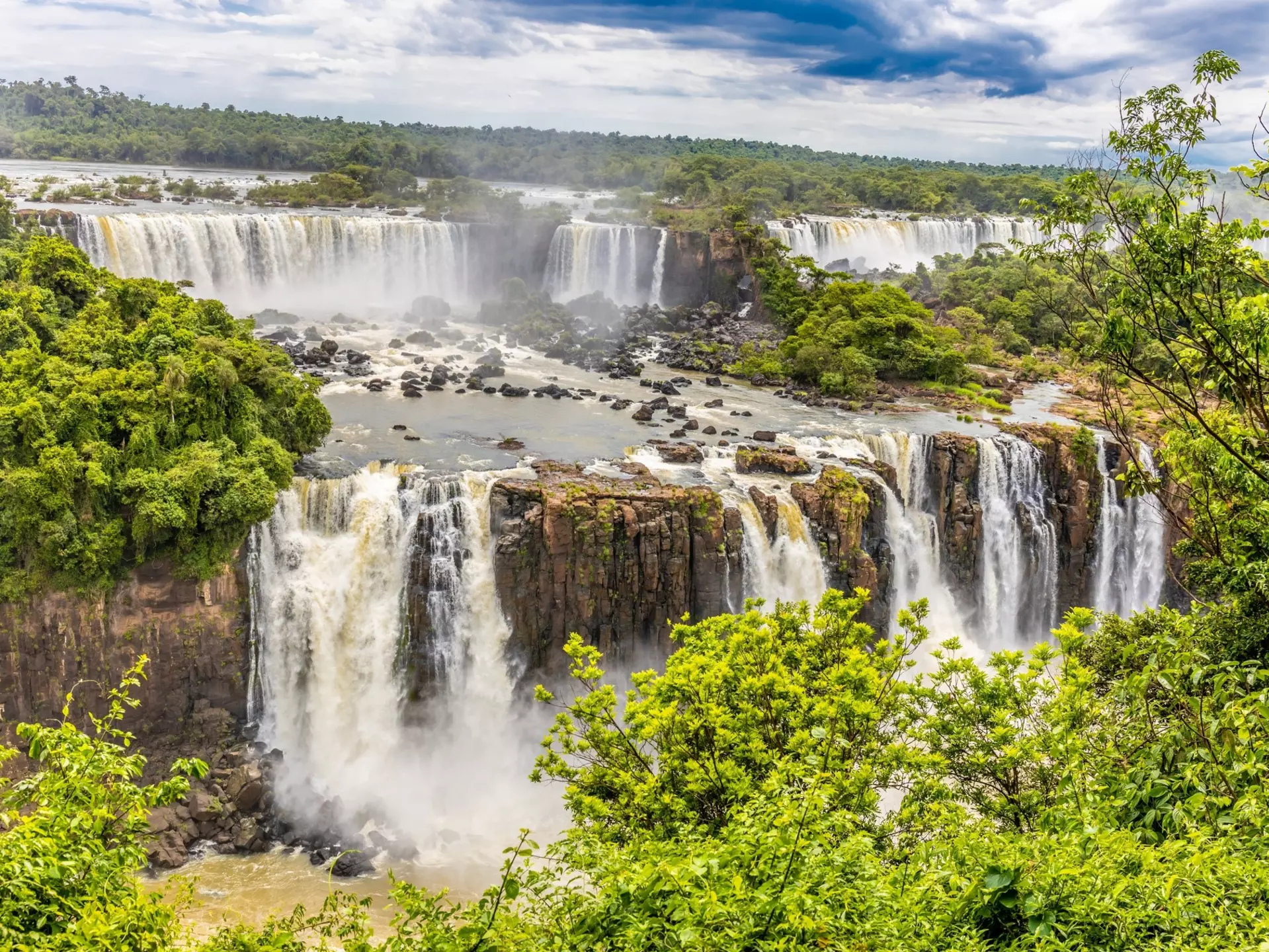
The Iguazú Falls are a natural wonder shared by Argentina and Brazil. The series of waterfalls is split between UNESCO-listed national parks in two cities: Puerto Iguazú in Argentina and Foz do Iguaçu in Brazil.
The main attraction is Devil's Throat, measuring an astonishing 82m (269ft) high and 150m (492ft) wide. The falls can be reached in several ways, including by trails, from viewpoints and on boat rides.
You'll end the hike wet even if you're wearing rain gear, but you'll be charged with positive energy.
Planning tip: The falls are worth seeing from both sides. You can visit any time of the year, but temperatures are pretty high between December and February. Try to enter the park early in the morning to avoid crowds – you'll also have a better chance of spotting animals. Last entry is at 4:30pm.
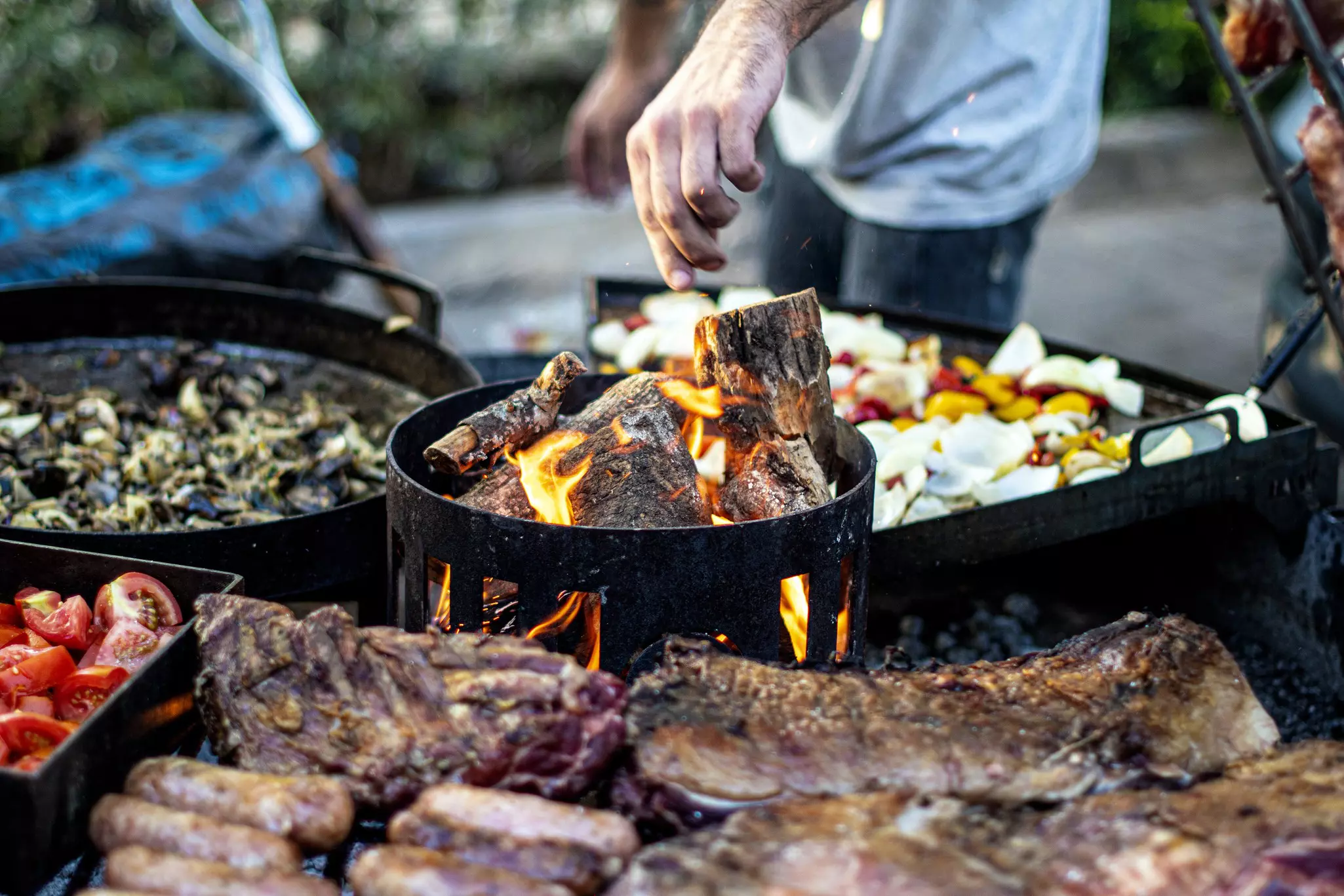
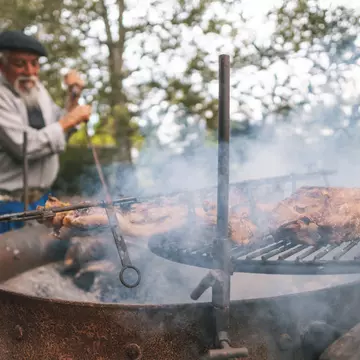
Argentina ranks among the world's top cattle producers, and Argentines take great pride in their meat. The variety of cuts to choose from is vast and has become more complex over time – it's now a job to be a meat sommelier.
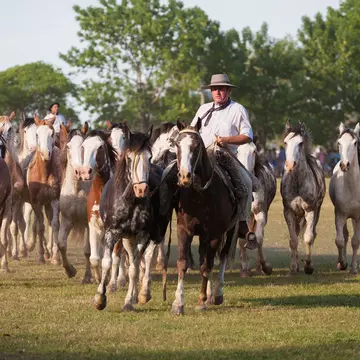
On the outskirts of Buenos Aires, the estancias (cattle ranches) offer barbecue meals to enjoy outdoors. In the city itself, if you’re not invited to an asado (Argentine barbecue) in a family home, you can always book a reservation at an excellent restaurant.
The best known is the Michelin-starred Don Julio. It’s not easy to get a table, and it is expensive, but it is worth it. Located on the corner of Gurruchaga and Guatemala, the restaurant specializes in cuts of beef from Aberdeen Angus and Hereford steers fed only on natural pasture.
Lonely planet’s trusted travel insurance provider
Travel with confidence. Protect your trip and your wallet.
We don’t represent World Nomads, we receive a fee from quotes using this link. This is not a recommendation to buy travel insurance.
Don Julio is also the favorite grill of the Argentine soccer star Lionel Messi. Its butcher shop, La Carnicería, specializes in pastured meats and sells cuts of meat on the bone.
Alternatively, Fogón offers a nine-course tasting menu featuring seasonal vegetables, quality cuts of Argentine beef and delectable desserts like crepes with dulce de leche.
Planning tip: Both restaurants are in the heart of Palermo, renowned as the neighborhood with the highest concentration of restaurants in Buenos Aires.
Catamarca, in northwest Argentina, offers incredible views of volcanoes over 6000m (19,685ft) high. This region of the Andes Mountains stretches almost 200km (124 miles) and is filled with colorful peaks, valleys, lagoons and Andean salt flats where pink flamingos live.
Planning tip: You can visit it all year round, although October to April is recommended because the rains can interrupt the route between December and March. It is essential to make the trip in a 4x4 truck, accompanied by a specialist guide.
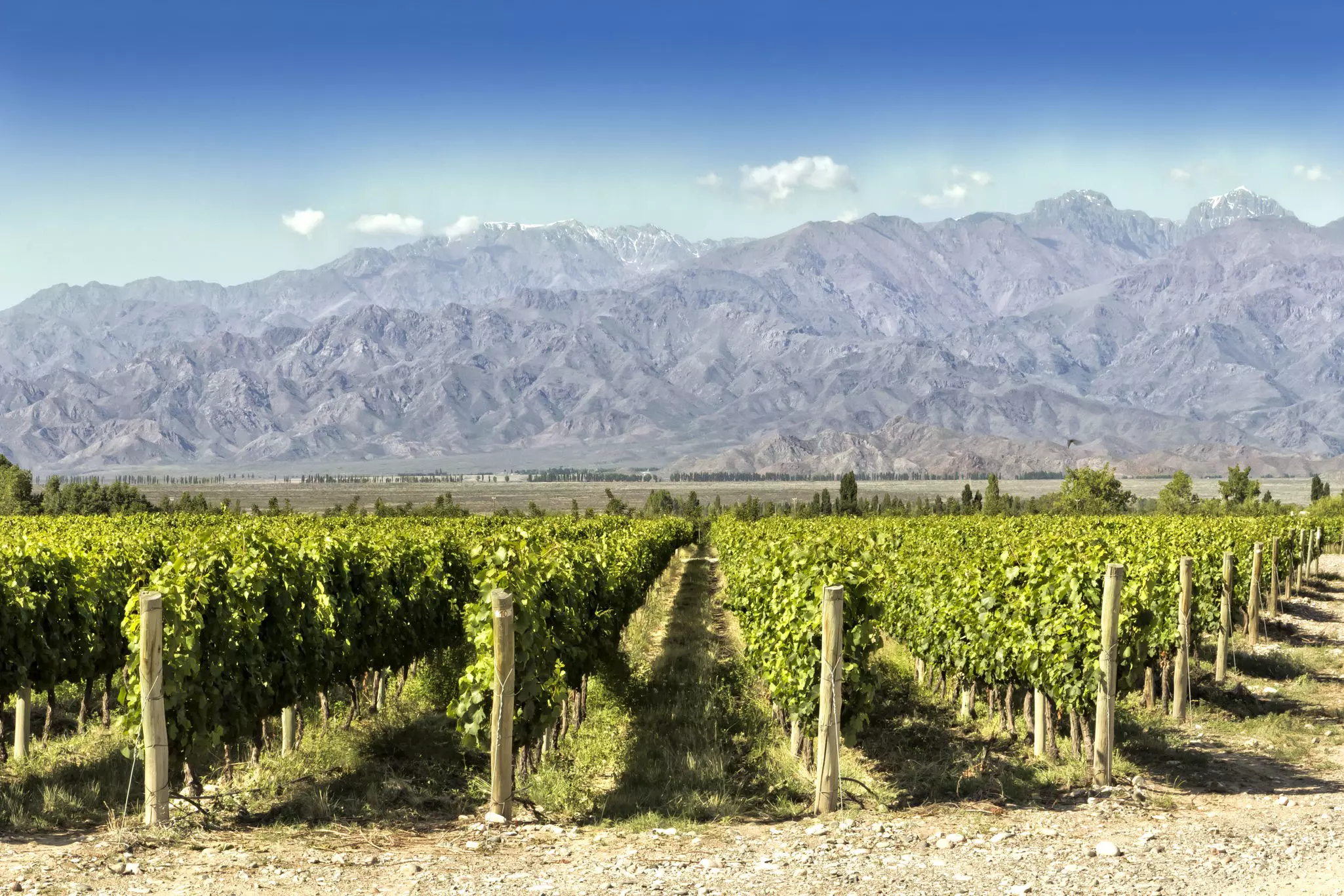
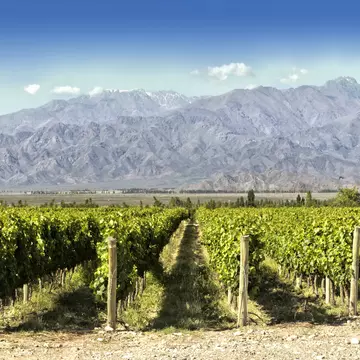
Mendoza produces more than 78% of Argentina's wine. This midwestern province of the country is a paradise for lovers of good wine, especially its most famous grape variety: malbec.
Go in March to celebrate the National Grape Harvest Festival, which features concerts and parades with floats from all the wine regions. Visitors can also participate in a grape harvest, visit dozens of wineries, attend tastings and even stay overnight at some of them. At Entre Cielos, you can spend a night in a suite on stilts, right above a vineyard.
Maipú Valley, Luján de Cuyo and Uco Valley are some of the province's best-known wine regions.
Witnessing the fall of a giant iceberg is an experience that is hard to forget. You hear and feel a roar as large chunks of glacier break away.
You can see this spectacle in Parque Nacional Los Glaciares, in southwestern Patagonia. The park's most famous site is the Perito Moreno Glacier, a magnificent wall of ice with icebergs more than 30km (18 miles) long.
There are vantage points and steel catwalks that let you close enough to the action while keeping you at a safe distance. In addition to touring the park, you can navigate among the glaciers and hike on the ice. In both cases, it is necessary to take an organized tour.
Planning tip: The best time to go is from November to March.
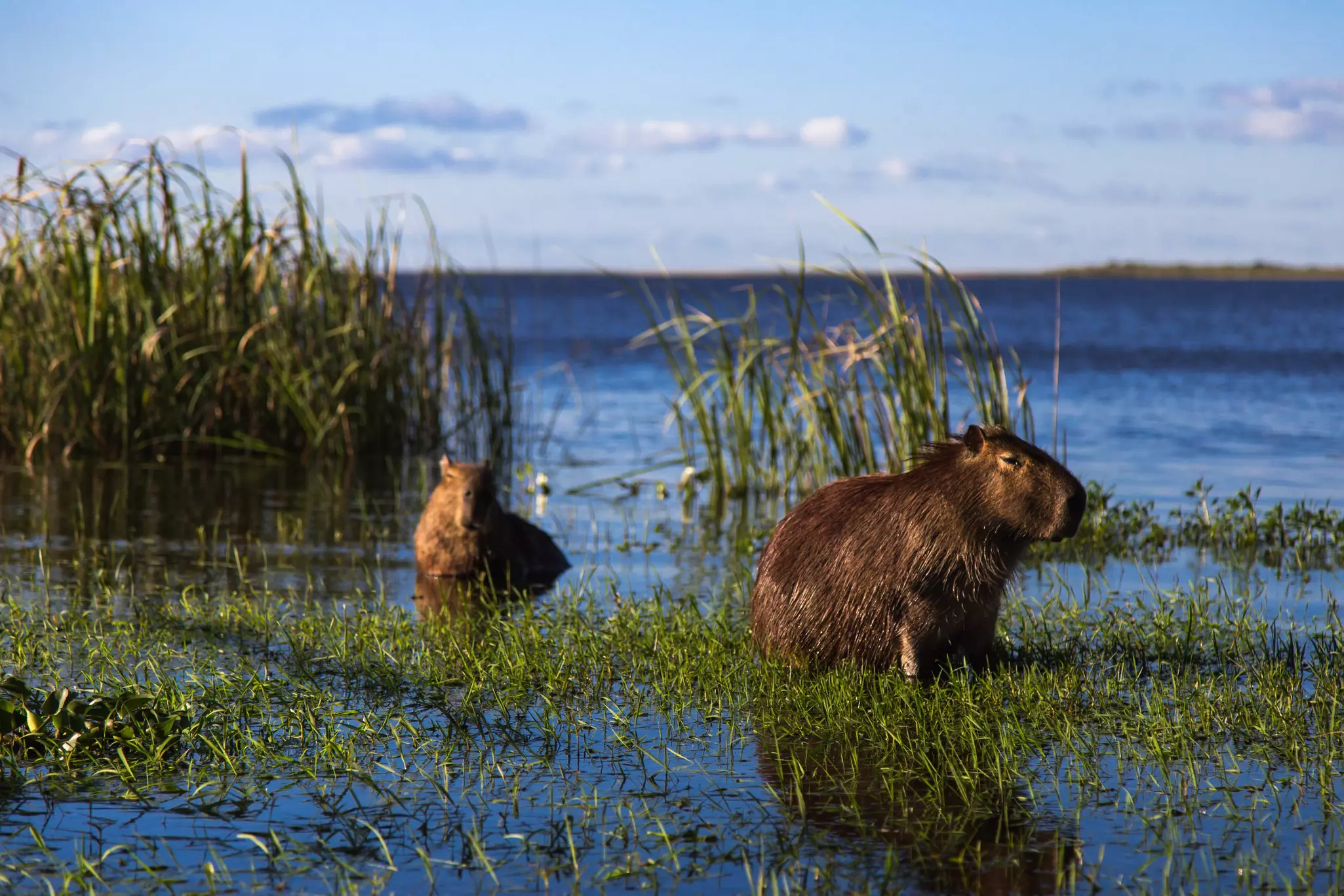
Esteros del Iberá in northeast Argentina is a natural paradise of more than 1 million hectares – one of the largest freshwater reserves in the world. The most popular activity in the area is a boat ride through the wetlands.
There, you can see caimans, capybaras and birds such as southern screamers (chajás), herons (garzas) and southern lapwings (teros) in their natural habitat. You can also enjoy the palm groves and grasslands on horseback, and take in the enormity of one of the country's best skies for stargazing.
Planning tip: The marshes have multiple access points such as San Nicolás, Cambyretá and Carambola. The most developed is Portal Iberá, found in Colonia Carlos Pellegrini, accessible from either Posadas (Misiones) or Mercedes (Corrientes). The best seasons are autumn and spring; when the weather is milder, the plants bloom and the birds return.
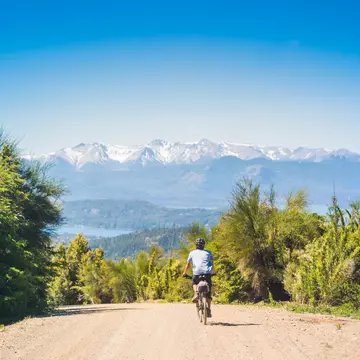
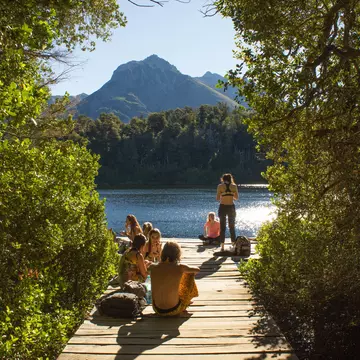
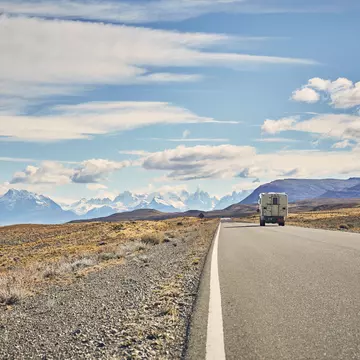
The road that joins the cities of Villa La Angostura and San Martin de los Andes is one of the most beautiful scenic routes in Argentina. Many travelers journey through the region in northern Patagonia in a day by car or on a private tour, but why not take it slow and embark on a 100km (62-mile) bike tour? The effort is worth it.
You’ll visit the national parks of Huapi and Lanín, pass by lakes and forests, and marvel at snow-capped mountains along the paved route.
Join up with a company to organize the whole trip, including camping or hostel accommodations. All you have to bring is your desire to do it.
Planning tip: To enjoy the trip, allow four days to complete it. The route from south to north is best since the road slopes down more than it goes up.
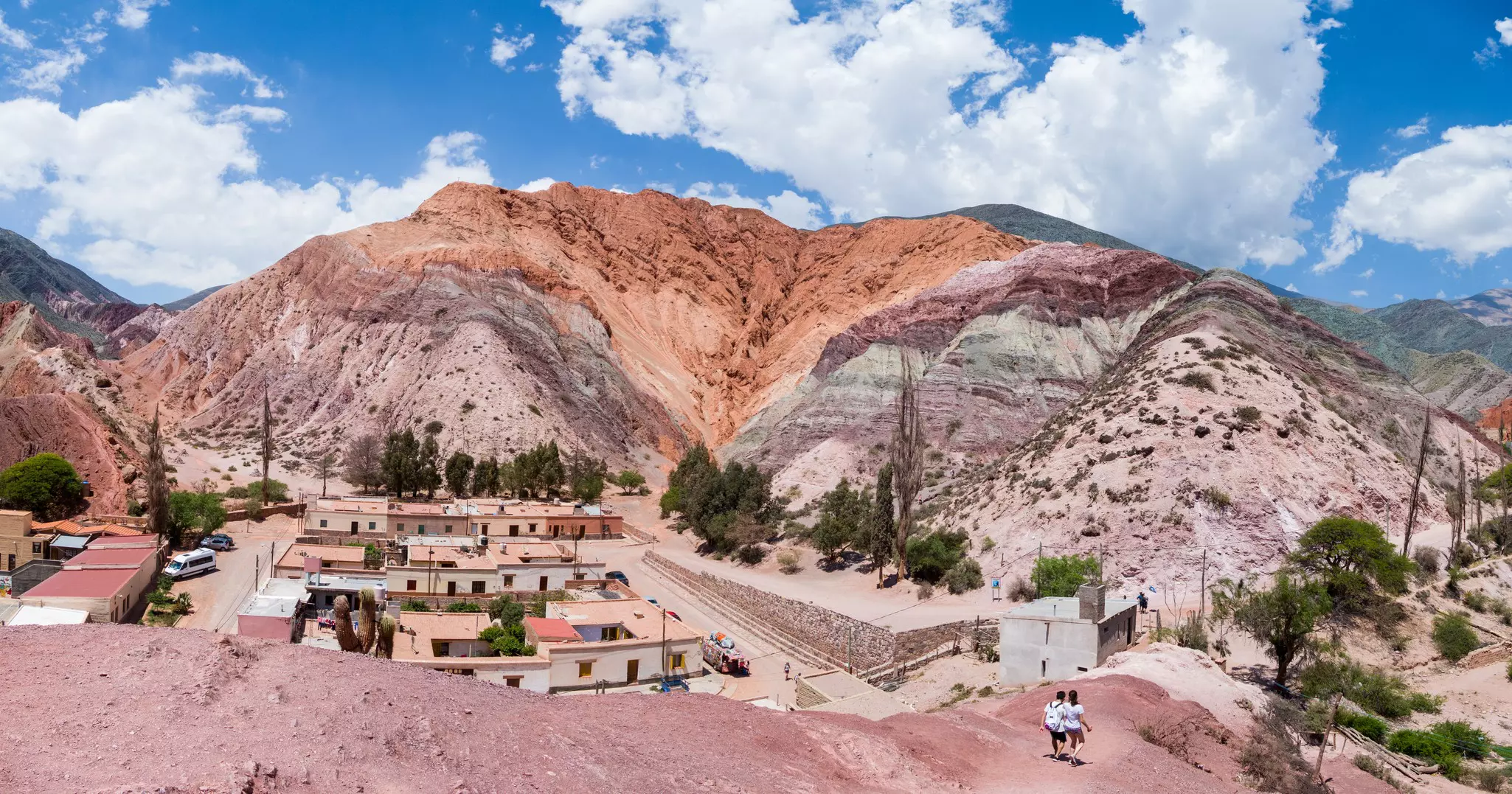
Quebrada de Humahuaca is a mountainous valley in the Jujuy Province, with several towns that cross the Rio Grande along a 155km (96-mile) stretch. For those who make the trek (and not many do), there’s a bounty of beautiful landscapes. For over 10,000 years, numerous indigenous cultures have called this place home.
It was an important place in northwestern Argentina for the Incas in particular. Hike the Cerro de los Siete Colores (Hill of Seven Colors), located in Purmamarca, and stand in awe of reddish and ocher colors etched on rock formations, trace the paths forged by the Incas, and discover charming villages.
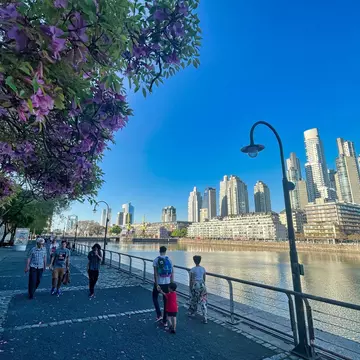
Buenos Aires is one of the great cultural capitals of Latin America. Tango is the music of the city, formed from a mixture of cultures and migratory currents that arrived at the end of the 19th century.
The city is full of milongas (dance schools or halls), where you can learn to dance to this music. Good places to try include La Viruta, Villa Malcolm and La Catedral. The first two are open daily, and the last from Tuesday to Sunday.
There are also places where you can listen to tango singers, full of expressiveness and feeling for this music representing the porteños (people born in Buenos Aires). El Boliche de Roberto and Los Laureles are two old bars where you can listen to the singers with a good glass of wine.
Buenos Aires also has more than 300 theaters spread throughout the city. Performances take place Monday through Sunday and cover diverse genres including drama, comedy, musical theater and a large number of stand-up shows.
Corrientes Ave, between Callao and Cerrito, has a large number of theaters and restaurants. Watching a play and eating a slice of pizza is a popular activity among porteños.
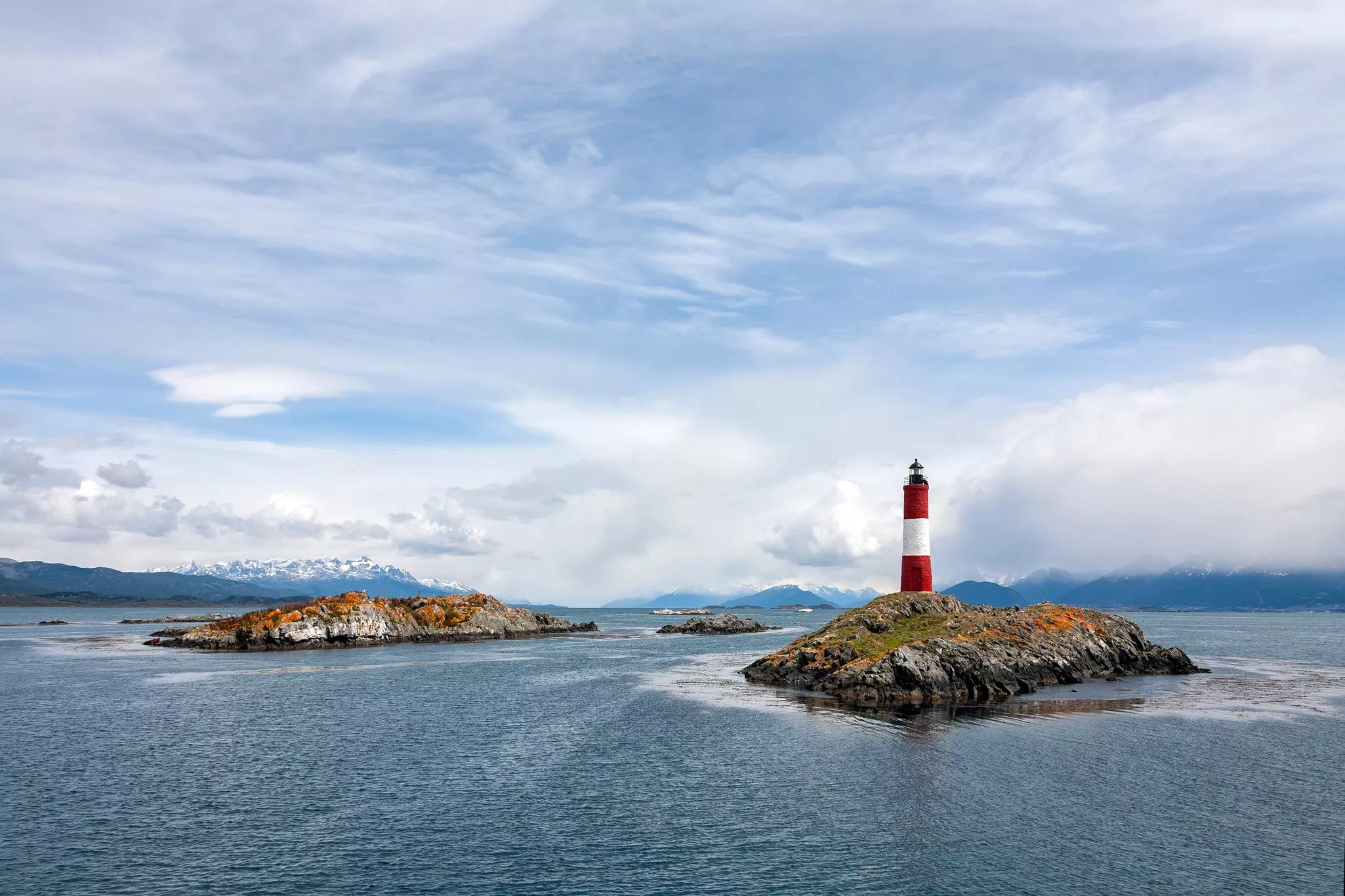
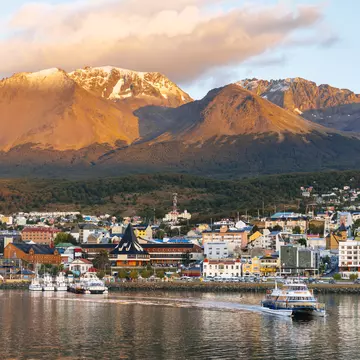
The Beagle Channel, which joins the Pacific and Atlantic oceans, is full of stories. In 1833, Charles Darwin's voyages through these waters shaped his groundbreaking theory of evolution.
The classic boat tour to cross the channel departs from the remote city of Ushuaia, known as “the city at the end of the world.” The tour is an excellent opportunity to learn about the history of the place and to see marine wildlife such as sea birds and, if you are lucky, whales, dolphins and sea lions.
The Les Eclaireurs Lighthouse is another of Patagonia's icons, along with the Bridges Islands, where you can disembark if the weather is good. The lighthouse was important in navigation history because it guided numerous ships toward the Pacific Ocean.
Planning tip: The trip takes about three hours. The best time to make the excursion is early summer.
Take your Argentina trip with Lonely Planet Journeys
Time to book that trip to Argentina
Lonely Planet Journeys takes you there with fully customizable trips to top destinations – all crafted by our local experts.


Explore related stories