Getty Images
Seoul
Fashion- and technology-forward but also deeply traditional, this dynamic city mashes up palaces, temples, cutting-edge design and mountain trails, all to a nonstop K-Pop beat.
Attractions
Must-see attractions
Gwanghwamun & Jongno-gu
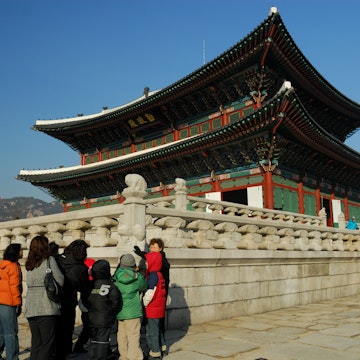
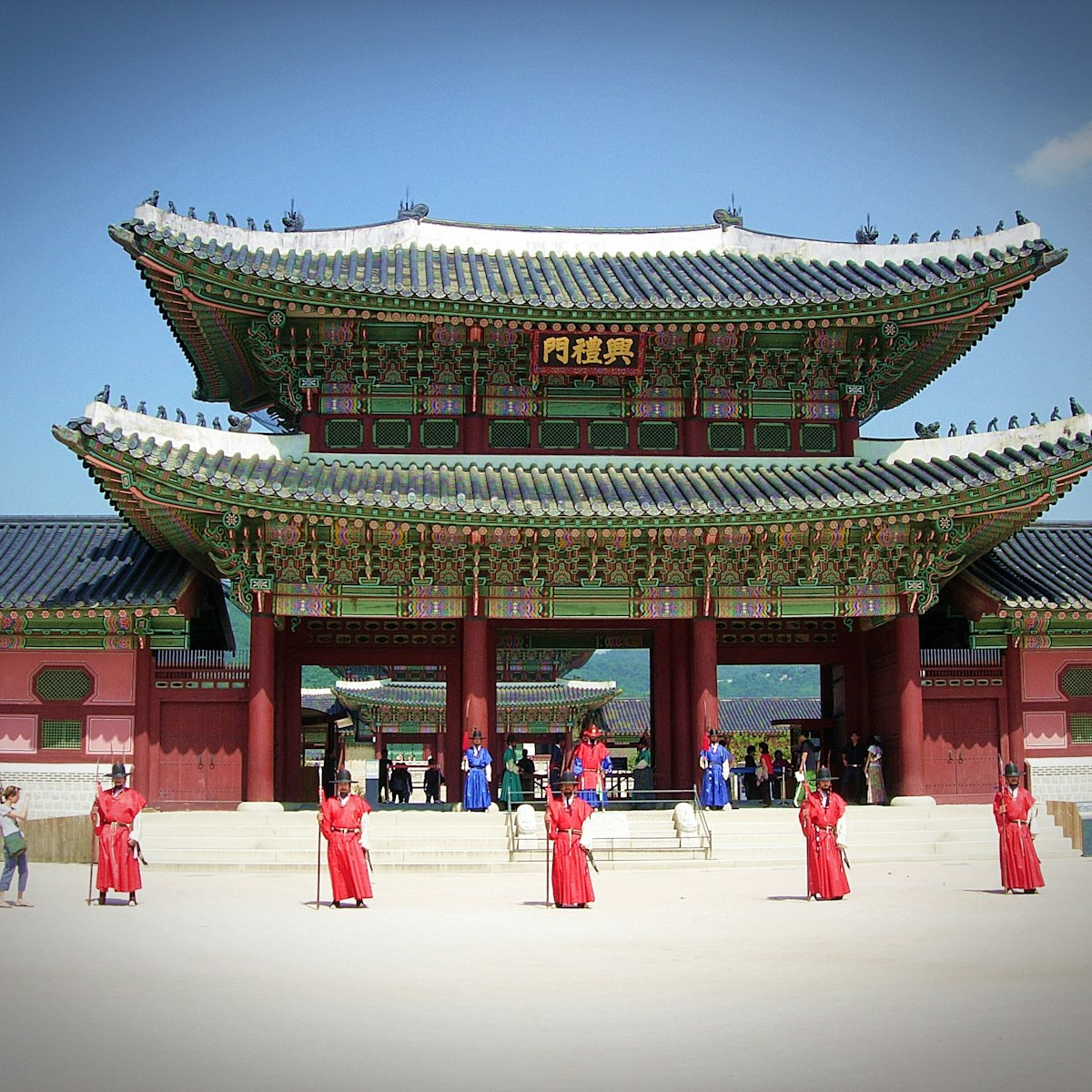
Like a phoenix, Seoul’s premier palace has risen several times from the ashes of destruction. Hordes of tourists have replaced the thousands of government…
Gwanghwamun & Jongno-gu
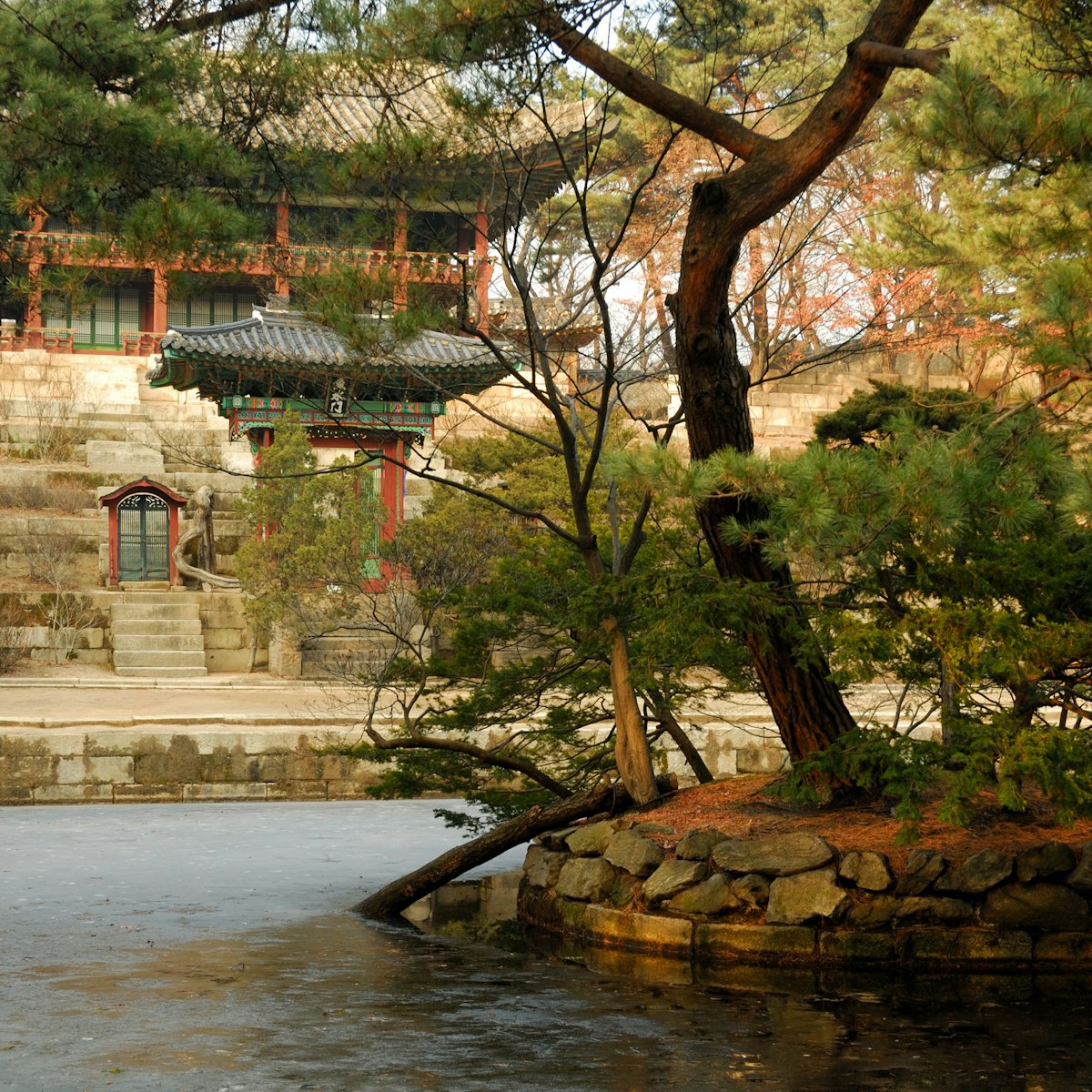
The World Heritage–listed Changdeokgung is the most beautiful of Seoul's five main palaces. You must join a one-hour guided tour to look around. English…
Itaewon & Yongsan-gu
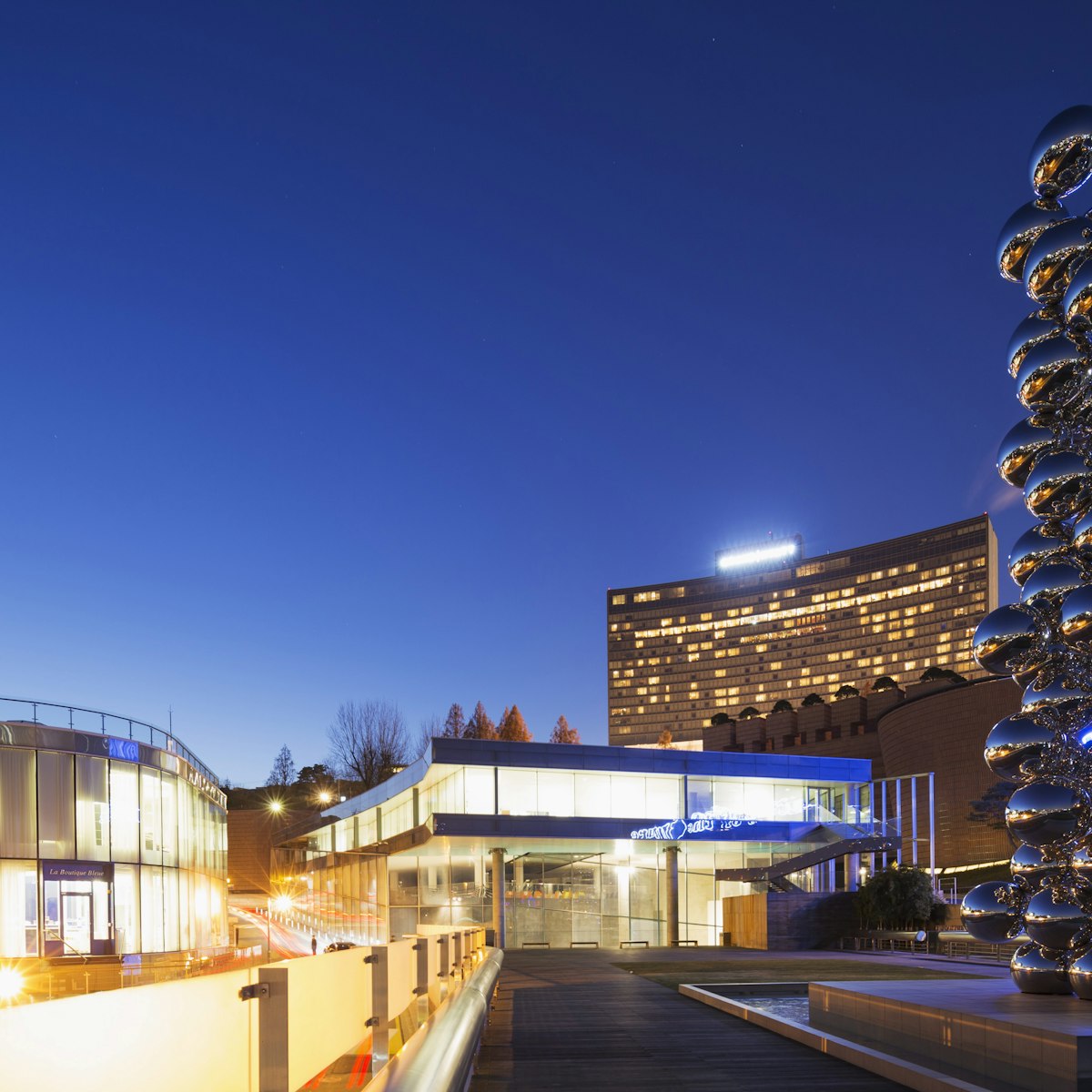
Amid the celebrity-owned apartments on the leafy southern slope of Namsan is Korea's premier art gallery. Beautifully designed and laid-out, it balances…
Myeong-dong & Jung-gu
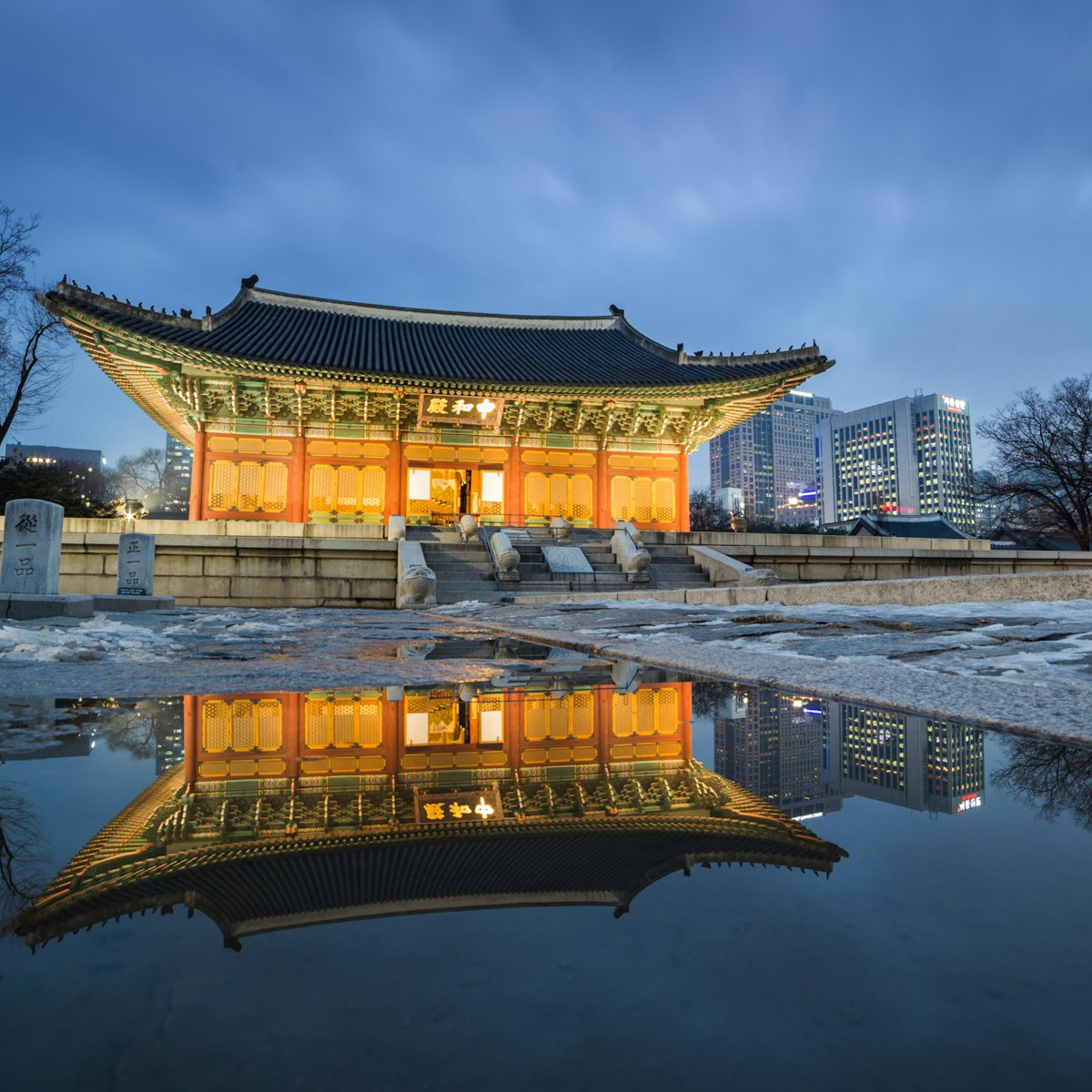
One of Seoul's five grand palaces built during the Joseon dynasty, Deoksugung (meaning Palace of Virtuous Longevity) is the only one you can visit in the…
Itaewon & Yongsan-gu
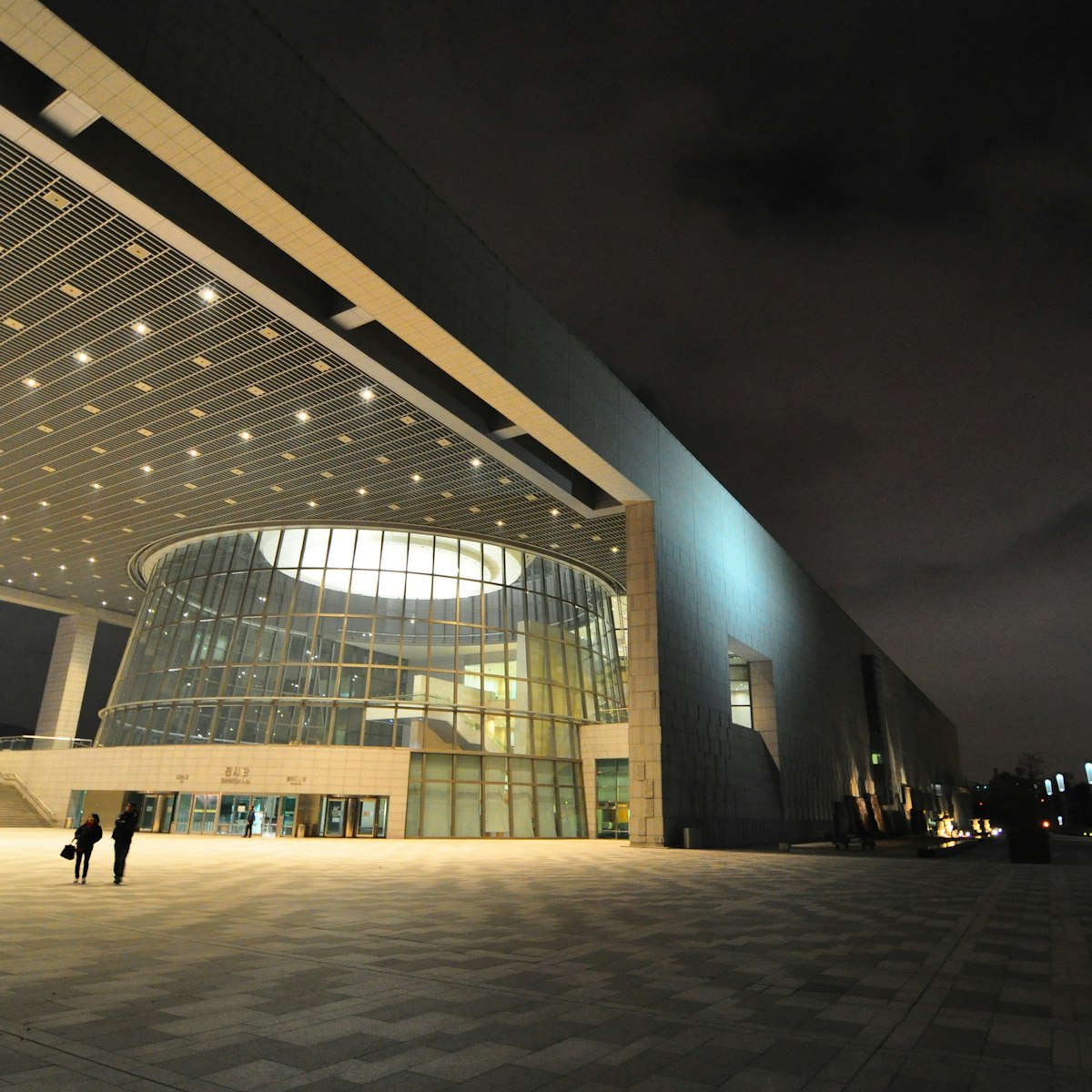
This vast and imposing concrete slab of a museum takes visitors on a fascinating journey through Korea's past from prehistory all the way to the Korean…
Itaewon & Yongsan-gu
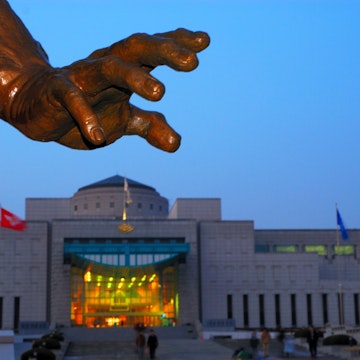
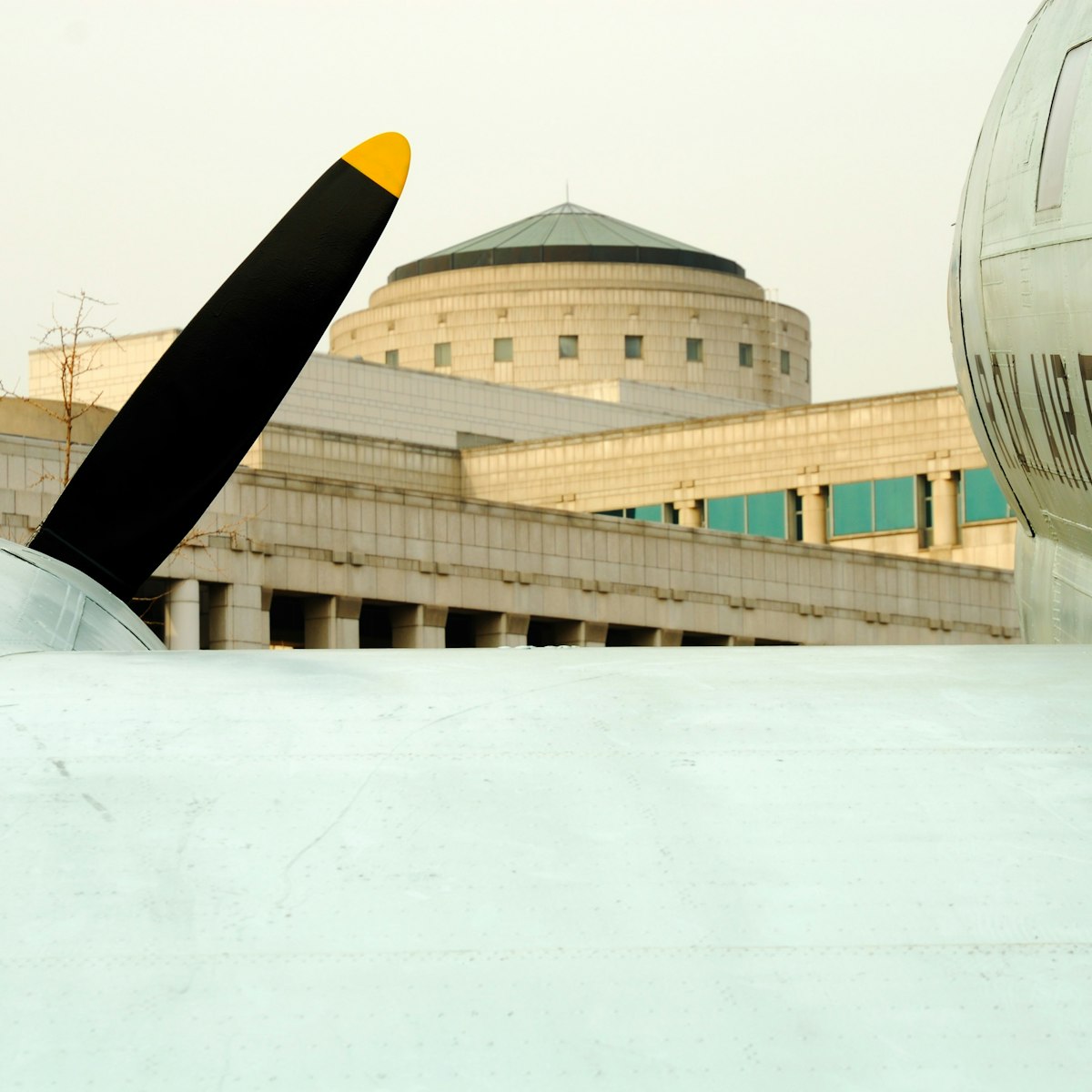
This huge museum documents the history of the Korean War (1950–53) using multimedia exhibits and black-and-white documentary footage, along with artefacts…
Gangnam & Southern Seoul
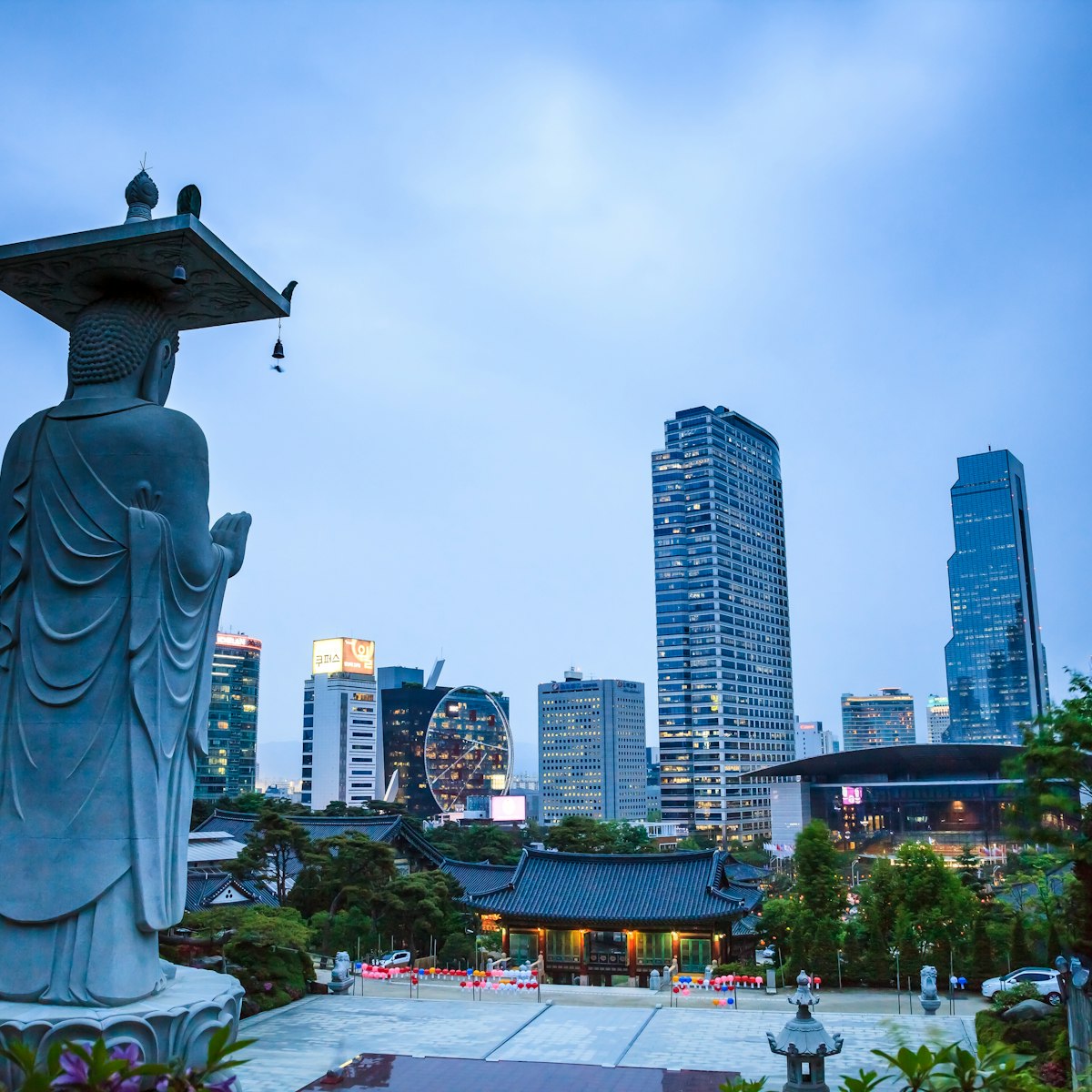
Located in the heart of ritzy Gangnam, the shrines and halls of the Buddhist temple Bongeun-sa, with its tree-filled hillside location, stand in direct…
Dongdaemun Design Plaza & Park
Dongdaemun & Eastern Seoul
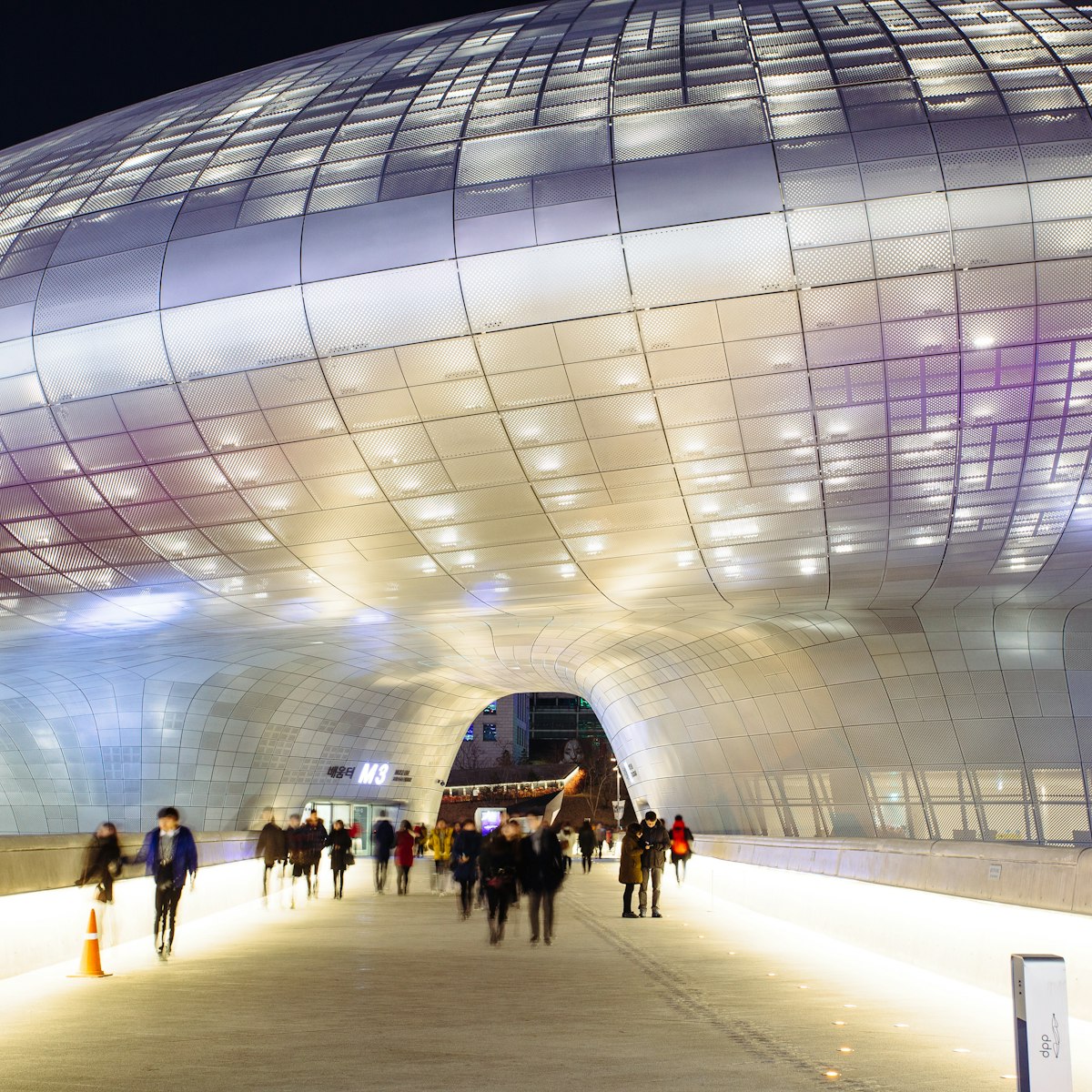
Designed by the late Zaha Hadid, this neofuturistic cultural complex was commissioned to replace the Dongdaemun Stadium, built during Japanese rule in the…
Attractions
Top picks from our travel experts
Myeong-dong & Jung-gu
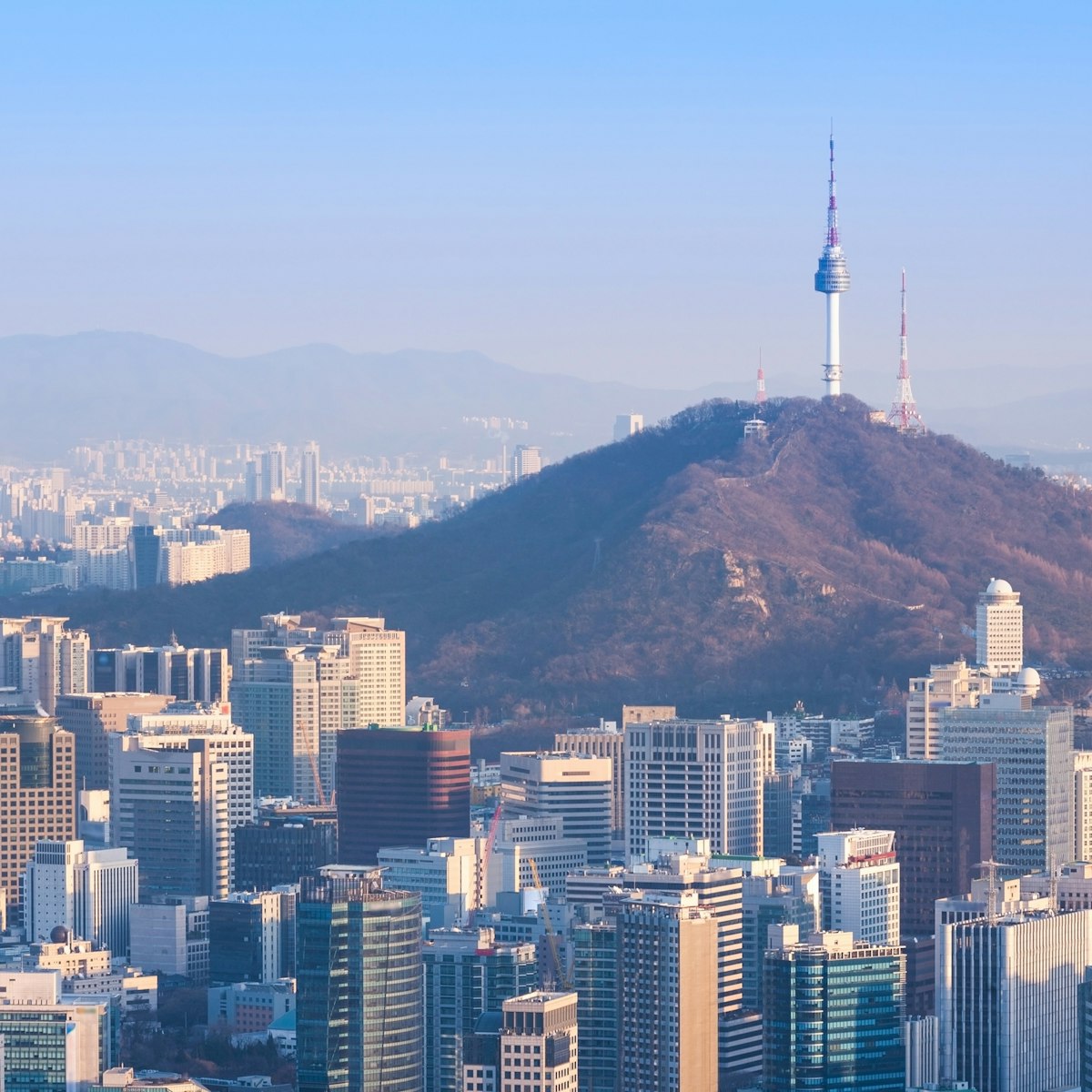
The iconic N Seoul tower (236m), atop the city’s guardian mountain Namsan, offers panoramic views of this immense metropolis from its observation deck…

Gwanghwamun & Jongno-gu
Give yourself at least an hour to do justice to this excellent museum. It has three main exhibition halls, covering the history of the Korean people, the…
Gwanghwamun & Jongno-gu
The World Heritage–listed Changdeokgung is the most beautiful of Seoul's five main palaces. You must join a one-hour guided tour to look around. English…
Gwanghwamun & Jongno-gu
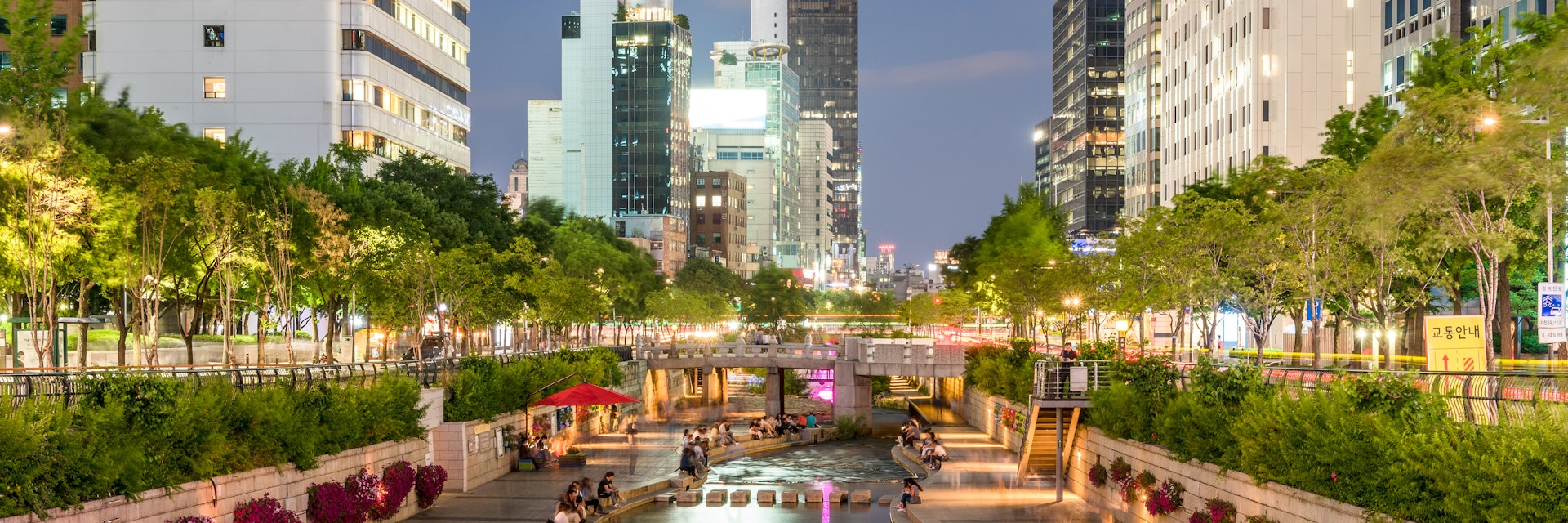
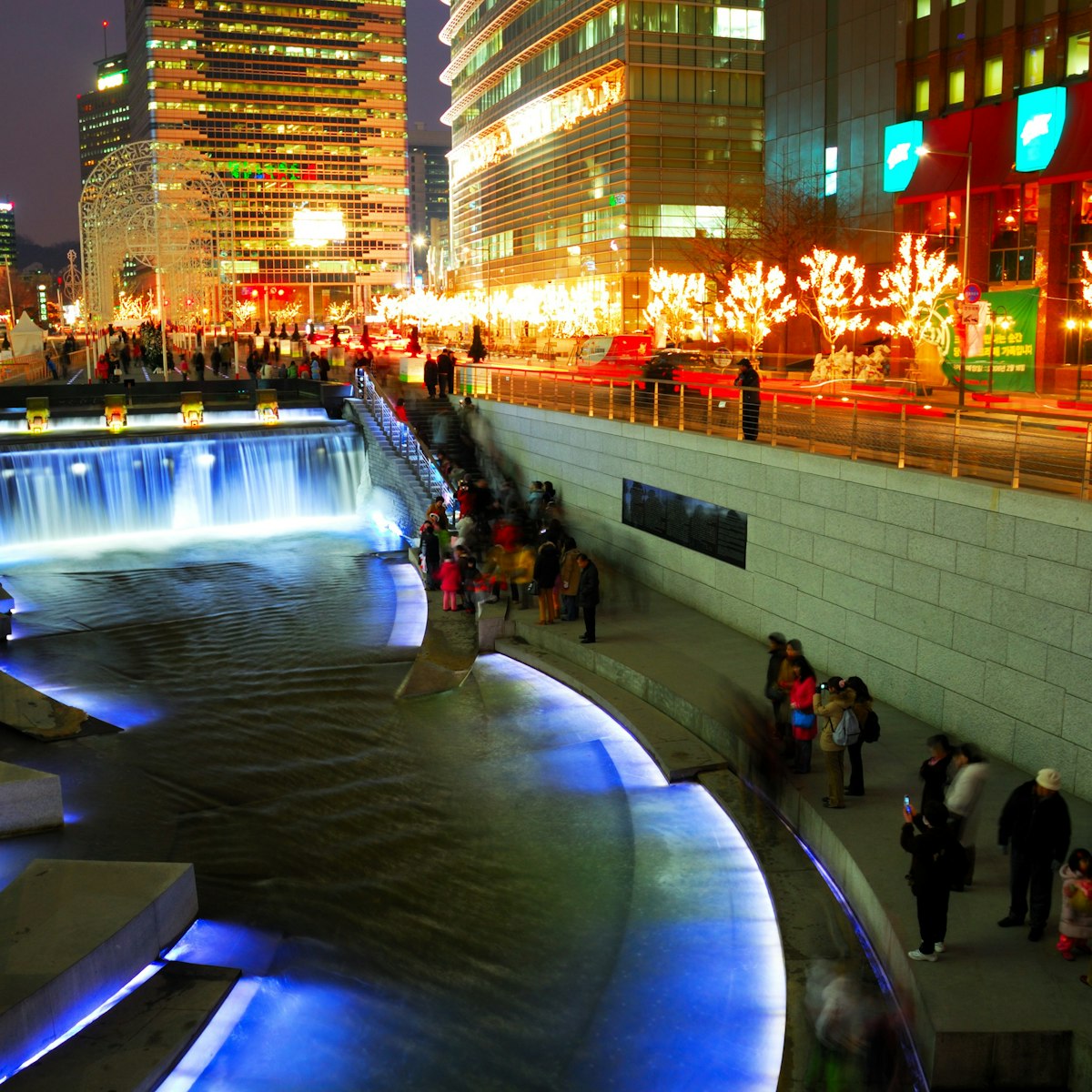
With its landscaped walkways, footbridges, waterfalls and a variety of public artworks, such as the enormous pink-and-blue shell entitled Spring in Cheong…
Gangnam & Southern Seoul
Gangnam's 'Hallyuwood Walk of Fame' pays homage to K-Pop stars in the form of cutesy bear sculptures dedicated to K-Wave singers and actors.
Myeong-dong & Jung-gu
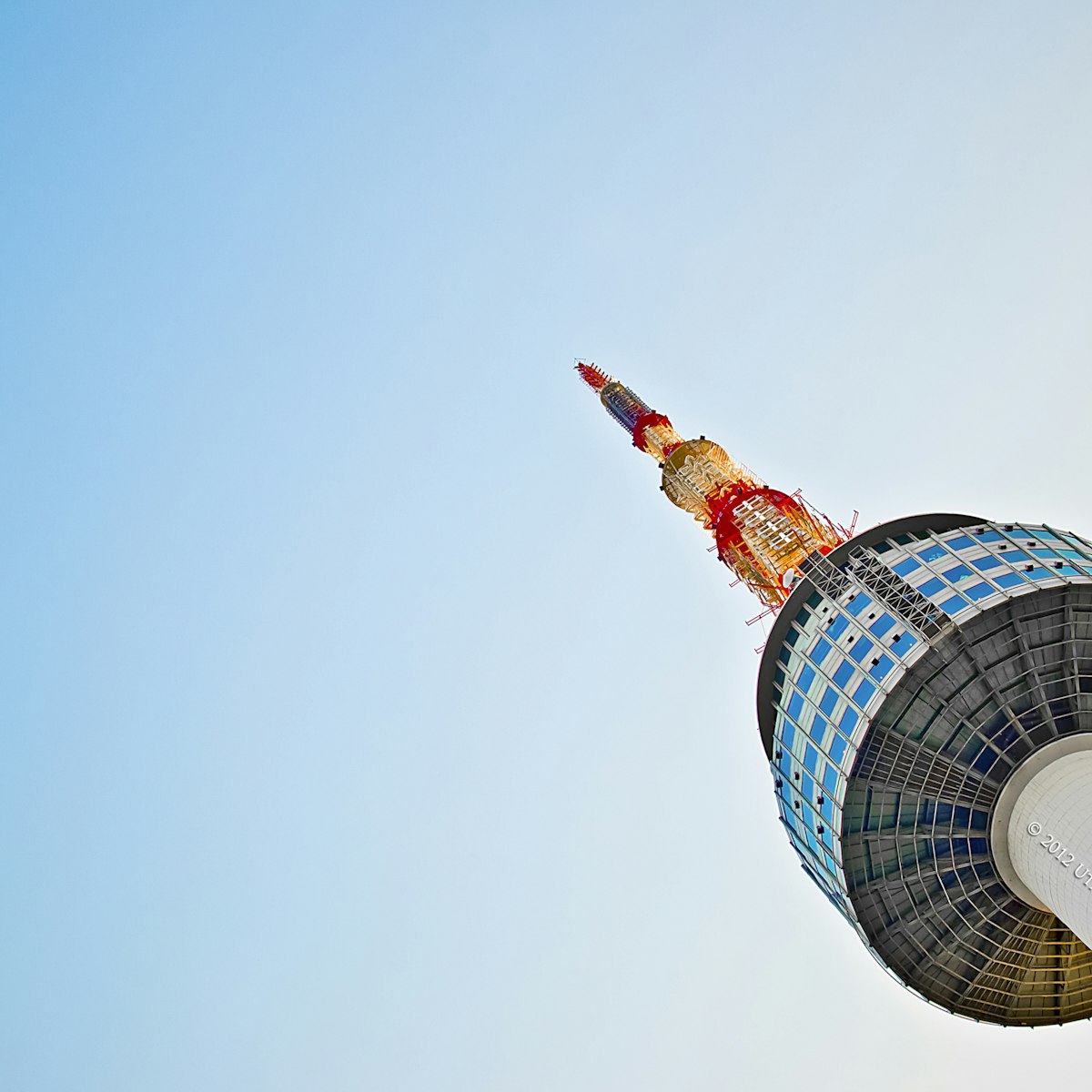
Beloved by locals as a place for exercise, peaceful contemplation and hanging out with loved ones, Namsan was a sacred shamanistic spot when the Joseon…
Gangnam & Southern Seoul
Located in the heart of ritzy Gangnam, the shrines and halls of the Buddhist temple Bongeun-sa, with its tree-filled hillside location, stand in direct…

Myeong-dong & Jung-gu
One of the most popular brands for affordable, young women's casual fashion, Stylenanda's flagship store is especially notable for its pink design. The…
Gwanghwamun & Jongno-gu
The impressive main gate to Seoul's premier palace is flanked by stone carvings of haechi, mythical lion-like creatures traditionally set to protect the…
Gwanghwamun & Jongno-gu
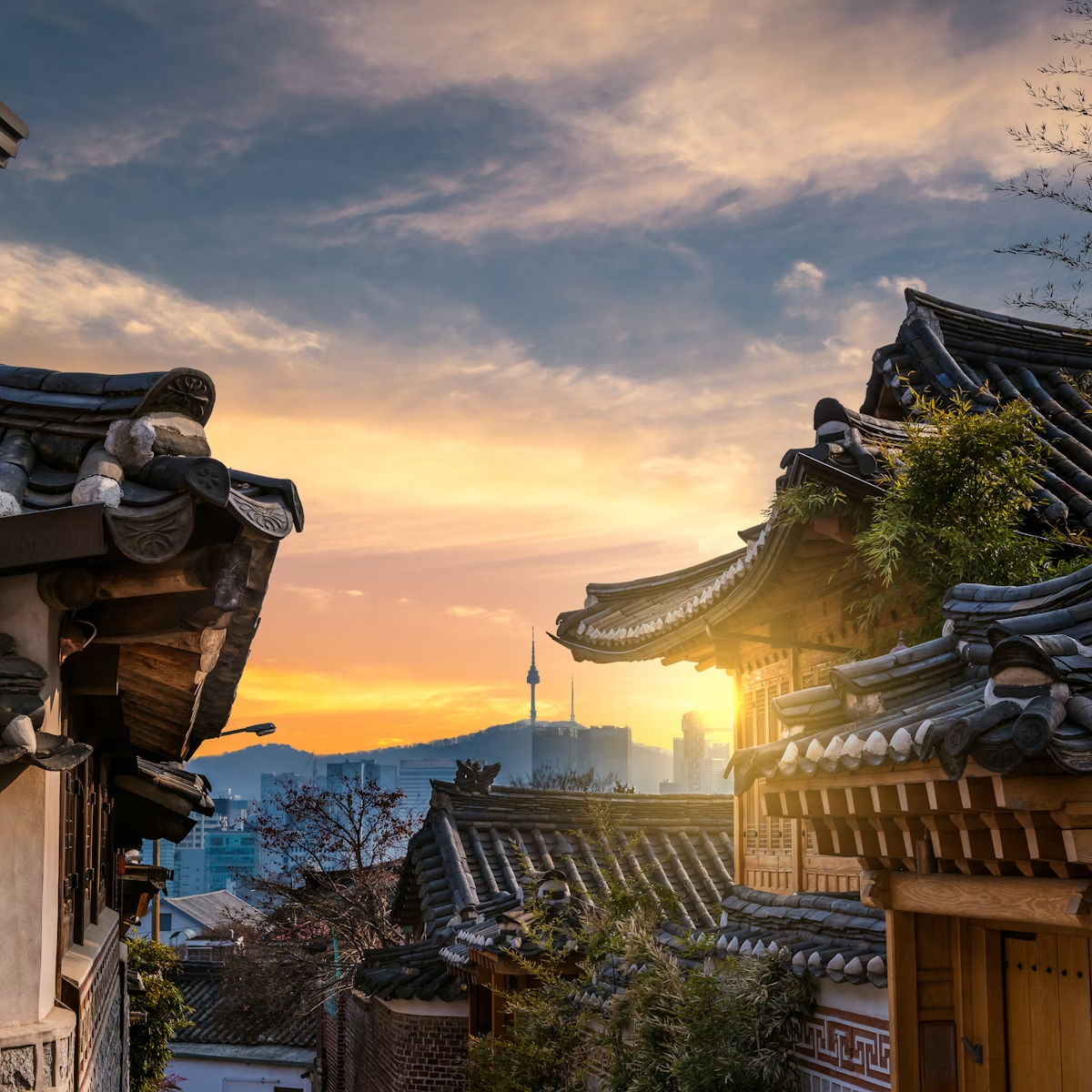
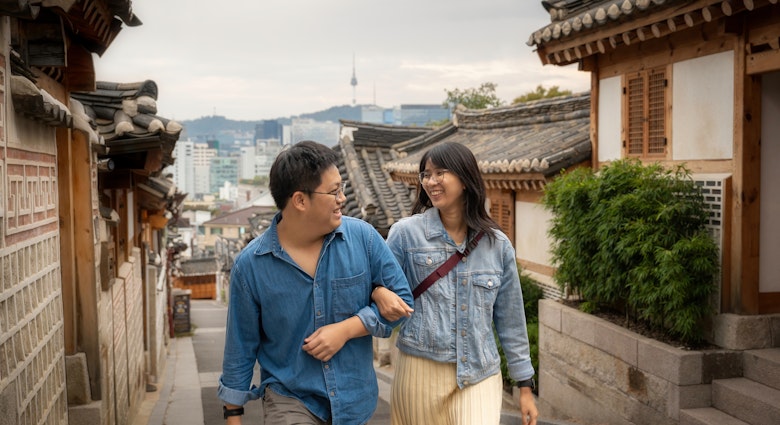
Meaning ‘North Village’, Bukchon, between Gyeongbokgung and Changdeokgung, is home to around 900 hanok, Seoul’s largest concentration of these traditional…
Dongdaemun & Eastern Seoul
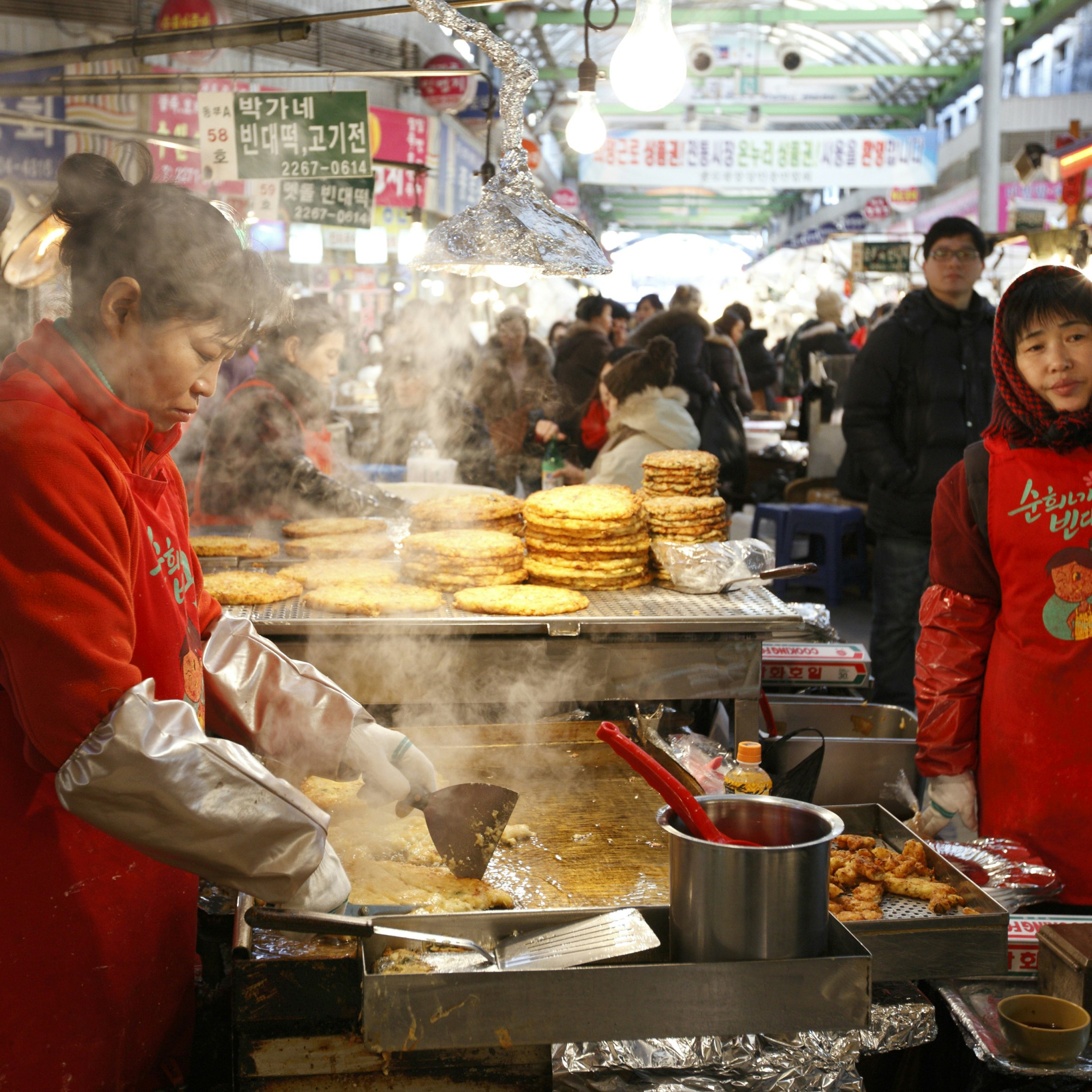
This sprawling fabric market is now best known as Seoul’s busiest meokjagolmok (food alley), thanks to the 200 or so food stalls, kimchi and fresh-seafood…
Gwanghwamun & Jongno-gu
Like a phoenix, Seoul’s premier palace has risen several times from the ashes of destruction. Hordes of tourists have replaced the thousands of government…
Gangnam & Southern Seoul
Located in the heart of ritzy Gangnam, the shrines and halls of the Buddhist temple Bongeun-sa, with its tree-filled hillside location, stand in direct…
Northern Seoul
This modern hillside temple is a pleasure to visit at any time of the year, but particularly in May when the grounds are festooned with lanterns for…
Gwanghwamun & Jongno-gu
To gain an appreciation of the total transformation of Seoul down the centuries, visit this fascinating museum, which charts the city's history since the…
Dongdaemun & Eastern Seoul
To fully comprehend what a mammoth and expensive effort it was to resurrect Cheong-gye-cheon, Seoul’s long buried east–west stream, pay a visit to this…
Gwanghwamun & Jongno-gu
Meaning ‘North Village’, Bukchon, between Gyeongbokgung and Changdeokgung, is home to around 900 hanok, Seoul’s largest concentration of these traditional…
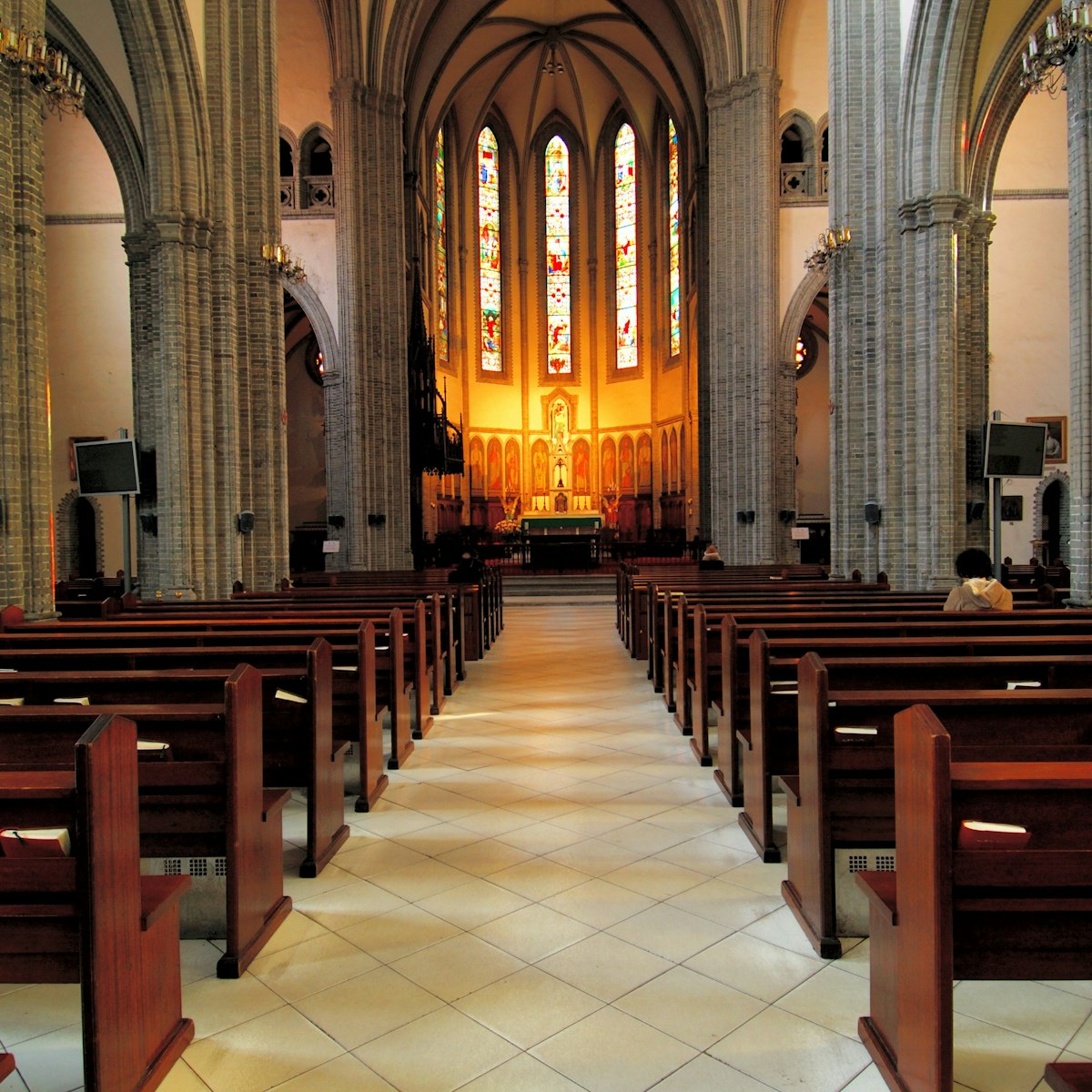
Myeong-dong Catholic Cathedral
Myeong-dong & Jung-gu
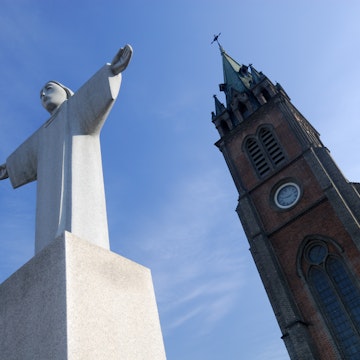
Go inside this elegant, red- and grey-brick Gothic-style cathedral, consecrated in 1898, to admire the vaulted ceiling and stained-glass windows. The…
Gwanghwamun & Jongno-gu
The Palace of Shining Celebration, completed in 1623, used to consist of a warren of courtyards, buildings, walls and gates spread over a large area. But…
Dongdaemun Design Plaza & Park
Dongdaemun & Eastern Seoul
Designed by the late Zaha Hadid, this neofuturistic cultural complex was commissioned to replace the Dongdaemun Stadium, built during Japanese rule in the…
Myeong-dong & Jung-gu
Hosting world-class exhibitions that are always worth a visit, SEMA has ultramodern, bright galleries inside the handsome brick-and-stone facade of the…
Northern Seoul
High on the slopes of Naksan is one of the city's old daldongnae (literally ‘moon villages’) where refugees lived in shacks after the Korean War. Sixty…
Myeong-dong & Jung-gu
The iconic N Seoul tower (236m), atop the city’s guardian mountain Namsan, offers panoramic views of this immense metropolis from its observation deck…
Seoul
This 6.3km park, named for the former Gyeongui Line (on which it was built), is a narrow, long green space that runs along the discarded railroad tracks…
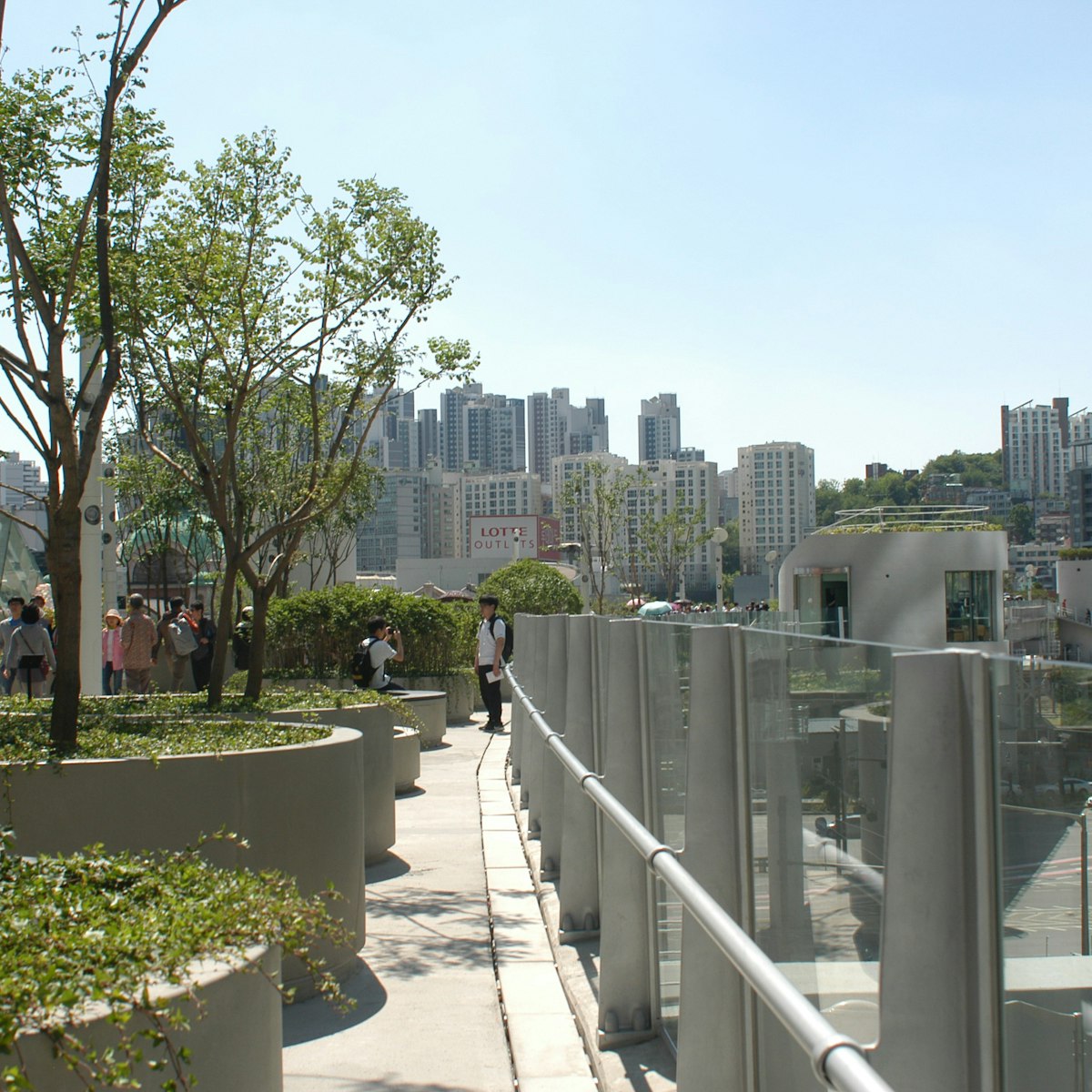
Myeong-dong & Jung-gu
This overpass-turned-park is a green space in the heart of the city. About 24,000 plants are grown here, including various types of flowers and trees, all…
Seoul
Originally built after Korea’s first oil crisis in 1973 and reopened in 2017, this cultural centre is made up of five abandoned oil tanks. Planted in a…
Gangnam & Southern Seoul
One of Seoul's premier malls and the world's largest underground mall, the shiny COEX is a vast maze of department stores loaded with shops selling…
Itaewon & Yongsan-gu
This vast and imposing concrete slab of a museum takes visitors on a fascinating journey through Korea's past from prehistory all the way to the Korean…
Gangnam & Southern Seoul
Covered with 10,000 lights, the Banpo Bridge Rainbow Fountain's coloured water rains down in messy arcs from the double-decker Banpo Bridge. More…
Northern Seoul
The lofty slopes above Daehangno offer fantastic city views and contain an impressive section of the Seoul City Wall, which you can follow in either…
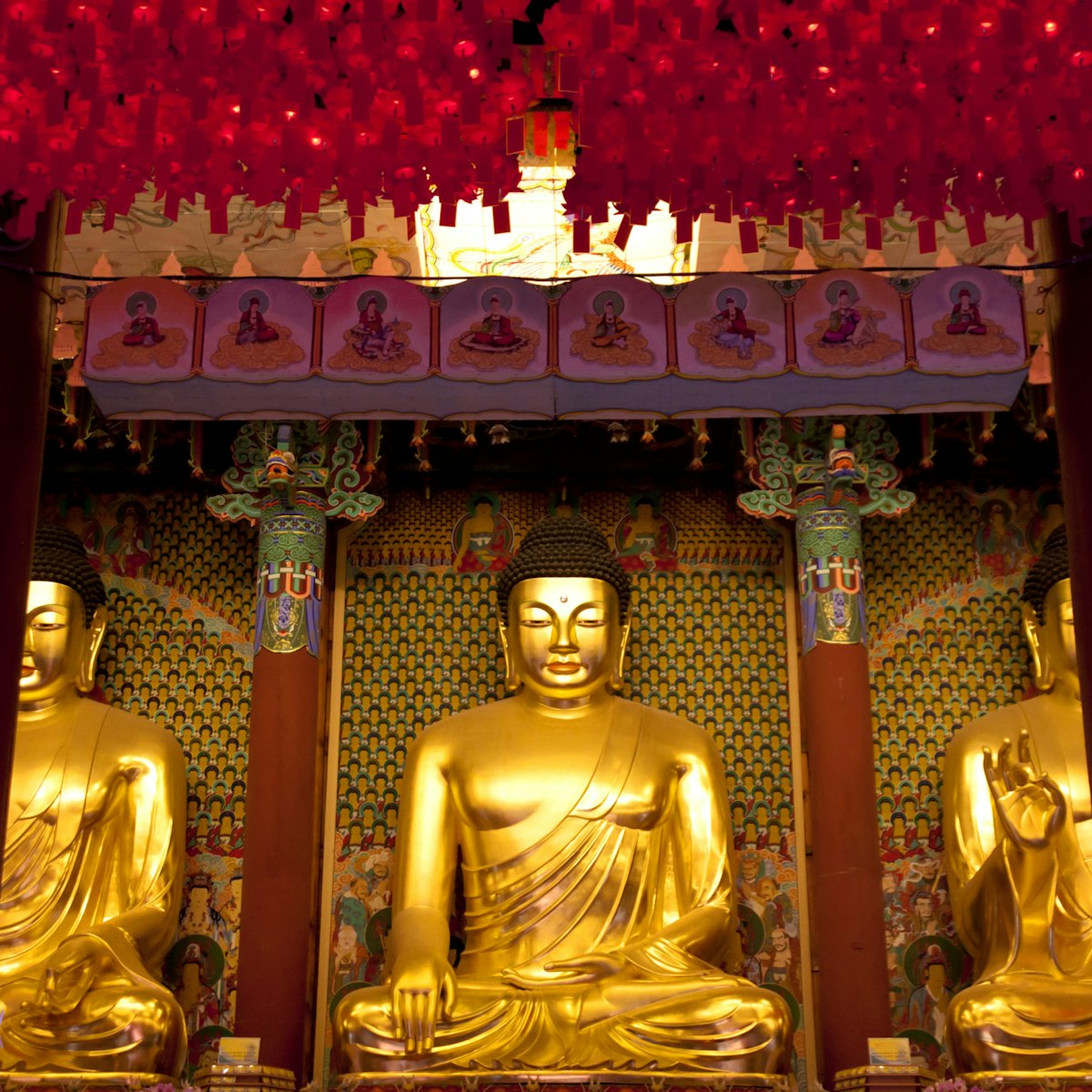
Gwanghwamun & Jongno-gu
The focus of Jogye-sa is the grand wooden hall Daeungjeon, Seoul's largest Buddhist worship hall and the epicentre of Korean Buddhism. Completed in 1938,…
Seoul
Jeoldusan means ‘Beheading Hill’ – this is where up to 2000 Korean Catholics were executed in 1866 following a royal decree, most thrown off the high…
Gwanghwamun & Jongno-gu
With its landscaped walkways, footbridges, waterfalls and a variety of public artworks, such as the enormous pink-and-blue shell entitled Spring in Cheong…
Seoul
A former water-filtration plant on an island in the Han River has been transformed into this award-winning park. The old industrial buildings have been…
Planning Tools
Expert guidance to help you plan your trip
Things to Know
If you’re planning a trip to Seoul, follow these solid tips to guide you through everything you need to know, from etiquette to transportation.
Read articleBest Neighborhoods
Get to know exciting Seoul by exploring the South Korean capital’s neighborhoods, from happening hot spots to quiet backstreets.
Read articleDay Trips
So over Seoul? Delve deeper into South Korea's history and culture with these day trips from the capital.
Read articleMoney and Costs
Stretch your budget in Seoul with these top money-saving tips and a guide to daily costs.
Read articleTransportation
Make the most of Seoul's incredible public transport but don't miss out exploring on foot.
Read articleFree Things to Do
Visiting Seoul on a budget? These temples, parks and viewpoints offer the best of the South Korean capital – for free.
Read articleArticles
Latest stories from Seoul
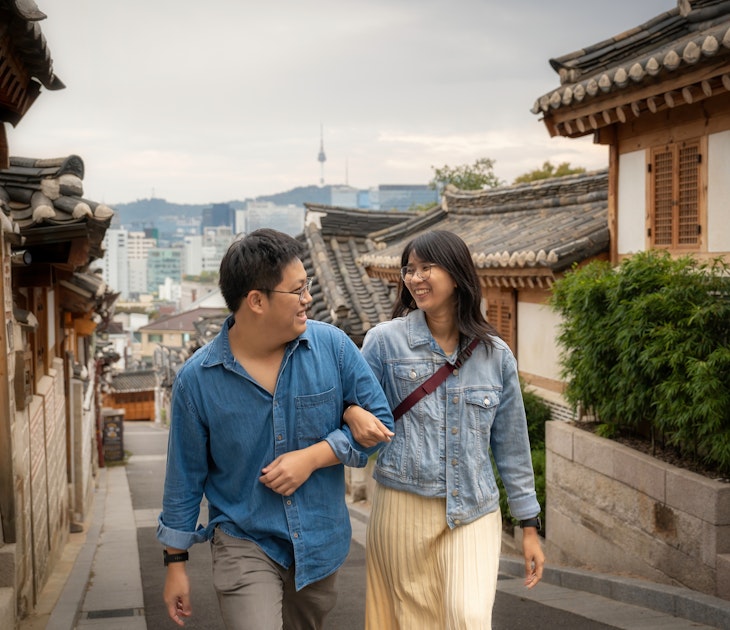

 Art and CultureThe 8 best museums in Seoul for art, history and even kimchi
Jun 22, 2022 • 7 min read
in partnership with getyourguide
Book popular activities in Seoul
Guidebooks
Purchase our award-winning guidebooks
Get to the heart of Seoul with one of our in-depth, award-winning guidebooks, covering maps, itineraries, and expert guidance.