Jun 5, 20265 min read
Where to celebrate Pride in the US in 2026Nov 19, 2025
11 MIN READ

Writer

Writer
The United States spans a whole continent, its vast and diverse terrain stretching some 3000 miles from east to west and 1650 miles from north to south – and that’s not including Alaska and Hawaii. It’s impossible to see every corner of such a huge place, but all this variety means there are plenty of opportunities to explore and experience something different.
Whether you’re looking for outdoor adventure, a relaxing beach getaway, a city jaunt or a deep dive into history and culture, you’ll never find yourself at a loss for things to see and do in the USA. Here's our pick of the best experiences across the nation.
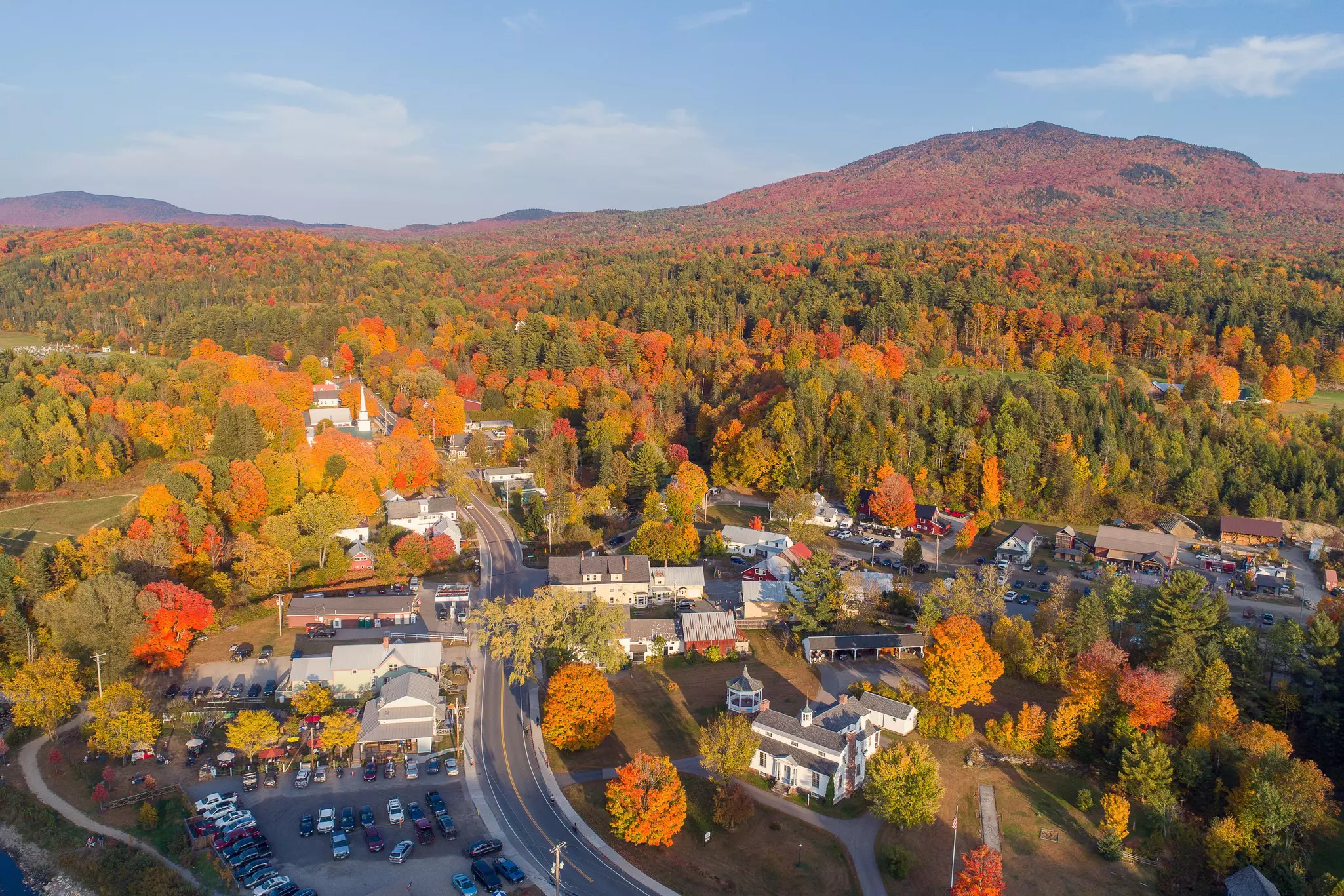
As the birthplace of the automobile, the US literally invented the modern road trip. An intricate network of highways and byways crisscrosses this huge country, creating an endless number of possible itineraries to tackle. Get your kicks on historic Route 66 from Chicago to California, or retrace the route of 19th-century migrants across the Great Plains and the Rocky Mountains. Drive the magnificent Pacific Coast Highway, or make a circuit through the West’s spectacular national parks. On the East Coast, the backroads and byways of New England reveal picturesque towns and farms set among hills and valleys that burst into famously glorious color each autumn. Further south, the Blue Ridge Parkway and the Natchez Trace Parkway offer a captivating mix of scenery, history and local culture.
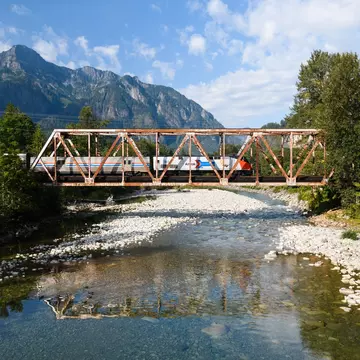
Planning tip: While a car offers the most flexibility, there are other ways to get around. The long-distance bus network connects most major towns and cities, and traveling by train is a scenic, though often more expensive, way to see the country.

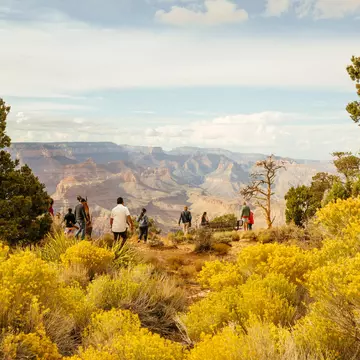
Few desert landscapes can compare with the diversity and sheer magnificence of the southwestern US. Hike among sandstone cliffs eroded into dramatic shapes in places such as Bryce Canyon, Zion and Arches National Parks. Explore the red-rock country of Sedona, Arizona, on foot or mountain bike, and feast your eyes on the awe-inspiring vastness of the Grand Canyon, its multi-hued layers carved by the Colorado River a mile below the rim. Climb the massive dunes of New Mexico’s White Sands National Park, then take a float down the meandering Colorado River beneath the soaring red walls of Glen Canyon. There’s fascinating plant life to be discovered, too, from the towering saguaro cactuses of the Sonoran Desert to the fantastical Joshua trees that dot the Mojave Desert like something dreamed up by Dr Seuss.
Planning tip: Desert high temperatures in summer can peak at 110°F (43.3°C) so think carefully about the best time for your visit.

Rock and roll, jazz, blues, country, bluegrass, gospel, hip-hop... the US has given rise to musical genres that have captivated the world. This incredible legacy means that music-loving travelers are in luck, with outstanding options for a music-centric trip in every corner of the country. With its huge array of concert venues and music events, Austin, Texas bills itself as the Live Music Capital of the World. Tennessee is another musical hub, with blues, soul, rock and roll, and gospel all rooted in Memphis, with world-famous Nashville the heartland of bluegrass and country music. Jazz was born in New Orleans, where the annual Jazz Fest is a can’t-miss event for fans of the genre – though you’ll also find great jazz (and many other types of music) in places like New York, Boston, Chicago and San Francisco.
Planning tip: If you’re interested in music history, Kansas City is another musical hub and home to the American Jazz Museum and the Jazz Walk of Fame. Other music-related attractions across the US include the Rock and Roll Hall of Fame in Cleveland, the Country Music Hall of Fame in Nashville and the Motown Historical Museum in Detroit.
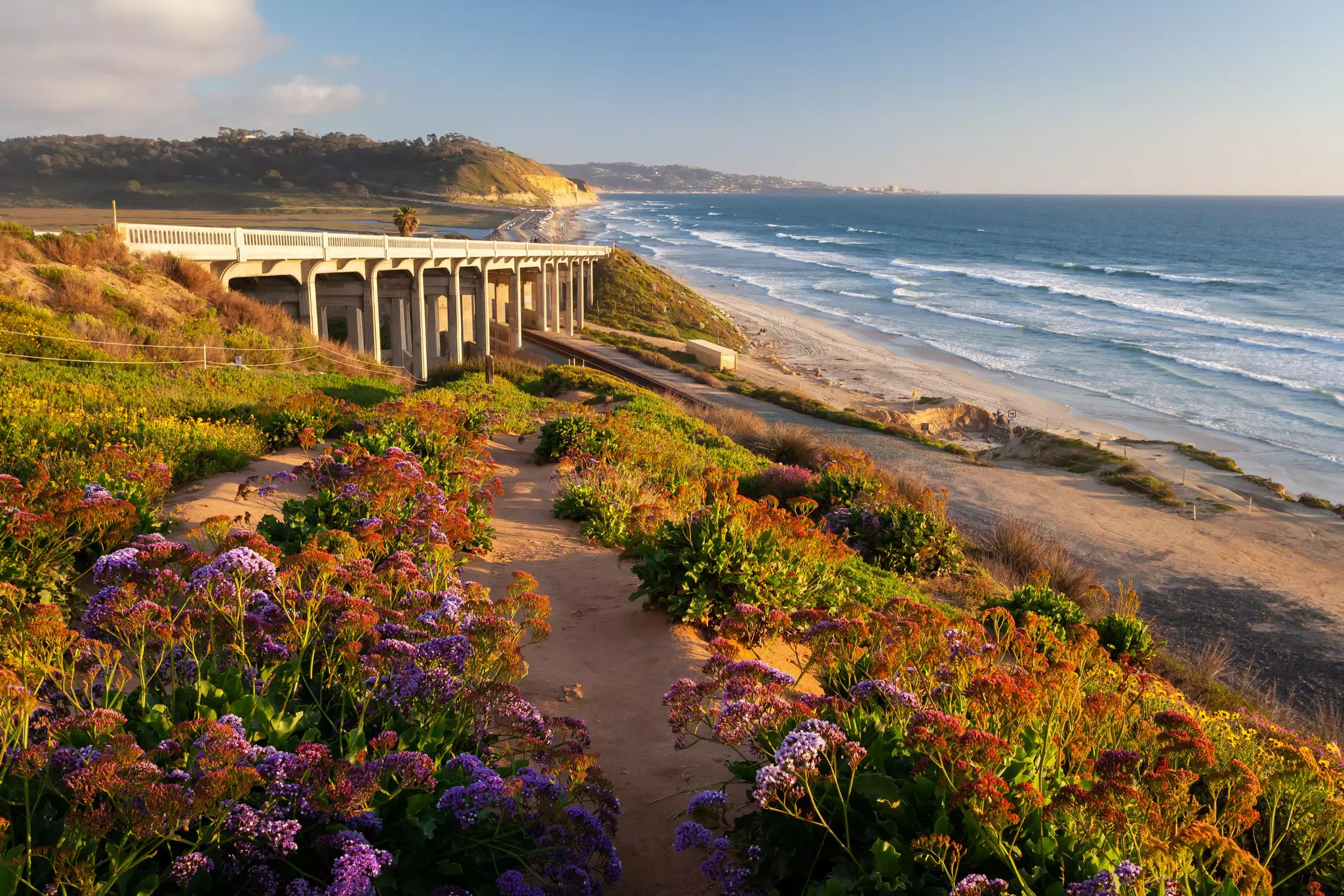
Beach lovers will find beautiful stretches of sand up and down all of the USA’s long coastlines – places to soak up some sun, enjoy a refreshing ocean dip, peek into tide pools or simply admire some of the world’s finest coastal views. Florida and California are both quintessential beach destinations. Florida's beaches have warmer water, whiter sand, flatter terrain and more humid air temperatures, while California's beaches have more varied coastal scenery and better waves for surfing – but (much) chillier water.
Further north, the Oregon Coast and the coastal strip of Washington’s Olympic National Park are dotted with dramatic sea stacks that make for spectacular photos, especially at sunset, even if the water is too cold for swimming. In the northeast, Cape Cod and the New Jersey Shore are studded with scenic lighthouses and lovely stretches of sand that are popular with swimmers and sunbathers in summer and great for walks in the quieter off-season.
Planning tip: Don't forget the lakes! Popular lakeside beaches include Sand Harbor on Lake Tahoe and Oval Beach near Saugatuck where the Kalamazoo River flows into Lake Michigan.
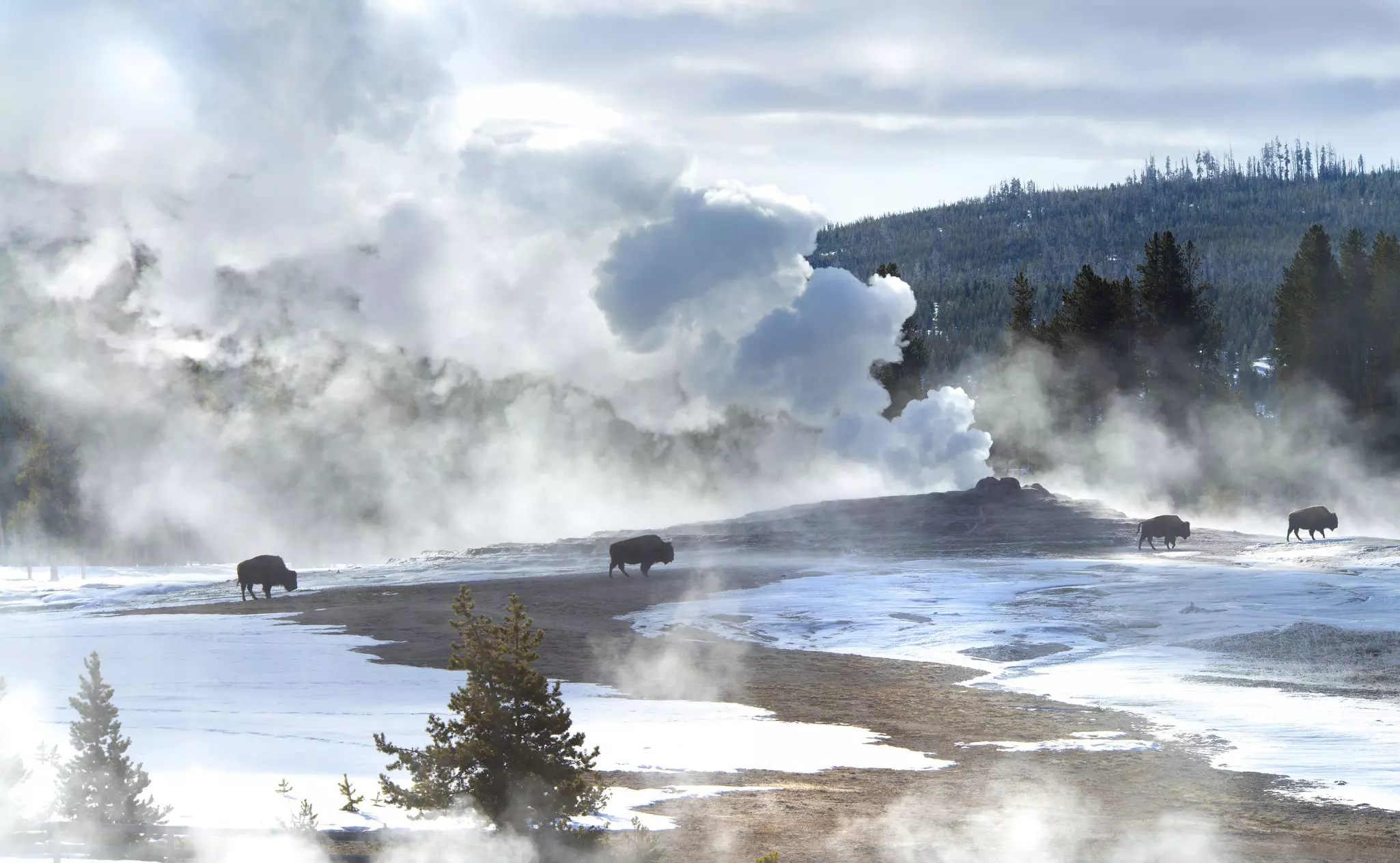
Nature runs wild across America’s varied landscapes, many of which are protected as national parks and other reserves. Yellowstone, Glacier and other parks in the Rocky Mountains have huge populations of moose, bison, elk and bears – while Alaska is in a class of its own, with good chances of seeing majestic wildlife almost anywhere you go. Maine is home to over 60,000 moose, while the Great Smoky Mountains shelter some 1500 black bears.
Paddling or boating the Florida Everglades or Georgia’s Okefenokee Swamp provides good chances of spotting alligators. Every March, roughly a million migrating sandhill cranes stop over along Nebraska’s Platte River, while Washington State’s Skagit River Valley draws hundreds of bald eagles in winter.
Numerous marine mammal species frequent American coastal waters, including orcas around Washington’s San Juan Islands and humpbacks, dolphins and other whales in Massachusetts, Florida, California, Hawaii and Alaska.
Planning tip: If you plan to visit multiple parks, buy an America the Beautiful (Interagency) Pass. The $80 pass is valid for a year at all sites operated by the National Park Service and other federal agencies. It covers the driver and all passengers in a personal vehicle, or up to four adults at sites that charge per-person fees.
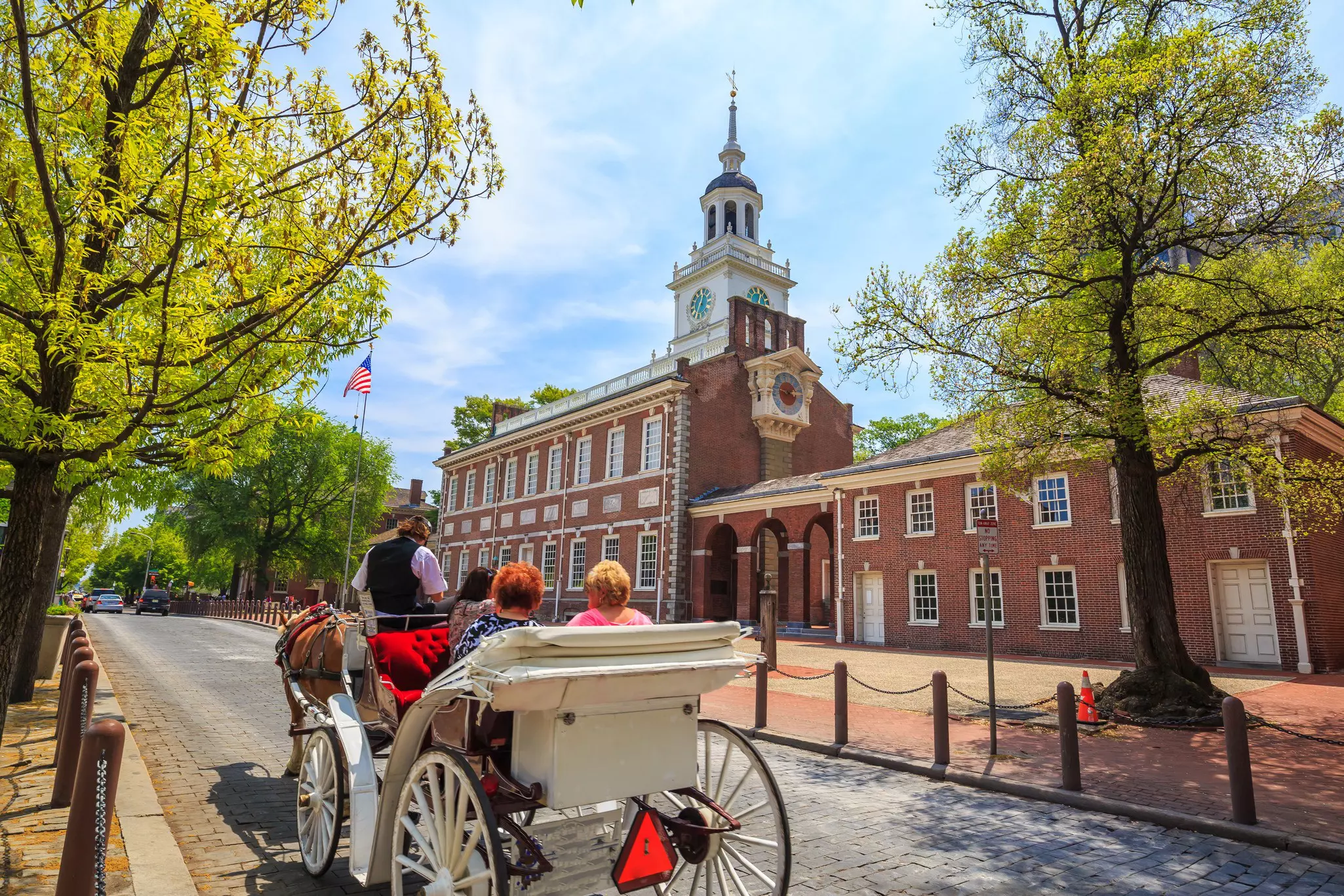
Though a relatively young nation in the global scheme of things, the US is full of fascinating history. Go way back in time at the ancient Pueblo cliff dwellings of Mesa Verde National Park and Canyon de Chelly in the Southwest. Discover the stories of early English settlements in Virginia and Massachusetts, and follow Boston’s Freedom Trail past sites where the road to independence was paved.
Dig deeper at Philadelphia’s Museum of the American Revolution and Independence Hall, where the US Constitution was signed in 1787. Tour Civil War battlefields of Gettysburg and Antietam to learn about the bloodiest conflict in US history, and pay tribute to the sacrifices of later American soldiers at the war memorials in Washington, DC, where you can also learn more about the people who have shaped the country at the National Museum of the American Indian and the National Museum of African American History and Culture.
Planning tip: There are nearly 150 officially designated National Historic Parks and National Historic Sites across the US; the annual America the Beautiful (Interagency) Pass will cover admission to the ones that charge a fee.
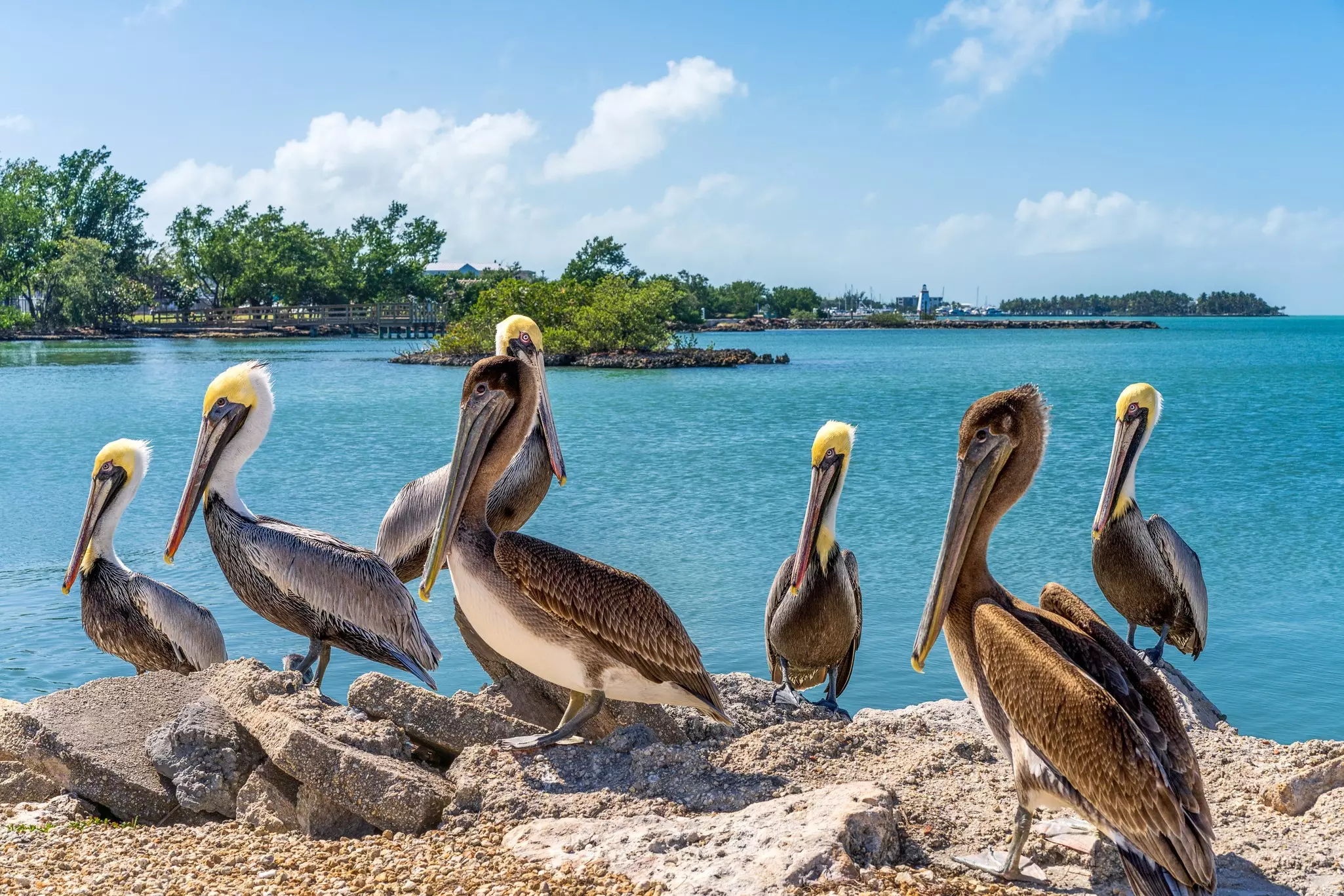
Hawaiʻi is the ultimate island destination. This archipelago in the middle of the Pacific Ocean combines breathtaking scenery with a warm spirit of “aloha” – the welcoming vibe that’s actually enshrined in Hawai'ian law. Washington State’s scenic San Juan Islands are known for abundant wildlife and recreational opportunities, while gorgeous Catalina Island in Southern California makes an equally great getaway, with two charming towns and lots of wild space for outdoor adventures.
Along the East Coast, the islands dotting the Maine coast include Mount Desert Island, home to Acadia National Park and its gateway community of Bar Harbor. Massachusetts has Martha’s Vineyard and Nantucket, which draw everyone from artists to presidents with their picturesque villages, lighthouses and sandy beaches. In the South, head to the Florida Keys, where driving the island-hopping road to the furthest point, in-every-sense-far-out Key West, is an adventure in itself.
Planning tip: If you’re visiting Martha’s Vineyard or Nantucket in the busy summer season and plan to bring a car, book your ferry passage well in advance, as vehicle spaces fill up quickly.

There’s nothing more quintessentially American than a day at the ballpark, complete with stadium food – which nowadays ranges from the classic peanuts and Cracker Jacks to truly gourmet offerings – and the inevitable singing of “Take Me Out to the Ballgame” during the seventh-inning stretch.
The most storied ballparks are Boston’s Fenway Park and Chicago’s Wrigley Field, which have been hosting games for over 100 years. They may be small and somewhat cramped compared to newer ballparks, yet the ambience and the sense of history and tradition make attending a game at either one a special experience. Other ballparks that regularly top best-of lists for their locations, due to their combination of excellent sight lines over the field, scenic views, food and other amenities include PNC Park in Pittsburgh, Petco Park in San Diego, Dodger Stadium in Los Angeles and Oracle Park, situated right on the bay in San Francisco (fans often arrive by boat).
Planning tip: Learn more about the nation's obsession with baseball at the National Baseball Hall of Fame in Cooperstown, NY.
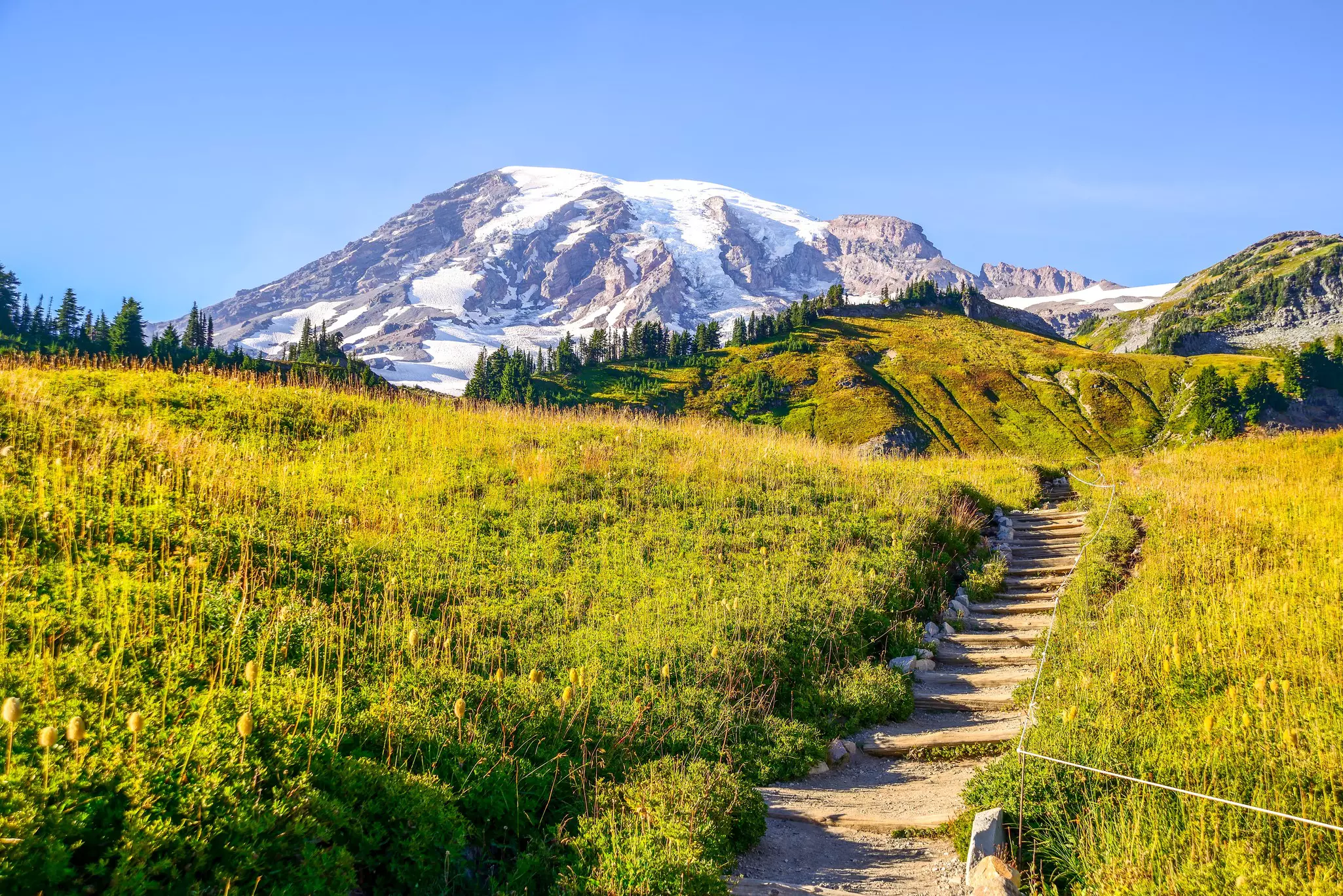
The US has many gorgeous mountains, from the ancient Appalachians to the western, glacier-studded Rockies and Cascades. Standouts include Washington’s Mt Rainier, Wyoming’s Grand Tetons and California’s Sierra Nevada range, to name just a few. Alaska’s countless stunning peaks include the continent’s highest, Denali, which can be seen from as much as 150 miles away.
Hiking possibilities are endless, and many ascents can also be made by road, including New England’s tallest peak, Mt Washington in New Hampshire’s White Mountains; Clingmans Dome in Great Smoky Mountains National Park; and Cadillac Mountain, the highest point in Acadia National Park. During snow-free months, the Going-to-the-Sun Road through Montana’s Glacier National Park is not to be missed.
Planning tip: If you’re venturing into the wilderness, be sure you’re adequately prepared with appropriate footwear, warm moisture-wicking clothing, plenty of water, food, sun protection, first-aid supplies and other items to keep you safe if something unexpected happens.

Nowhere is the diversity of the US more evident than in its food, which ranges from deeply rooted regional dishes to an ever-evolving array of international and fusion cuisines. From the spicy Cajun and Creole cuisine of Louisiana to the classic pizzerias and Jewish delis of New York City, you could spend months sampling the different flavors.
Feast on Pacific Northwest salmon, Maryland crab cakes, or New England clam chowder and lobster. Indulge your sweet tooth with a slice of Key lime pie in Florida, or salsa and jam made with Michigan cherries. They say the way to a person’s heart is through their stomach, so be prepared to fall in love.
Planning tip: As you travel through small towns and rural areas, keep an eye out for farm stands where you can pick up delicious seasonal fruits and vegetables, as well as many other local food products.
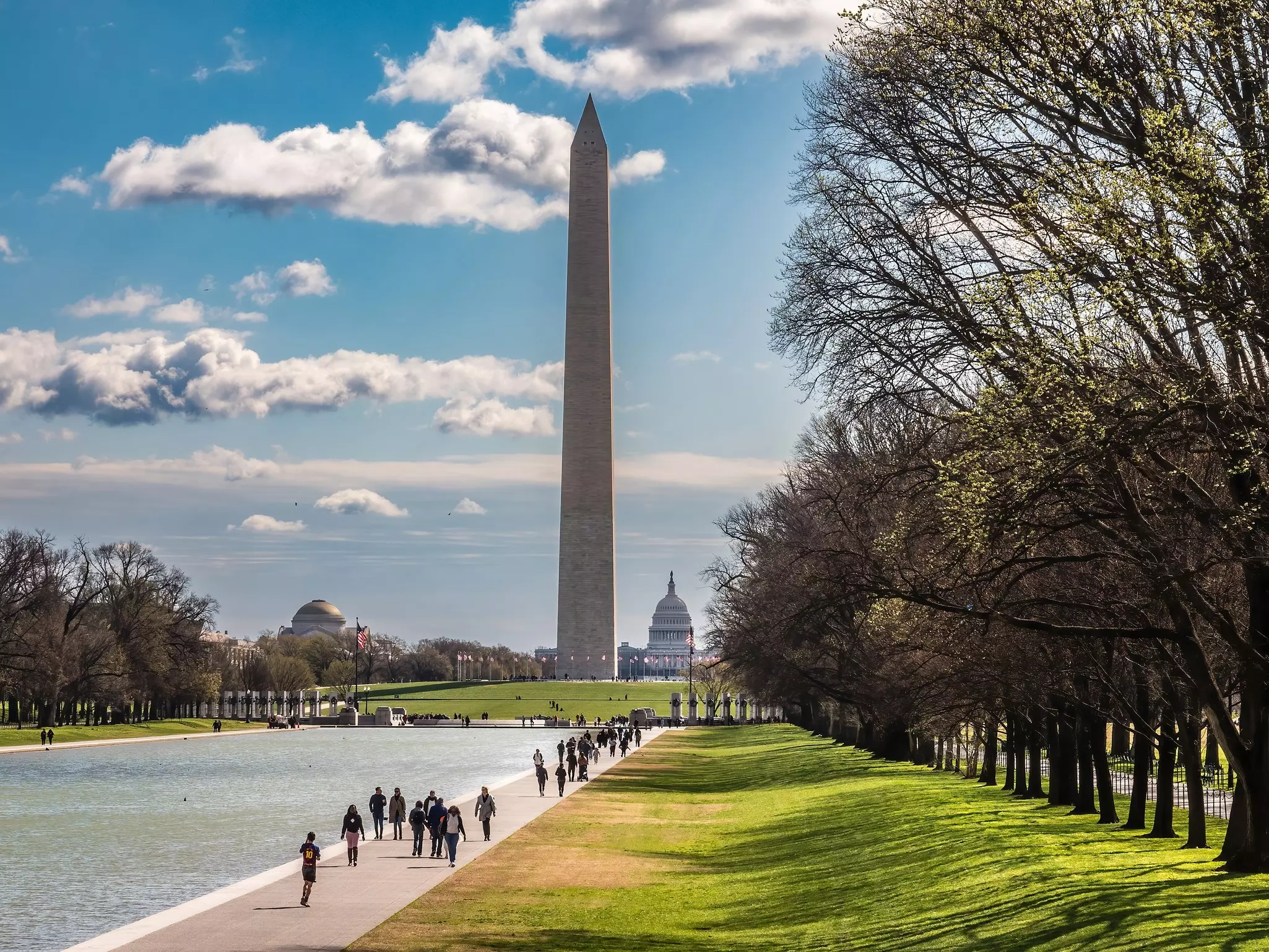
From the bright lights of New York City to the foggy hills of San Francisco, the nation’s urban centers pulse with energy in their diverse neighborhoods, and abound with top-notch restaurants, museums and historic sites. The national capital, Washington, DC holds the nation’s collective history and culture in trust along the grand National Mall, which features many impressive government buildings, museums and memorials. Boston, the site of a crucible of revolution and literature, occupies an indelible place in American history and culture. Chicago, Philadelphia, Seattle, Los Angeles, New Orleans…the list of one-of-a-kind cities goes on and on.
Planning tip: Get planning your visit with our guide to the US's best cities, with tips on activities, what to eat and where to stay.
Take your United States (USA) trip with Lonely Planet Journeys
Time to book that trip to United States (USA)
Lonely Planet Journeys takes you there with fully customizable trips to top destinations – all crafted by our local experts.


Explore related stories