Massachusetts
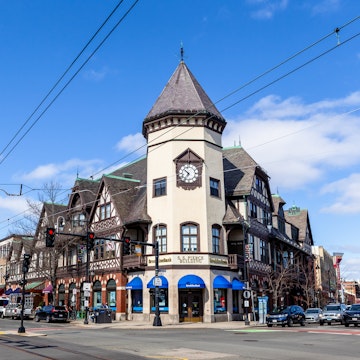
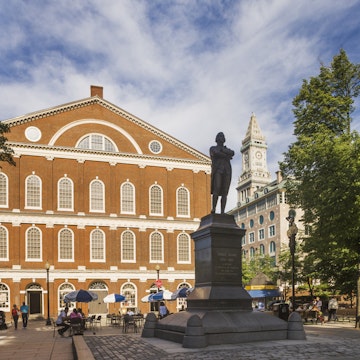
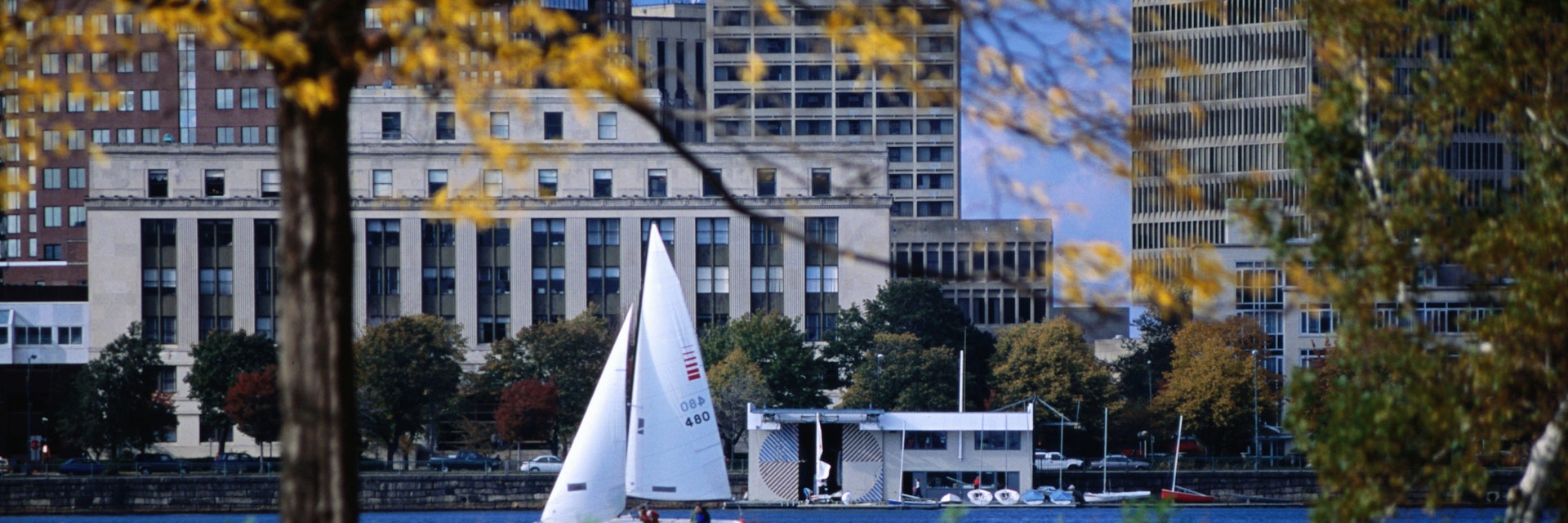
New England's most populous state, Massachusetts packs in appealing variety, from the sandy beaches of Cape Cod to college towns of the Pioneer Valley to the woodsy hills of the Berkshires. The state's rich history oozes from almost every quarter: discover the shoreline in Plymouth, where the Pilgrims first settled in the New World; explore the battlefields in Lexington and Concord, where the first shots of the American Revolution rang out; and wander the cobbled streets and old ports of Salem, Nantucket and New Bedford, where whaling and merchant boats once docked.
Attractions
Must-see attractions

Kenmore Square & Fenway
Home of the Boston Red Sox since 1912, Fenway Park is the oldest operating baseball park in the country. As such, the park has many quirks that make for a…
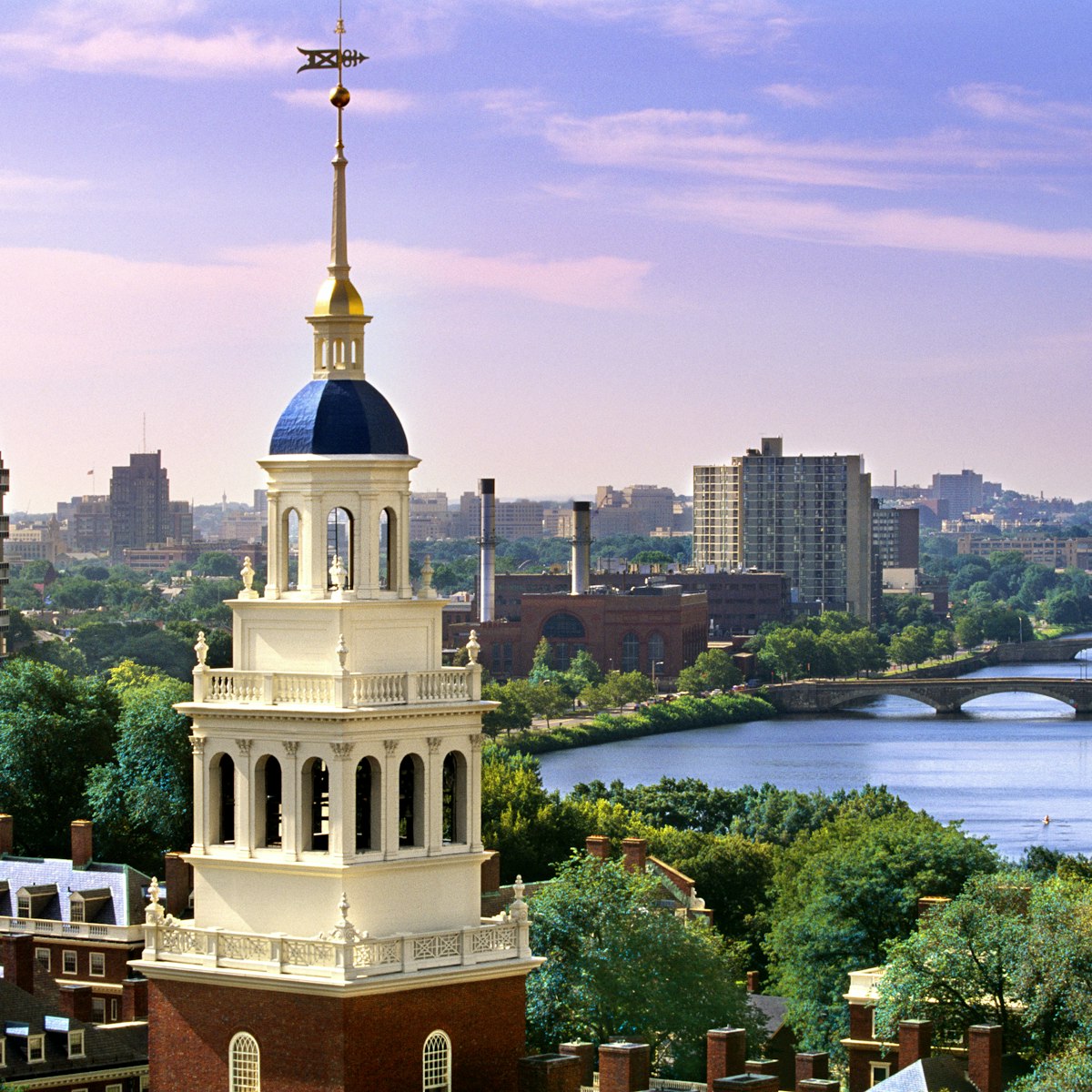
Cambridge
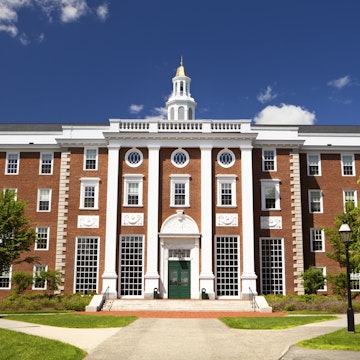
America's oldest college, Harvard University is one of the country's most prestigious universities. It was originally founded in Harvard Yard in 1636 by…
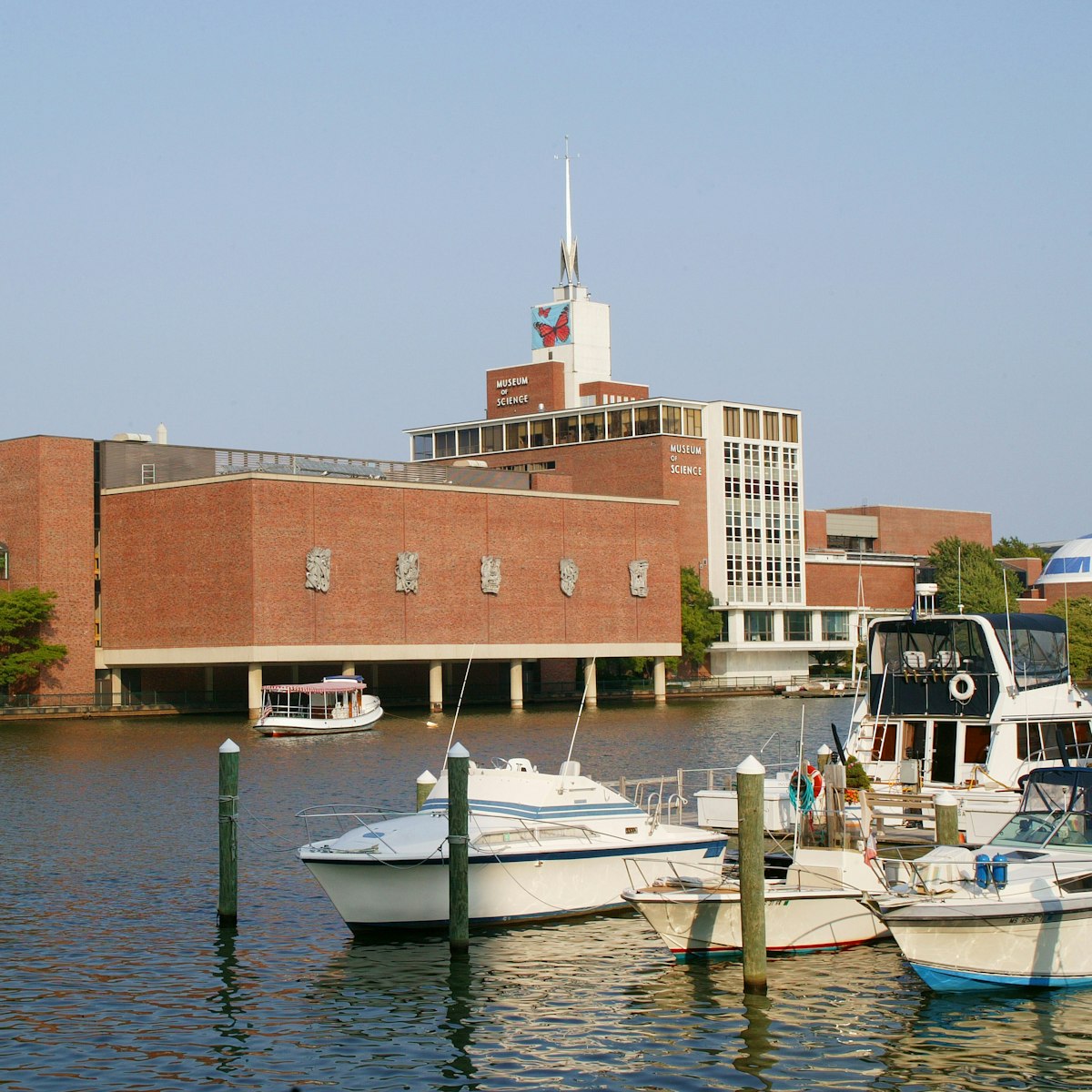
Boston
The educational playground that is the Museum of Science has more than 600 interactive exhibits. Favorites include the world’s largest lightning-bolt…
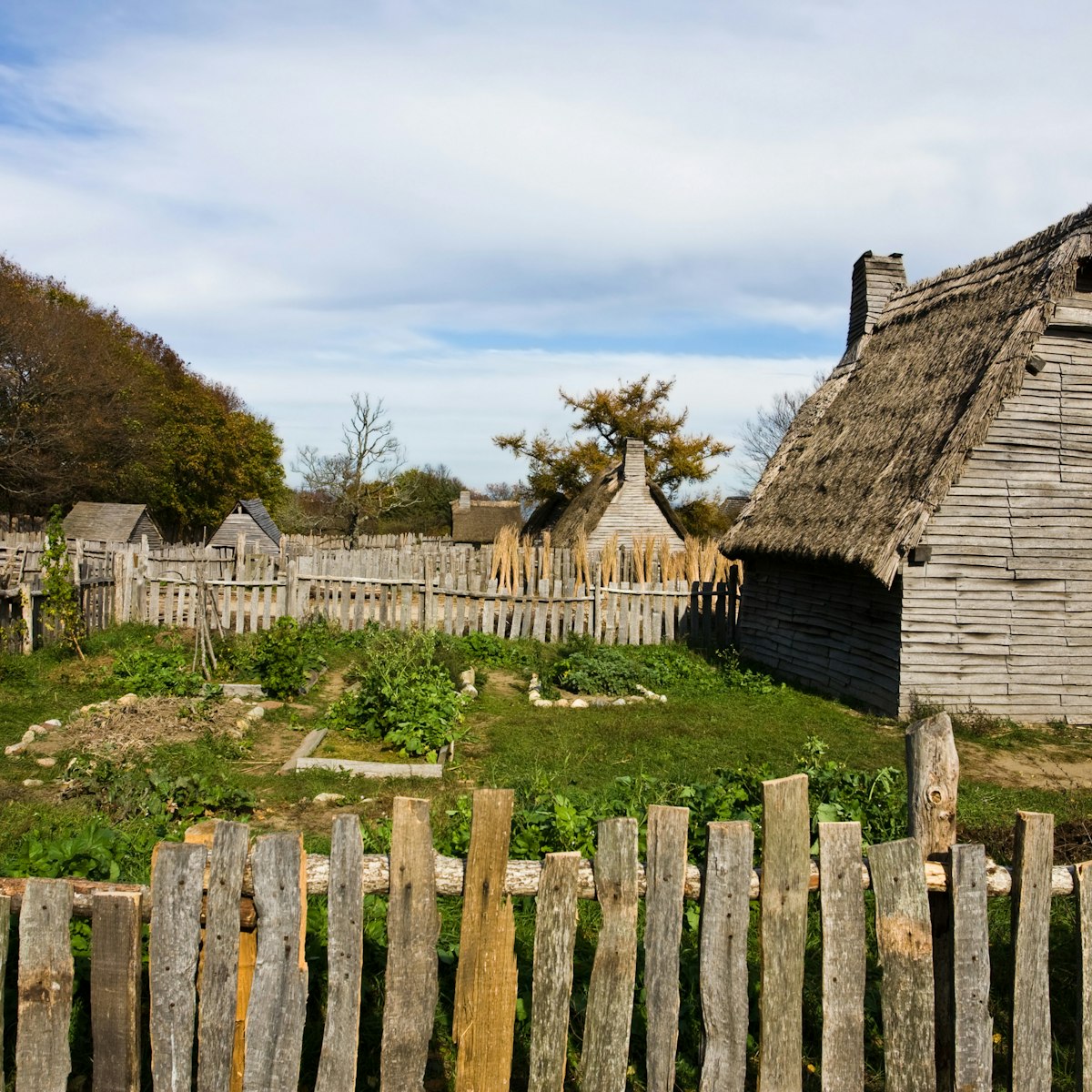
South Shore
Three miles south of Plymouth center, Plimoth Plantation authentically re-creates the Pilgrims’ settlement in its primary exhibit, entitled 1627 English…

Minute Man National Historic Park
Boston's Western Suburbs
The route that British troops followed to Concord has been designated the Minute Man National Historic Park. The visitor center at the eastern end of the…
Massachusetts
If you walk south on Lafayette from Derby St, you'll find yourself on the other side of the tracks (or river, in this case). Welcome to El Punto, or ‘The…
Cambridge
Harvard University was originally founded here in 1636, and Harvard Yard remains the historic and geographic heart of the university campus. Flanked by…
DeCordova Sculpture Park & Museum
Boston's Western Suburbs
The magical DeCordova Sculpture Park encompasses 35 acres of green hills, providing a spectacular natural environment for a constantly changing exhibit of…
Attractions
Top picks from our travel experts
Massachusetts
This place offers a 15-minute live re-enactment of a witch trial, using historical transcripts for dialog (which is interesting, but it makes it difficult…
Salem Maritime National Historic Site
Massachusetts
This National Historic Site comprises the Custom House, the wharves and other buildings along Derby St that are remnants of the shipping industry that…
Massachusetts
Housed in a creepy Romanesque church, this so-called museum starts with a presentation of life-size dioramas, with a voice-over recounting the narrative…
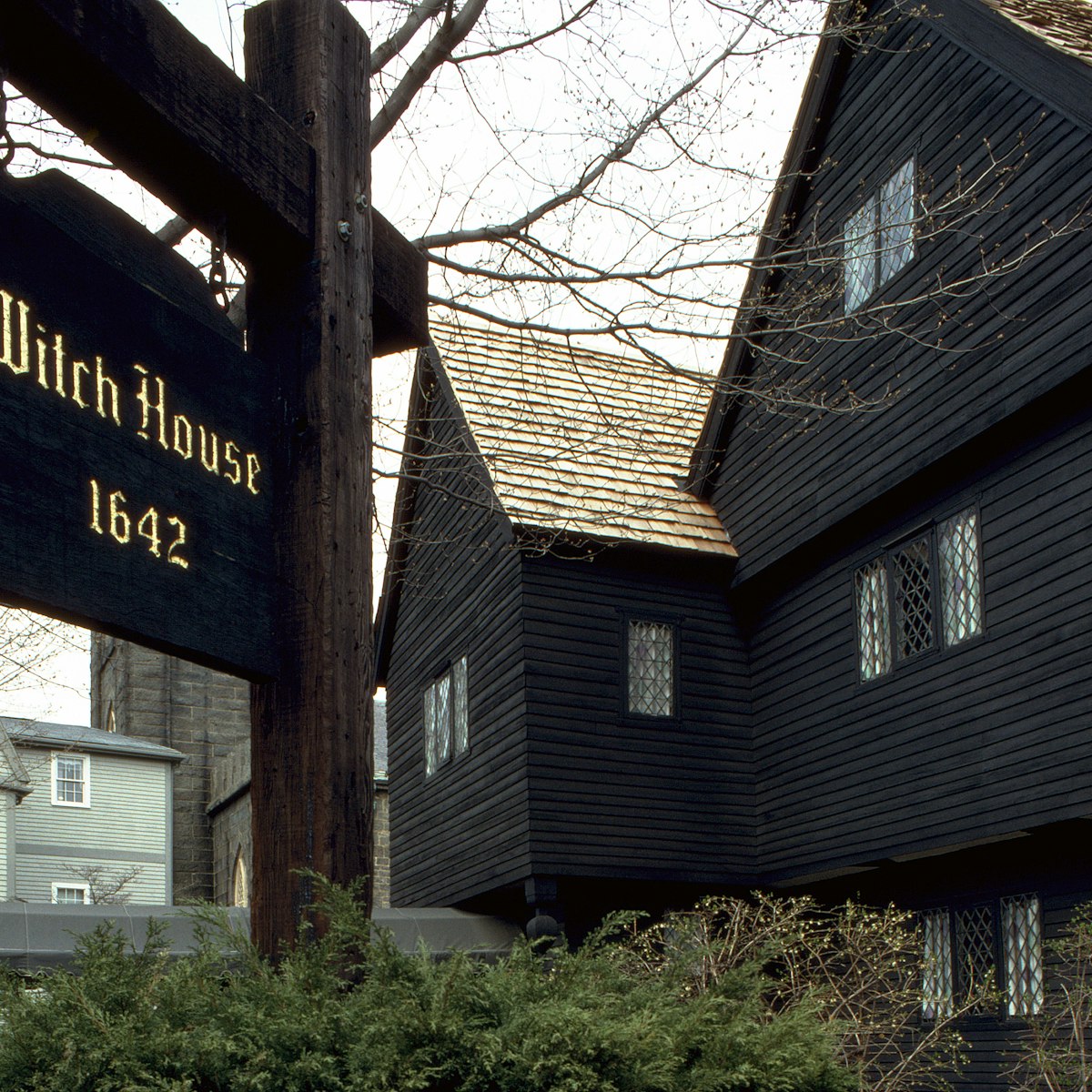
Massachusetts
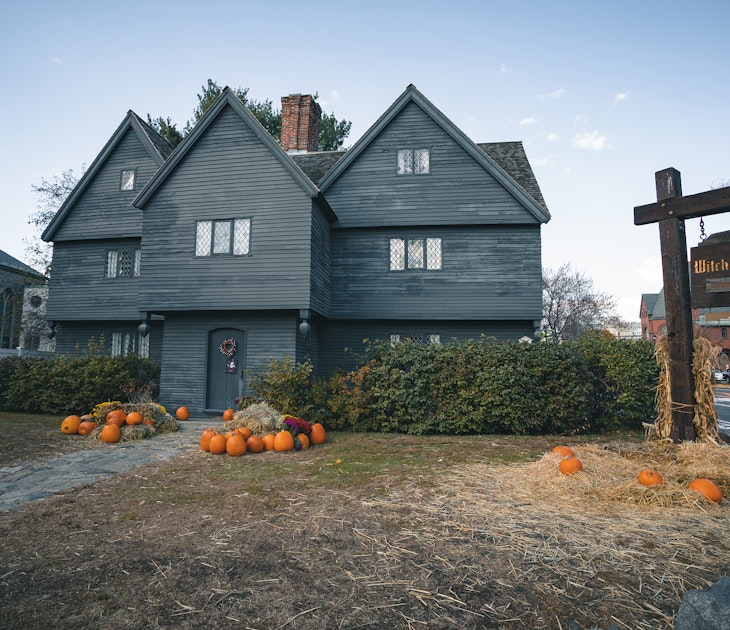
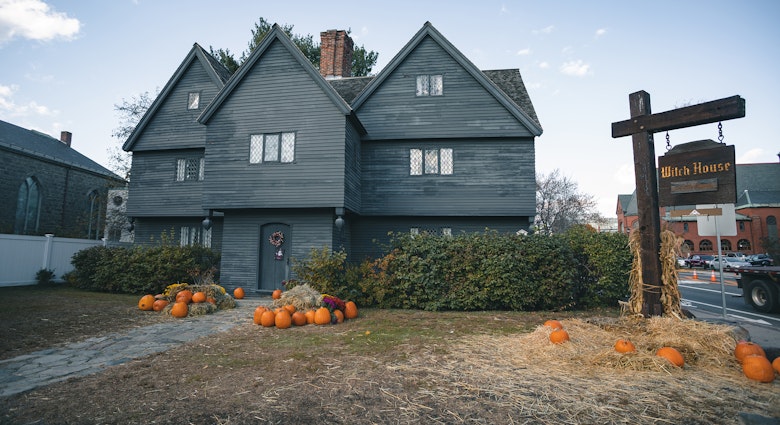
Of more than a score of witchy attractions in town, this is the only actual historic site. The house was once the home of Jonathan Corwin, a local…
Massachusetts
All of the art, artifacts and curiosities that Salem merchants brought back from the Far East were the foundation for this museum. Founded in 1799, it is…
Massachusetts
‘Halfway down a by-street of one of our New England towns stands a rusty wooden house, with seven acutely peaked gables facing towards various points of…
Massachusetts
This 'museum' utilizes scary-looking mannequins to recount the history of the Salem witch trials. It has re-created scenes from 'Old Salem village,'…
Halibut Point State Park & Reservation
Massachusetts
Only a few miles north of Dock Sq along MA 127 is Halibut Point Reservation. A 10-minute walk through the forest brings you to yawning, abandoned granite…
Planning Tools
Expert guidance to help you plan your trip
Best Things to Do
From cannoli in Boston to music in the Berkshires - with dunes, apple picking and whale watching in between – Massachusetts brims with exciting activities.
Read articleThings to Know
A local's guide to everything you need to know before visiting Massachusetts.
Read articleMoney and Costs
Traveling on a budget? Here are practical tips on how to save money on your trip to Massachusetts.
Read articleBest Road Trips
The best road trips in Massachusetts offer history, scenery, and some sublime cultural attractions.
Read articleArticles
Latest stories from Massachusetts
Filter by interest:
 MuseumsA reason to travel to Amherst, MA in December: the reopened Emily Dickinson Museum
Dec 8, 2022 • 4 min read
 Destination Practicalities13 things to know before traveling to Massachusetts - and why not trashing the Red Sox is the most important
Aug 20, 2022 • 7 min read


 BeachesThe best places to visit in Massachusetts for history, beaches and witches
Jul 31, 2022 • 7 min read
 Wildlife & NatureTop 16 things to do in Massachusetts from whale watching to a Red Sox game
Jun 27, 2022 • 9 min read
 State ParksThe 14 best state parks in Massachusetts you really shouldn't miss
May 17, 2022 • 8 min read
 Festivals & EventsThe best time to visit Massachusetts for a dose of New England magic
May 14, 2022 • 7 min read
in partnership with getyourguide
Book popular activities in Massachusetts
Guidebooks
Purchase our award-winning guidebooks
Get to the heart of Massachusetts with one of our in-depth, award-winning guidebooks, covering maps, itineraries, and expert guidance.