Veliky Novgorod
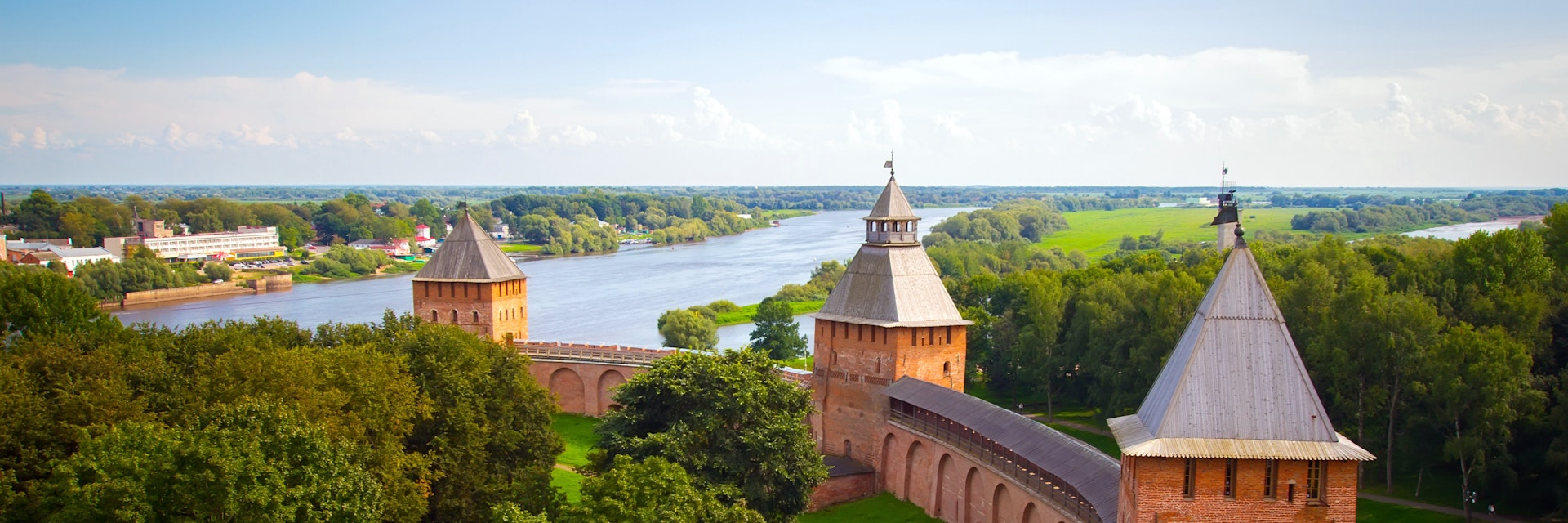
Within the kremlin walls is this must-see museum that houses three strikingly comprehensive exhibitions covering the history of Veliky Novgorod, Russian…
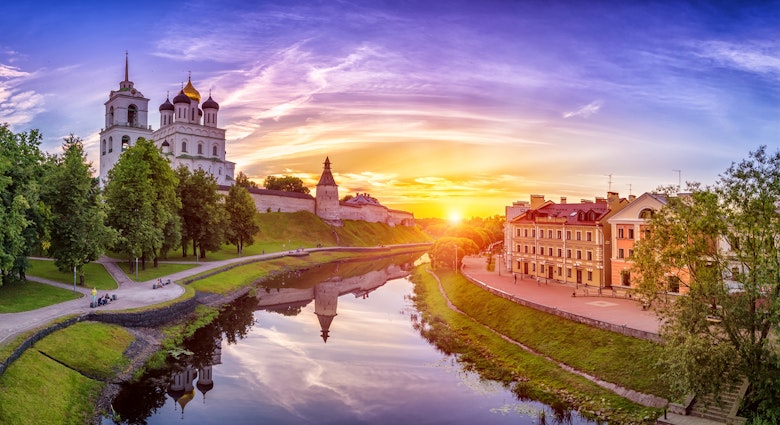
©Andrey Pozharskiy/Shutterstock
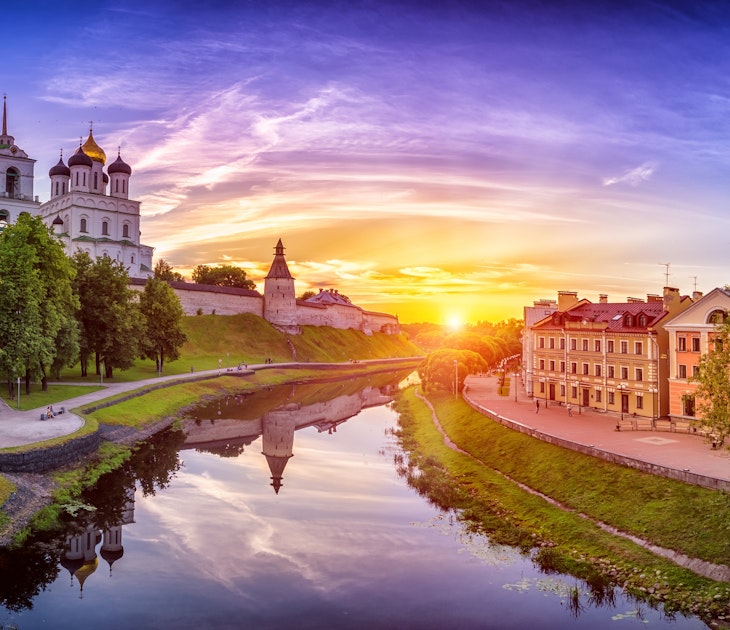
This ancient, Arcadian region showcases Mother Russia at her most fertile: Tolstoy, Turgenev, Dostoevsky’s The Brothers Karamazov and nothing less than the modern country itself were all born here. It’s a lofty legacy and nowhere does Western European Russia (Западно – Европейская Россия) let you forget it. The imposing kremlins, soaring cathedrals and cultural treasures of cities such as Veliky Novgorod, Pskov and Smolensk bear stunning testament to golden eras. Budding writers flock to the area’s wealth of literary estates – Staraya Russa, Spasskoe-Lutovinovo, Yasnaya Polyana and Pushkin’s ancestral home, Mikhailovskoe – with high hopes there’s something in the water; and character-filled smaller towns such as Yelets and Oryol are photogenic throwbacks to prerevolutionary Russia. Even the tiny, far-flung village of Stary Izborsk – a stone’s throw from the Estonian border – claims a distinguished heritage: it’s home to the oldest stone fortress in Russia.
Veliky Novgorod
Within the kremlin walls is this must-see museum that houses three strikingly comprehensive exhibitions covering the history of Veliky Novgorod, Russian…
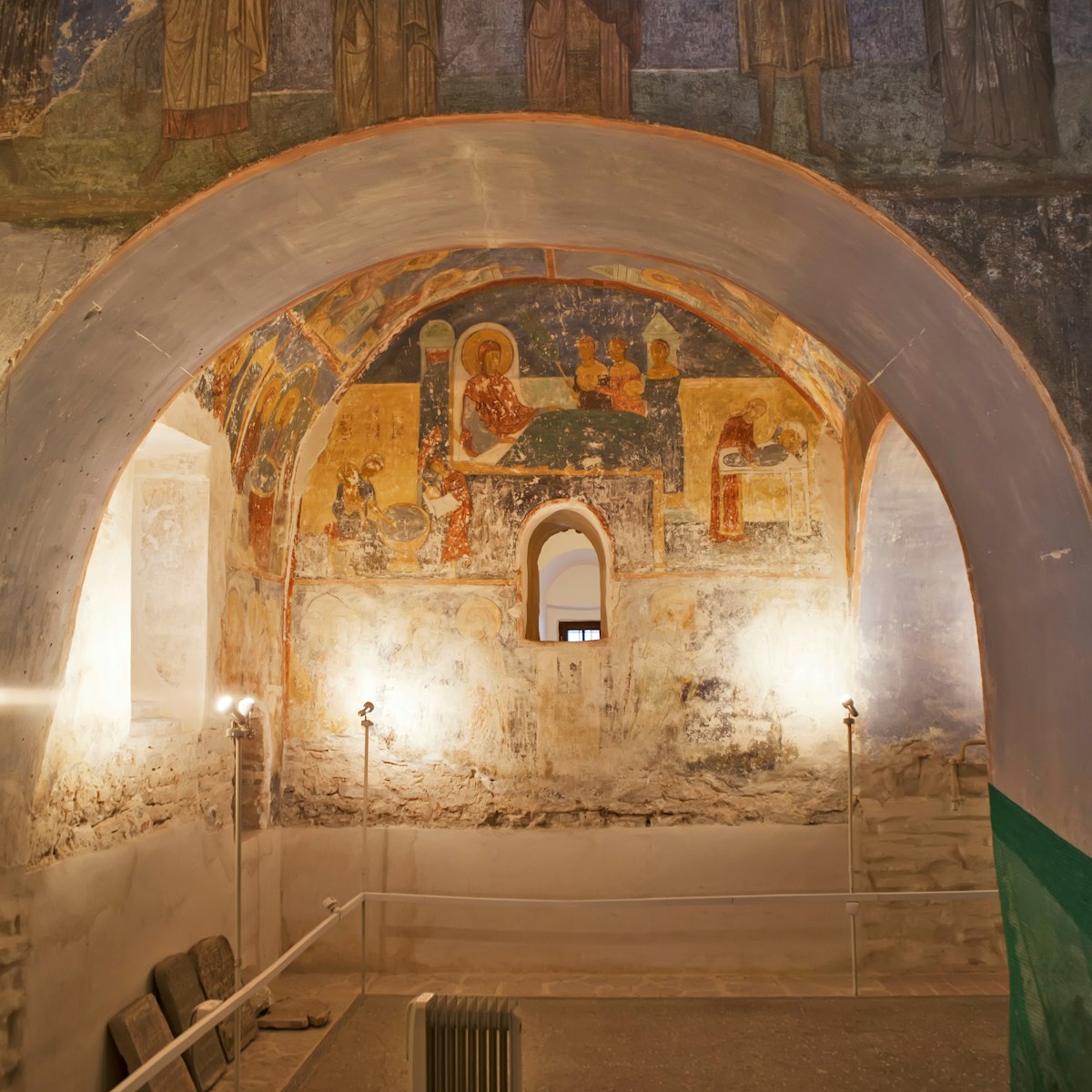
Cathedral of the Transfiguration of the Saviour
Western European Russia
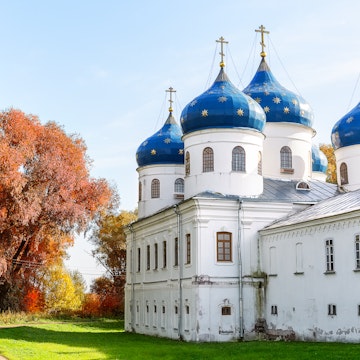
The Unesco-protected, nonworking Cathedral of the Transfiguration of the Saviour is the highlight of the Mirozhsky Monastery. Its 12th-century frescos are…
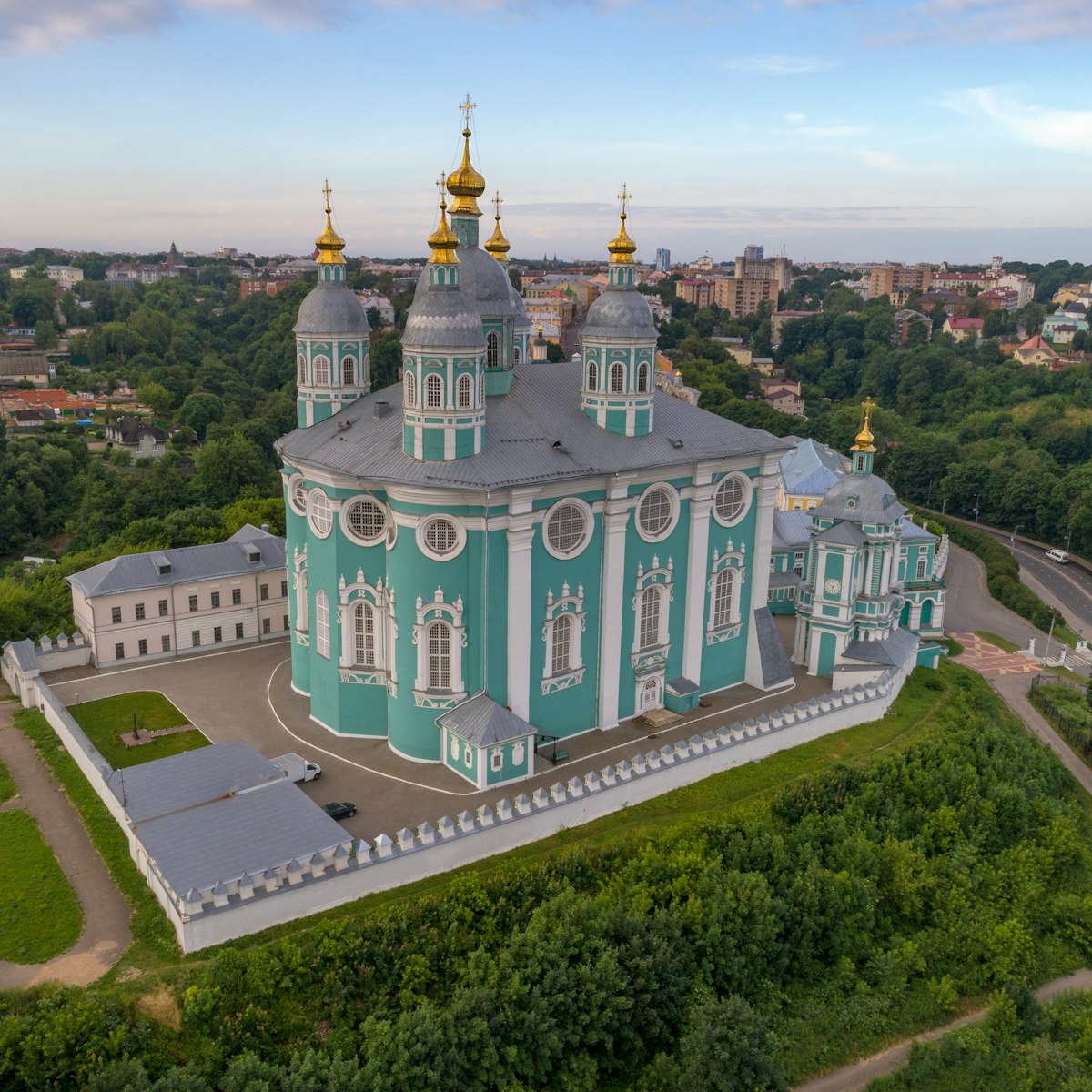
Western European Russia
Dominating the skyline is this huge green-and-white working cathedral topped by five silver domes. A church has stood here since 1101; this one was built…
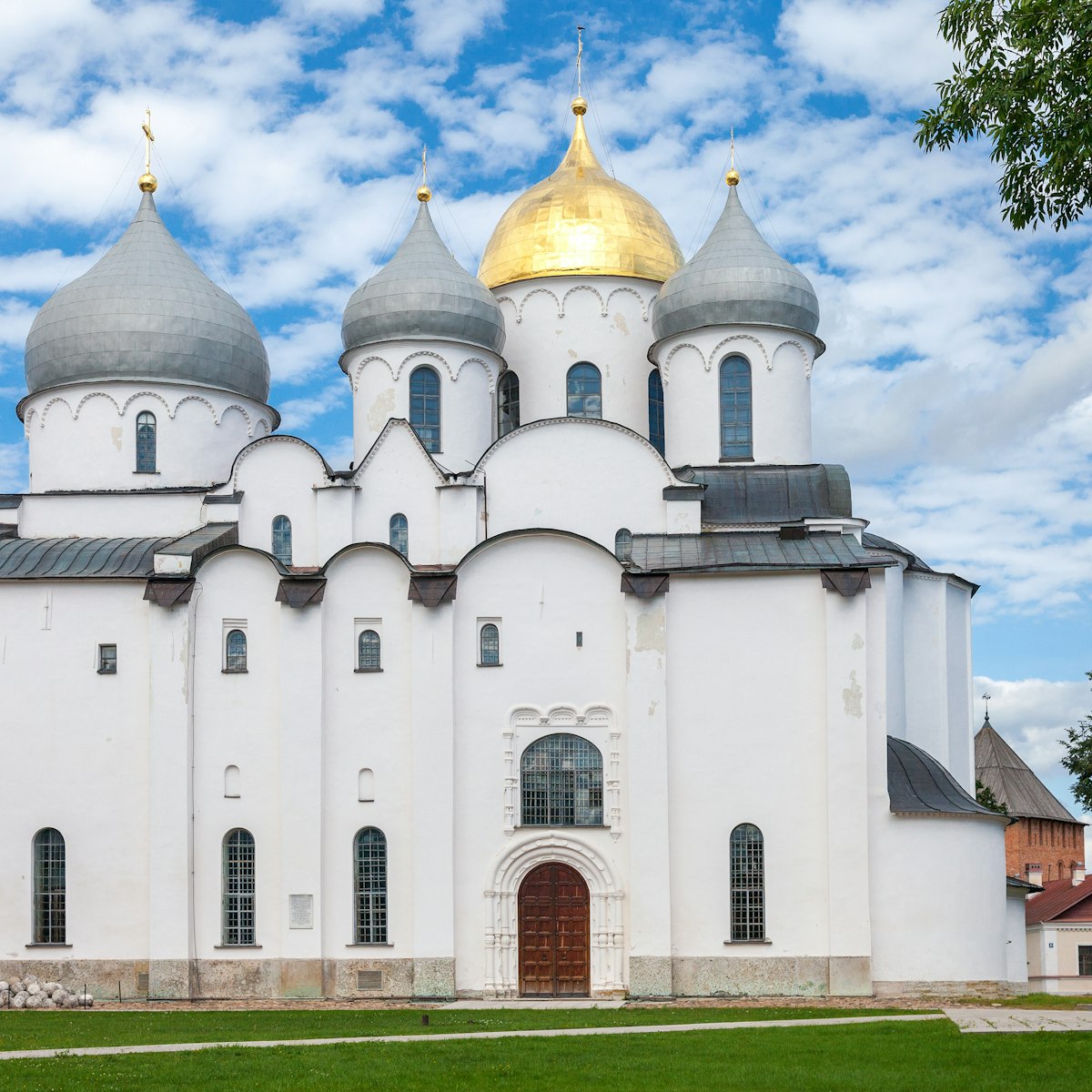
Veliky Novgorod
This is the oldest church in Russia (finished in 1050) and one of the country's oldest stone buildings. It's the kremlin's focal point and you couldn't…
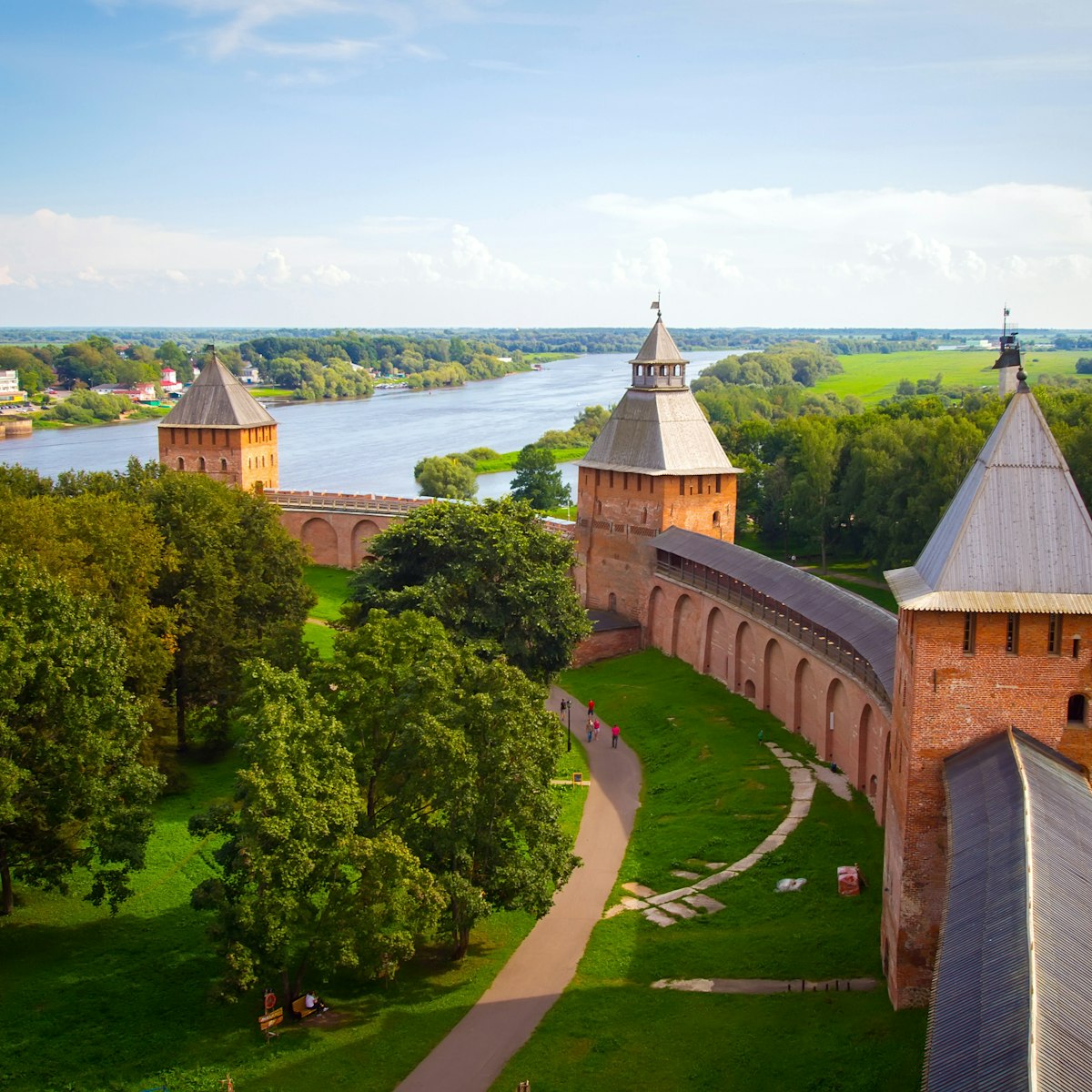
Veliky Novgorod
On the west bank of the Volkhov River, and surrounded by a pleasant wooded park, the kremlin is one of Russia’s oldest. Originally called the Detinets …
Western European Russia
Russia’s most beloved poet, Alexander Pushkin, lived several years at his family estate, Mikhailovskoe, near the small town of Pushkinskie Gory …
Pskov National Museum of History, Architecture & Art
Western European Russia
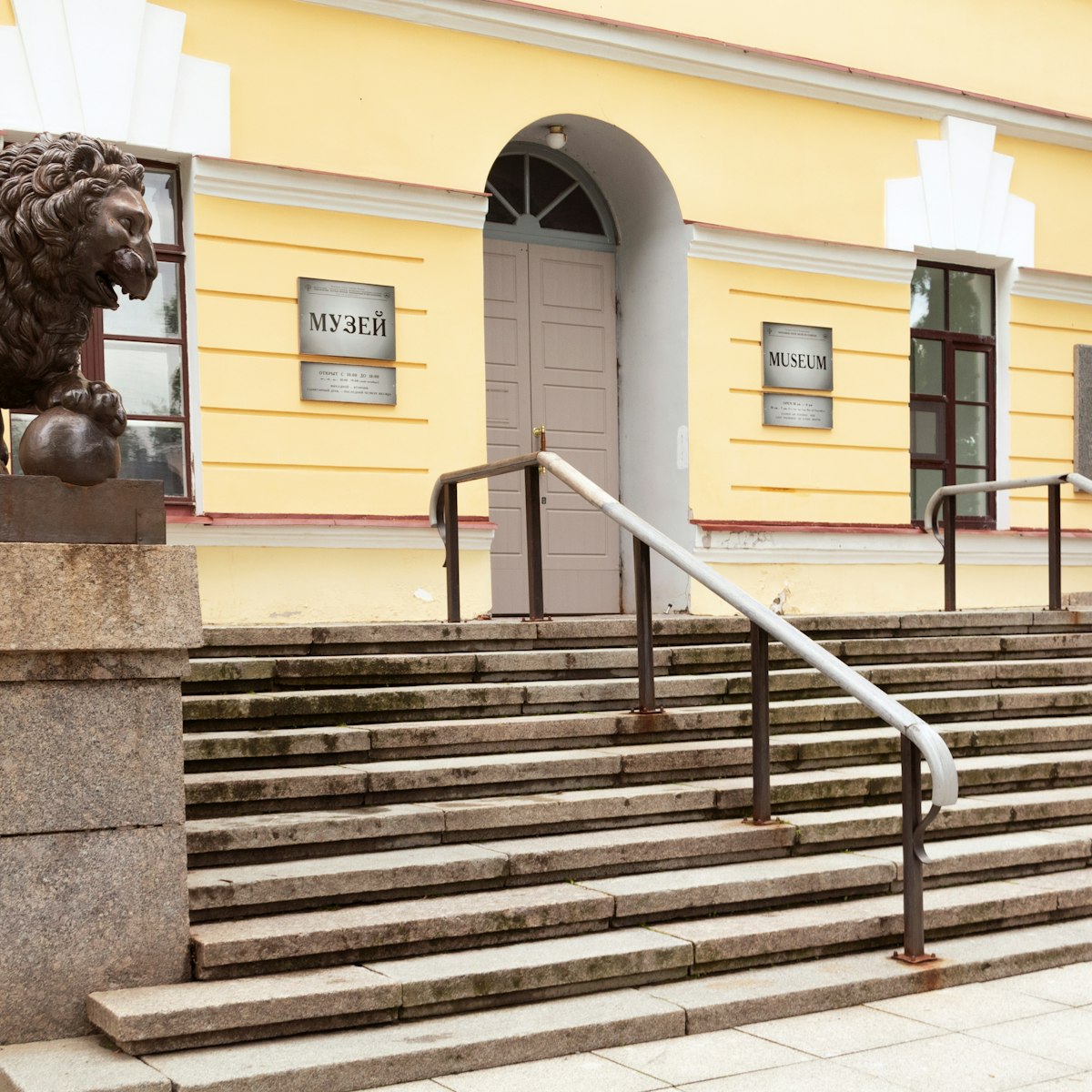
As you can guess from its name, this museum, spread over several buildings, includes history and art exhibitions. The architecture bit comes from the…
Western European Russia
This late 19th-century estate is where Leo Tolstoy wrote War and Peace and Anna Karenina, as well being the place he was born, lived most of his life and…
Filter by interest:
History
Beyond the Trans-Siberian: travelling Russia's unexplored northwest by trainNov 28, 2019 • 4 min read

Get to the heart of Western European Russia with one of our in-depth, award-winning guidebooks, covering maps, itineraries, and expert guidance.