North Coast
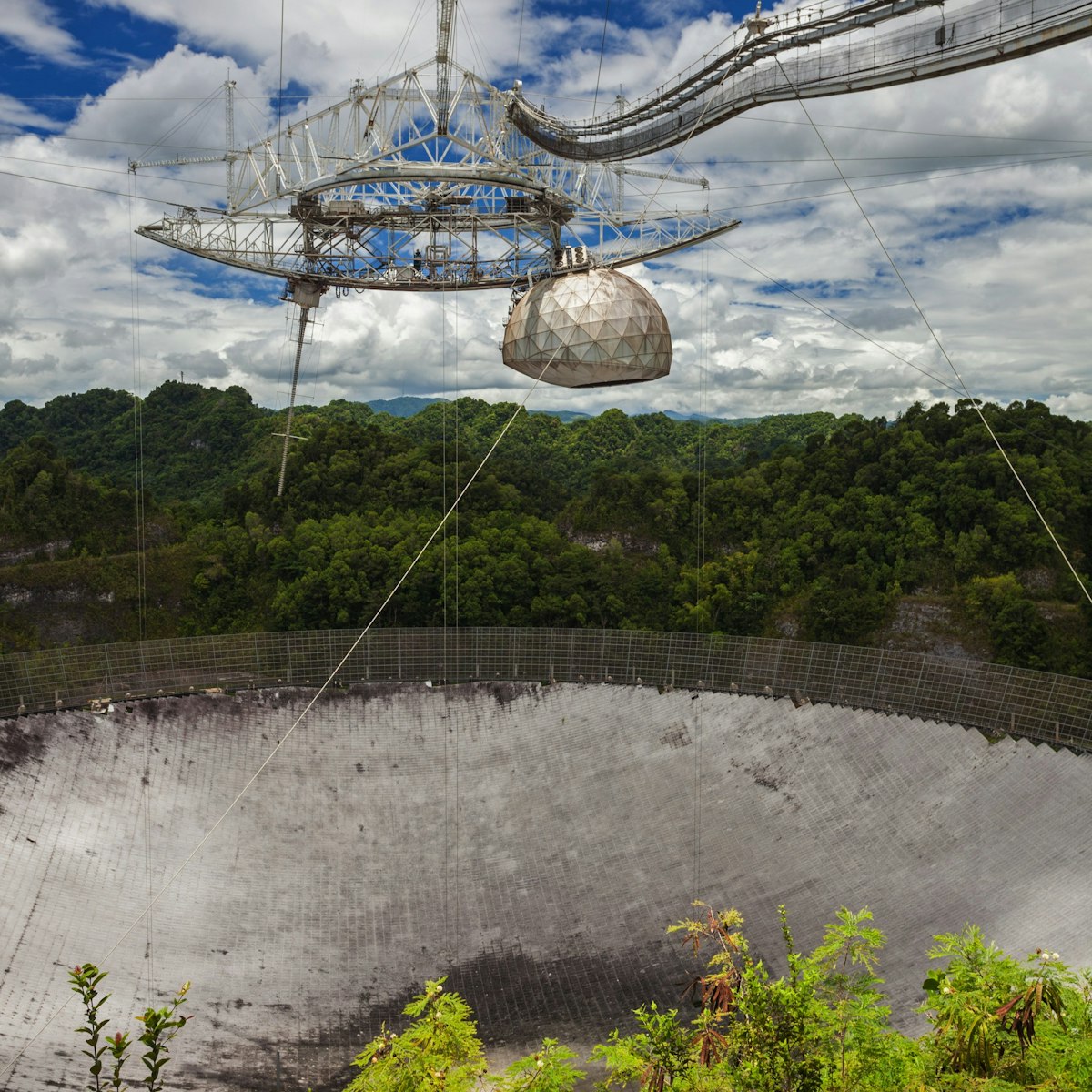
Puerto Ricans reverently refer to it as ‘El Radar’; to everyone else it is simply the largest radio telescope in the world. Resembling a spaceship…
Getty Images/Purestock
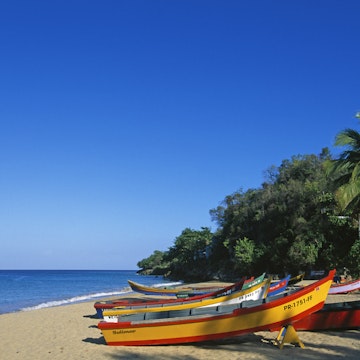
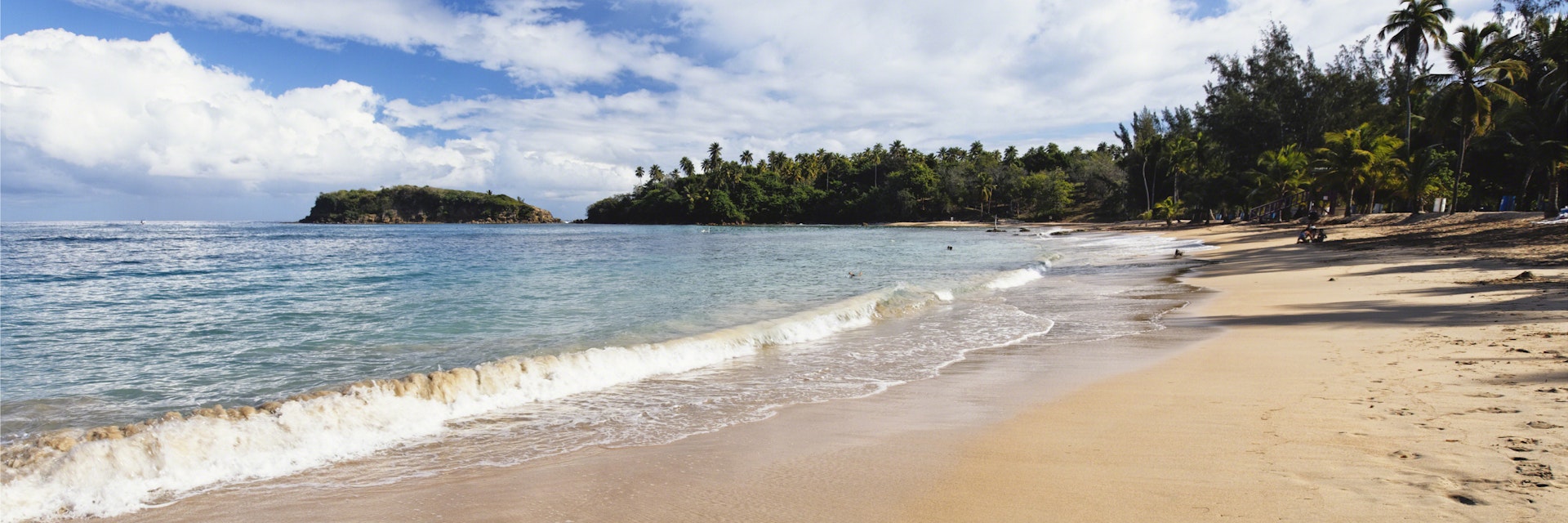
Veering from a manicured coast of plush golf resorts and posh surf spots, this region rears up into the less-visited vine-tangled crags of karst country, where landscapes seem positively prehistoric with yawning cave systems, mogotes (vegetated, steep-sided hillocks) and undulating spreads of forest.
North Coast
Puerto Ricans reverently refer to it as ‘El Radar’; to everyone else it is simply the largest radio telescope in the world. Resembling a spaceship…
North Coast
Undeniably Puerto Rico's biggest, most bizarre attraction, the 362ft likeness of Christopher Columbus (Cristóbal Colón) navigating toward the Americas is…
North Coast
An anomaly among Puerto Rican beaches, Playa Mar Chiquita isn’t alongside a main thoroughfare, has no long strand and isn’t good for swimming or surfing…
North Coast
Even the surfers rarely make it to remote Playa Survival, best reached by a 45-minute walk west from Playa Shacks. The narrow strip of sand found…
North Coast
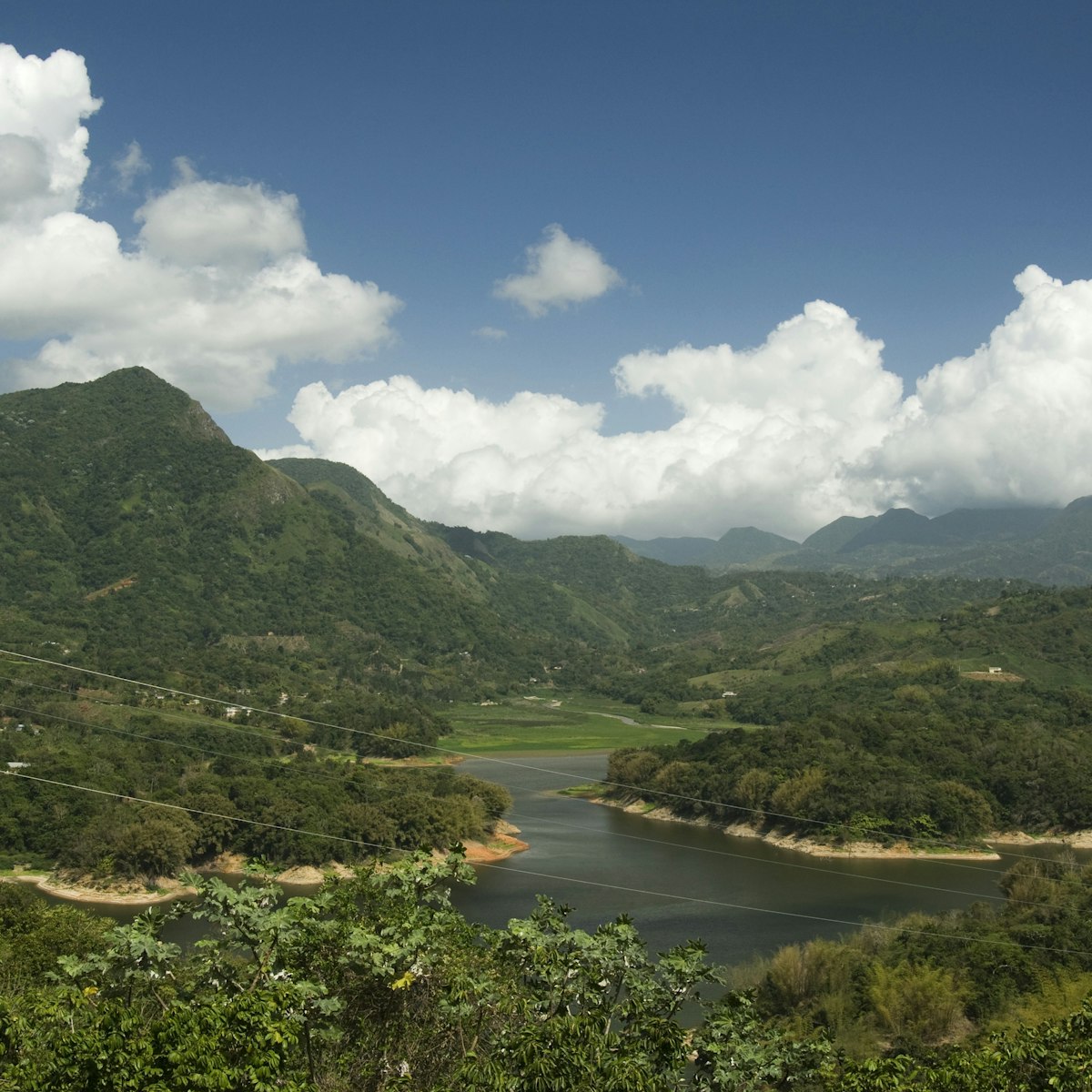
These two lakes – each more than 2 miles long – fill a deeply cleft valley at a point where karst country gives way to the jagged spine of the central…
North Coast
This 5000-acre forest just off Hwy 621, halfway between Arecibo and Utuado, sits amid some of the island's most rugged terrain. In the bosom of karst…
North Coast
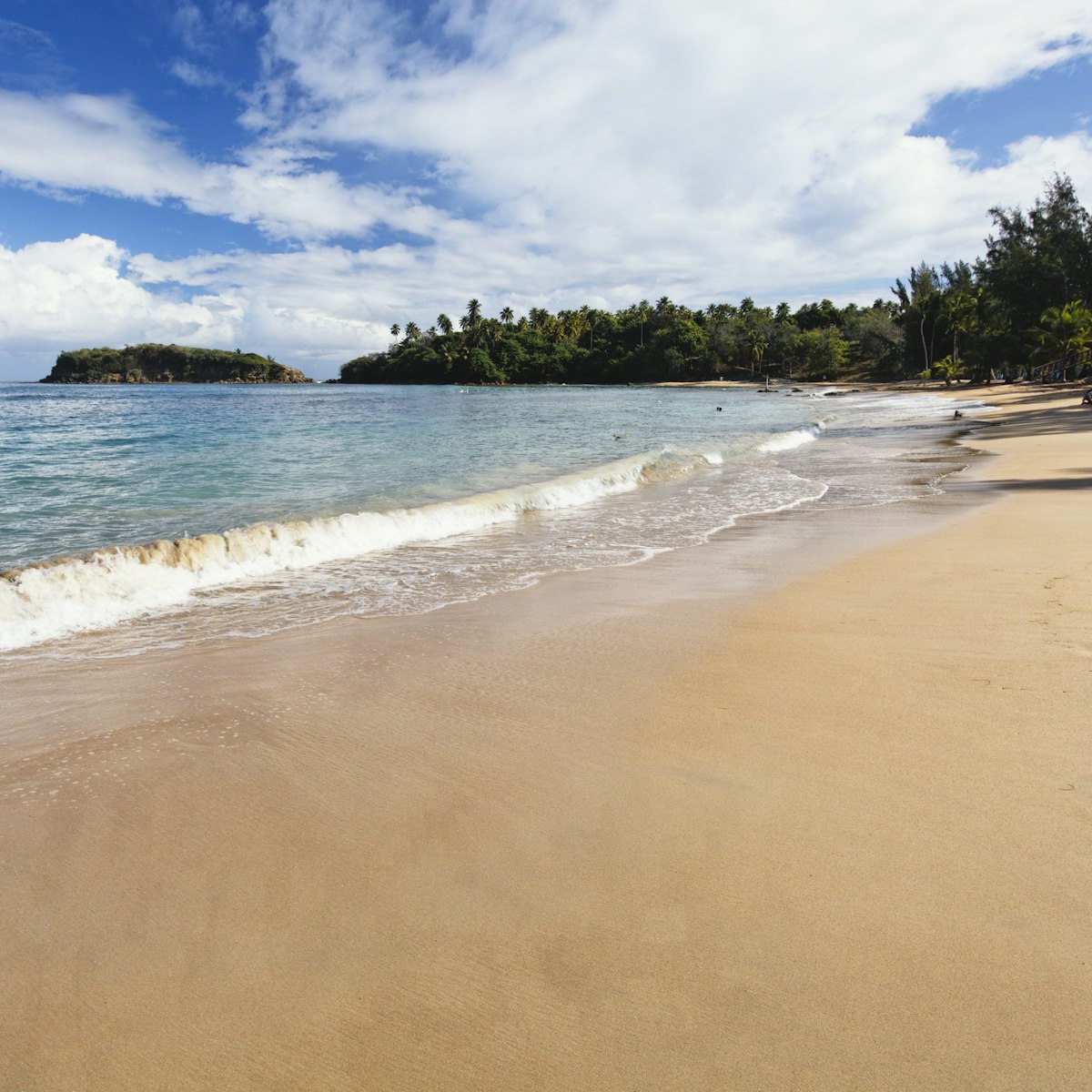
Lying at the end of Hwy 690, this charming palm-dotted expanse of sand has had several million dollars pumped into the expansion of its tourist facilities…
Parque Ceremonial Indígena Caguana
North Coast
Like the archaeological site at Tibes near Ponce, this Taíno ceremonial site, sometimes dubbed the 'Puerto Rican Stonehenge,' has no monumental ruins; the…
Get to the heart of North Coast with one of our in-depth, award-winning guidebooks, covering maps, itineraries, and expert guidance.