Nazca & Around
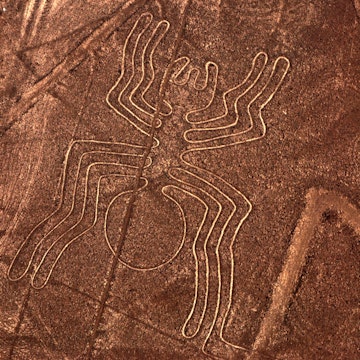
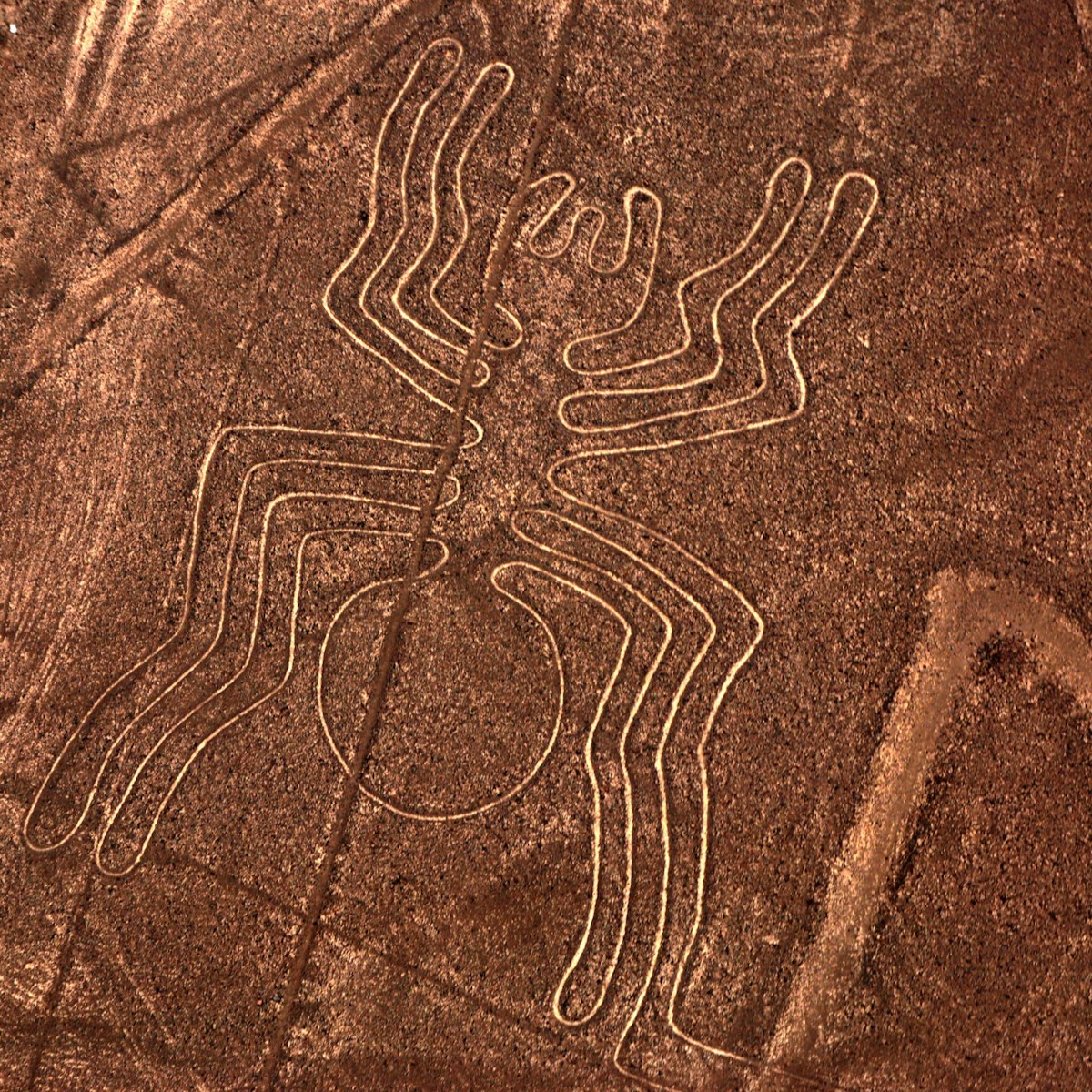
Spread over 500 sq km (310 sq mi) of arid, rock-strewn plain in the Pampa Colorada (Red Plain), the Nazca Lines are one of the world's great…
© Capturando Kilometros / Shutterstock
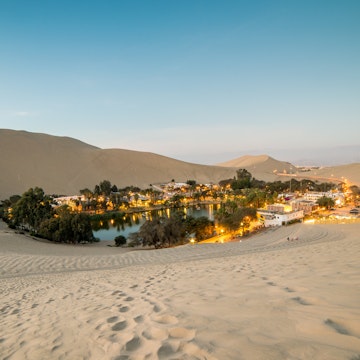
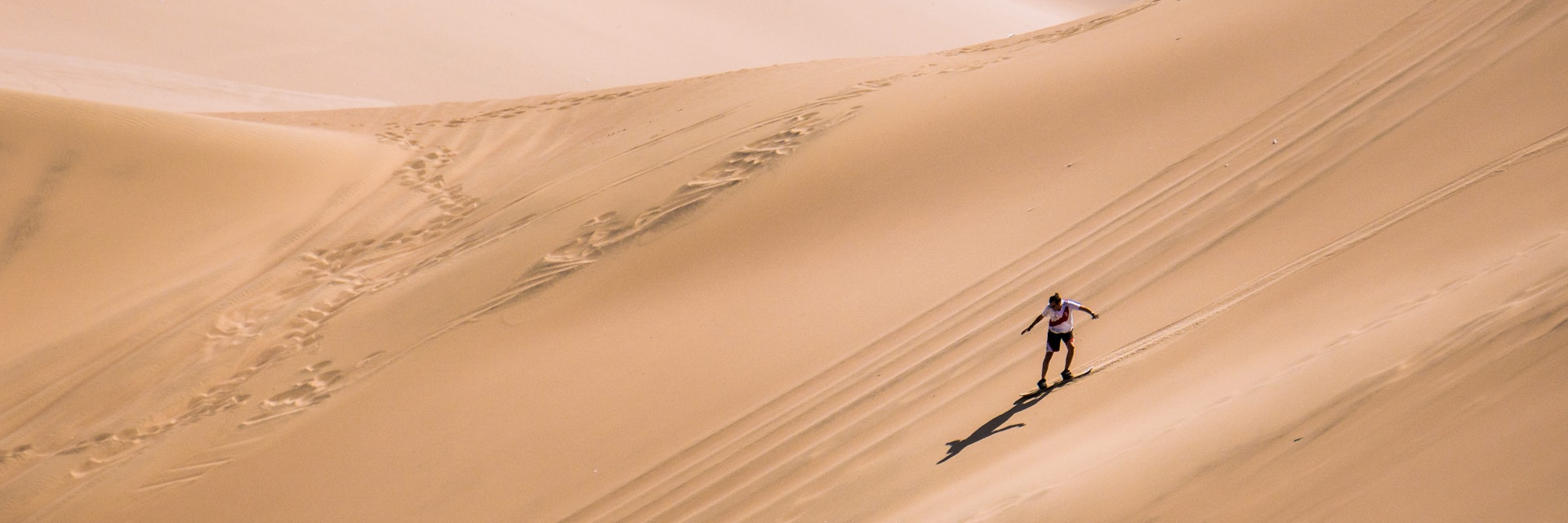
This wild and lonely coast entrances visitors with teetering sand dunes, verdant desert oases, forgotten fishing villages, ancient earth drawings, and plenty of rugged open space for the imagination to run wild.
Experience the real South Coast. Let a local expert handle the planning for you.
Get startedNazca & Around
Spread over 500 sq km (310 sq mi) of arid, rock-strewn plain in the Pampa Colorada (Red Plain), the Nazca Lines are one of the world's great…

Nazca & Around
About 4km southeast of town are the 30-plus underground Cantalloc Aqueducts, many of which are still in working order and are essential in irrigating the…
Ica
In the suburban neighborhood of San Isidro, Ica pulls out its trump card: a museum befitting a city three times the size. While it might not be the…
South Coast
Grandiosely nicknamed the ‘poor man’s Galápagos,’ the Islas Ballestas make for a memorable excursion. The only way to get here is on a boat tour, offered…
Reserva Nacional Pampas Galeras
Nazca & Around
This national reserve is a vicuña (threatened wild camelids) sanctuary high in the mountains 90km east of Nazca on the road to Cuzco. It is the best place…
South Coast
A tiny settlement 6km further up the valley from Lunahuaná, Catapalla is a traditional mountain village with quiet, traffic-free streets and a pretty…
South Coast
Provoking many visitors to make the trip all the way down from Lima, this former slave plantation with its stately hacienda offers a window into race and…
South Coast
Located on the site of the former cathedral, this museum funded by a multinational mining company is an excellent little repository of local…
Filter by interest:
Get to the heart of South Coast with one of our in-depth, award-winning guidebooks, covering maps, itineraries, and expert guidance.