
Portobelo
Fuerte San Jerónimo, close to the center of Portobelo, was the largest fortress ever built to protect the bay. Some two dozen embrasures with 16 cannons…
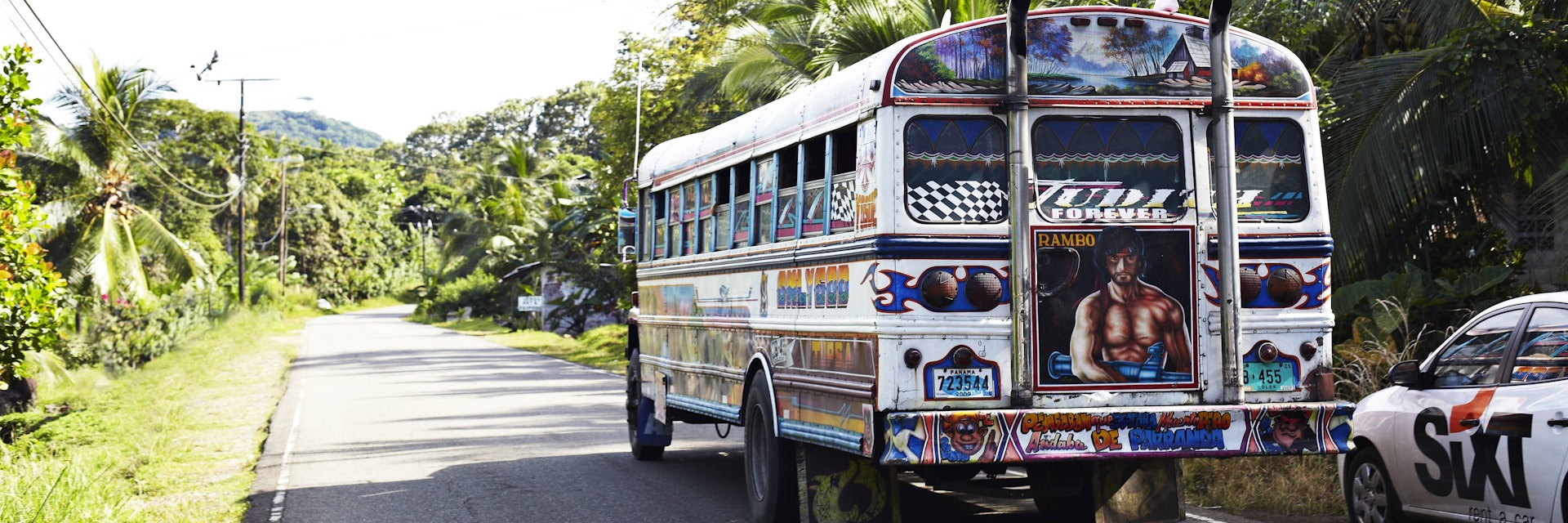
Mark Read
This Caribbean fishing village is so laid-back and languorous, it's hard to imagine it was once the greatest Spanish port in Central America. Mules carried Peruvian gold and Oriental treasures to Panama City via the fortresses at Portobelo. Though English privateers destroyed them many times throughout their history, several of these atmospheric colonial fortresses still stand amid village homes.
Experience the real Portobelo. Let a local expert handle the planning for you.
Get startedPortobelo
Fuerte San Jerónimo, close to the center of Portobelo, was the largest fortress ever built to protect the bay. Some two dozen embrasures with 16 cannons…
Portobelo
A 20-minute, US$45 return boat ride from Portobelo will bring you to this lovely white-sand beach on a tranquil cove surrounded by dense wilderness. It…
Portobelo
Atop a hill overlooking much of the bay is a small but well-preserved watchtower called Mirador Perú, which was built at the same time as Fuerte Santiago…
Portobelo
Under renovation at the time of research, the handsome, two-story Royal Customs House of Portobelo was originally built in 1638 to serve as the contaduría…
Portobelo
Located in and around Portobelo, this 360-sq-km park and Unesco World Heritage Site protects islands and coastal communities of coral reefs, mangroves and…
Portobelo
Approaching from the west, Portobelo's first fort is Fuerte Santiago. Built in 1753, some 14 years after Vernon’s attack, some walls were 3m thick and…
Portobelo
In 1601 Fuerte San Felipe and Fuerte San Diego were built near the mouth of the bay but were subsequently destroyed by Admiral Vernon in 1739. Fuerte San…
Portobelo
This Roman Catholic church dating from 1814 is home to Portobelo's famed Black Christ; it's to the left of the main altar. The faithful attribute scores…

in partnership with getyourguide
Get to the heart of Portobelo with one of our in-depth, award-winning guidebooks, covering maps, itineraries, and expert guidance.