Jul 19, 202510 min read
The 16 best things to do in MéridaJul 19, 2025
10 MIN READ

Writer
Writer
Mérida is one of Mexico’s finest cities.
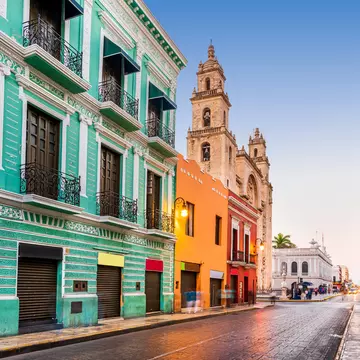
Steeped in some 400 years of history – with architecture and leafy plazas to match – the city is the cultural hub of the Yucatán Peninsula. Mérida is home to the region’s best museums and restaurants, bustling markets and vibrant nightlife.
Every day of the week, visitors and locals enjoy free events – from regional dance and spoken word performances to live concerts and light and sound shows.
And the bustling capital makes a good base for exploring some of the region’s most iconic sights, too – think Maya ruins, hidden cenotes and even pink flamingos.
Here are the best things to do in and around Mérida.
If you can swing it, plan on spending a Sunday here. The weekly Domingo en Mérida event, closes downtown streets to vehicles and avenues fill with pedestrians, folk art vendors, street performers and food carts selling steaming elote (corn on the cob), marquesitas (stuffed crepes) and other mouthwatering antojitos (treats).
The sounds of live dance and music performances, and the applause and laughter of audiences, fill the plazas throughout the day.
Local tip: Come early to join locals on the Bici-Ruta, a 3-mile (5km) bike route through the historic center – bike rentals are cheap and easily found on the main plaza.
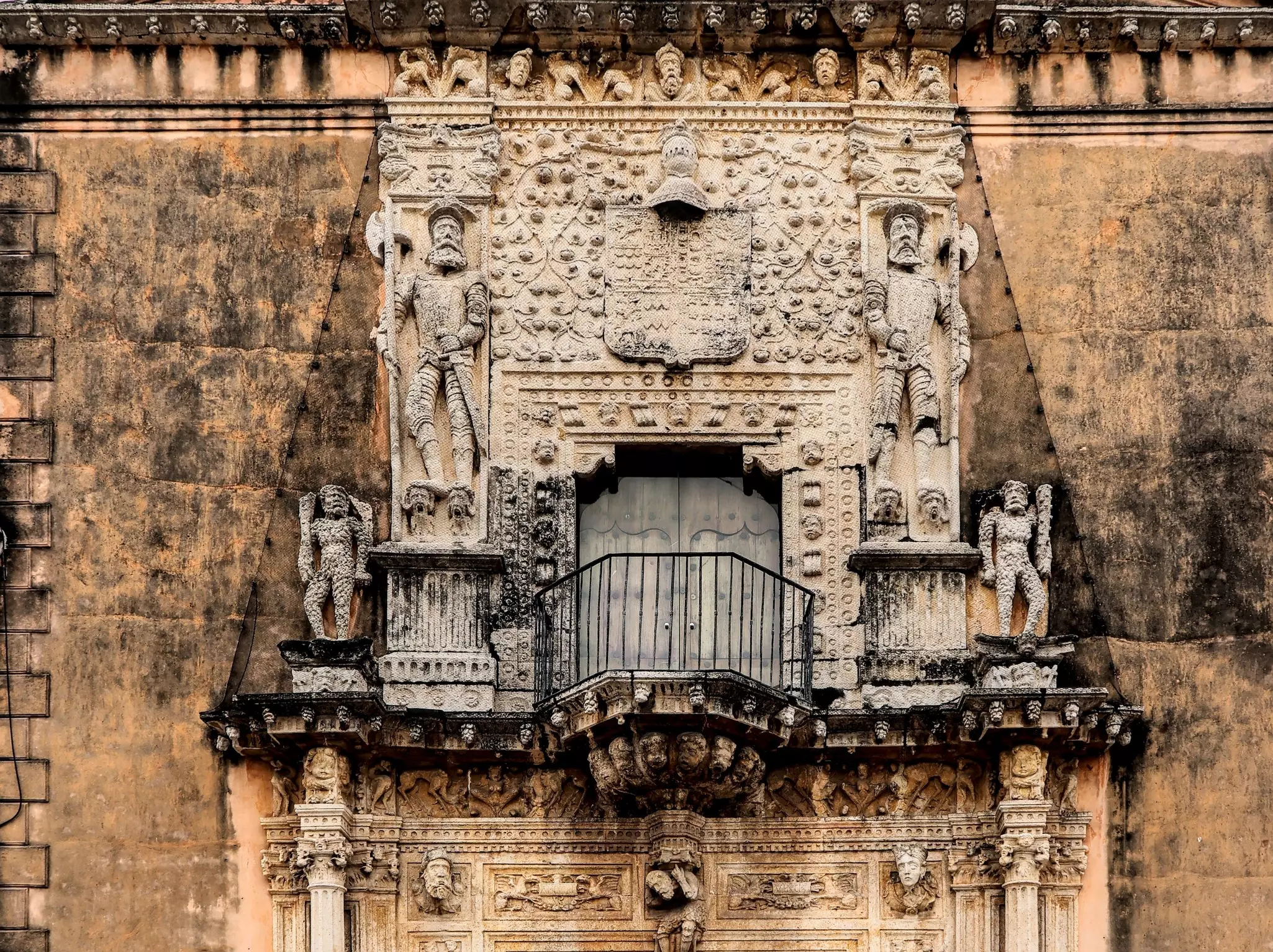
A great way to learn about the complex history of Mérida – one of the oldest continuously inhabited places in the Americas – is to join a tour.
The city tourist office runs free 1.5-hour walking tours that depart daily from the Palacio Municipal; guides focus on key colonial-era buildings and plazas in the historic center.
Local tip: Keep an eye out for the carved stones integrated into many buildings, remnants of the Maya temples and palaces that once stood here.
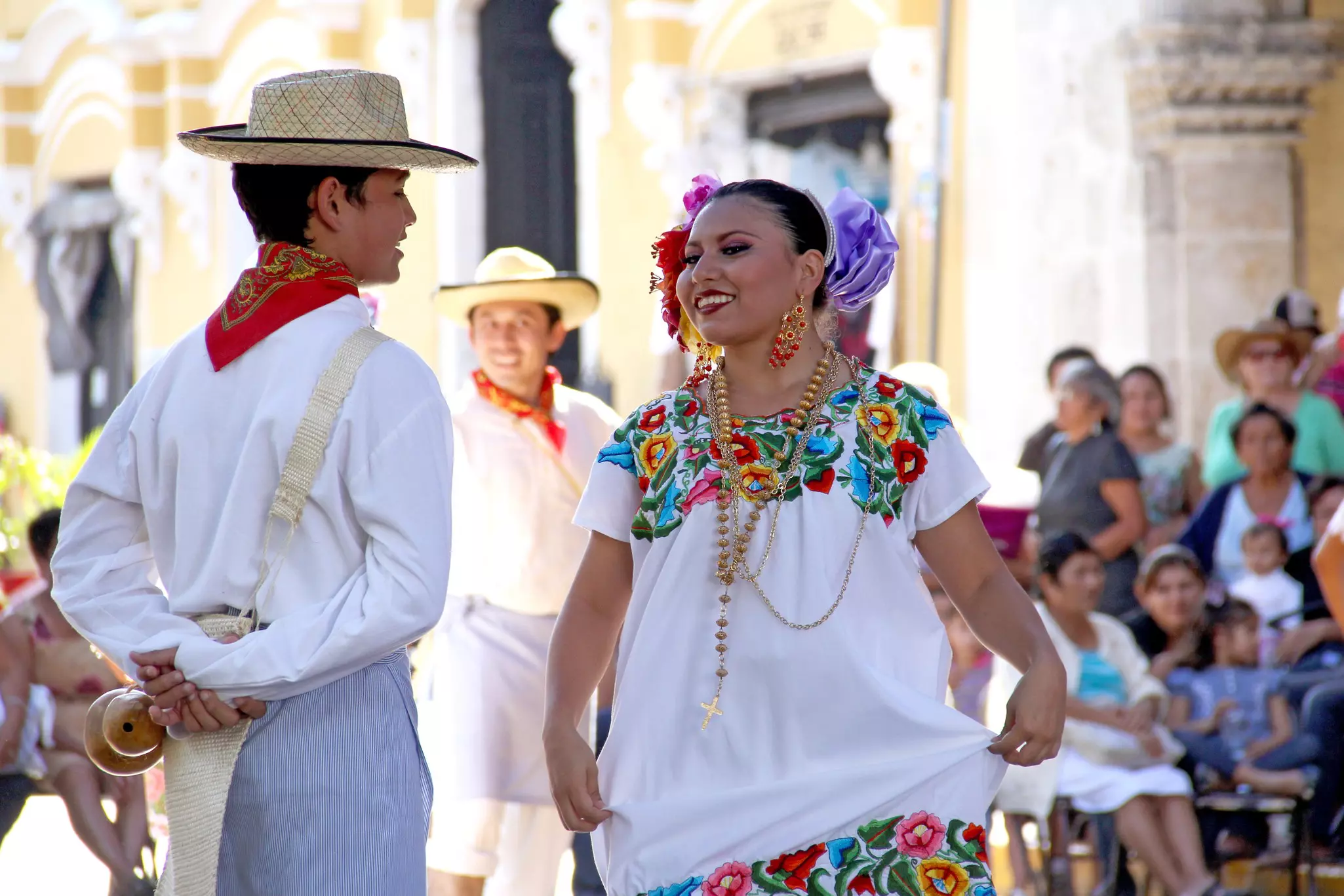
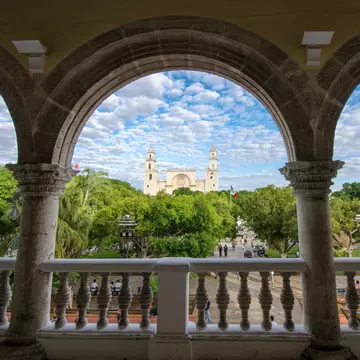
Plaza Grande is the heart of Mérida and one of Mexico’s most charming plazas, lined with towering laurel trees and iron benches, with views of the city’s historic buildings all around.
All over the square, S-shaped “tú y yo” chairs are favored by women in colorful huipiles (loose fitting tunic) and teens texting with friends, while children in too-big sneakers run past. On weekends and evenings, food carts and artisan stands fill the plaza.
Planning tip: Time your visit to watch the folk-dance performance called vaquerías, complete with live music, poetry and dancers spinning in traditional dress.
Take in some of the region’s most gifted painters and sculptors at Museo Macay, Mérida’s modern art museum.
Housed in the ornate 16th-century Palacio Arzobispal, the museum has an impressive collection of works by such well-known artists as Fernando Castro Pacheco and Fernando García Ponce.
Detour: For crafts and folk art, head to the Museo de Arte Popular de Yucatán, a renovated casona (mansion) showcasing magnificent textiles, ceramics and woodwork created by master artisans near and far.
Sip on an artisanal mezcal or throw back a local beer at one of Mérida’s old-school cantinas, today transformed into atmospheric hotspots with fading Talavera tile floors, crumbling stone walls and breezy courtyards.
Live music fills the air most nights, and each round brings bigger and better botanas (appetizers).
Local tip: Popular spots include La Negrita, Pipiripau Bar and La Fundación Mezcalería.
Once a stagecoach stop, the pretty Parque Santa Lucía is surrounded by arcades that, today, are home to some of the finest restaurants in Mérida, their tables spilling out onto the leafy plaza.
On Thursday evenings, treat yourself to a gourmet Yucatecan meal and a creative cocktail while Serenatas Yucatecas, a city-sponsored concert of trova (troubadour-type folk music) is presented on an outdoor stage.
Planning tip: The event has been presented since 1965 and draws hundreds each week, so be sure to come early for a good table.
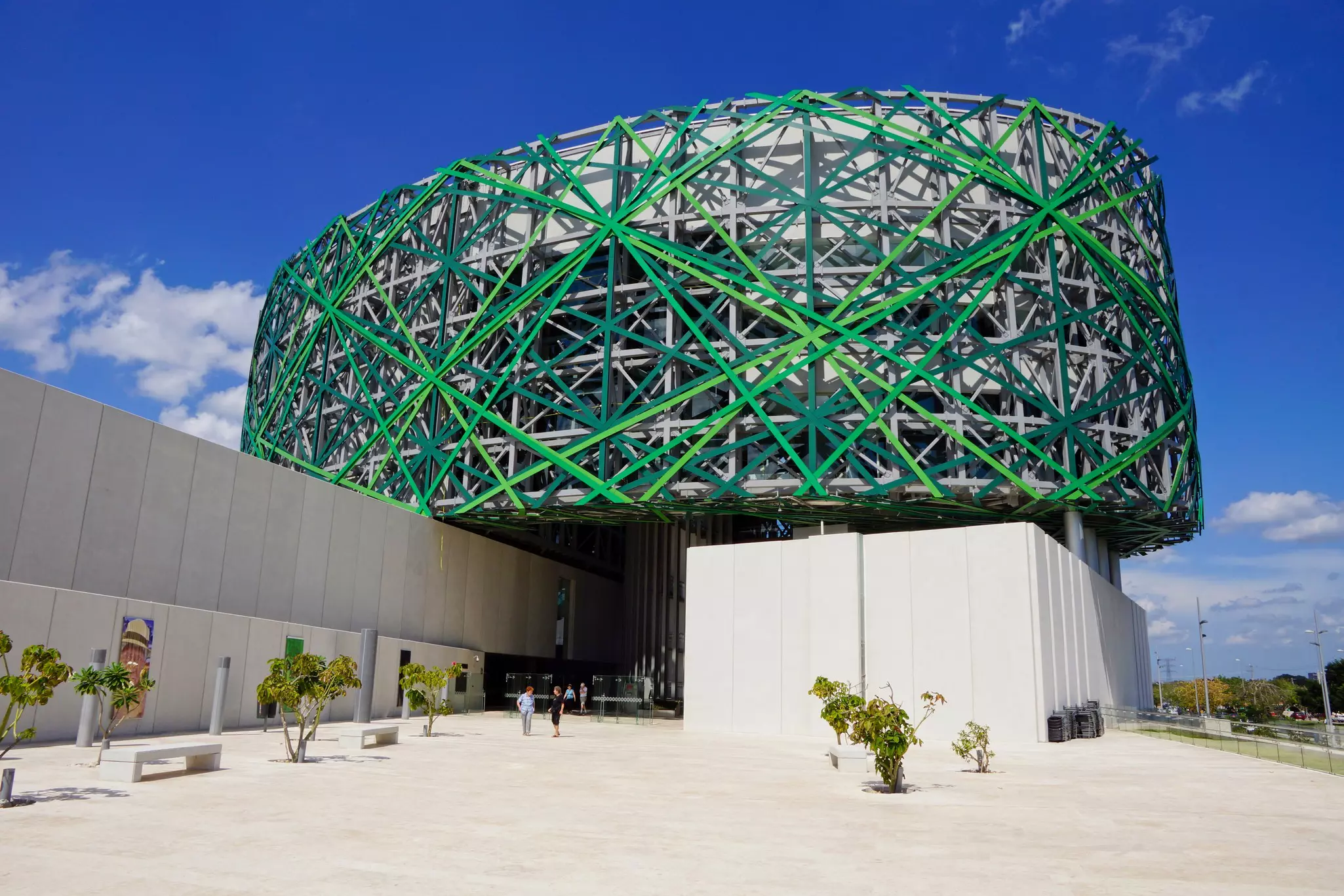
Located in the heart of the Maya world, Mérida unsurprisingly is home to outstanding archaeological museums – must-sees for anyone with even a passing interest in the region’s history.
The Gran Museo del Mundo Maya is the heavy-hitter – a world-class museum with multi-media exhibits on the ancient and modern-day Maya plus over 1,100 well-preserved artifacts, including ornately painted ceramic pieces, ceremonial items and intricate sculptures.
The building was designed to look like a ceiba, a tree sacred to the Maya.
Planning tip: On weekend evenings, a Maya-themed light-and-sound show is projected onto the exterior walls for passersby to enjoy.
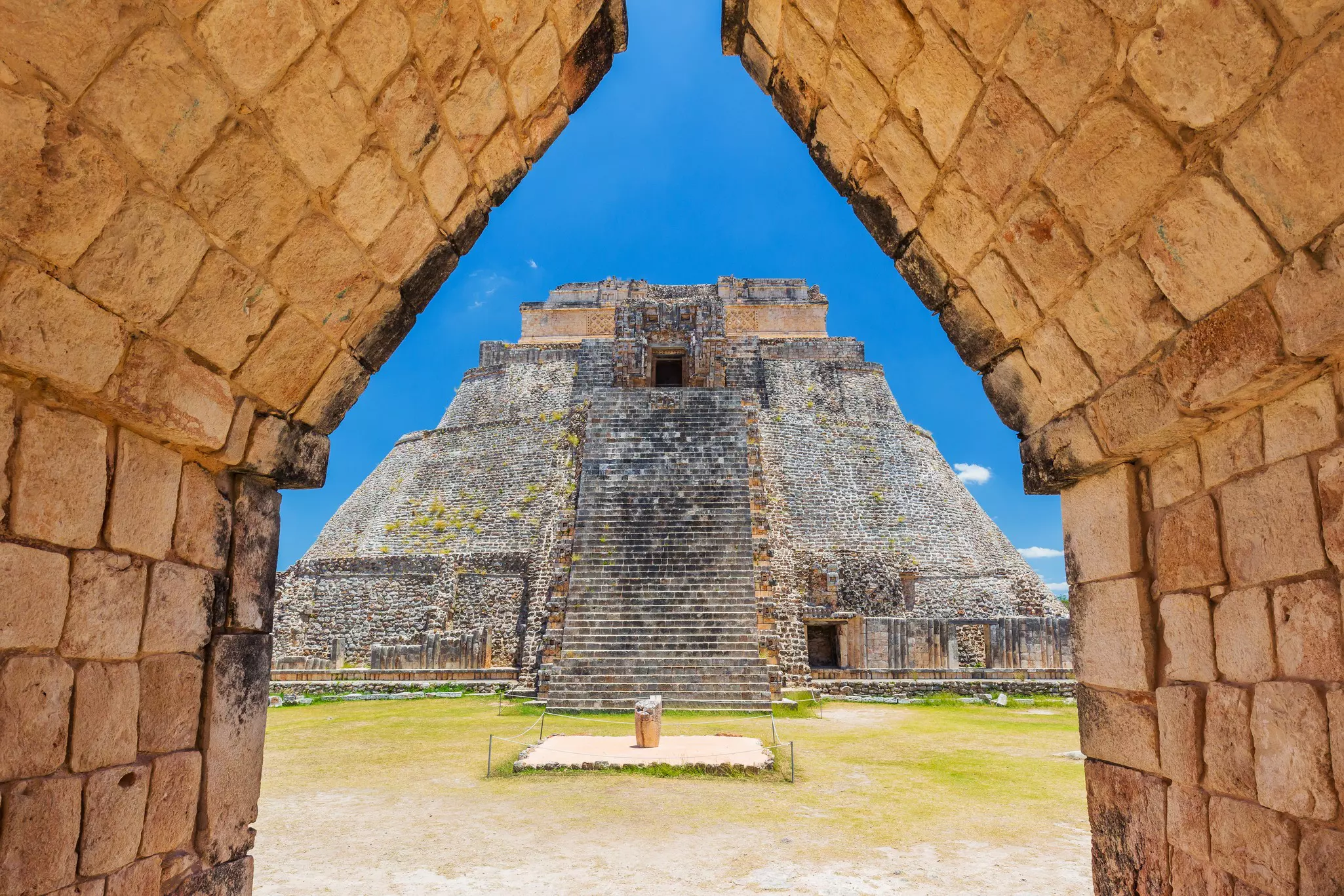
Just 50 miles (80km) south of Mérida lies the Ruta Puuc, a driving itinerary connecting five unique Maya ruins: Labná, Xlapak, Sayil, Kabah and Uxmal.
Comprising a popular (if fast-paced!) day trip, the sites can be accessed by rental car, bus or organized tour; staying overnight in the village of Santa Elena allows you to linger and explore a bit more of each.
Every one of these ancient sites is notable for unique Puuc-style architecture and scale – though the crown jewel is Uxmal, one of the great Maya cities, complete with towering temples and astonishing facades carved with animal-form deities.
Planning tip: In the evening, a light-and-sound show is projected onto Uxmal’s most prominent structures.
There aren’t many places in the world you can watch pok ta pok, the Maya ball game. Every Wednesday evening in front of Mérida’s Catedral de San Ildefonso, the city hosts a re-enactment of the ancient sport – sans human sacrifice.
Players are barefoot and decked out in body paint and loin cloths, using only their hips to launch a solid rubber ball – weighing as much as 9lbs – through an elevated stone hoop. If that weren’t enough, the ball is lit on fire as the crowd cheers at each pass. It’s a spectacle, yes, but one well-worth seeing.
Local tip: If you want a fun holiday capture, players often linger afterwards for photos with fans.
On Tuesday evenings, follow the sounds of big-band music to Parque Santiago, just west of the historic center. You’ll find yourself at Rembranzas Musicales, a free outdoor dance party, when the park fills with locals twirling to the Cuban-inspired sounds of danzón and salsa.
Local tip: When the musicians take a break, grab a seat at one of the park-side restaurants, mostly simple eateries specializing in local favorites like panuchos (stuffed fried tortillas), salbutes (deep fried tortillas with loads of toppings) and aguas frescas (fruit-based drinks).
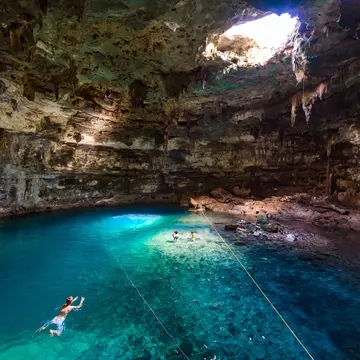
Set aside a full morning to visit the Cenotes de Cuzumá, arguably the most striking of the many cenotes in the Mérida region.
A series of three limestone sinkholes, the cenotes are freshwater pools found deep underground, complete with stalactites hanging from the stone roofs and rope-like tree roots reaching toward the cool, impossibly clear waters. At mid-day, ethereal shafts of light only add to the drama.
Arriving at the site, located on an old henequen plantation, visitors are carried by horse-drawn trukes (rail carts) to the cenote entrances – a fun, tooth-jarring ride through overgrown fields.
Planning tip: Be sure to wear your swimsuit and take care descending the ladders, which can often be slippery.
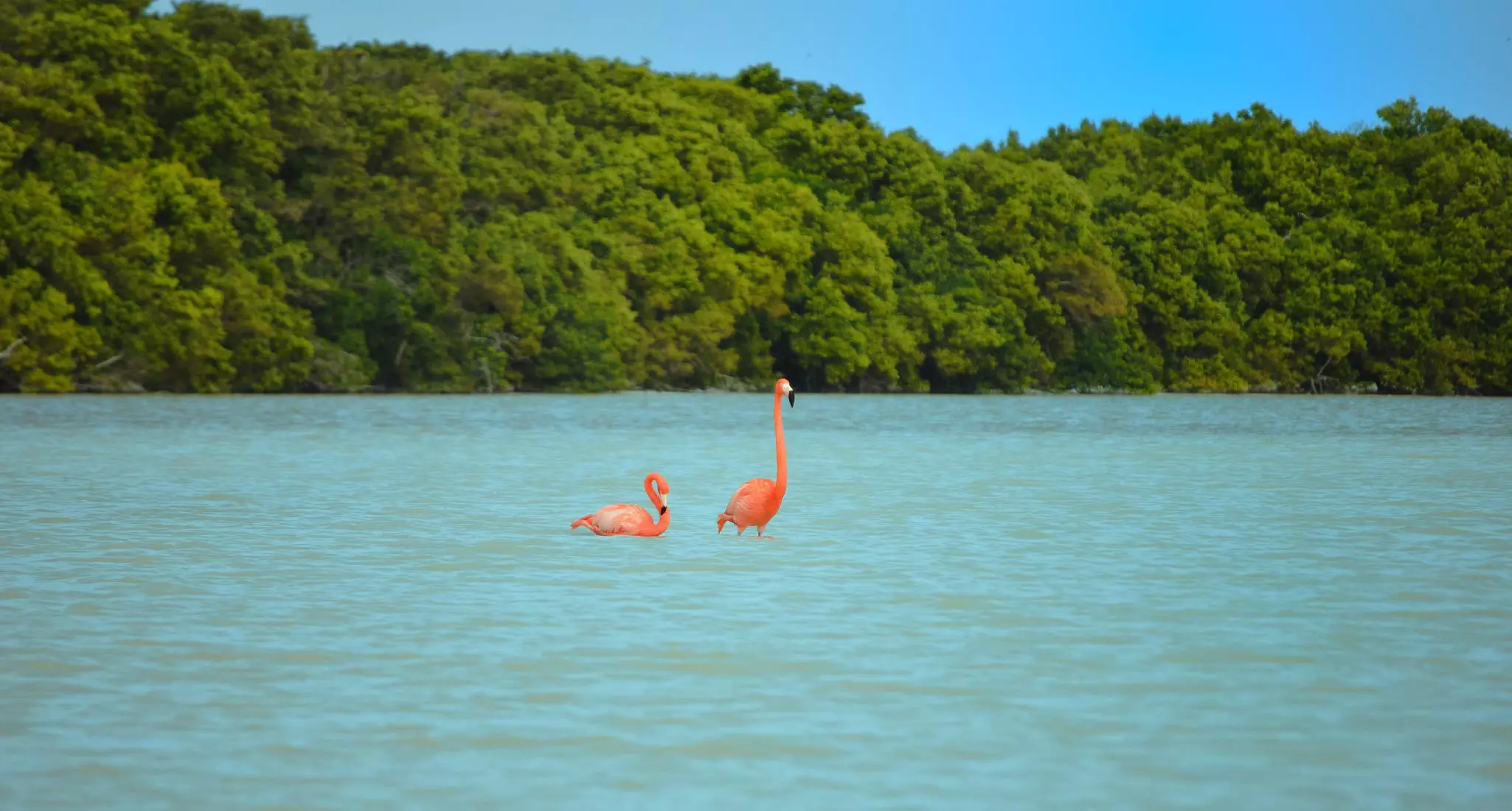
Even if you’re not into birding, the sight of thousands of pink flamingos eating, strutting and curling their long necks will amaze you.
Reserva de la Biósfera Ría Celestún, 60 miles (96km) west of Mérida, is home to one of the world’s largest colonies of American flamingos – the largest and pinkest of the flamingo species.
Planning tip: While boat tours are offered year-round, flamingo numbers spike to over 35,000 from November to March, when mating season is in full gear. If you’re on a budget, it’s easy to arrange a boat share with fellow visitors.
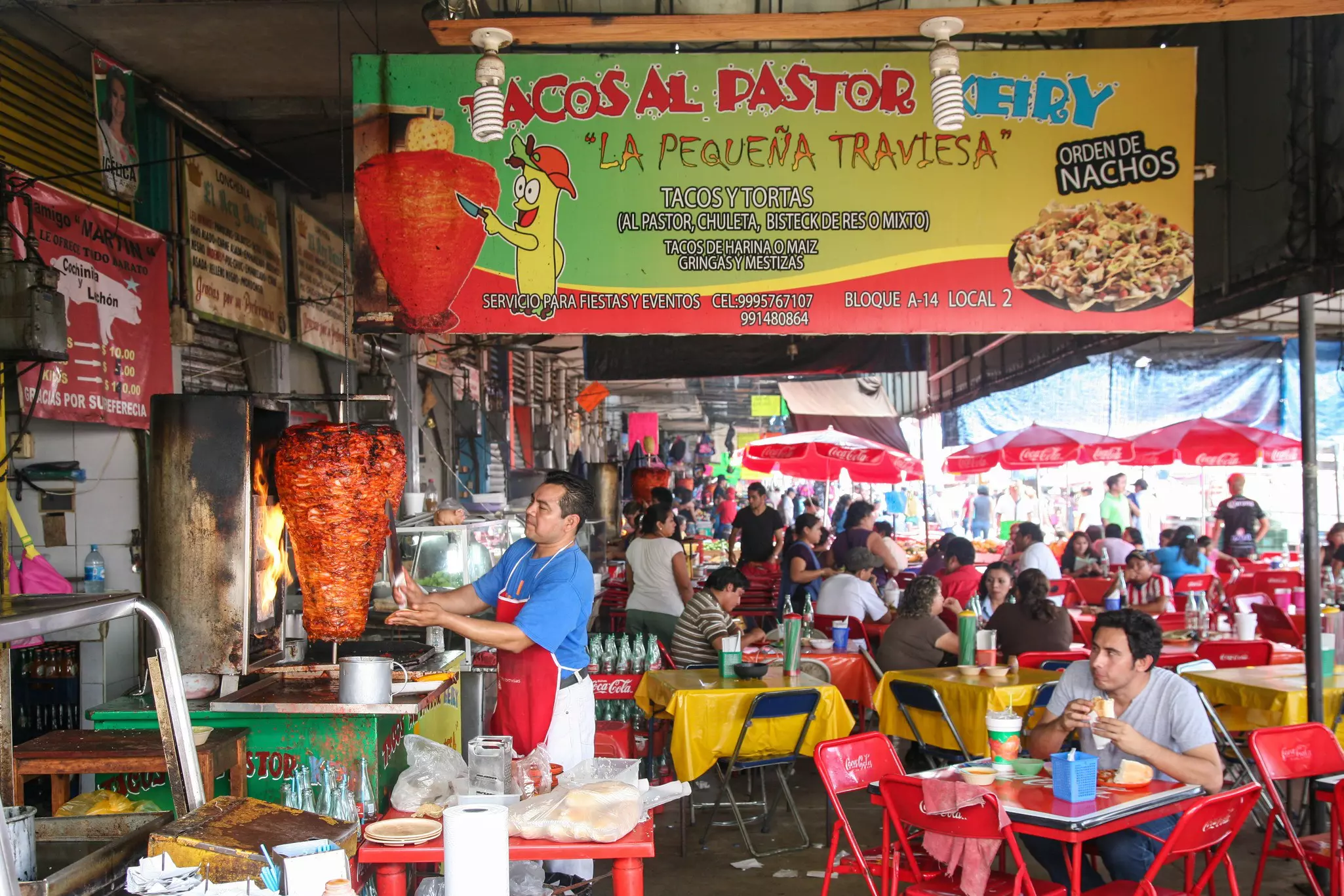
For a slice of local life, wander Mérida’s main market – Mercado Municipal Lucas de Gálvez – a mammoth, warehouse-like building bursting with colors and aromas; neat piles of tropical fruits and buckets of flowers; hanging animal parts; and stalls filled with religious icons.
For cheap eats, head to the second floor, where traditional comidas corridas (two-course lunches, served with a drink) are served at mom-and-pop eateries.
As the region’s largest city, Mérida is a hub for the finest of Yucatecan crafts, from linen guayaberas and colorful hammocks to handcrafted jewelry and jars of artisanal honey.
For those who like to browse, upscale boutiques and sidewalk markets dot almost every block in the historic center.
Local tip: For one-stop shopping, head to the state-run Casa de las Artesanías, a brick-and-mortar shop showcasing the work of some of the best local artisans; prices are fixed and fair
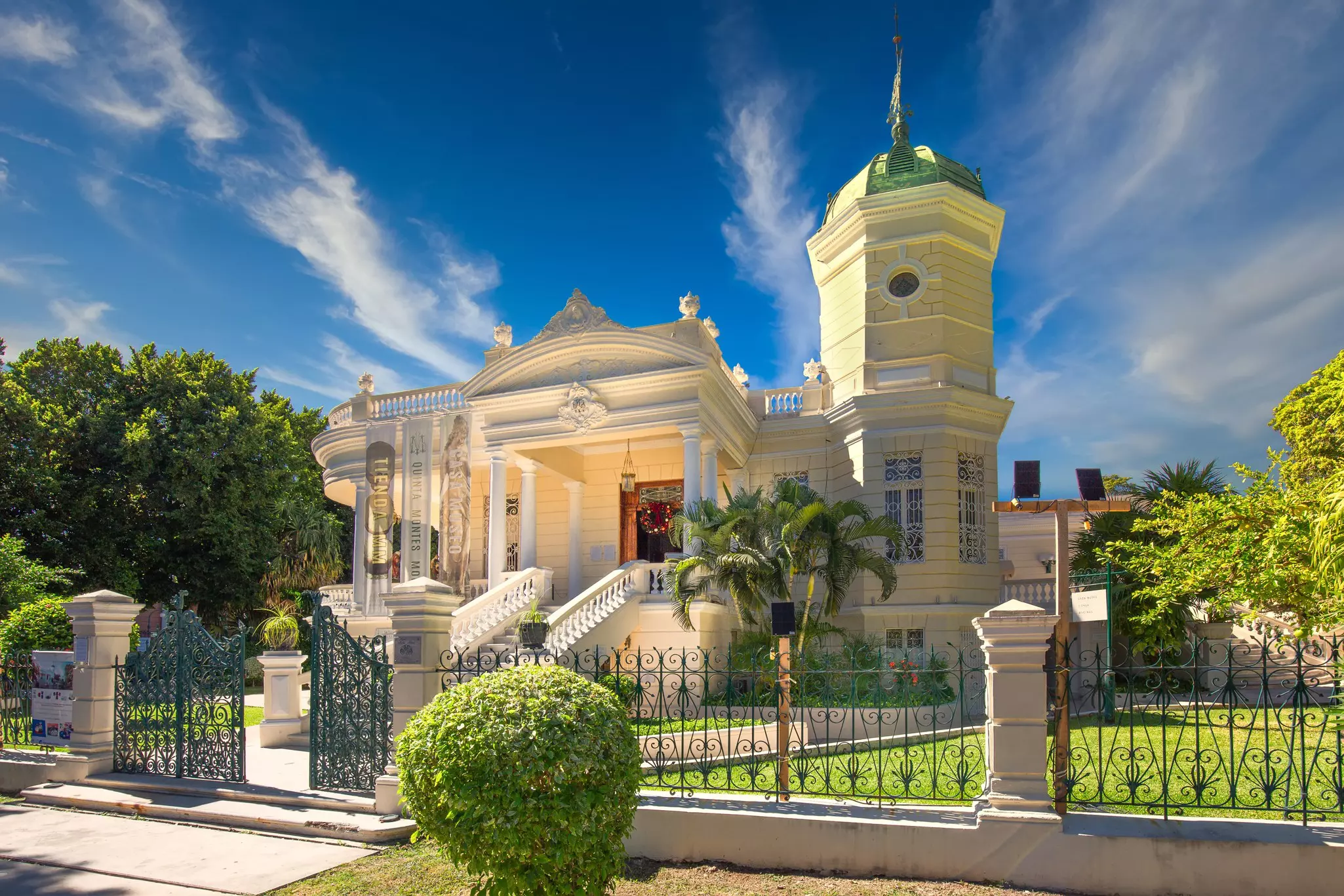
The grande dame of Mérida’s avenues, Paseo de Montejo is a wide, tree-lined boulevard designed to emulate Paris’s Champs-Élysées.
The stretch is dotted with 19th-century mansions that showcase the strong architectural and social influence of Europe on the city (and the spectacular wealth of Mérida’s former henequen barons).
Today, many of these homes have been repurposed as fine restaurants, boutique hotels, high-end shops and even museums.
Local tip: Join Meridanos for a late-afternoon stroll along the avenue – stopping into the Casa Museo Montes Molina or Palacio Cantón and finishing up with a meal at Ku’uk – and feel what upper-class life might have been like during Mérida’s most refined era.
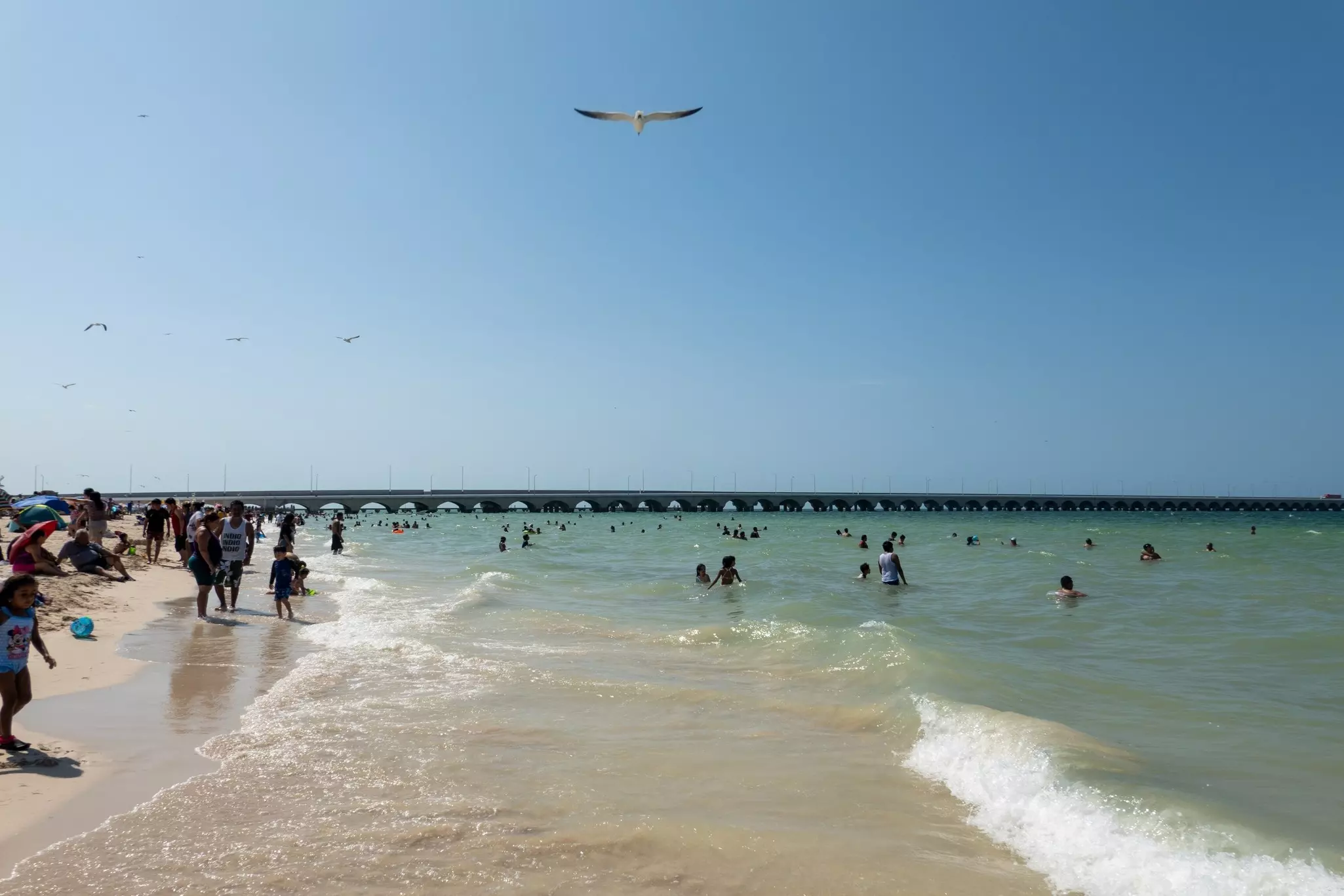
If you’re aching for a beach fix, do like locals do and head straight to Progreso, a quick 21-mile (33km) bus ride north.
There, you’ll find a laid-back beach town with a wide expanse of soft, tawny sand dotted with palapa shade next to an undulating malecón (boardwalk).
Calm days bring emerald waters and sweet ocean breezes; in the winter nortes (strong northerly winds) cloud the water but bring visions of kiteboarders flipping and flying in the distance.
Planning tip: For a party-like feel, come on a summer weekend, when the beachfront restaurants and bars are bustling with sun- (and party-) seeking Meridianos.
Explore related stories