Ipoh
First discovered by a monk in 1890, this cavern, 5km south of Ipoh, is now a riot of religious statuary and pagoda tiles. The entrance pavilion is grand…
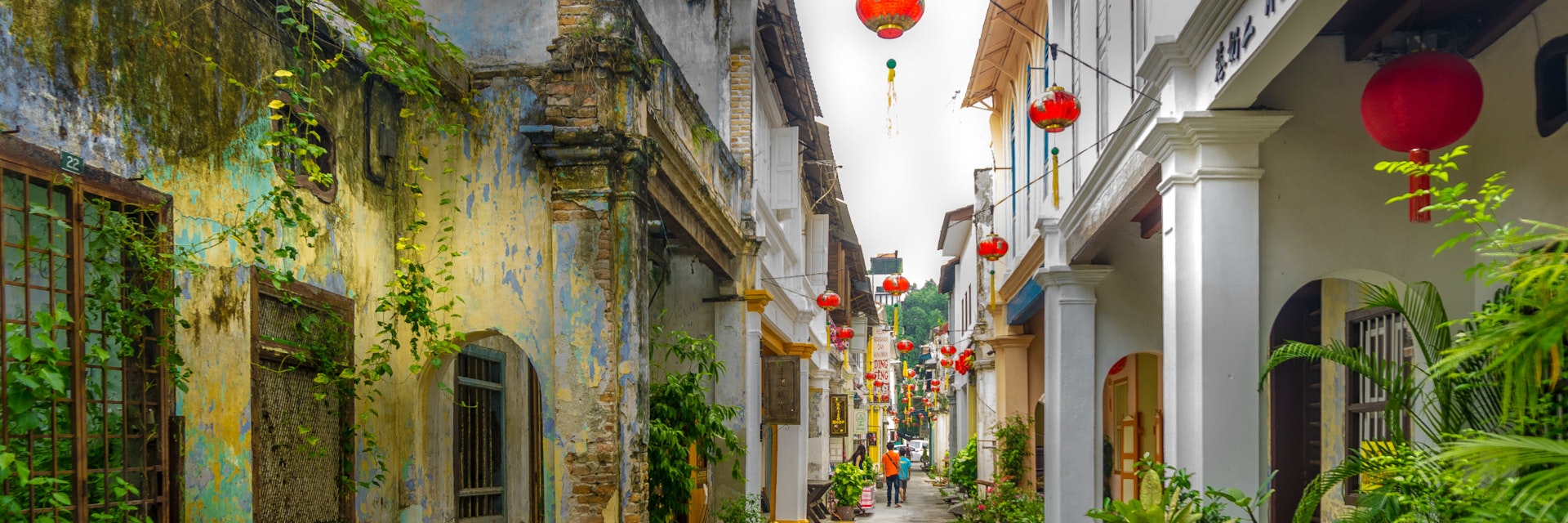
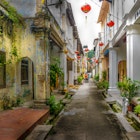
Colonial architecture stands side by side with rickety kedai kopi (coffee shops) in chameleonic Ipoh. The capital of Perak is flanked by towering white cliffs, some with magnificent cave temples pocketed in the limestone. Sliced into old and new towns by the Kinta River, Ipoh charms with its street art and street food – rather like a languid version of George Town.
Ipoh
First discovered by a monk in 1890, this cavern, 5km south of Ipoh, is now a riot of religious statuary and pagoda tiles. The entrance pavilion is grand…
Ipoh
With a craggy cave mouth beneath a towering cliff, Kek Look Tong (1920) has the most impressive approach of all Ipoh's temples. Three Sages dominate the…
Ipoh
Developed in 1926 by Chinese Buddhists Chong Sen Yee and his wife, this temple (7km north of Ipoh) is popular for its mesmerising murals and panoramic…
Ipoh
The clock tower, with a 1.95m-diameter bell, was erected in 1909 in memory of James WW Birch, Perak’s first British Resident. Birch was murdered in 1875…
Ipoh
It's no wonder that locals compare it to the Taj Mahal: Ipoh's train station is a harmonious Moorish and Victorian architectural masterpiece, framed by…
Ipoh
This charming small museum charts the history of Han Chin Villa, a 1929 clubhouse for Hakka tin miners that became a hotbed of prostitution, opium trading…
Ipoh
North of the padang (field), this museum is housed in a 1926 villa built for a wealthy Chinese tin miner. The museum features displays on the history of…
Ipoh
Ipoh’s courthouse was completed in 1928 by AB Hubback, the same architect who designed Ipoh’s train station and the town hall.
Sep 27, 2016 • 6 min read
in partnership with getyourguide
Get to the heart of Ipoh with one of our in-depth, award-winning guidebooks, covering maps, itineraries, and expert guidance.