Aomori Prefecture
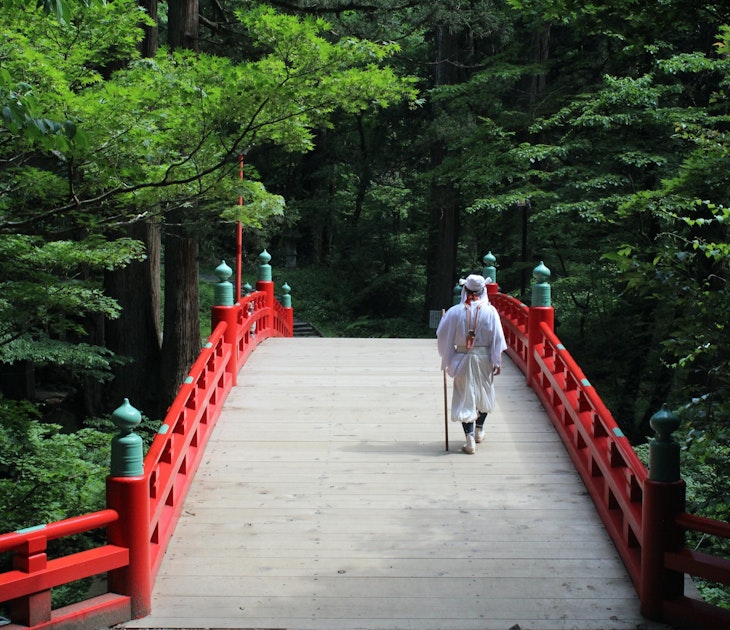
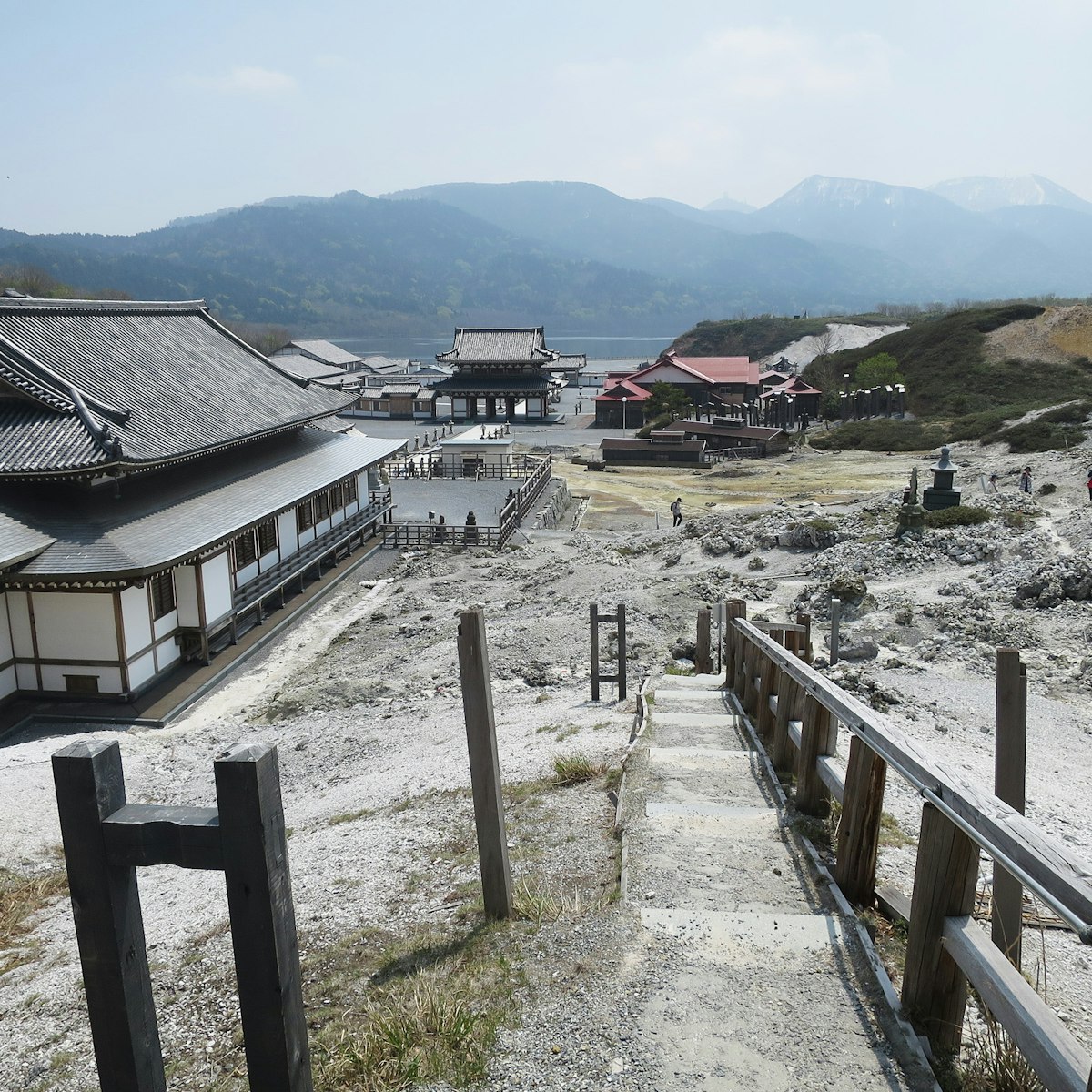
This holy shrine at Osore-zan's summit is a moving, mesmerisingly atmospheric and beautiful place honouring Jizō Bosatsu, protector of children and a much…
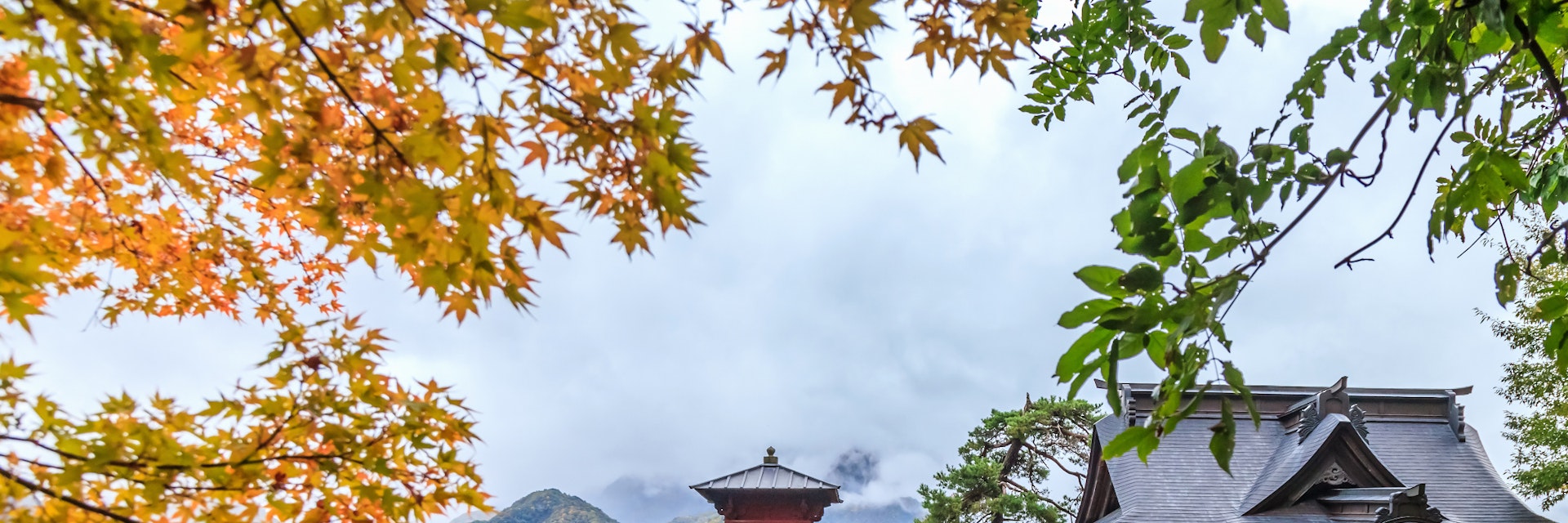
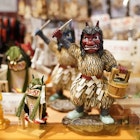
Stretching out above Tokyo is the fabled Tōhoku (東北; Northeast) – starring Miyagi, Yamagata, Iwate, Fukushima, Akita and Aomori Prefectures – where ice monsters and river imps inhabit the imagination (but hopefully not the onsen). Hugging the west coast is Niigata Prefecture, a skiing and hiking wonderland that also includes the rugged and remote island of Sado-ga-shima.
Experience the real Northern Honshū (Tōhoku). Let a local expert handle the planning for you.
Get startedAomori Prefecture
This holy shrine at Osore-zan's summit is a moving, mesmerisingly atmospheric and beautiful place honouring Jizō Bosatsu, protector of children and a much…
Northern Honshū (Tōhoku)
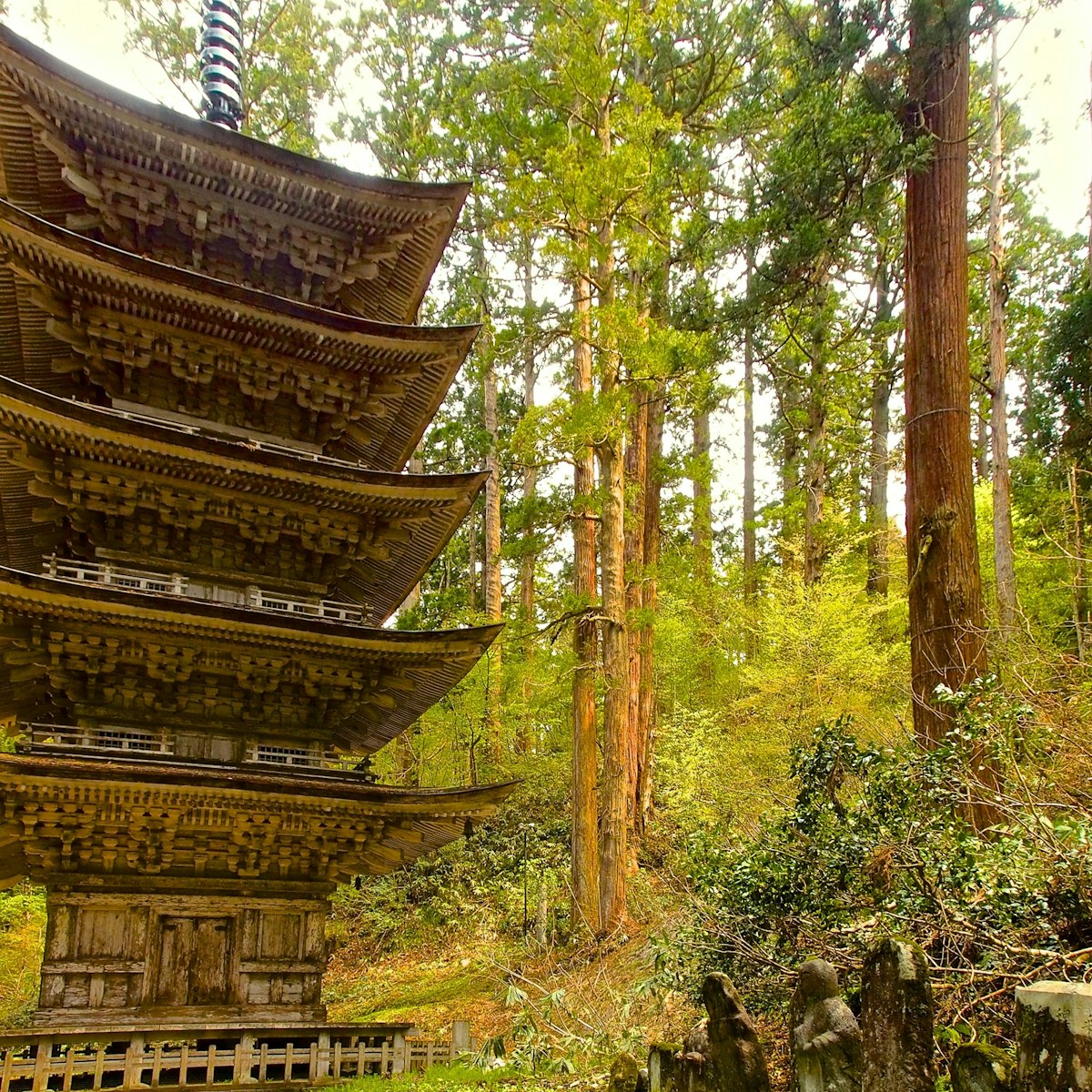
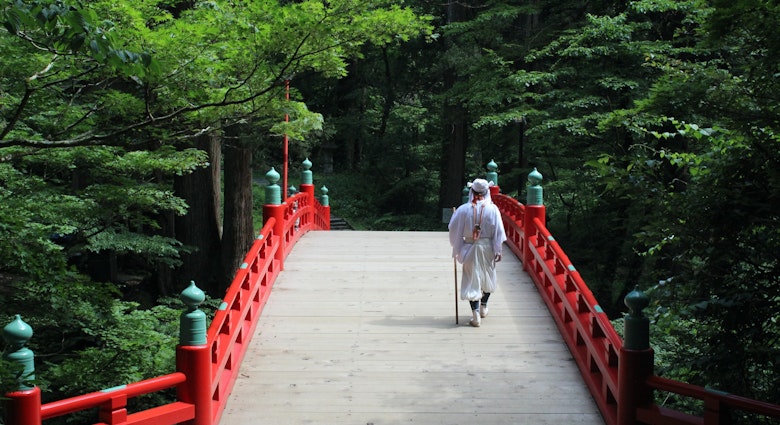
The 2446 stone steps through ancient cedars to Haguro-san's summit (419m) have been smoothed by centuries of pilgrims. The climb, taking up to two hours,…
Aomori Prefecture
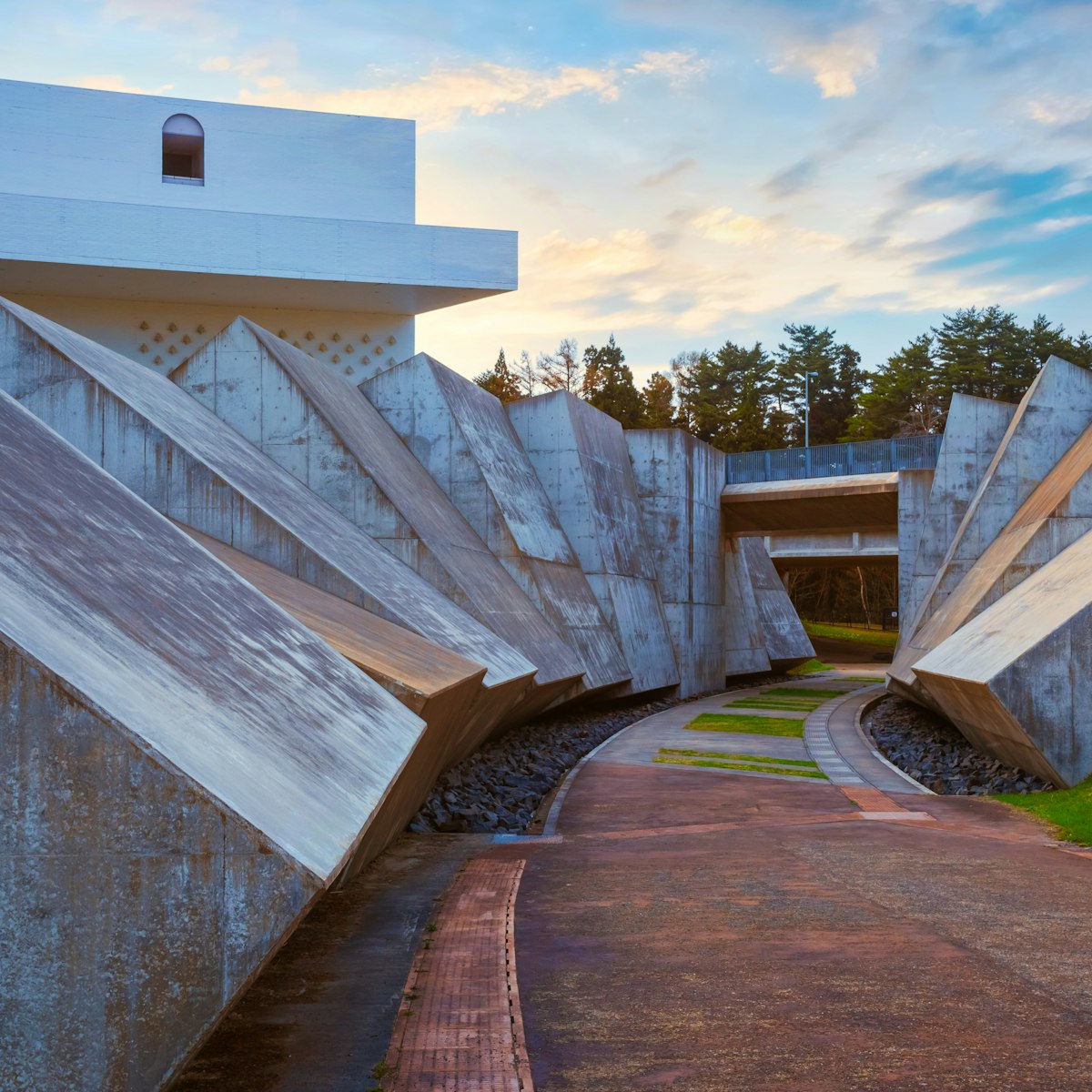
Looking like a modernist sculpture, the geometric white facade of the Aomori Museum of Art was designed to blend in with the landscape when blanketed with…
Northern Honshū (Tōhoku)
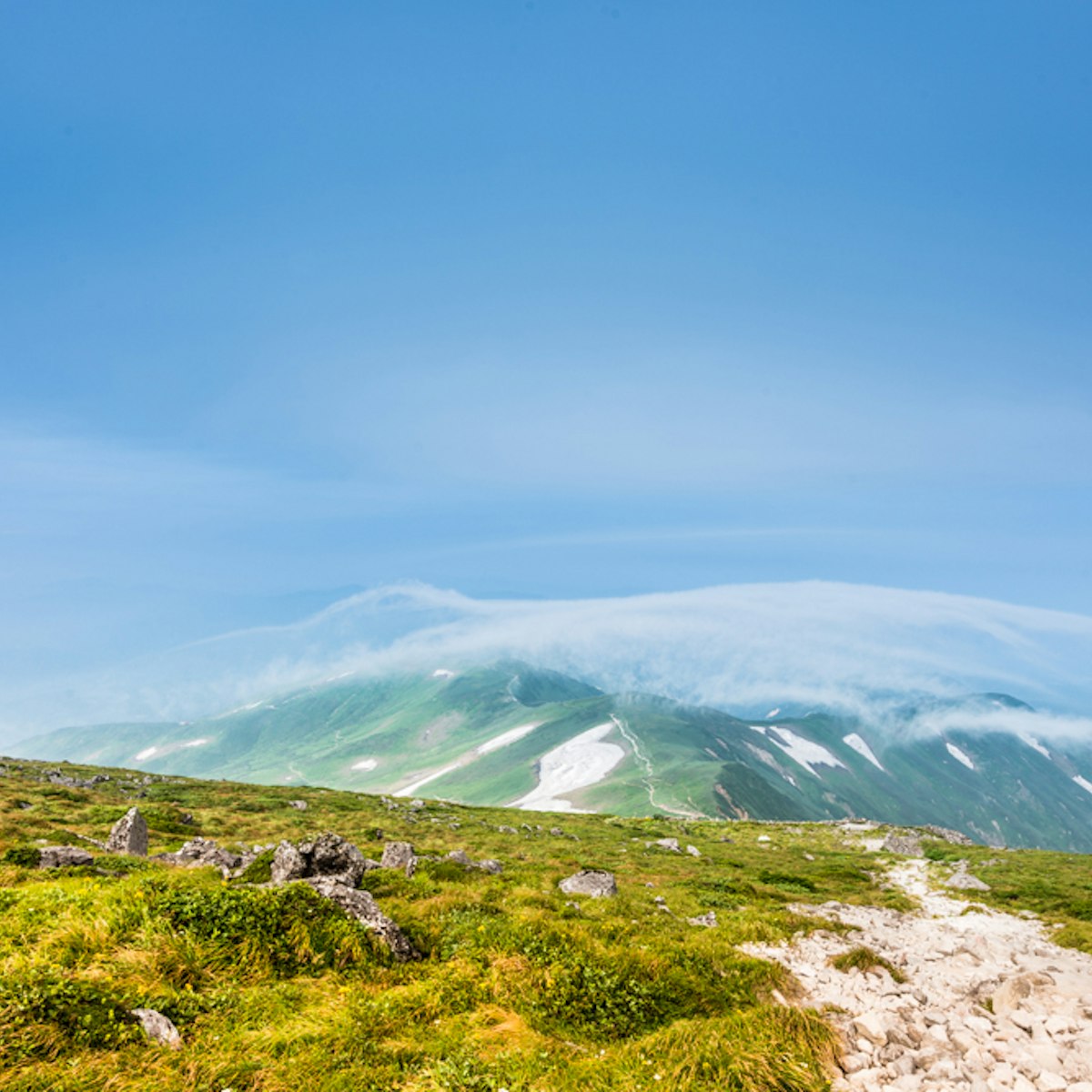
Accessible from July to September, Gas-san (1984m) is the highest of Dewa Sanzan's sacred mountains. From Hachigōme (八合目; eighth station) the route passes…
Northern Honshū (Tōhoku)
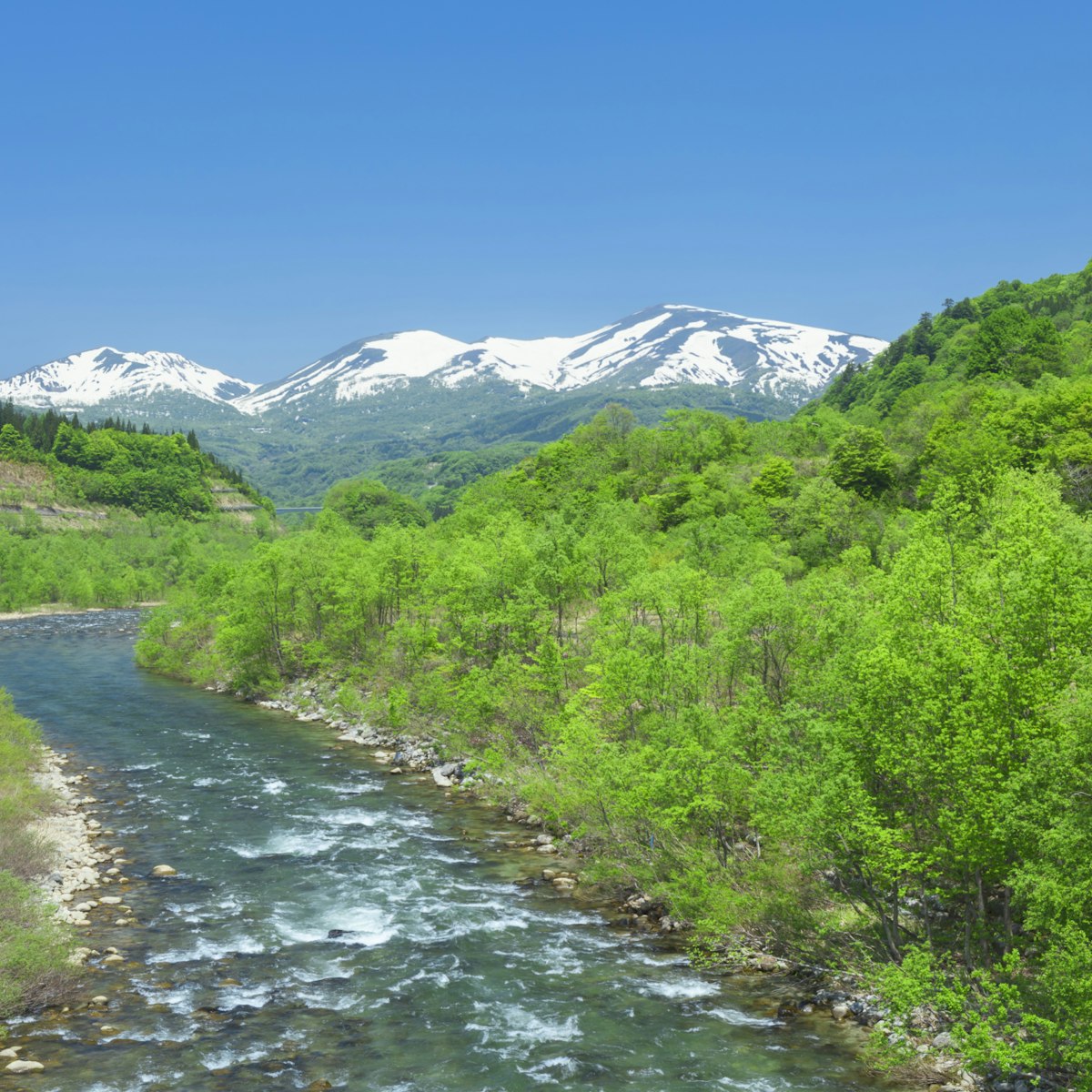
Accessible from May to October, Yudono-san (1504m) is the spiritual culmination of the Dewa Sanzan trek. Coming from Gas-san it's a short walk from the…

Northern Honshū (Tōhoku)
The 'Temple of Standing Stones', more commonly known as Yamadera, rests atop a rock-hewn staircase weathered over the centuries by unrelenting elements…
Iwate Prefecture
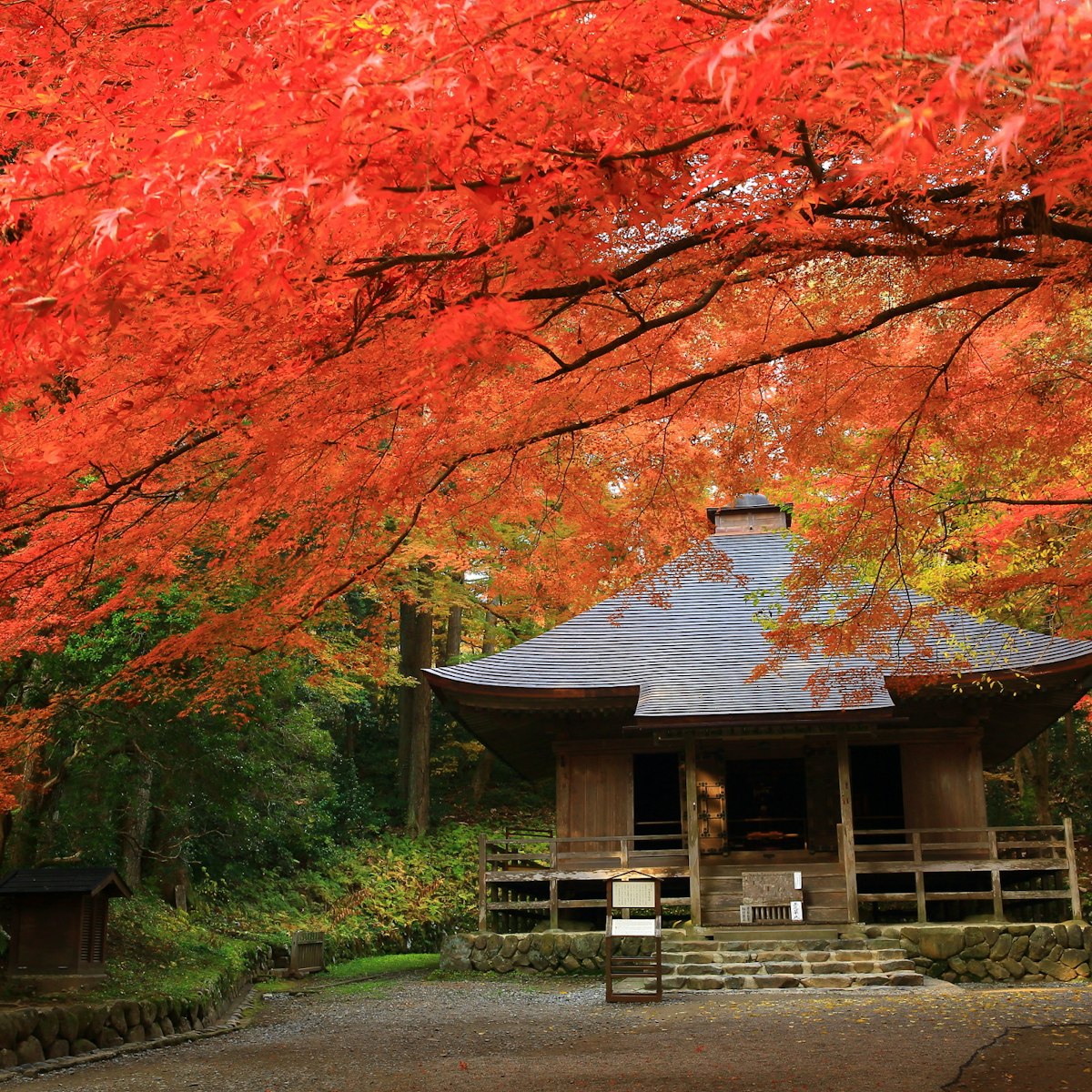
Established in AD 850 by the priest Ennin, the Chūson-ji complex was expanded by the Ōshu Fujiwara family in the 12th century. A total of 300 buildings…
Northern Honshū (Tōhoku)
High in the hills above Kesennuma, this local art museum houses the largest collection of photographs and artefacts in existence relating to the 2011…
Filter by interest:
Sep 8, 2021 • 5 min read
Feb 27, 2020 • 5 min read
Jan 30, 2020 • 6 min read

Jan 15, 2020 • 1 min read

Get to the heart of Northern Honshū (Tōhoku) with one of our in-depth, award-winning guidebooks, covering maps, itineraries, and expert guidance.