Northern HonshūActivities

Activities in Northern Honshū

  1. Temple Walk

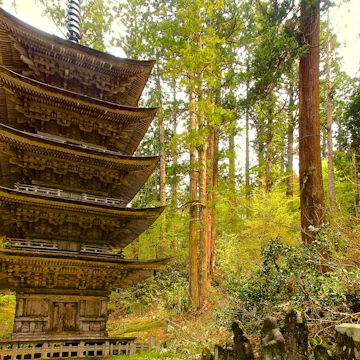
    There are several temples in the vicinity of Mano, many of which lie along a peaceful 7km nature trail that begins just west of Konpon-ji, near the Danpū-jōbus stop. It's a short walk from there to the Myōsen-ji temple, which has a distinctive five-storey pagoda.

    The trail then passes through rice fields and up old wooden steps set into the hillside to Kokubun-ji, Sado-ga-shima's oldest temple (dating from 741); although sadly neglected, it's still beautiful. Another 3km takes you past marvellous lookout points to Mano Go-ryō, the tomb of Emperor Juntoku. From there, it's a short walk down to Sado Rekishi Densetsukan where tireless robots illustrate dioramas of Sado's …

    reviewed

  2. Taraibune Ride

    Ogi's back attraction is a ride in this: a boat usually made from a barrel and rowed by women in traditional fisherfolk costumes. It looks difficult and it is - those awkward poles at the front are used to steer. You can try your hand at it in Ogi harbour.

    reviewed

  3. Excursion in Senkaku wan Bay

    A 20-minute bus ride north of Aikawa on the Kaifu line, this bay features striking rock formations, which you can view by going out in a glass-bottom vessel.

    reviewed

  4. Towada-ko Scenic

    To get a sense of the lake's enormous scale, you really need to leave the shoreline. Formed by a series of violent volcanic eruptions eons ago, Towada-ko is a roughly circular caldera lake hemmed in by rocky coastlines and dense forests. In the autumn months, the dying leaves erupt in a fiery display that stretches to the horizon.

    From the docks in Yasumiya, you have a couple of options for scenic cruises, the best of which is the one-hour circuit between Yasumiya and Nenokuchi (one way ¥1400). Boats leave roughly every hour from April to early November between 8am and 4pm. There is also a year-round 40-minute loop-circuit (¥1100), which is preferable if it's too cold to h…

    reviewed

  5. Tazawako-Sukī-Jō

    With Tokyo little more than a three-hour shinkansen ride away, this winter- sports destination sees a good amount of foot traffic once the snow starts to fall. The powder accumulates over 13 runs that wind down Akita Komaga-take and overlook the nearby shores of Tazawa-ko.

    Trails are evenly divided between beginner, intermediate and advanced levels. However, they tend to be a bit on the shorter side with the exception of the 1.6km-long Kokutai and Shirakaba runs. Six lifts do a reasonable job of keeping the queues to a relative minimum, but it can get very busy here on peak weekends.

    You'll find English-language signs on the mountains and in the restaurants. There are three…

    reviewed

  6. Shichiemon-gama

    This renowned studio offers formal instruction (in Japanese) in pottery making.

    reviewed

  7. Oirase-gawa

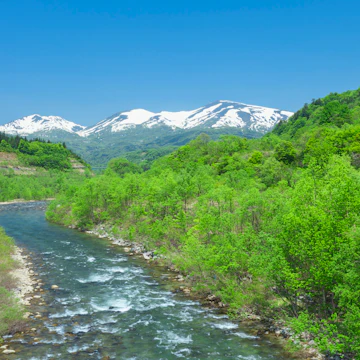
    This winding river, which drains Towada-ko into the Pacific Ocean, is marked by cascading waterfalls, carved-out gorges and plenty of gurgling rapids. Casual hikers can follow the river for a 14km stretch connecting Nenokuchi, a small tourist outpost on the eastern shore of the lake, to Yakeyama, from where relatively frequent buses return to either Nenokuchi (¥660, 30 minutes) or the main tourist hub of Yasumiya (¥1100, one hour). The entire hike should only take you about three hours. Set out in the early morning or late afternoon to avoid the slow-moving coach parties.

    reviewed

  8. Ideha Bunka Kinenkan

    For those who are happy being just a yamabushi apprentice, this museum in Haguro village runs minicourses that include fasting, mountain sprints and morning wake-up calls. Here too you need to have a command of Japanese – phone ahead to enquire about dates. A three-day course starts at ¥34,600.

    reviewed

  9. Hotokegaura

    The western edge of the peninsula is a spectacular stretch of coastline dotted with 100m-tall wind-carved cliffs, which are said to resemble Buddhas. Between April and October, round-trip sightseeing boats for Hotokegaura depart from Wakinosawa at 10.45am and 2.45pm (¥3800, two hours). Services are often suspended in poor weather.

    reviewed

  10. Dewa Sanzan-jinja

    This temple at the top of Haguro-san is where you should enquire about becoming a 'real' yamabushi. Note that these courses are extremely intense, not for the faint of heart and only really a viable option if you have an excellent command of Japanese – and a good bit of time and money to burn.

    reviewed

  11. Advertisement

  12. Akita Komaga-take

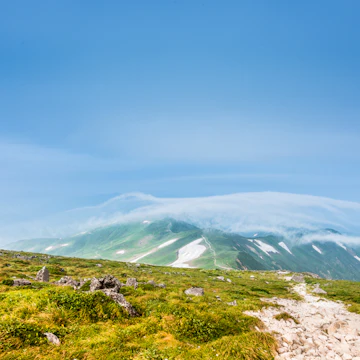
    Straddling the border with Iwate Prefecture, this mountainous area is admired for its summer wildflowers, fall foliage and rare prevalence of both dry and wet plant species. If you have two days to spare, you can pursue a 17km-long course that takes in three peaks, overnights in a picturesque mountain hut and finishes up with a rewarding soak in the healing waters of Nyūtō Onsen.

    You can access the trailhead at Komaga-take Hachigōme (eighth station) by taking one of seven daily buses (all depart before 1.30pm) from Tazawa-ko station (¥1000, one hour). From eighth station, it should take you about two to three hours to reach the summit of Oname-dake (男女岳; 1637m).

    F…

    reviewed