

Advertisement
Latest Stories
- Anna Staropoli|Jun 8, 2026The 6 best places for gelato in Italy
- Serina Patel|May 14, 2026How a wellness retreat in Italy reset my nervous system
- Anna Staropoli|May 4, 2026Italy’s best train rides to take this summer
- Nicola Williams|May 1, 2026The 12 best things to do in Italy
Book
Trip 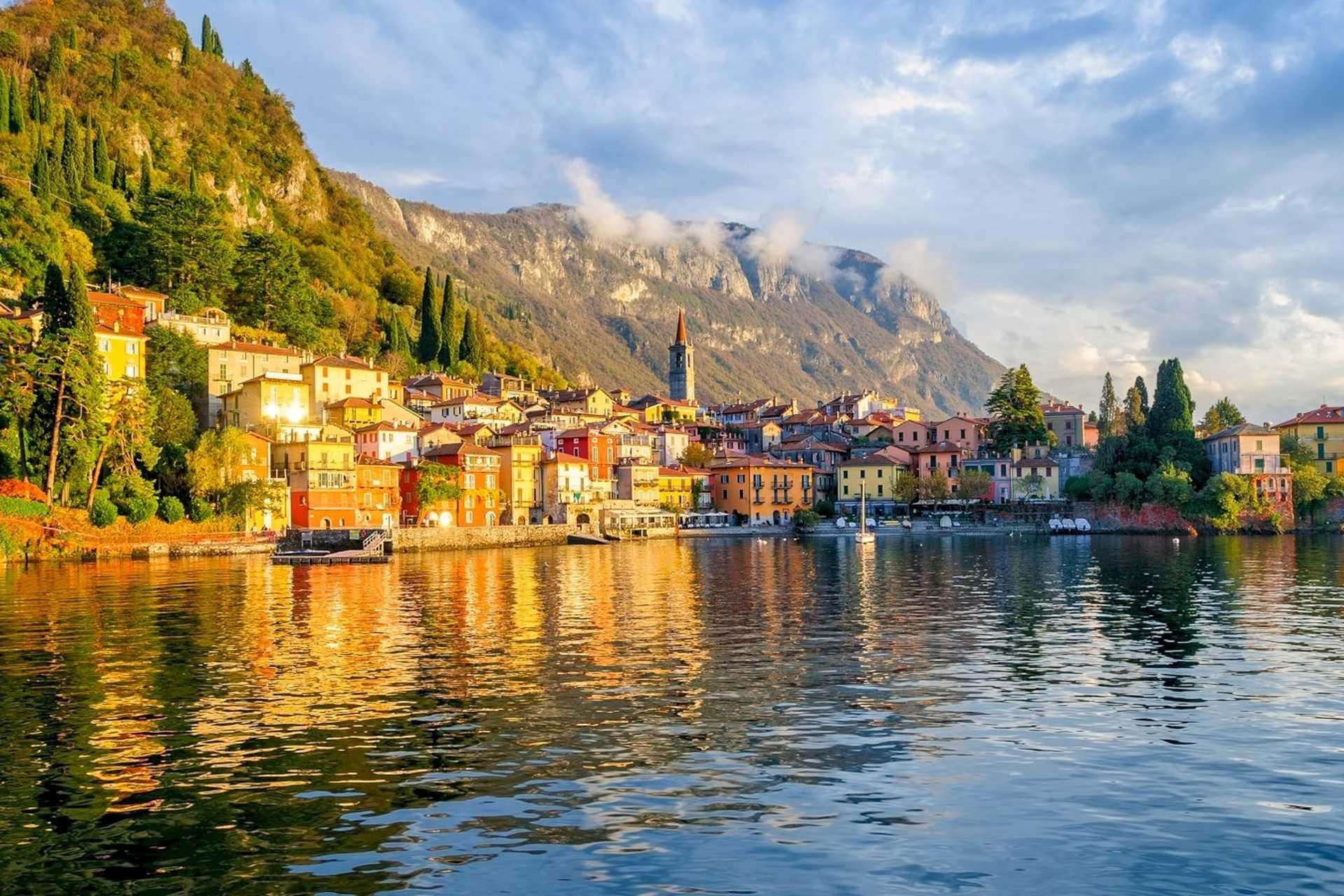

Trusted Partner
Stay connected in Italy
Holafly eSIM provides unlimited mobile data with no hidden fees, giving you peace of mind wherever you travel. Stay connected even after your plan ends with Always On. Use code LONELYPLANET for an exclusive discount.
Take your Italy trip with Lonely Planet Journeys
Pick one of our ready-to-book trips or fully customize your own with help from our local experts.
bookable trip
12 Days in Northern Italy: Dolomites, Garda and Como
12 days / 11 nights
highlights
- 1 Hiking Northern Italy's most scenic alpine terrain in the Dolomites
- 2 Picnicking, horseback riding, or paragliding in Europe's largest high-altitude Alpine meadow
- 3 Tasting the best of hidden Italian wine regions with stops in Valpollicella and Franciacorta
from $6,000
per person


Explore more trips
Explore more trips
-
 Italy
Italy10 days / 9 nights
10 Days in Italy: Amalfi, Basilicata and Puglia
See Trip DetailsFROM $4,950
per person
-
 Italy
Italy11 days / 10 nights
The Other Italy: a Grand Tour of Sicily's Taormina, Syracuse, and Palermo
See Trip DetailsFROM $4,950
per person
-
 Italy
Italy -
 Italy
Italy10 days / 9 nights
Sardinia's Spectacular Serenade: 10 Days on the Italian Island
See Trip DetailsFROM $4,500
per person
-
 Italy
Italy11 days / 10 nights
Italy's La Dolce Vita in Venice, Rome, and Florence
See Trip DetailsFROM $5,500
per person
Italy
10 days / 9 nights
10 Days in Italy: Amalfi, Basilicata and Puglia
FROM $4,950
per person
Italy
11 days / 10 nights
The Other Italy: a Grand Tour of Sicily's Taormina, Syracuse, and Palermo
FROM $4,950
per person
Italy
Italy
10 days / 9 nights
Sardinia's Spectacular Serenade: 10 Days on the Italian Island
FROM $4,500
per person
Italy
11 days / 10 nights
Italy's La Dolce Vita in Venice, Rome, and Florence
FROM $5,500
per person
Top places to visit in Italy
Discover the best attractions in Italy from must-see sights to unexpected hidden gems.
-
 Attraction in AgrigentoGiardino della Kolymbetra
 - Attraction in TivoliVilla Adriana
-
-
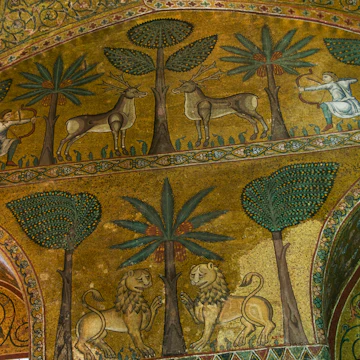 Attraction in PalermoPalazzo dei Normanni
 - Attraction in VeronaRoman Arena
-
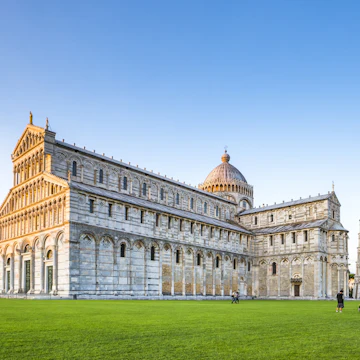 Attraction in PisaPiazza dei Miracoli
 -
 Attraction in SienaPiazza del Campo
 -
 Attraction in PompeiiRuins of Pompeii
Advertisement
Travel Guides
Italy travel tips from Lonely Planet experts
Find practical guidance from our team of contributors around the world who bring their decades of first-hand travel experience to your next trip.
Best Things to Do
Sicily astounds with its abundance of architecture, hiking and food. Here are our favorite things to do during your next vacation.
Read full article
Best Time to Visit
Plan the perfect time for your visit to Italy with this guide to weather, crowds, prices and events through the year.
Read full article
Things to Know
Immerse yourself in local culture to get the most out of your next trip to Italy.
Read full article
Transportation
Your guide to traveling independently around Italy, from the Alps to the islands.
Read full article
Visa Requirements
If the idea of swapping a working life spent in a cramped “home office” for a sun-kissed, picturesque village grabs your fancy, Italy might have what you…
Read full article
Best Road Trips
Whether you're cruising the Amalfi Coast or driving through the Tuscan countryside, these scenic road trips will help you see the best of Italy.
Read full article
Money and Costs
These top budget tips can help you save money while exploring Italy.
Read full article
Traveling with Kids
Experience the best of Italy as a family with this guide to the top things to do there with kids.
Read full article
Best Places to Visit
Treviso instead of Venice? Lerici instead of Cinque Terre? Explore these neighboring cities that take their own twist on Italy's most popular destinations.
Read full article
Get Connected
Everyone should experience Italy's lavish art, architecture, cuisine and life-affirming landscapes. Here's what you need to know about getting connected.
Read full article
Advertisement
Get a book. Get inspired. Get exploring.


in partnership with getyourguide
Book popular activities in Italy
Italy and beyond
-
 destinationSouthern Italy
 -
 destinationTuscany
 -
 destinationSicily
 -
 destinationThe Italian Lakes
 -
 destinationSardinia
 -
 destinationRome
 -
 destinationCampania
 -
 destinationVenice
Advertisement