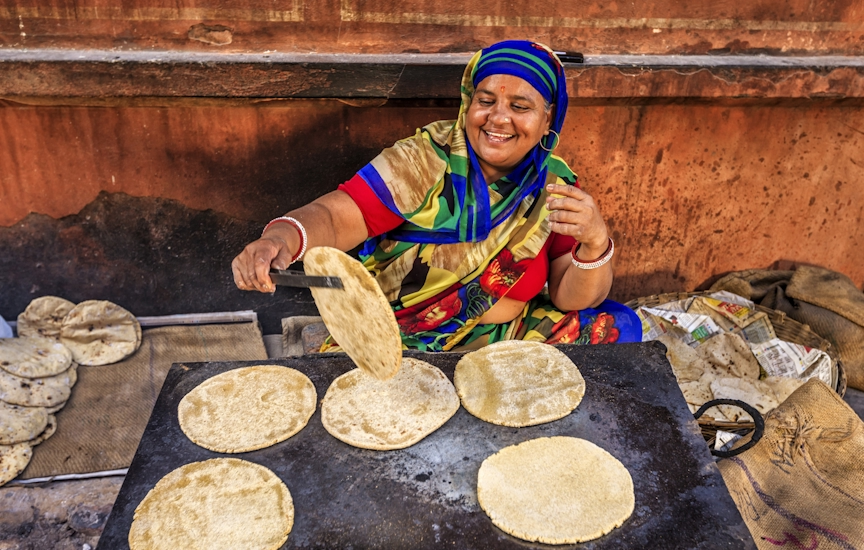
© Sylwia Bartyzel
India

Check out this year's Best in Travel winners
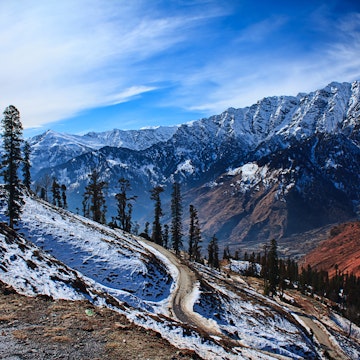
With its sumptuous mix of traditions, spiritual beliefs, festivals, architecture and landscapes, India will set your memories ablaze long after you've left its shores.
Leave the planning to a local expert
Experience the real India. Let a local expert handle the planning for you.
Get startedAttractions
Must-see attractions
Jodhpur
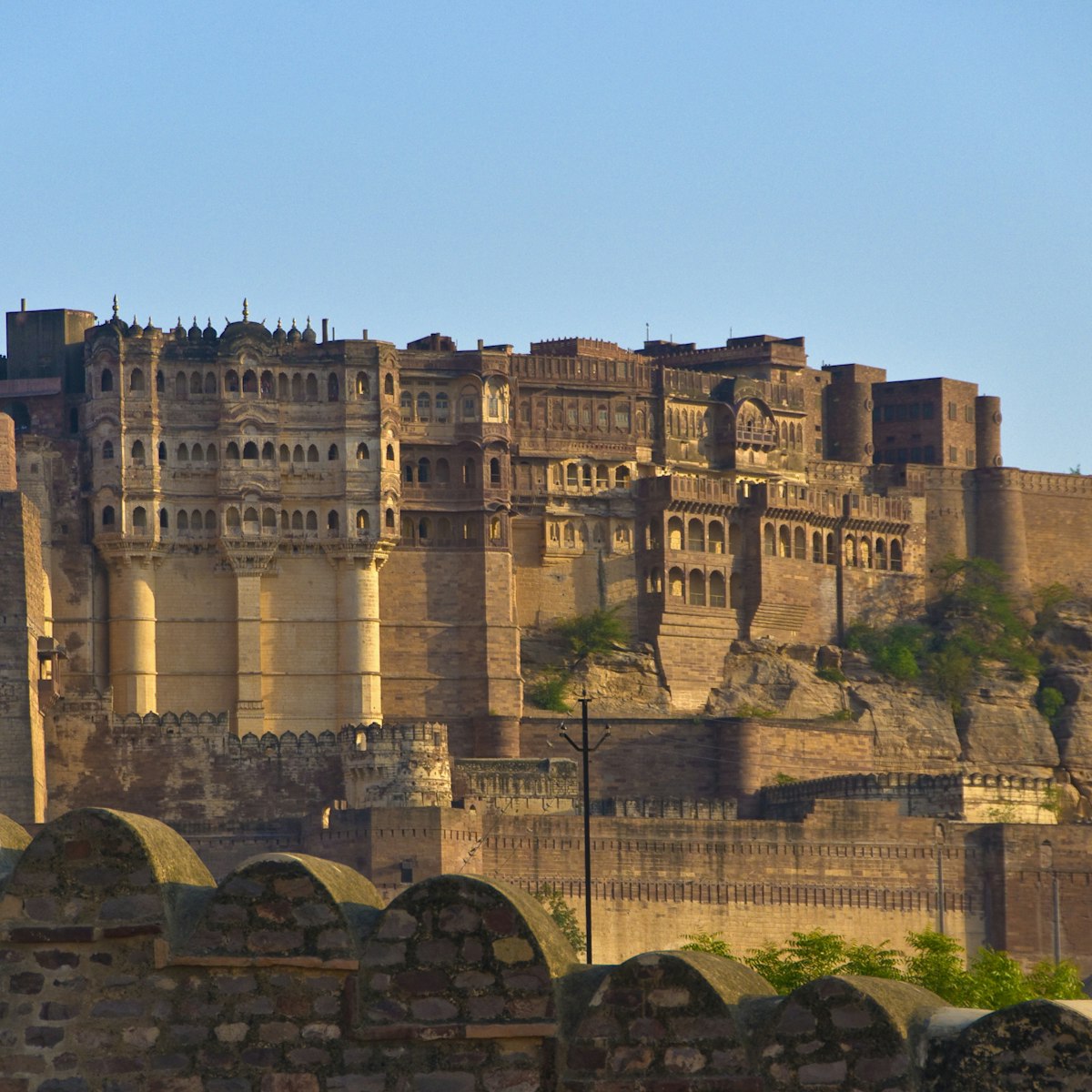
Rising perpendicular and impregnable from a rocky hill that itself stands 120m above Jodhpur’s skyline, Mehrangarh is one of the most magnificent forts in…
Agra
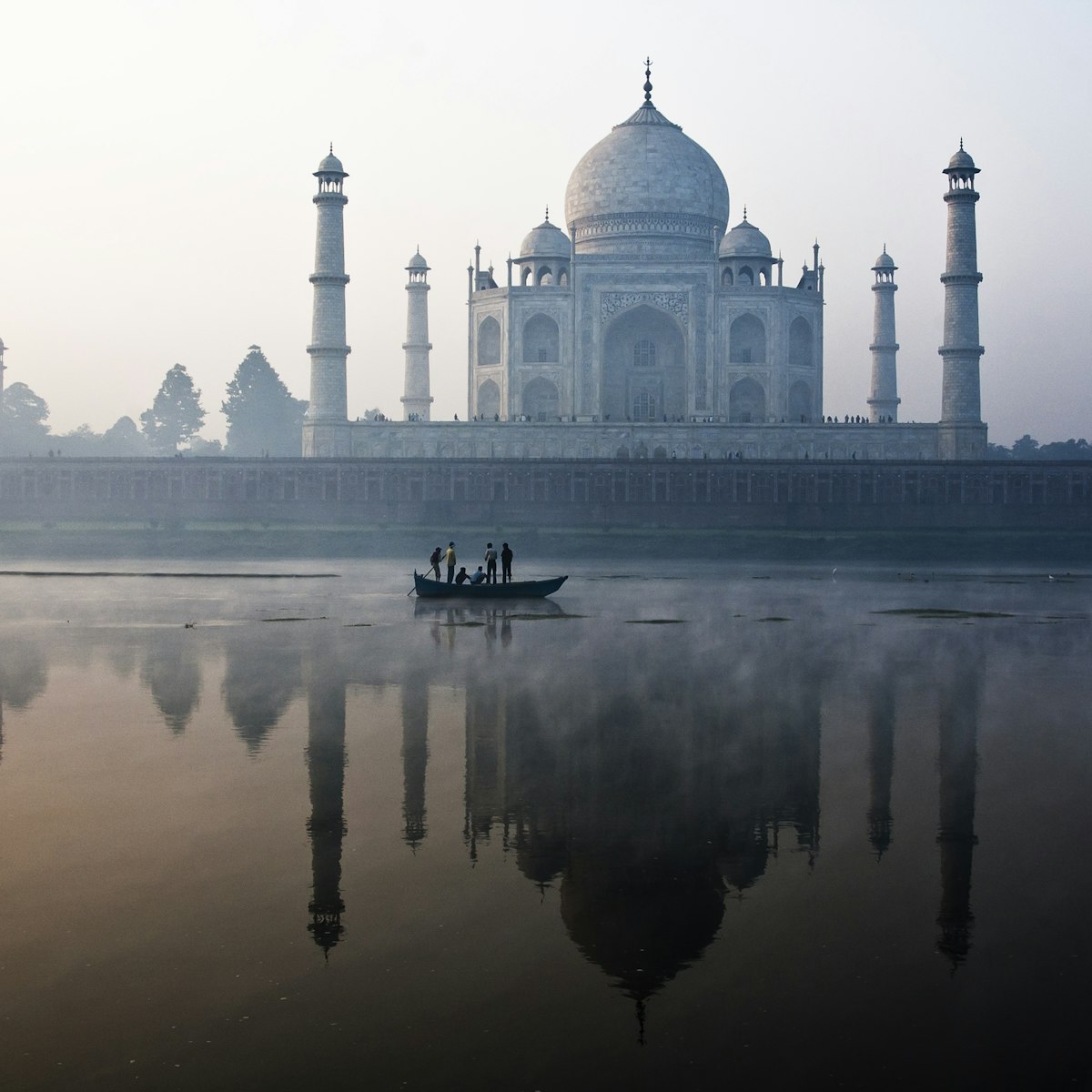
Poet Rabindranath Tagore described it as 'a teardrop on the cheek of eternity'; Rudyard Kipling as 'the embodiment of all things pure'; while its creator,…
Jaipur
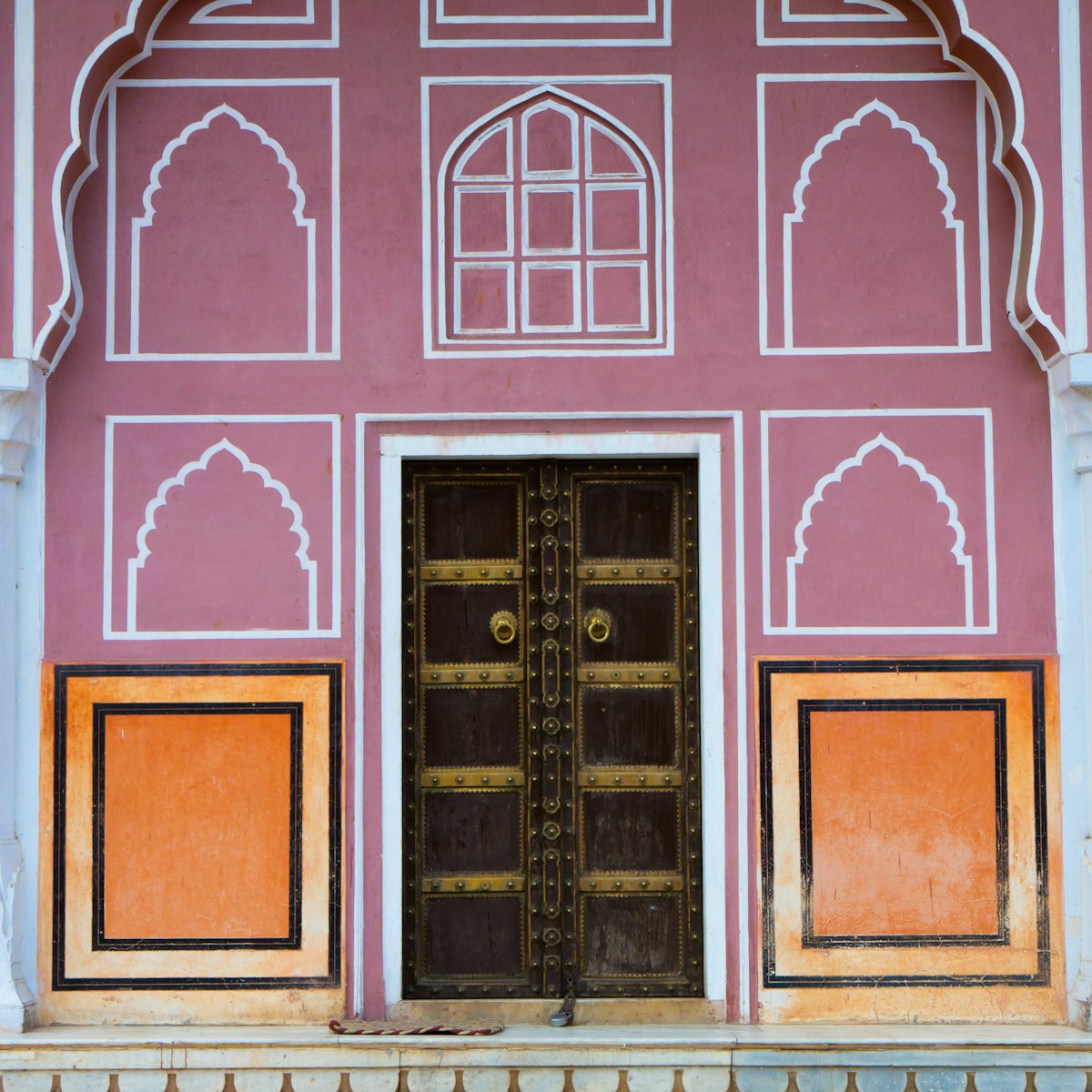
A complex of courtyards, gardens and buildings, the impressive City Palace is right in the centre of the Old City. The outer wall was built by Jai Singh…
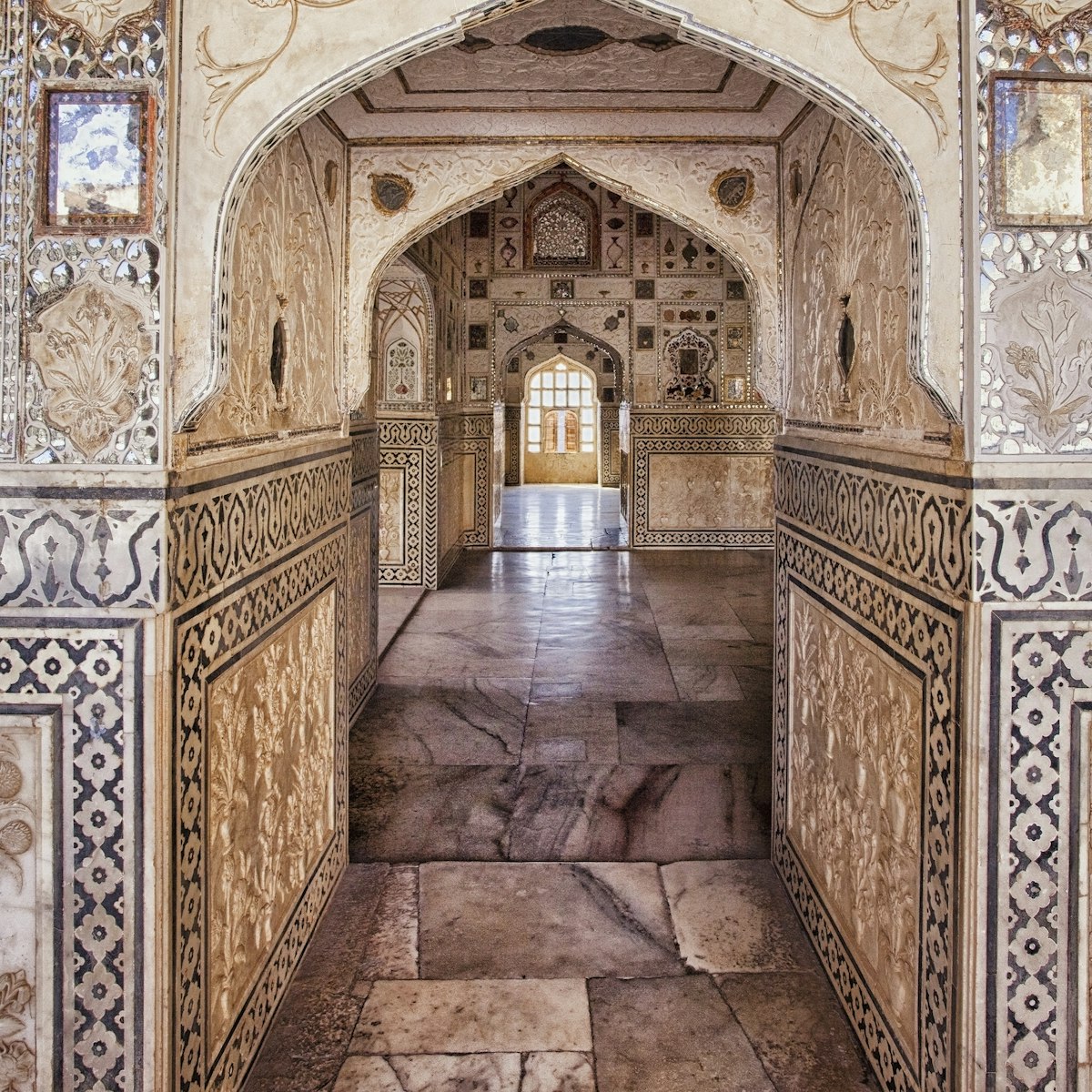
Eastern Rajasthan
This magnificent fort comprises an extensive palace complex, built from pale yellow and pink sandstone, and white marble, and is divided into four main…
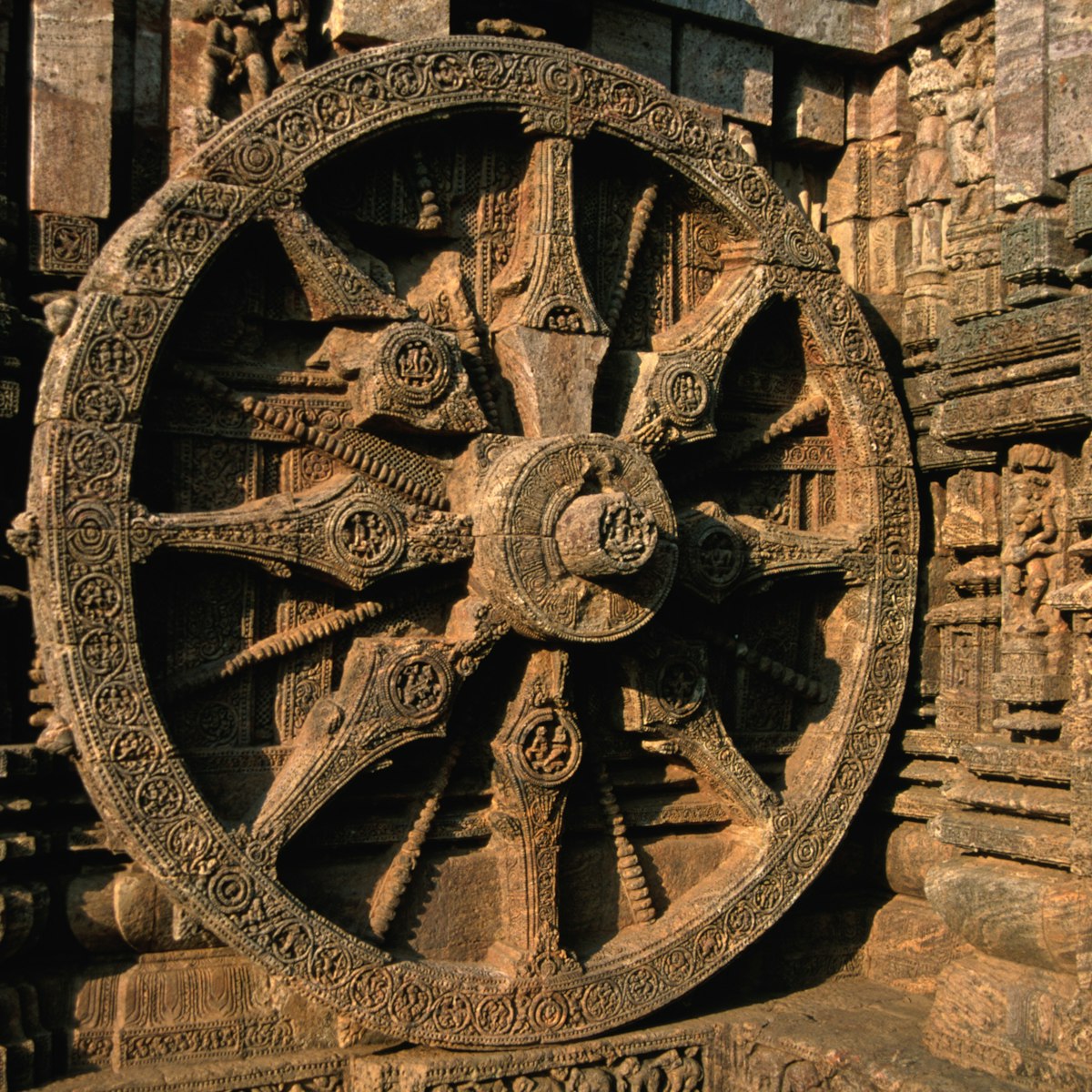
Odisha
Conceived as the cosmic chariot of the sun god Surya, this massive, breathtakingly splendid temple was constructed in the mid-13th century, probably by…
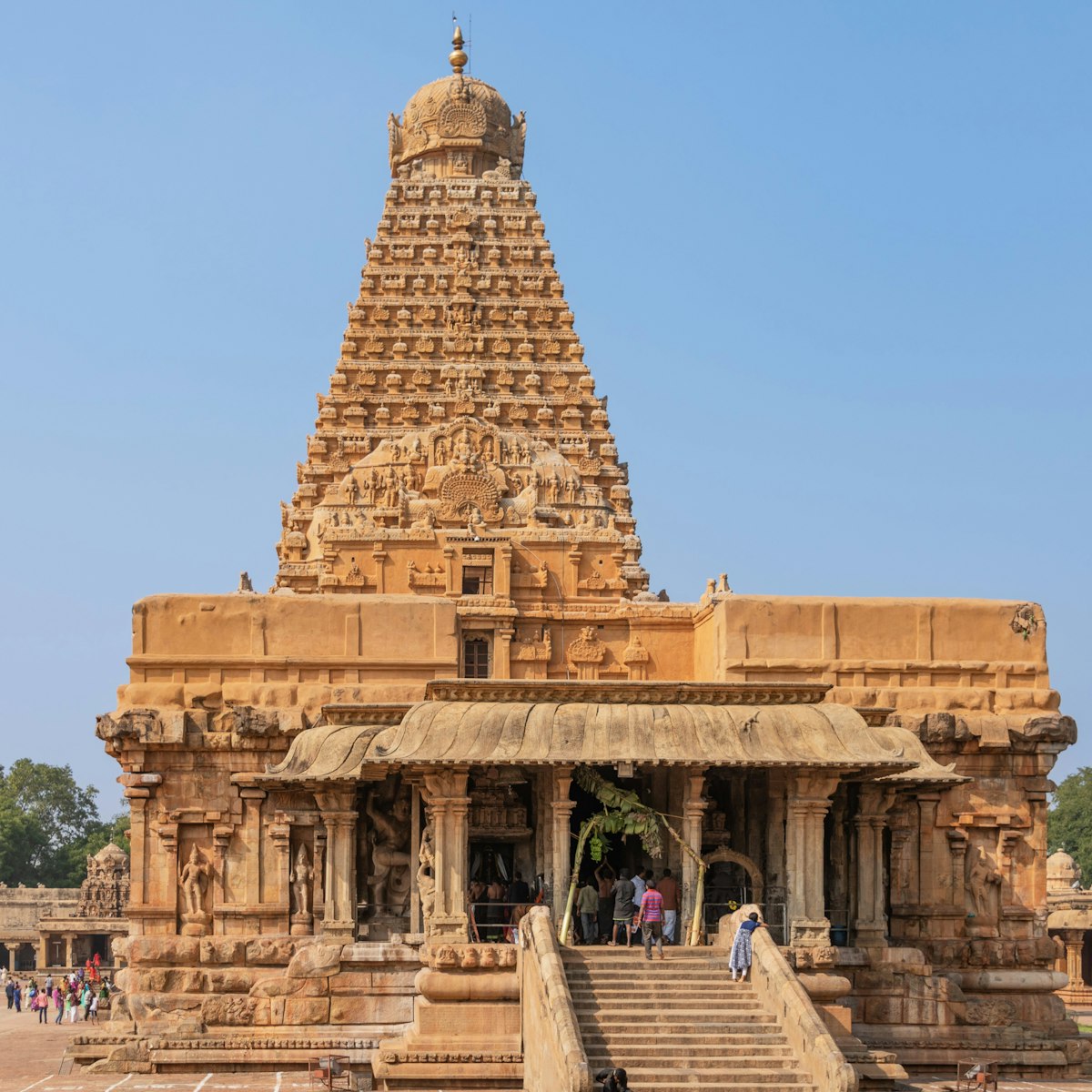
Thanjavur (Tanjore)
Come here twice: in the morning, when the honey-hued granite begins to assert its dominance over the white dawn sunshine, and in the evening, when the…
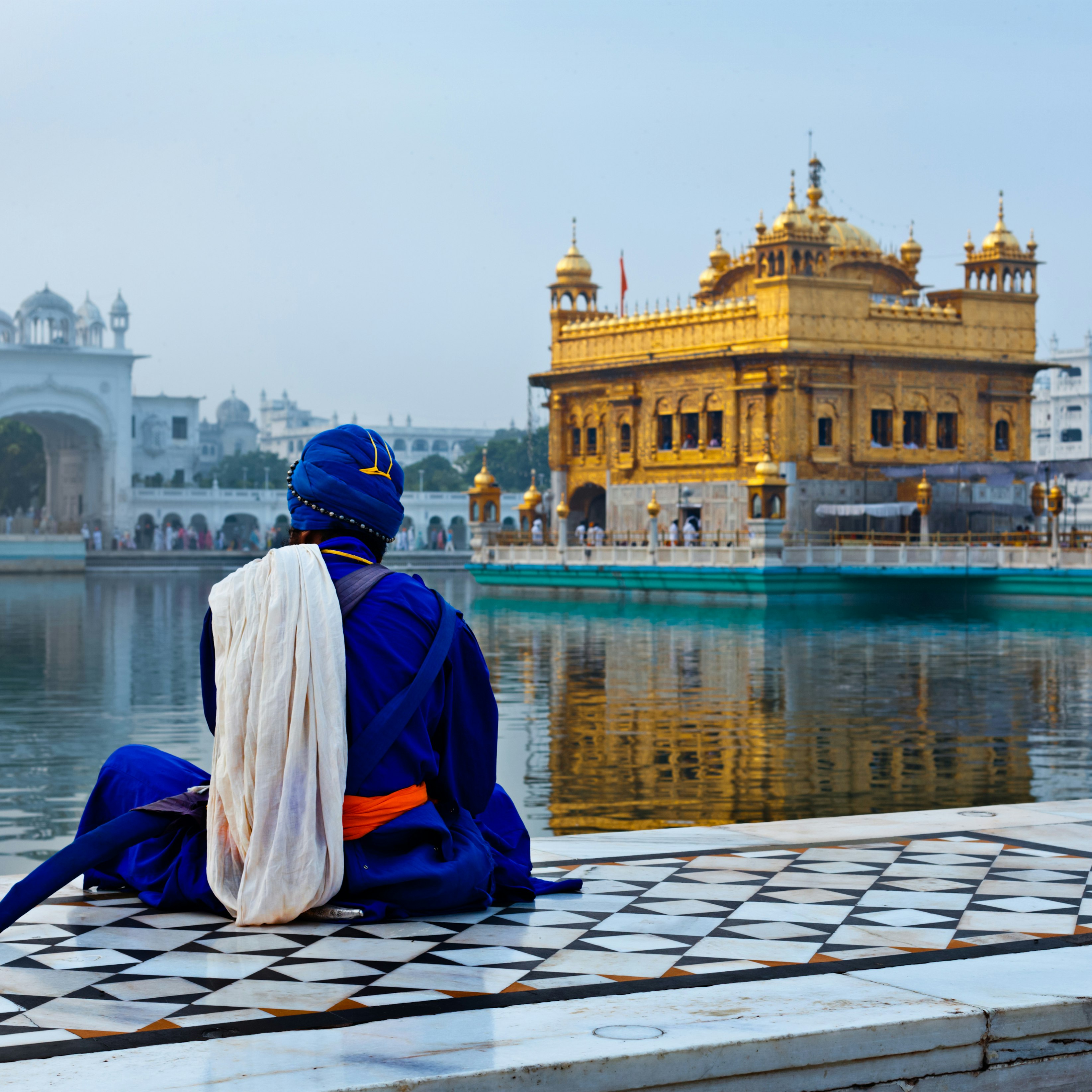
Amritsar
The legendary Golden Temple is actually just a small part of this huge gurdwara complex, known to Sikhs as Harmandir Sahib. Spiritually, the focus of…
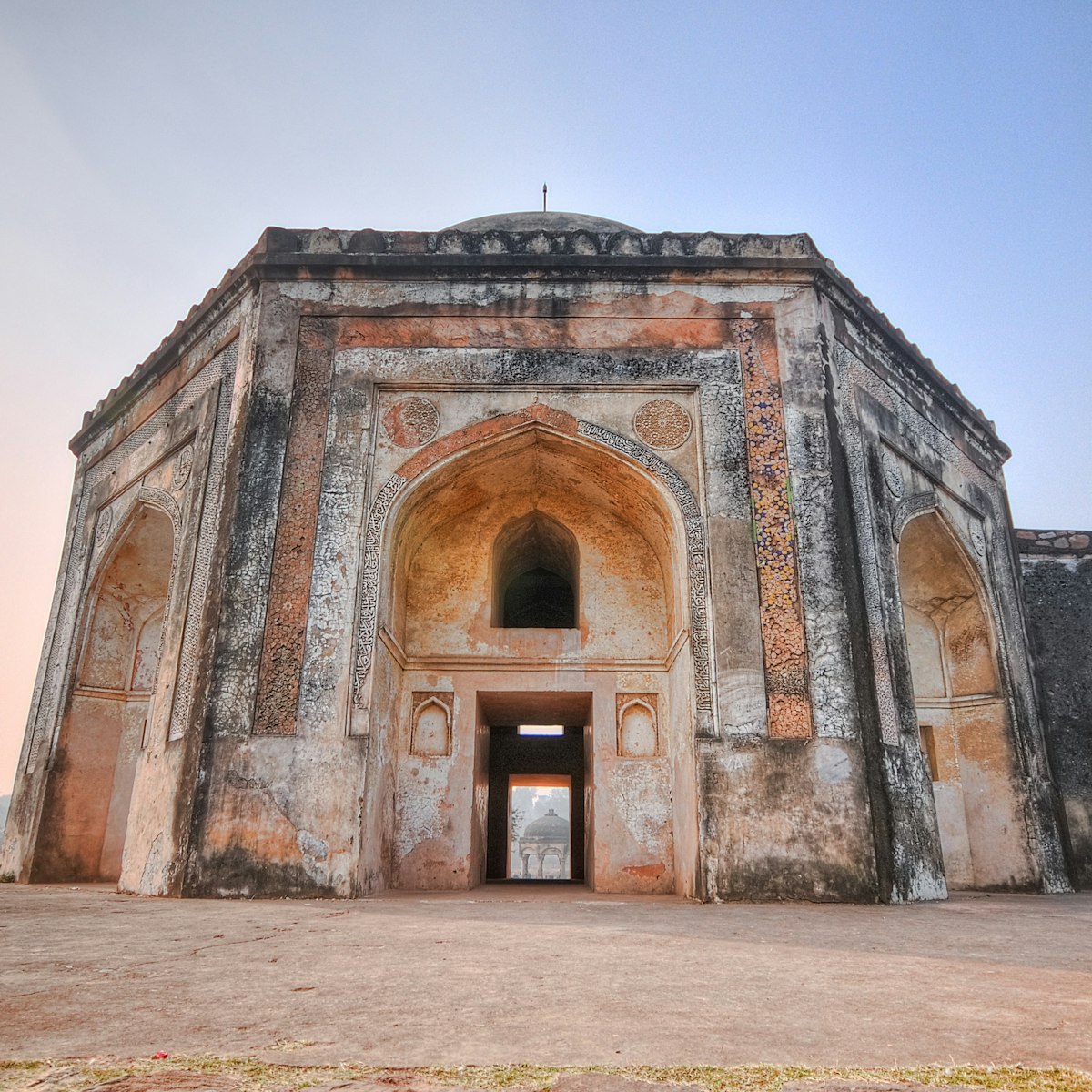
Delhi
There are extraordinary riches scattered around Mehrauli, with more than 440 monuments – from the 10th century to the British era – dotting a forest and…
Attractions
Top picks from our travel experts

Varanasi
Varanasi’s liveliest and most colourful ghat. The name indicates that Brahma sacrificed (medh) 10 (das) horses (aswa) here. In spite of the persistent…
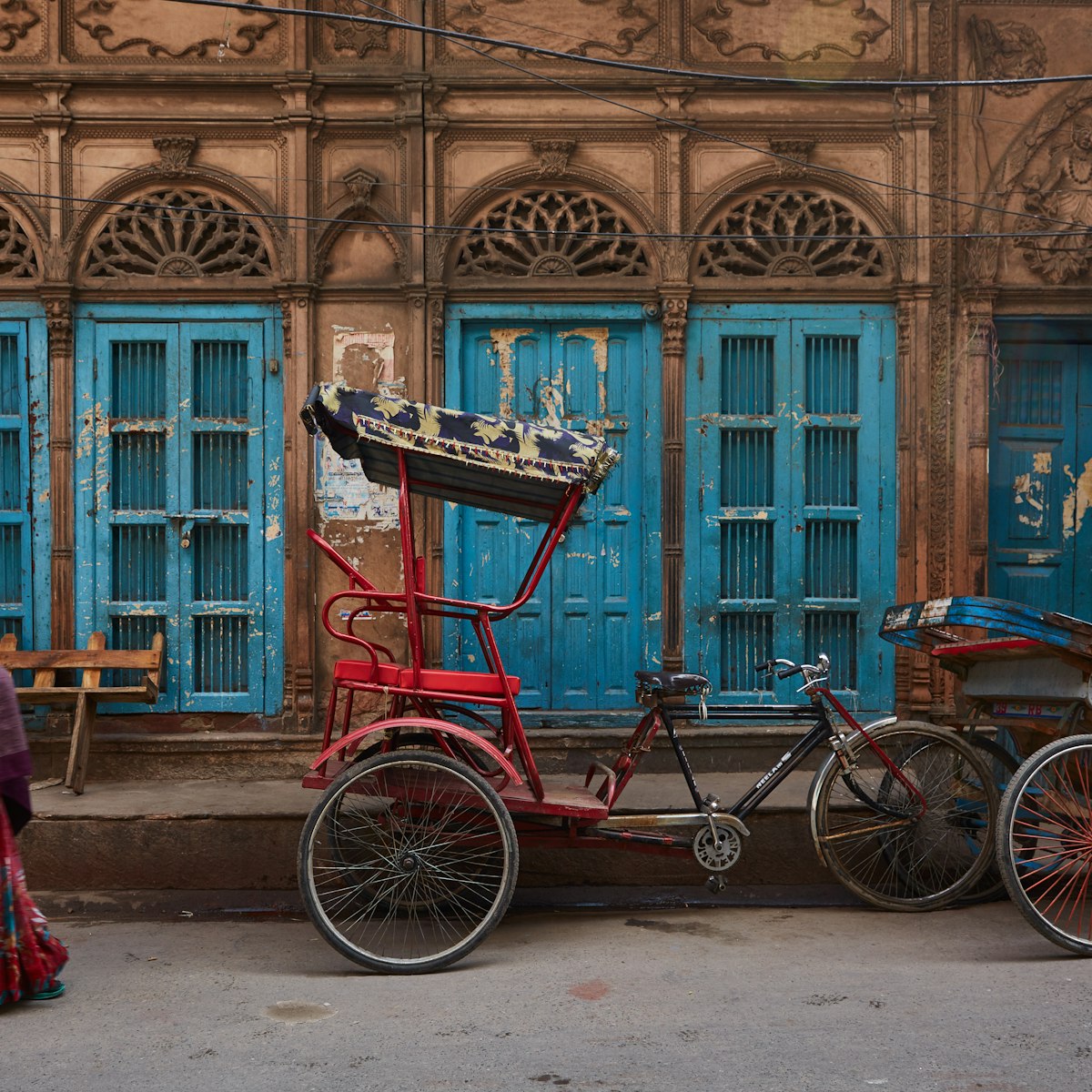
Old Delhi (Shahjahanabad)
Old Delhi’s main drag is lined by Jain, Hindu and Sikh temples, plus a church, with the Fatehpuri Masjid at one end. Tree-lined and elegant in Mughal…
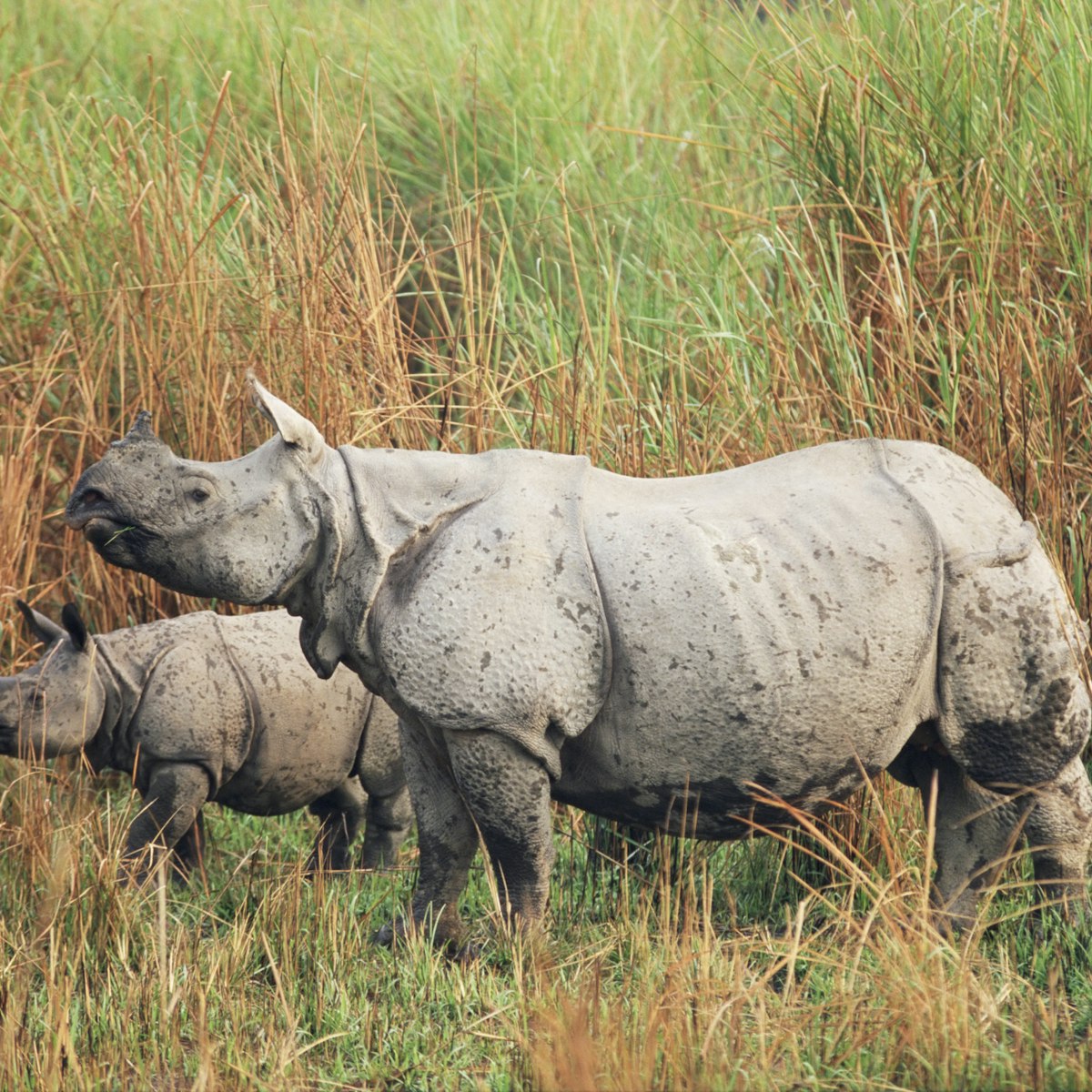
Assam
The park’s 2400 one-horned rhinos represent about two-thirds of the world’s total population (in 1904, there were only 200). Kaziranga offers popular 4WD…
Amritsar
The legendary Golden Temple is actually just a small part of this huge gurdwara complex, known to Sikhs as Harmandir Sahib. Spiritually, the focus of…
West Bengal
The 2585-sq-km Sundarbans Tiger Reserve has 100-plus Royal Bengal tigers lurking in its impenetrable mangrove forests and sometimes swimming its delta…
Amritsar
Spiritually, the focus of attention within the Golden Temple Complex is the tank that surrounds the gleaming central shrine. Known as the Amrit Sarovar,…
Karnataka
This park covers 880 sq km and was once the Mysore maharajas’ private wildlife reserve. It's noted for herds of gaurs (Indian bison), chitals (spotted…
Mysuru (Mysore)
Dating from Tipu Sultan’s reign, this huge and very lively bazaar has local traders selling traditional items such as flower garlands, incense, spices and…
Hampi
Hampi's most exquisite structure, the 16th-century Vittala Temple stands amid boulders 2.5km from Hampi Bazaar. Work possibly started on the temple during…
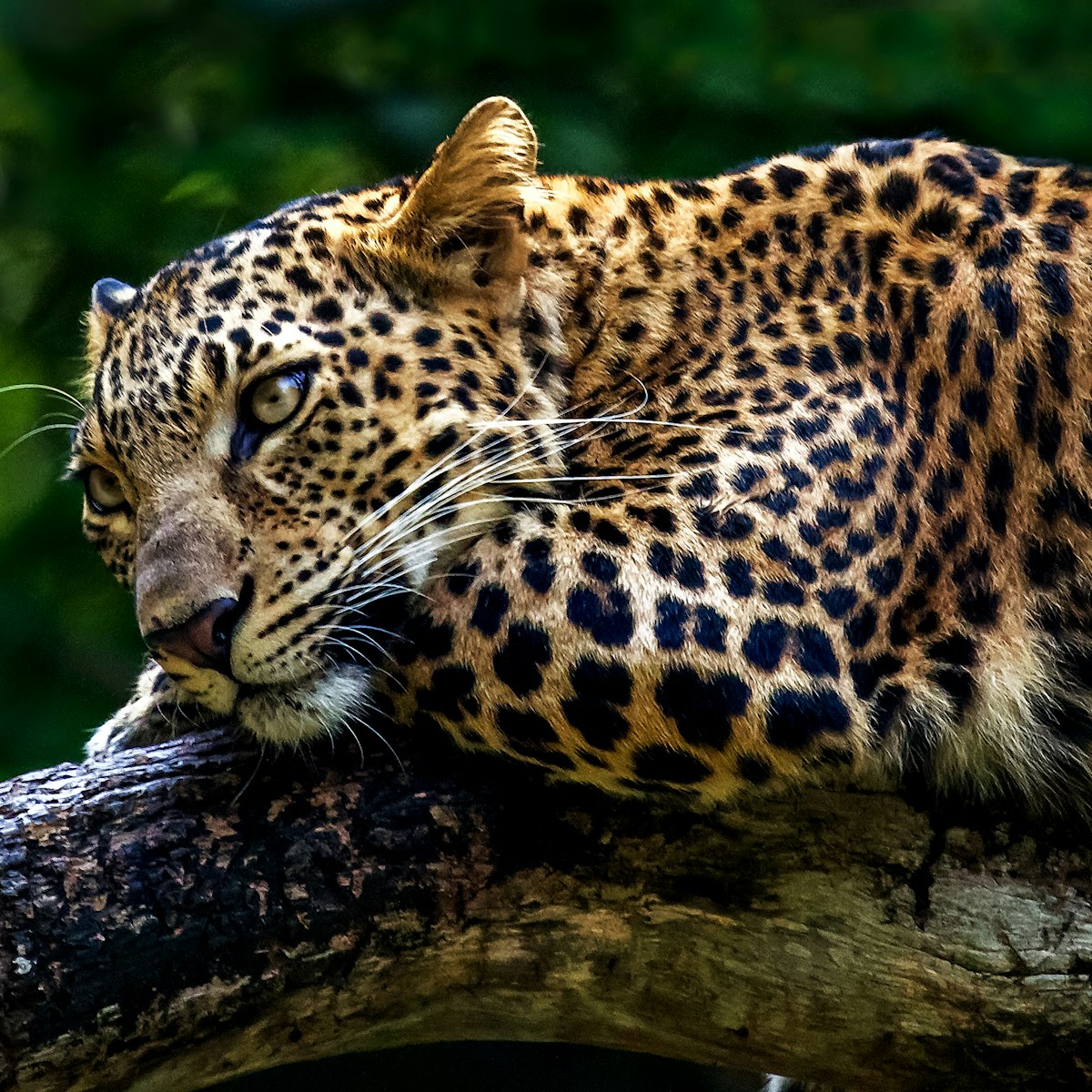
The Western Ghats
In the foothills of the Nilgiris, this newly enlarged 765-sq-km wildlife reserve is like a classical Indian landscape painting given life, with chital…
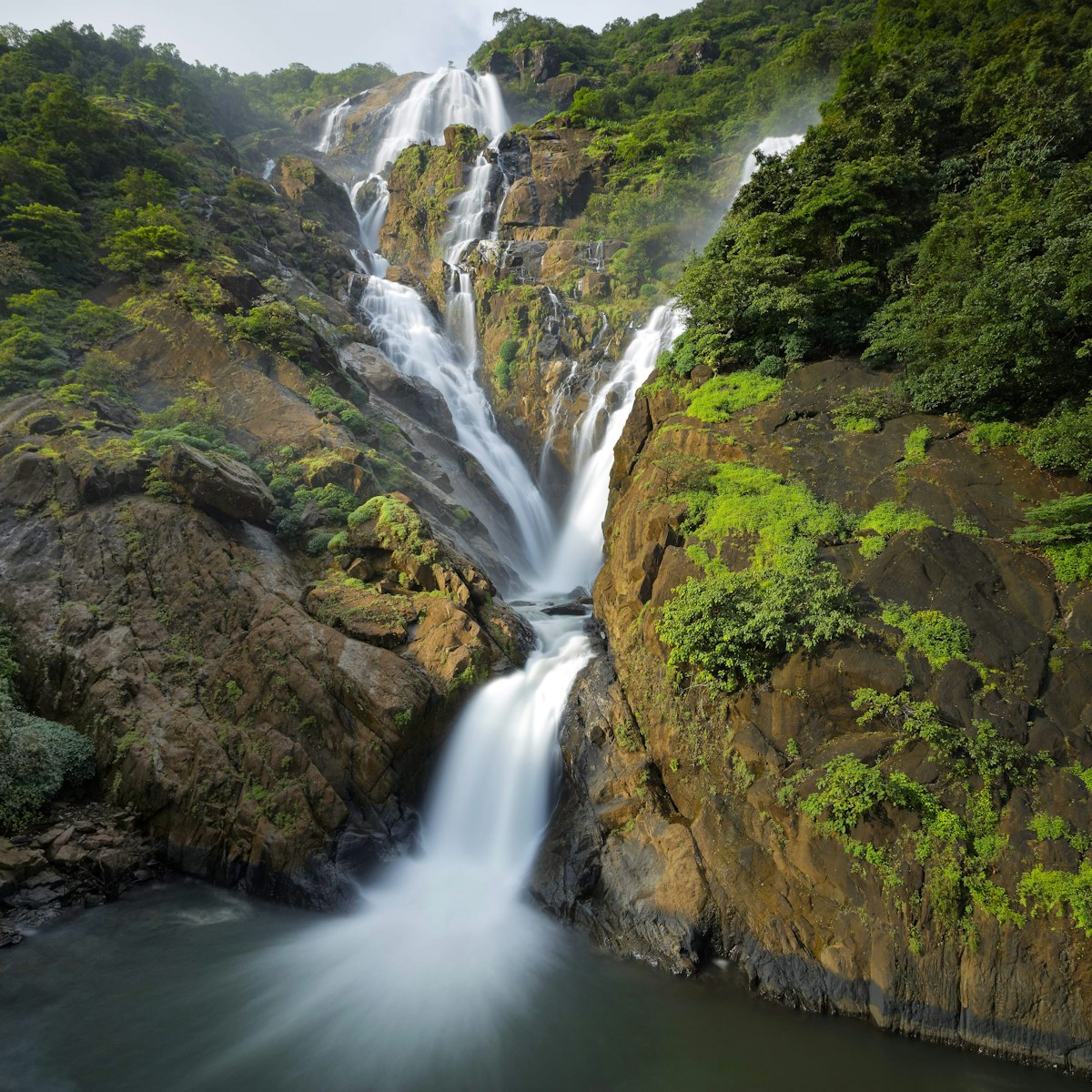
Panaji & Central Goa
Situated in the far southeastern corner of the Bhagwan Mahavir Wildlife Sanctuary, Goa’s most impressive waterfall splashes down just west of the border…
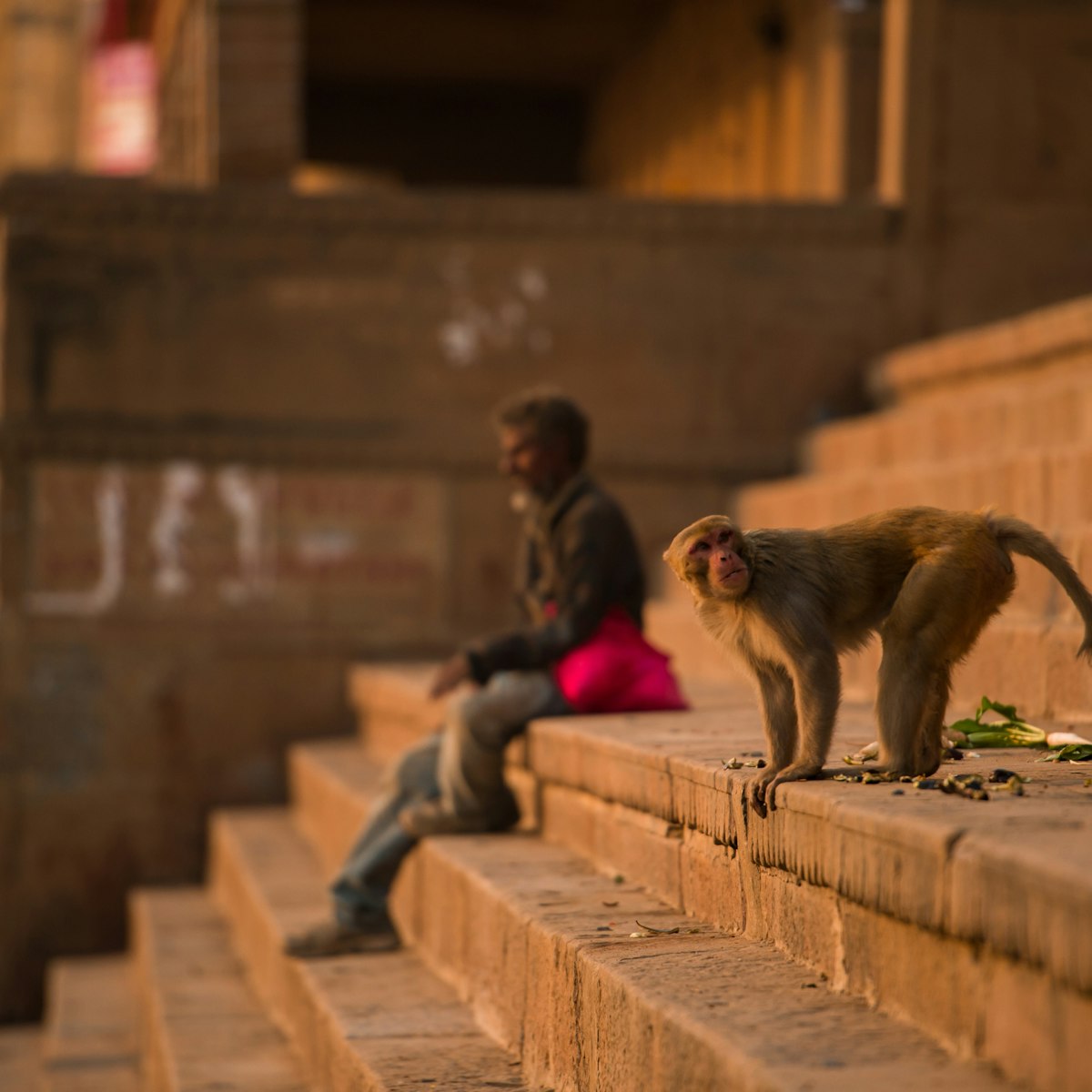
Varanasi
The furthest south of the main ghats and one of the biggest, Assi Ghat is particularly important as the River Assi meets the Ganges near here and pilgrims…
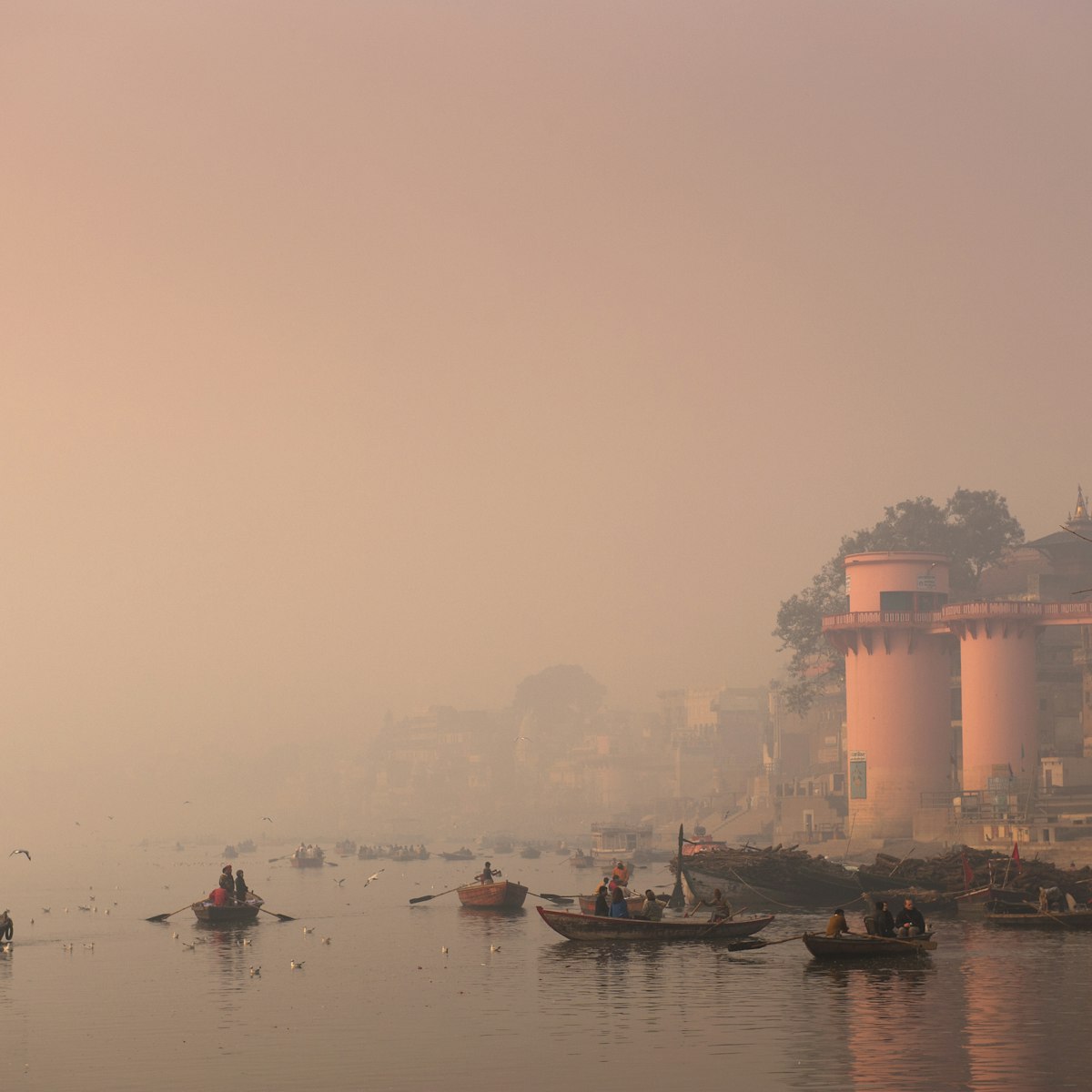
Varanasi
Manikarnika Ghat, the main burning ghat, is the most auspicious place for a Hindu to be cremated. Dead bodies are handled by outcasts known as doms, and…
Karnataka
West of the Kabini River is the 643-sq-km wildlife sanctuary of Nagarhole National Park (pronounced nag-ar-hole-eh). The lush forests here are home to…
Bhagwan Mahavir Wildlife Sanctuary
Panaji & Central Goa
The entrance to Bhagwan Mahavir Wildlife Sanctuary is easily accessible from Molem and, with an area of 240 sq km, this is the largest of Goa’s four…
Tamil Nadu
Three kilometres west of Kumbakonam, this late-Chola Shiva temple was constructed by Raja Raja II (1146–73). The steps of Rajagambhira Hall are carved…
Ladakh
Hemis National Park covers the roadless villages of Rumbak and Yurutse, the whole Markha Valley, and the passes and access trails to Stok trekking point…
Hampi
The focal point of Hampi Bazaar is this temple, one of the city’s oldest structures, and Hampi’s only remaining working temple. The main gopuram (gateway)…
Tamil Nadu
The temple at Gangaikonda Cholapuram ('City of the Chola who Conquered the Ganges'), 35km north of Kumbakonam, is dedicated to Shiva. It was built by…
Madhya Pradesh & Chhattisgarh
Pench is made up mostly of teak-tree forest rather than sal, and so has a different flavour from nearby Kanha or Bandhavgarh. It also sees fewer tourists …
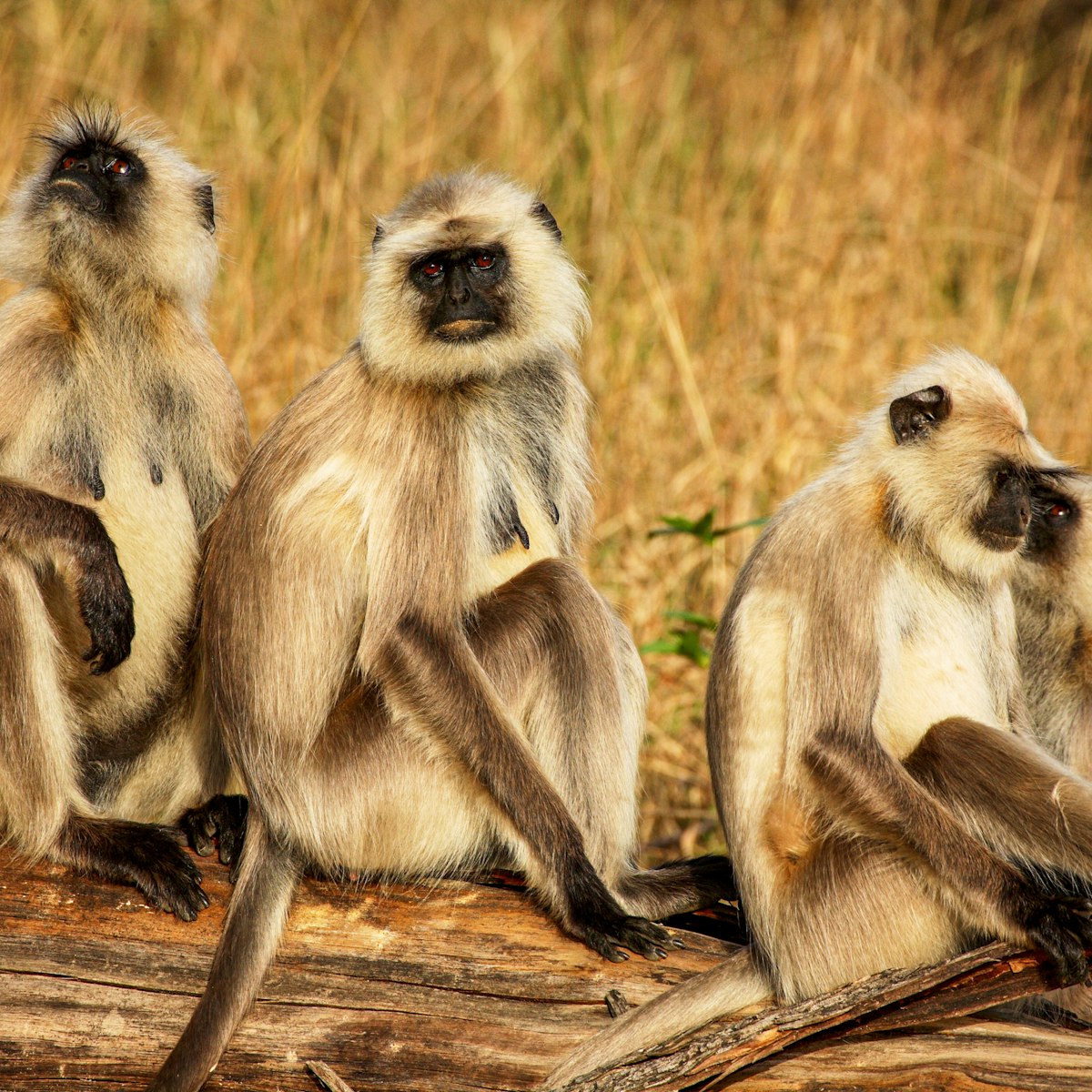
Madhya Pradesh & Chhattisgarh
Madhya Pradesh is the king of the jungle when it comes to tiger parks, and Kanha is its most famous. The forests are vast, and while your chances of…
Agra
Nicknamed the Baby Taj, the exquisite tomb of Mizra Ghiyas Beg should not be missed. This Persian nobleman was Mumtaz Mahal’s grandfather and Emperor…
Jodhpur
Rising perpendicular and impregnable from a rocky hill that itself stands 120m above Jodhpur’s skyline, Mehrangarh is one of the most magnificent forts in…
Uttarakhand
This famous reserve was established in 1936 as India’s first national park. Originally called Hailey National Park, then Ramganga National Park, it was…
Ladakh
Around 2km south of the palace, Stok's small monastery has some crumbling old stupas, but the dominant feature, 200m above, is its huge 21m-tall gilded…
Ladakh
This expansive, 17th-century monastery is the spiritual centre of Ladakh’s Drukpa Buddhists; it was the fifth Gyaling Drukpa who founded Hemis after…
Ladakh
Glorious Thiksey Gompa is one of Ladakh’s biggest and most recognisable monasteries, photogenically cascading down a raised rocky promontory. At its heart…
Madhya Pradesh & Chhattisgarh
Tigers are making a comeback after being reintroduced in 2009 to Panna Tiger Reserve from other Madhya Pradesh reserves; there are now thought to be more…
Jaisalmer
This abandoned village is 19km west of Jaisalmer, 6km south of the Sam road. It was abandoned by its Paliwal Brahmin inhabitants – just like the area’s 83…
Jaisalmer
The silky Sam dunes, 41km west of Jaisalmer along a good sealed road, are one of the most popular excursions from the city. About 2km long, the dunes are…
Puri
This mighty temple is home to Jagannath (Lord of the Universe), an incarnation of Vishnu. Built in its present form in 1198, the temple – closed to non…
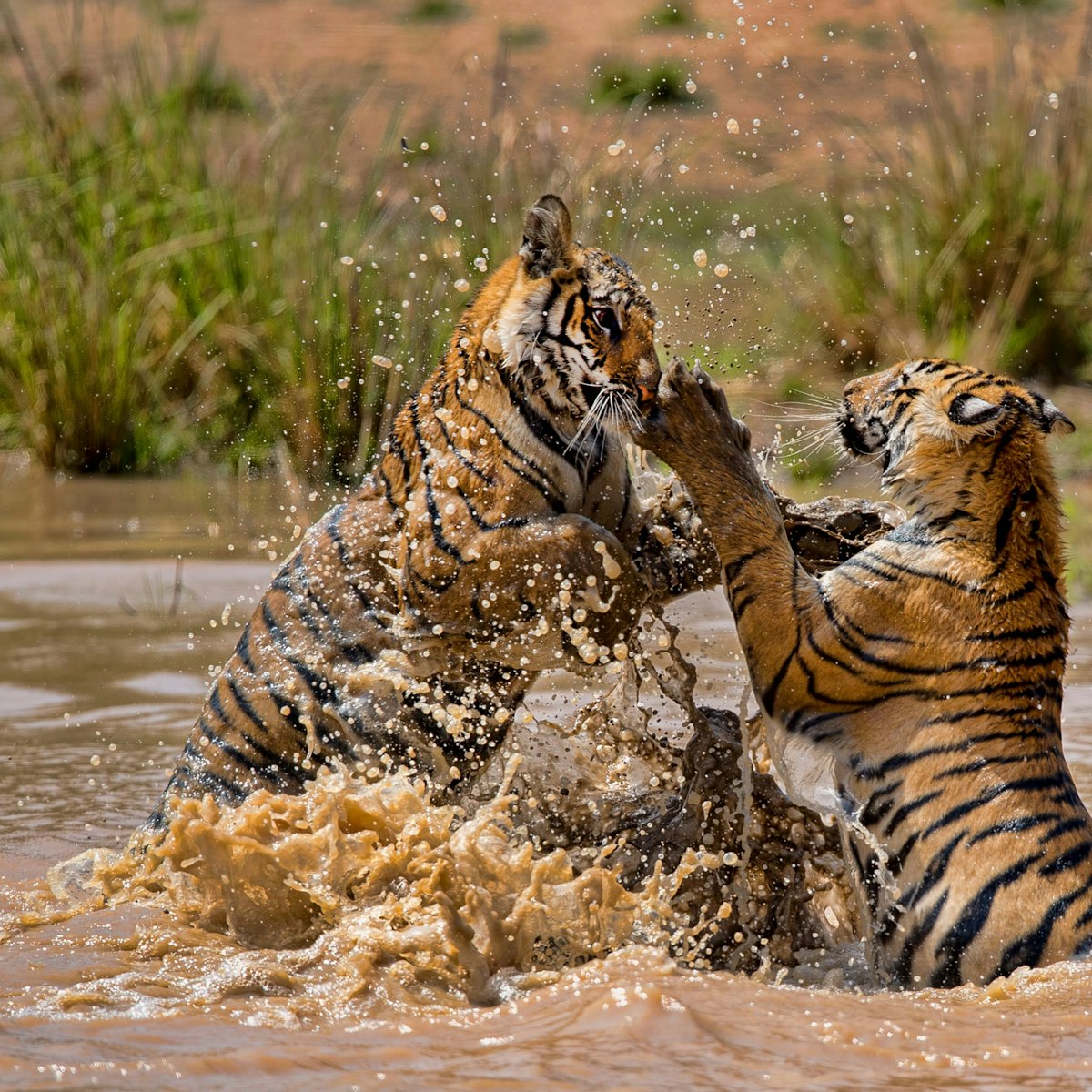
Madhya Pradesh & Chhattisgarh
If your only reason for visiting a tiger reserve in India is to see a tiger, look no further. A couple of days at Bandhavgarh should net you a tiger…
Himachal Pradesh
One of the Kangra Valley's oldest tea estates, Wah has been continuously cultivating since 1857. Half-hour visits let you walk through tea and herb…
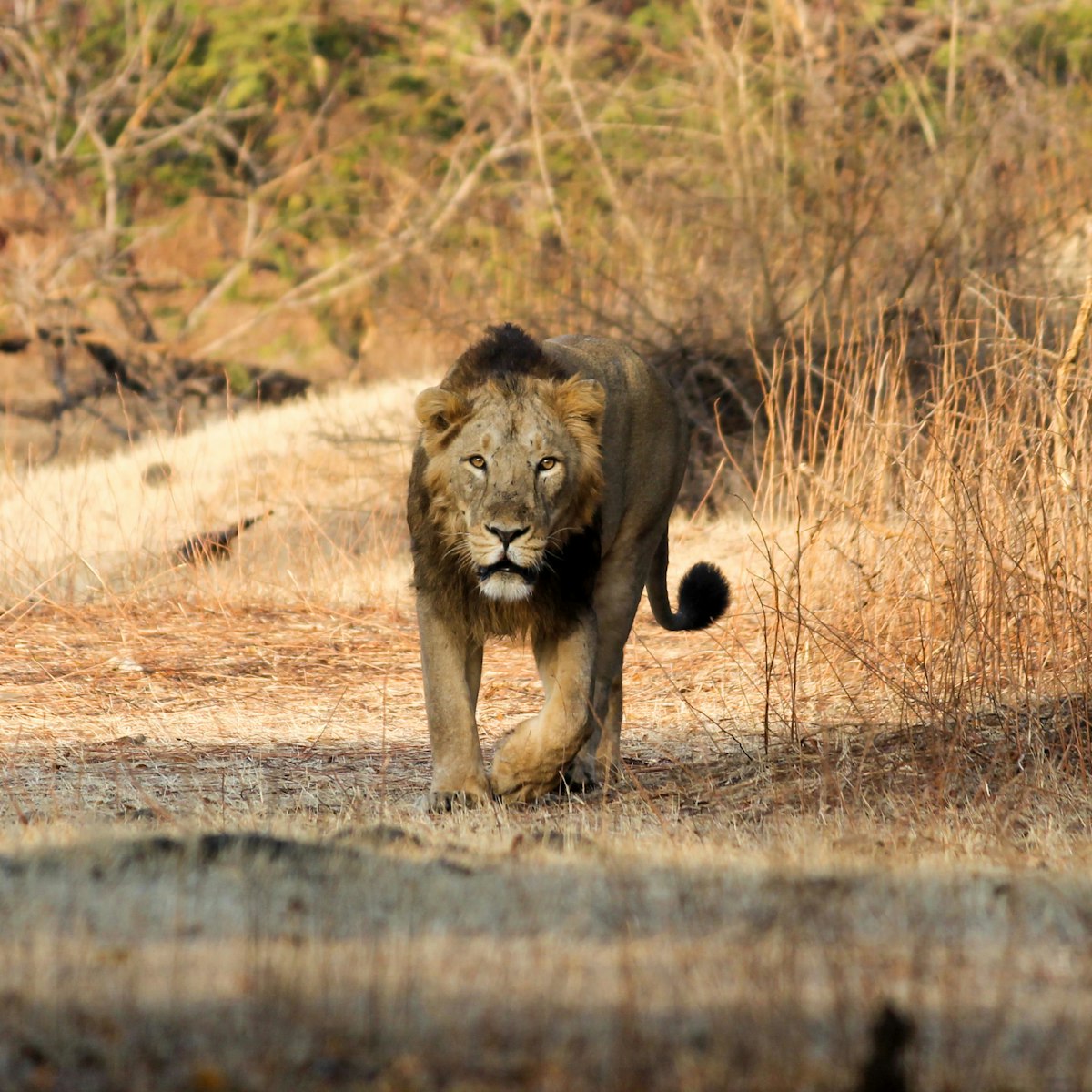
Gujarat & Diu
Early-morning sunlight filters through the leaves and shadows skittle through the undergrowth. Suddenly, the silence is broken by the high-pitched alarm…
Kachchh (Kutch)
This beautiful palace, built in 1752 and part of the Darbargadh palace complex, lost its top storey in the 2001 earthquake, but the lower floor is open,…
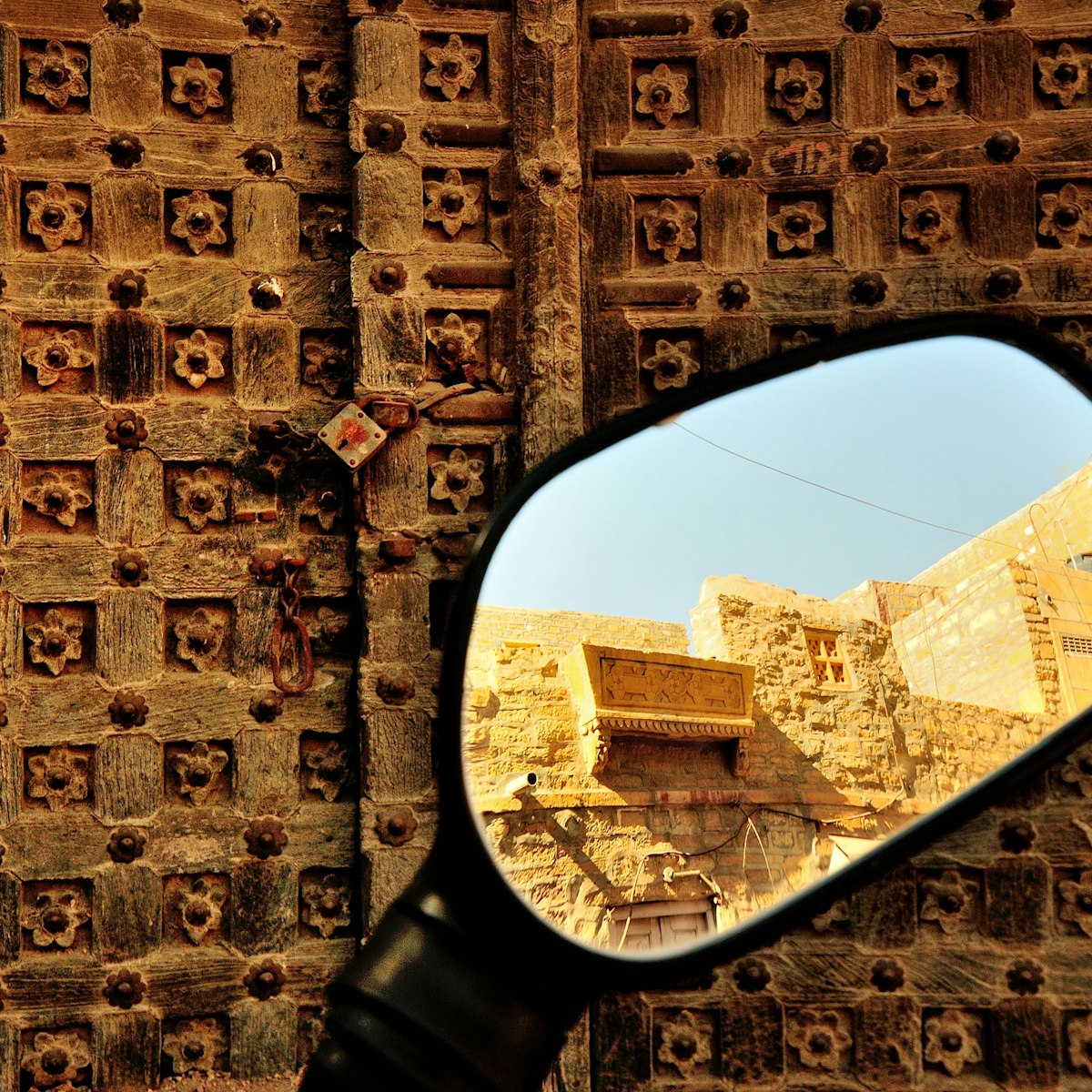
Jaisalmer
Jaisalmer’s fort is a living urban centre, with about 3000 people residing within its walls. It is honeycombed with narrow winding lanes, lined with…
Eastern Rajasthan
This magnificent fort comprises an extensive palace complex, built from pale yellow and pink sandstone, and white marble, and is divided into four main…
Thanjavur (Tanjore)
Come here twice: in the morning, when the honey-hued granite begins to assert its dominance over the white dawn sunshine, and in the evening, when the…
Maharashtra
One of the best places to see tigers in India, the seldom-visited Tadoba-Andhari Tiger Reserve, 150km south of Nagpur, is now much more accessible thanks…
Amritsar
At the southeast end of the Golden Temple Complex is the Guru-Ka-Langar, an enormous dining room where an estimated 100,000 pilgrims come to eat every day…
Rajasthan
One of the many forts built by Rana Kumbha (r 1433–68), under whom Mewar reached its greatest extents, this isolated fort with a derelict palace is…
Ladakh
Lamayuru's gompa is one of the most photogenic Buddhist monasteries in Ladakh. Behind glass within the gompa’s main prayer hall is a tiny cave-niche in…
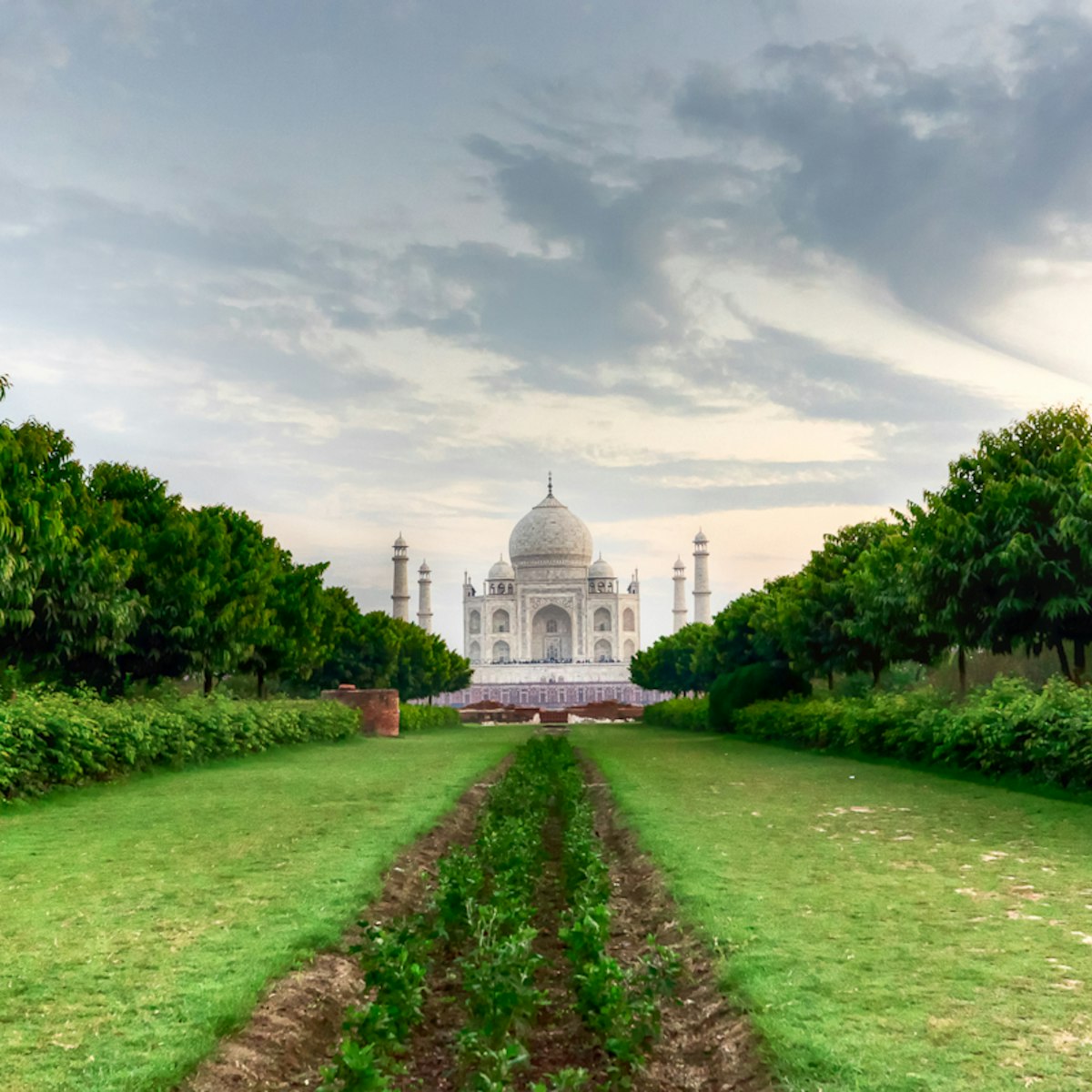
Agra
This park, originally built by Emperor Babur as the last in a series of 11 parks on the Yamuna’s east bank (long before the Taj was conceived), fell into…
Planning Tools
Expert guidance to help you plan your trip
Best Things to Do
The scale of India is staggering – where to begin in this magical country? Don't worry, we've done the planning for you with our list of top things to do.
Read articleThings to Know
India's overwhelming size and diversity can be a lot for first-time visitors. Make it easier with our tips on what you need to know before you go.
Read articleTransportation
The sheer scale of India can be overwhelming. Find your way around with our tips on train tickets, bus services and accessible transportation.
Read articleVisa Requirements
India is an incredible country with so much to offer travelers. Ensure you breeze across the border with our guide to its visa requirements.
Read articleMoney and Costs
India is one of the most affordable countries in the world to visit. Make your money go even further with these budget friendly tips.
Read articleTraveling with Kids
The incredible sights, sounds and smells in India mean your little ones will never be bored for long. Here's how best to visit India with tots in tow.
Read articleBest Road Trips
The vast expanse of India has infinite incredible experiences awaiting you. See this beautiful nation on your schedule on one of our top road trips.
Read articleAccessibility
Led by India-based Planet Abled, people with various disabilities and those without disabilities travel side by side.
Read articlePlan with a local
Articles
Latest stories from India
Filter by interest:
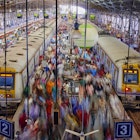
 Budget TravelIndia on a budget: 14 ways to get the best experience for less
Dec 20, 2023 • 11 min read
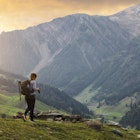 HikingThe 12 best hikes in India, from the high Himalayas to the steamy Western Ghats
Dec 15, 2023 • 17 min read
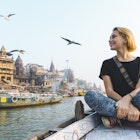 Destination Practicalities22 things you need to know before visiting India
Dec 15, 2023 • 14 min read

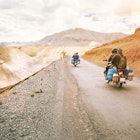
in partnership with getyourguide
Book popular activities in India
Guidebooks
Purchase our award-winning guidebooks
Get to the heart of India with one of our in-depth, award-winning guidebooks, covering maps, itineraries, and expert guidance.