Jun 8, 202615 min read
The best day trips from ParisDec 9, 2025
12 MIN READ

Writer
Writer
Rooksana Hossenally is one of the authors of the Lonely Planet Paris guidebook . Here she shares her suggestions for the best - and most unique - activities for Paris travel.
Paris has retained its spot as a leading city destination in the world, and it’s not hard to see why. Being a Paris local, I may be biased, but the French capital really does have it all, from centuries-old architecture and fascinating history to dynamic food and art and a multicultural population pushing the boundaries of creativity.
What really draws crowds, however, are the things you can only do in Paris. From Michelin-star dining on the River Seine to flea market shopping on the outskirts of the city, add these incredible activities to your list when planning your next visit to Paris.
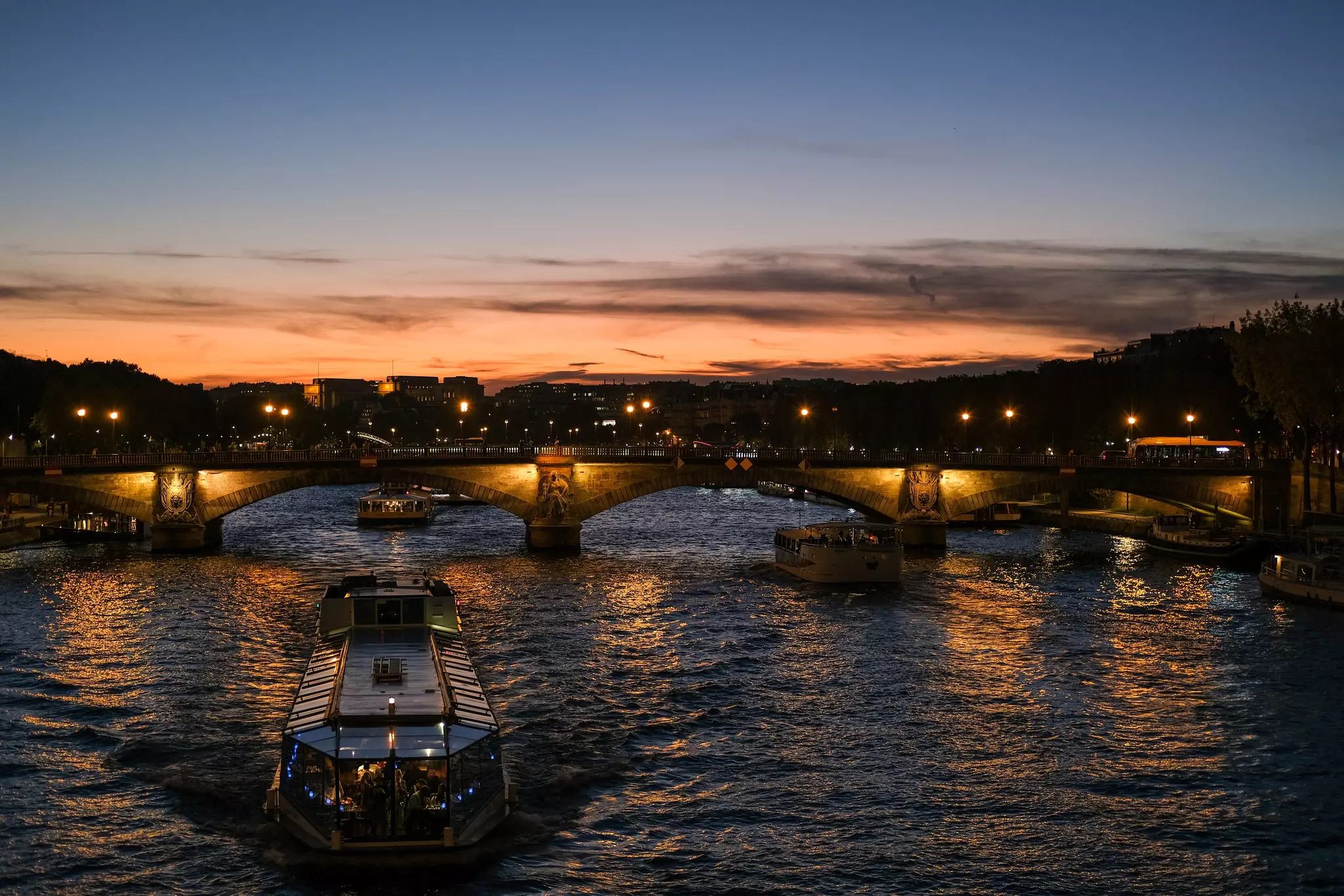
The range of dinner cruises on the Seine is overwhelming, and it can be hard to choose between them. If you want to splash out, failsafe options include the floating restaurants led by the three-Michelin-star chefs Frédéric Anton and Alain Ducasse.
For a more intimate experience, go for the Don Juan II, overseen by Frédéric Anton. Belonging to the Yachts de Paris, the restaurant only has a handful of tables but has itself earned a Michelin star under Anton's leadership. Inside, mahogany paneling, thick carpets and opulent Pierre Frey fabrics give the space a homely feel. The boat leaves at sundown, and guests get to gaze out at Paris’ most magical highlights, from Notre Dame Cathedral to the Eiffel Tower lit by hundreds of little lights, as they tuck into a five-course seasonal menu, with highlights such as creamy stracciatella with lashings of caviar and fleshy langoustine.
The other, livelier option is a table on board the shiny steel-and-glass Ducasse sur Seine, which takes the same route and serves four- to six-course menus designed in conjunction with Alain Ducasse.
You can go up on deck on both boats, which is the best spot for watching the Eiffel Tower dazzle on the hour.
Planning tip: Do make reservations as far in advance as possible as both dinner cruises tend to get booked up. The ports can be tricky to find, especially when you’re not familiar with the quays, so allow for plenty of time to arrive because the cruises won't wait.
Notre Dame Cathedral is (rightfully) a major highlight in all the guidebooks, but it has become a victim of overtourism. The interiors are beautiful, but if you cannot manage a long queue to get inside, you can see it from a different perspective instead.
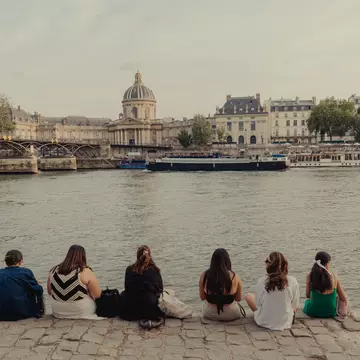
Pack a picnic – perhaps a baguette, salted butter, ham and cheeses – and set up on the small stretch of the Seine riverbank west of the Port de Montebello. From here, you can see the cathedral’s wooden lattice structure known as the “forest” because it was made using oak trees. Before the roof was destroyed in the 2019 fire, it was one of the oldest frameworks in Paris. The 16 statues of the Apostles and Evangelists, which were staggered on the roof of the cathedral, eerily looking down from above, were spared from the fire and are now back.
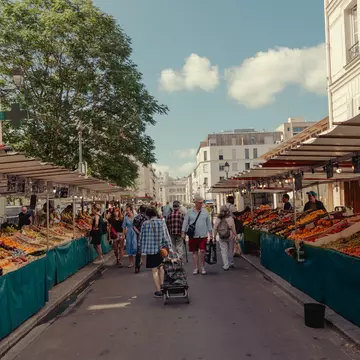
Planning tip: If the weather cooperates, grab some provisions for your picnic at nearby Marché Maubert (open Tuesday, Thursday and Saturday only, 7am to midday-ish) or at a super special shop a bit further afield called La Grande Epicerie.
Croissants might be an everyday staple in France, but the painstaking work that goes into making the buttery viennoiseries (sweet baked goods) is sometimes taken for granted. However, after taking a croissant-making class at the Seine-side La Cuisine Paris cooking school, I learned that it takes several days to make croissants. They have no less than 81 layers of pastry and butter that are lovingly kneaded, delicately rolled together and plaited before they can go in the oven. That was just one of many interesting facts we learned from taking the class, making it a novel way of getting to know French food and culture.

Lonely planet’s trusted travel insurance provider
Travel with confidence. Protect your trip and your wallet.
We don’t represent World Nomads, we receive a fee from quotes using this link. This is not a recommendation to buy travel insurance.
Planning tip: Book in advance as the classes are very popular. La Cuisine also does gift vouchers, which could make good presents for friends and family traveling to Paris in the near future.
Swap Paris’ overcrowded museums for some gallery hopping across the city, from the chic Marais to bohemian Belleville. It’s here that you’ll catch much of the art scene’s latest emerging talent and you won’t need to queue – in fact you’ll often get the chance to be alone in a room to take in the works. If you’re lucky, you might even get to meet the artists as they stop by to check in on their show.
If you don’t know where to start, get in touch with Paris art guide Alexandra Weinress, who will take you on a tailor-made tour in English or French, based on your interests. She can also include fun pit stops like a lunch at one of her favorite modern brasseries.
First and foremost, a word of warning that this isn’t for the fainthearted. But head 20m (66ft) below ground, and you'll enter the maze of galleries that make up the Catacombs of Paris, containing the remains of several million Parisians. During the 18th century, the rise in public health risks linked to the city’s cemeteries led to bones and skulls being exhumed and transferred here, arranged several meters high along the walls in underground galleries. Today, you can listen to an audio guide of the giant tomb, which brings to light yet another fascinating and offbeat part of Parisian history.
Planning tip: Be warned that the Catacombs are accessible via stairs only, including on the way out, which may not be suitable for some visitors.
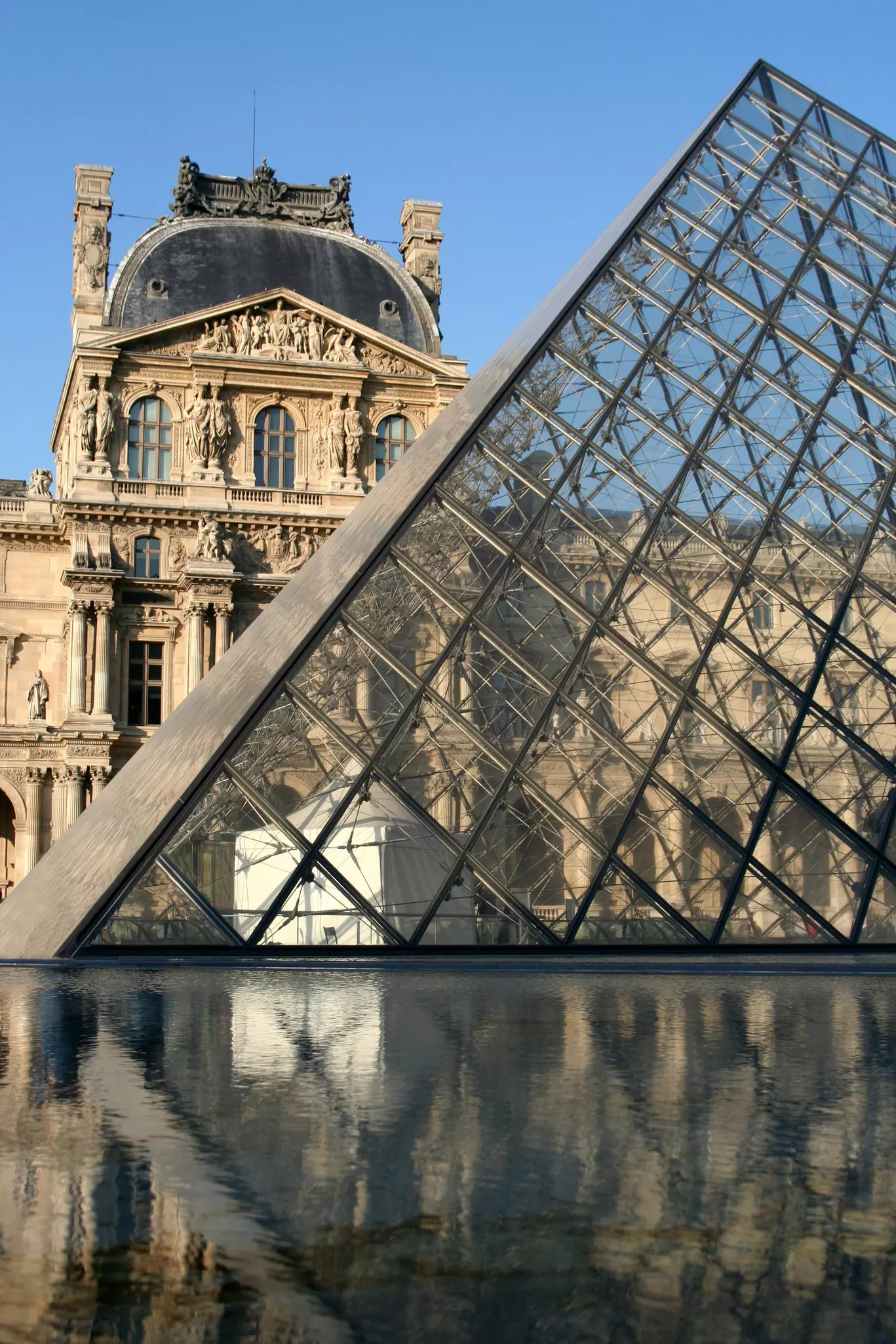
If you guessed the Museé du Louvre, then you guessed right. Yes, it may be firmly on the well-beaten tourist track, but it’s there for good reason, one being its size. Once the royal palace that housed none other than Napoleon, the Louvre has borne witness to centuries of history since it was founded in 1793. The largest museum in the world, it has almost 73,000 sq meters (785,765 sq ft) of exhibition space, 403 rooms, and 14.5km (9 miles) of corridors, where 33,000 artworks out of nearly 500,000 held by the museum are showcased. The works span several thousand years and continents, from the Americas to Asia, with the Egyptian wing being a favorite.
Head-spinning facts aside, for visitors who aren’t fans of the museum experience, it’s also possible to get a sense of the Louvre’s size, importance and beauty by walking the full length of its exterior from the rue de Rivoli to its interior courtyards, which are accessible for free throughout the day.
Planning tip: The museum is open until 9pm on Wednesdays and Fridays, when it tends to be less crowded. Like many museums in Paris, the Louvre is closed on Tuesdays. Check the latest timings on the Louvre website beforehand, as they can vary from season to season.
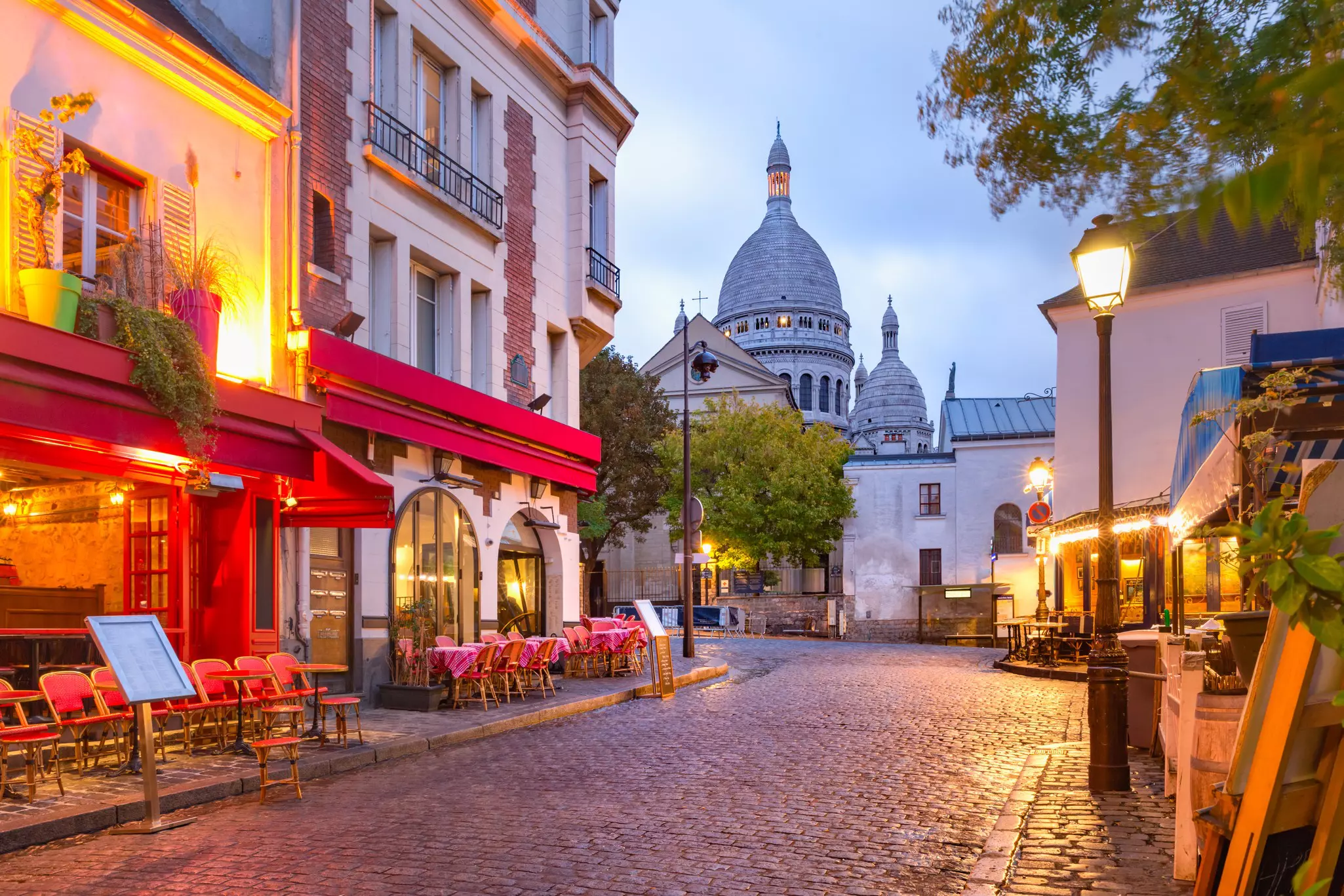
Montmartre is a village with bohemian artistic roots. Perched on the highest hill of Paris, it's crowned by the gleaming white Sacré-Coeur Basilica, which opened in 1910. One of the last villages to join the arrondissements of Paris proper, it has retained its village atmosphere, with narrow lanes that wind down the hillsides, lined with stone houses, cafés, restaurants and boutiques. This was once a stomping ground for artists including Pablo Picasso, who would hole up at Le Bateau Lavoir (an artists’ residency that to this day seldom opens its doors to visitors) and party at the numerous nightlife spots.
The village was scattered with windmills that once ground flour and crushed grapes, giving rise to debauched nights in the area’s cabarets and guinguettes (popular outdoor taverns where there is dancing). Some of these have survived, like Le Lapin Agile. Today, there is only one functioning windmill left, the Blute-Fin windmill, which is not accessible to the public. The Radet windmill you see as part of the Moulin de la Galette restaurant on rue Lepic once stood next to the Blute-Fin and was moved here in the 1920s. The Clos Montmartre vineyard still exists and there is an annual grape harvest festival in October, which makes a trip to the city worth it.
Planning tip: The best way to see Montmartre is by taking one of our itineraries in the latest Lonely Planet Paris guidebook. Alternatively, take the Promotrain or Montmartrain, which carry visitors around Montmartre to the main sites. It’s about an hour round trip, and they're especially good for people with restricted mobility, families with young children and visitors short on time.
The Latin Quarter is one of Paris’ oldest districts, with some parts dating back to Roman and Medieval times. Some vestiges from the Roman period are still visible to this day, like the Arènes de Lutèce, a former amphitheater, and the baths inside the Cluny Museum; and from the Middle Ages too, such as the Church of Saint Séverin as well as La Sorbonne university, founded in 1253.
While the Latin Quarter is one of the most atmospheric areas of the city, it’s also one of the busiest. A way around that is to visit at sundown, when most visitors go back to their accommodations. One of the highlights of Paris in general is strolling at nightfall because the buildings are lit up in such a way that it brings out lots of small details you might miss in the daytime. The Latin Quarter is no exception. Stop at the Bombardier pub for a drink on the terrace, right across from the regal Panthéon, where some of the country’s greatest thinkers have been laid to rest, including Simone Veil and Victor Hugo.
France's food scene is a major draw for visitors, and in Paris there are more than 80 fresh produce markets, hundreds of delis and bakeries, and thousands of restaurants and cafés to try. To really understand the locals’ love of food, the history behind its national importance, and to taste some local favorites, too, book a tour with a guide.
Food guide Neil Kreeger puts together bespoke itineraries based on your preferences and unpacks the mysteries behind every major French classic, from macarons and croque monsieur to the numerous cheeses and wines, as well as the more recent food trends. Experiences last about three hours in one neighborhood.
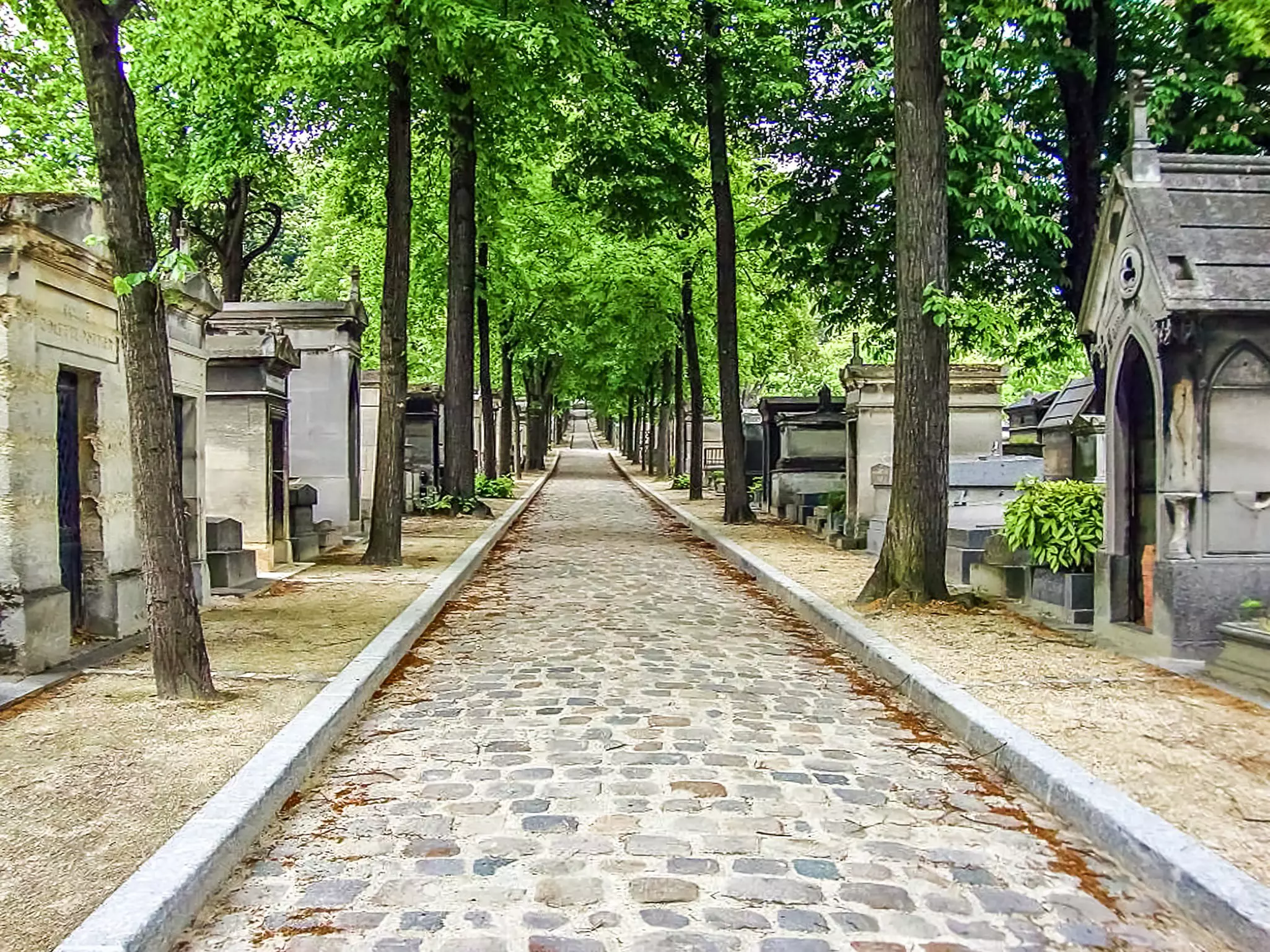
A great way of seeing another side of Paris is through some of its beautiful cemeteries. The most famous is Père-Lachaise in the 20th arrondissement, which spans 44 hectares (108 acres) and contains no less than 70,000 burial plots. Created in 1804, it’s halfway between a leafy park and a huge shrine, where the style of the graves ranges from Gothic mini chapels to impressive Haussmannian burial chambers and great big mausoleums for whole families.
Some of the cemetery’s most famous “residents” include Oscar Wilde, Molière, Edith Piaf, Frédéric Chopin and Jim Morrison, whose graves are popular tourist spots for visitors from all over the world – three million descend on the cemetery annually, to be exact.
Of course, it’s obvious that Paris is the only place you can see the Eiffel Tower. But the million-dollar question locals could debate all night long is from which vantage point its best seen. Catching glimpses of the Grande Dame from all over the city is half the fun. For visitors who want the real, full-size, unobstructed view, then the Trocadero is the number one spot. For a 360-degree view from the skies, then the Montparnasse Tower rooftop observation deck has to be it. And for more fleeting glimpses, catch the metro line 6 between the stops of Passy and Bir-Hakeim. Otherwise, there are several rooftop restaurants and bars where you can dine while gazing at Paris’ most popular monument, like at Le Printemps and Galeries Lafayette department stores, and many five-star hotel rooftop restaurants like the Peninsula’s L’Oiseau Blanc, the Cheval Blanc’s Tout-Paris or Le Jardin or the Shangri-La’s champagne garden in summer.
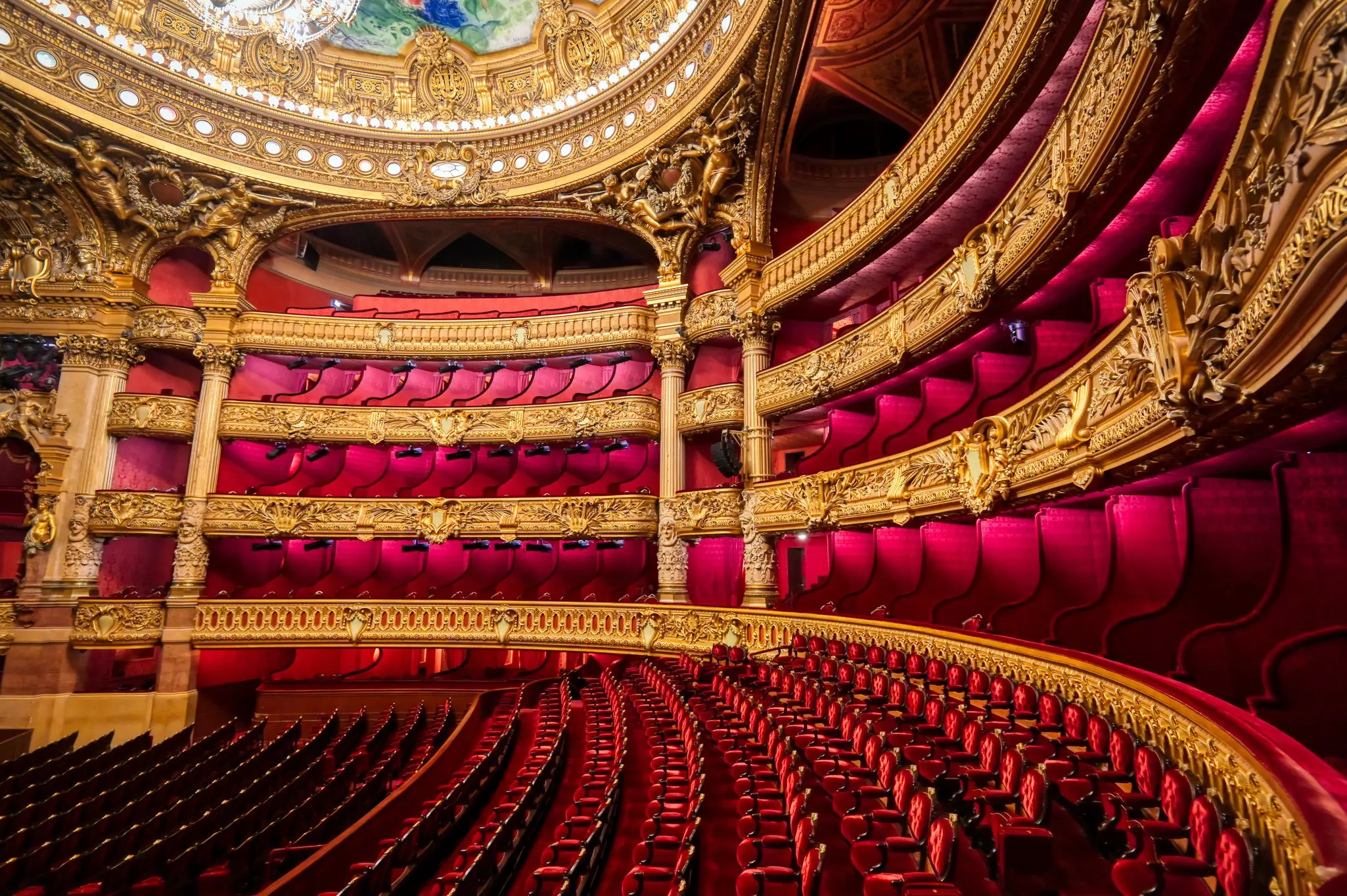
Grab tickets to see a performance at the Palais Garnier, Paris’ world-famous opera house. Built in 1875, it was named after Charles Garnier, its architect. It’s an Italian-style auditorium known for its celestial ceiling fresco by artist Marc Chagall, and can hold up to 2054 visitors in one sitting. Possibly the most famous opera house in the world, it was immortalized in the novel The Phantom of the Opera, keeping the legend of terrifying ghostly happenings alive.
It’s possible to visit the incredibly opulent opera house, with its heavily gilded interiors and grand marble staircases. You'll walk the maze-like corridors of dressing rooms and rehearsal spaces, behind and under the stage, and even see the underground lake that flows below the opera house.
Planning tip: There are a number of ways to visit the opera house, including self-guided visits, guided tours, through an immersive game based on the story of the 1905 fictional thief and master of disguise Arsène Lupin, and via games for children.
While it is true that most of Paris' blockbuster sights are found within the city center, it’s worth venturing a little further afield to visit St-Ouen flea market, the Puces de St-Ouen. One of the biggest markets in the world, it’s actually made up of 15 markets selling all sorts of wares, from antique jewelry to furniture, clothing and records. Hidden in the markets are also restaurants and cafés that make great pit stops to sit and watch life go by. Start on rue des Rosiers in St-Ouen, which isn’t in Paris proper, and wander through the markets that sprawl out on either side in warehouse spaces. You could easily spend a whole day exploring.
Explore related stories