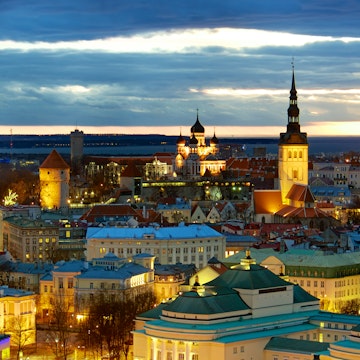
Old Town
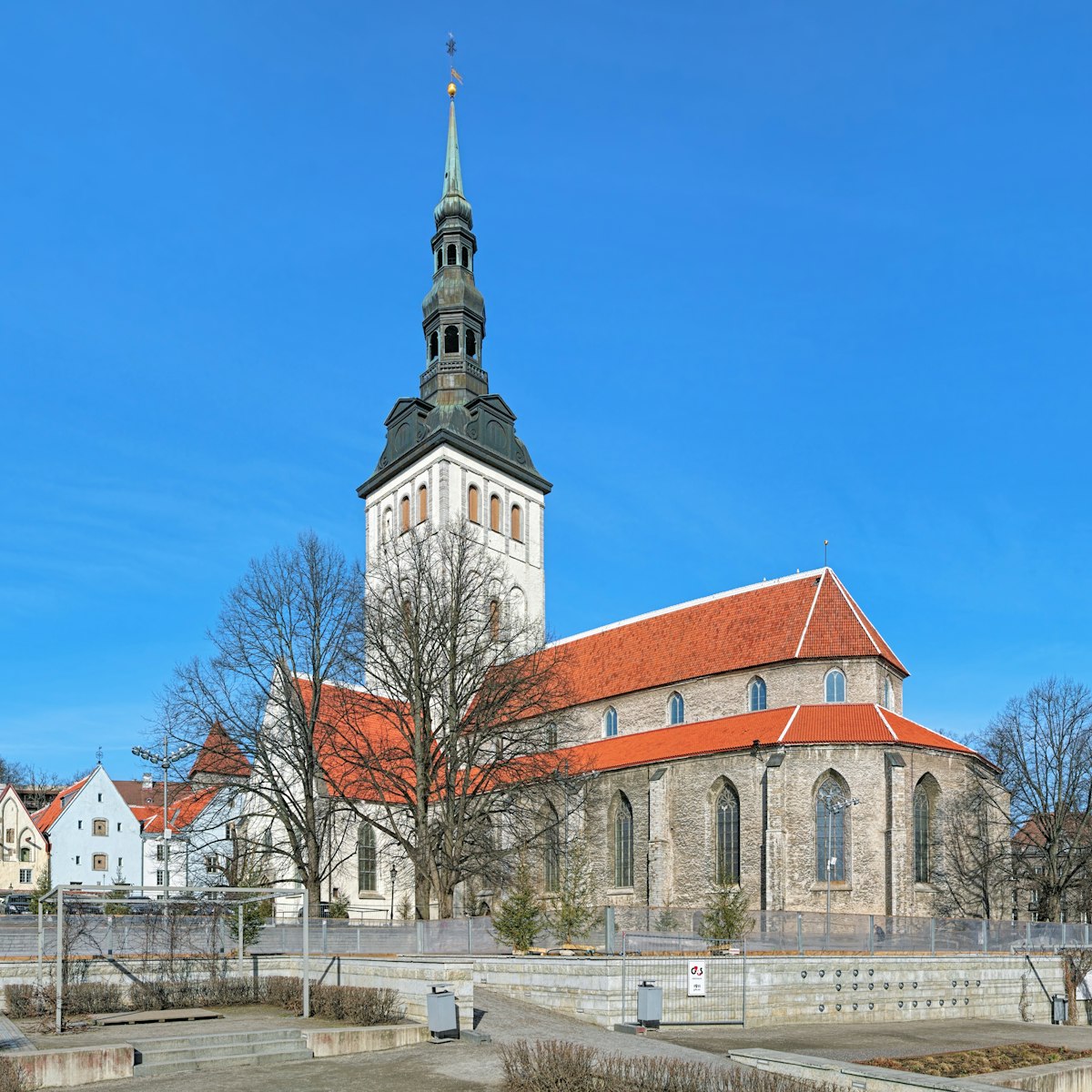
Dating from the 13th century, the imposing St Nicholas' Church (Niguliste kirik) was badly damaged by Soviet bombers in 1944 and a fire in the 1980s, but…
Getty Images
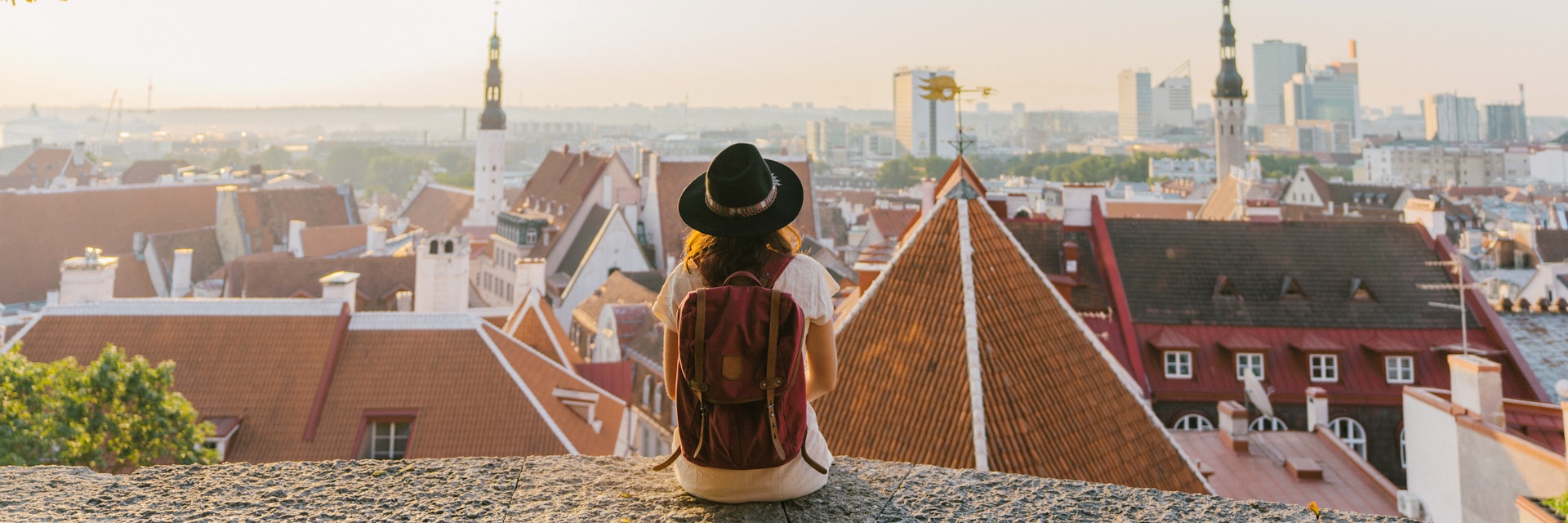
Estonia doesn’t have to struggle to find a point of difference; it’s completely unique. It shares a similar geography and history with Latvia and Lithuania, but culturally it’s distinct. Its closest ethnic and linguistic buddy is Finland, though 50 years of Soviet rule in Estonia have separated the two. For the last 300 years Estonia has been linked to Russia, but the two states have as much in common as a barn swallow and a bear (their respective national symbols).
Experience the real Estonia. Let a local expert handle the planning for you.
Get startedOld Town
Dating from the 13th century, the imposing St Nicholas' Church (Niguliste kirik) was badly damaged by Soviet bombers in 1944 and a fire in the 1980s, but…
Tallinn
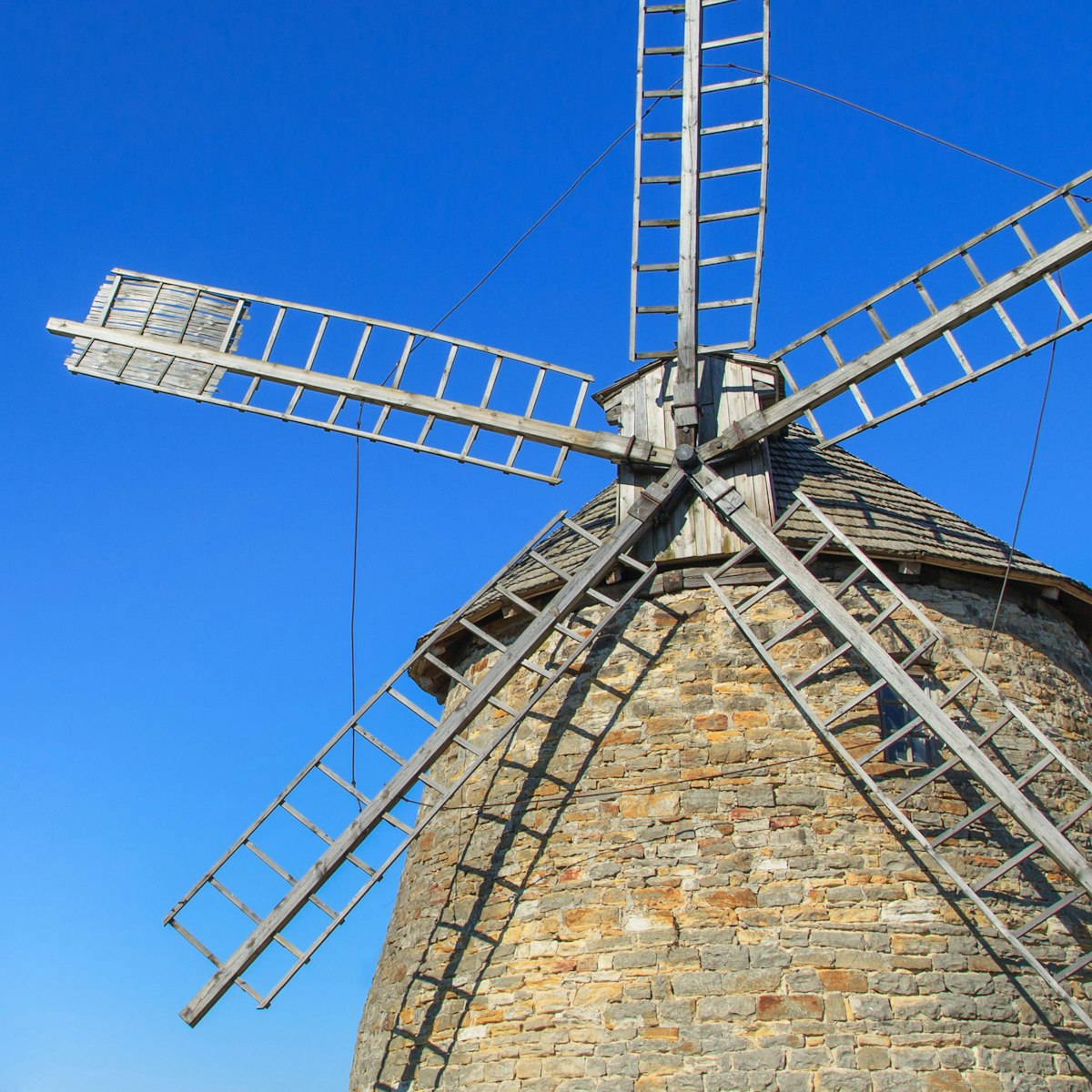
This sprawling ethnographic and architectural complex comprises 80 historic Estonian buildings, plucked from across the country and resurrected in…
Kadriorg
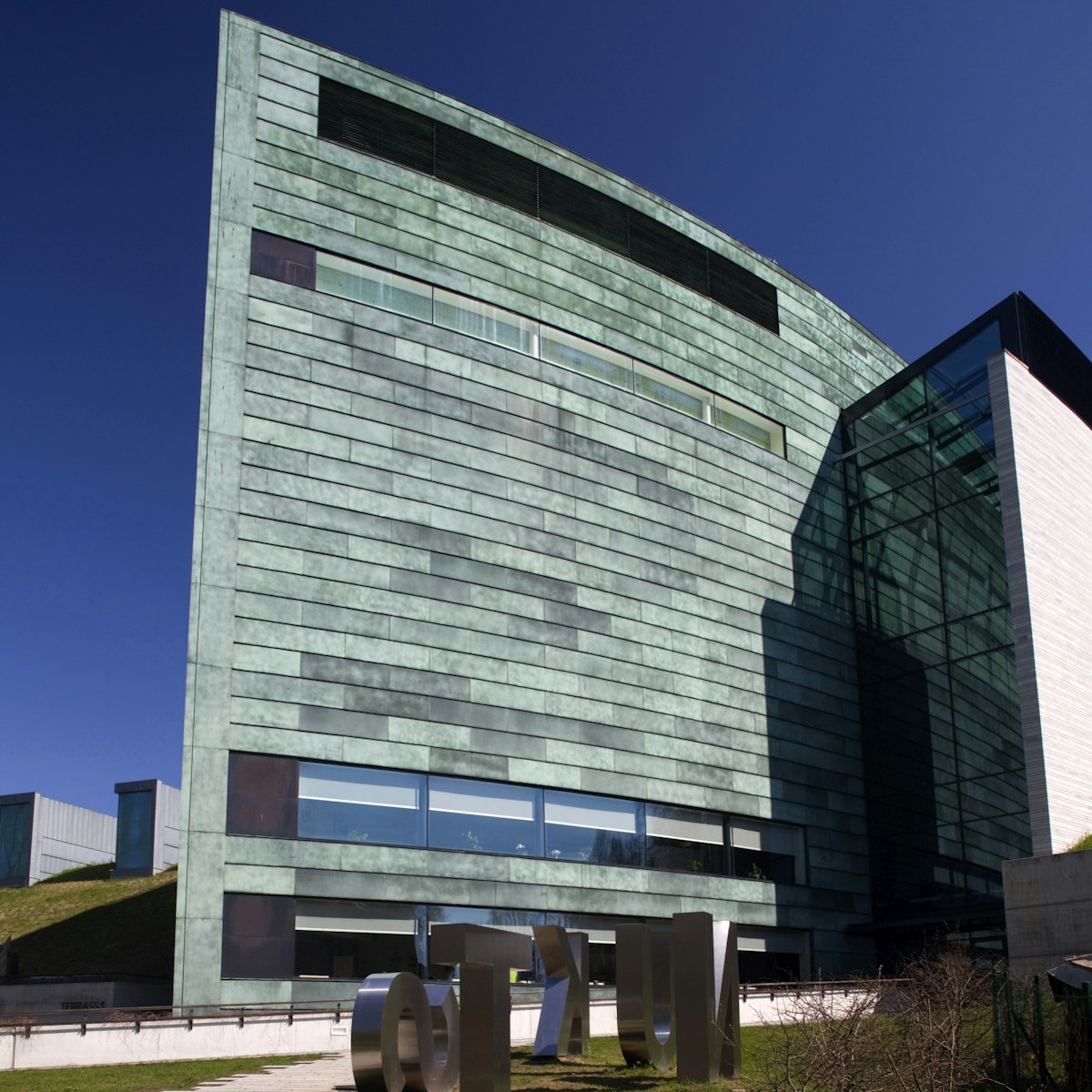
This futuristic, Finnish-designed, seven-storey building is a spectacular structure of limestone, glass and copper that integrates intelligently into the…
Old Town
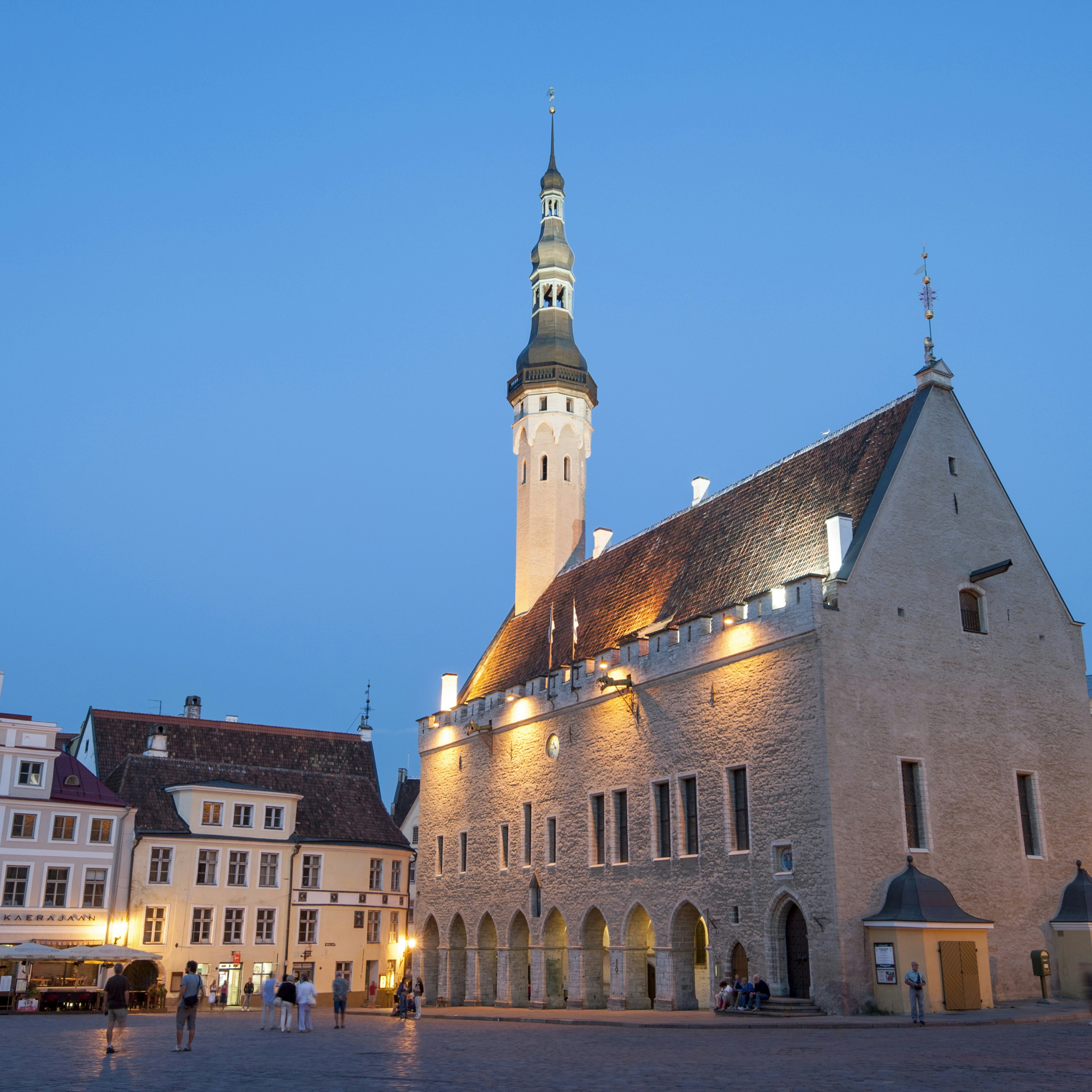
Completed in 1404, this is the only surviving Gothic town hall in northern Europe. Inside, you can visit the Trade Hall (whose visitor book drips with…
Old Town
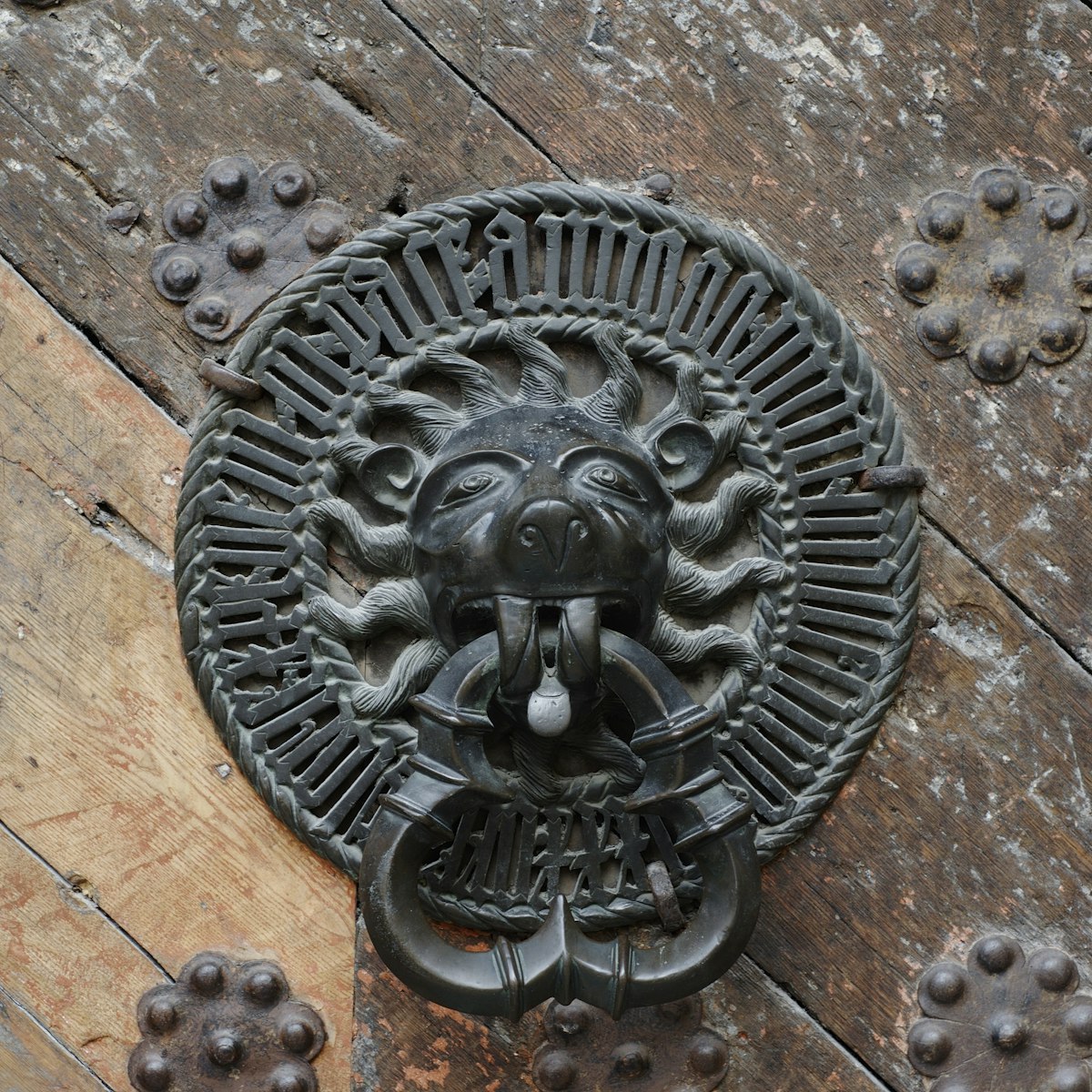
The Great Guild Hall (1410) is a wonderfully complete testament to the power of Tallinn's medieval trade guilds. Now a branch of the Estonian History…

Western Estonia & the Islands
Majestic Kuressaare Castle stands facing the sea at the southern end of the town, on an artificial island defended by stone-faced earth bastions and…
Kadriorg
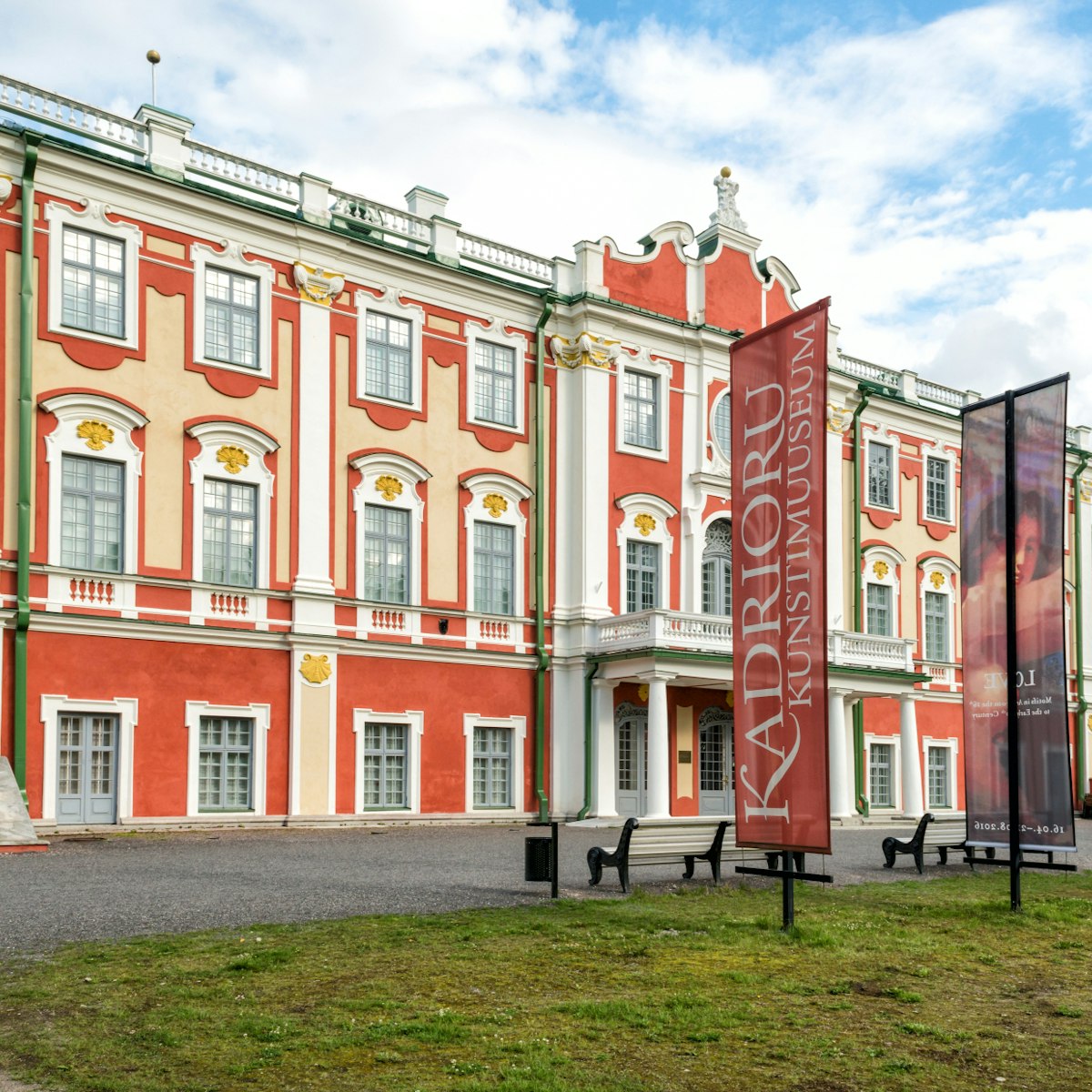
Kadriorg Palace, a baroque beauty built by Peter the Great between 1718 and 1736, houses a branch of the Art Museum of Estonia devoted to Dutch, German…
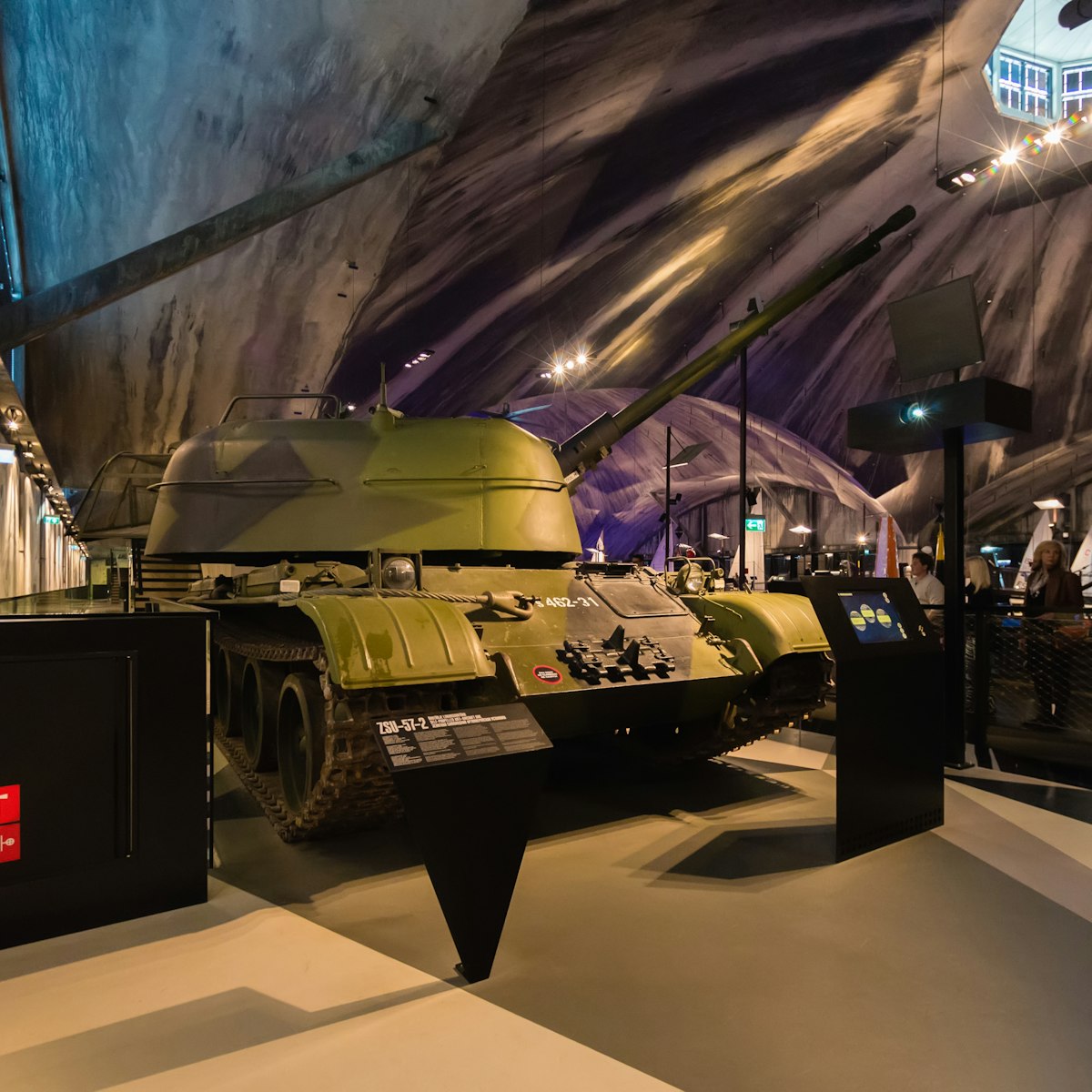
Kalamaja & Telliskivi
When this cavernous, triple-domed building was completed in 1917, its reinforced-concrete shell-frame construction was unique in the world. Resembling a…
Filter by interest:
Apr 27, 2021 • 6 min read
Mar 16, 2021 • 1 min read

Jun 1, 2020 • 2 min read

May 25, 2020 • 7 min read

May 8, 2020 • 1 min read
Jan 5, 2020 • 2 min read

Nov 27, 2019 • 1 min read
in partnership with getyourguide
Get to the heart of Estonia with one of our in-depth, award-winning guidebooks, covering maps, itineraries, and expert guidance.