Raymond Forbes Photography / Stocksy United
Costa Rica
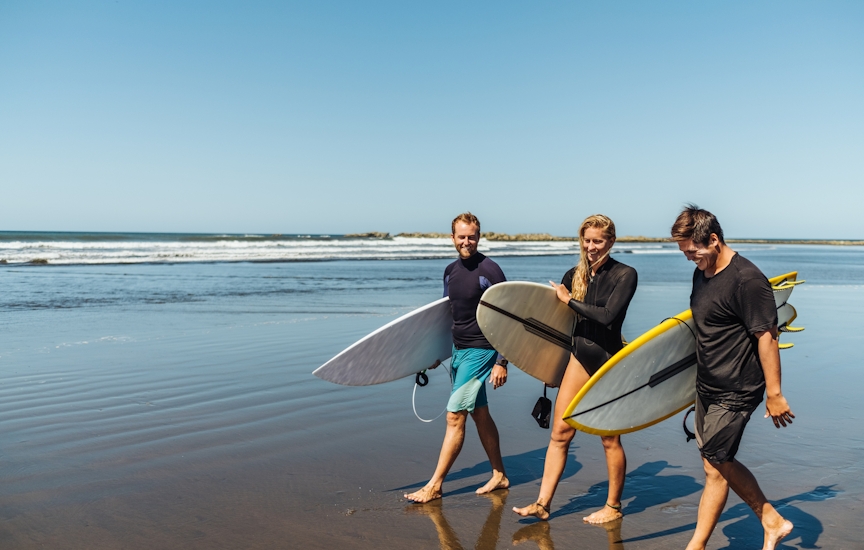
Centering yourself on a surfboard or yoga mat, descending into bat-filled caves or ascending misty volcanic peaks – relax and enjoy the ride of Costa Rica.
Leave the planning to a local expert
Experience the real Costa Rica. Let a local expert handle the planning for you.
Get startedAttractions
Must-see attractions
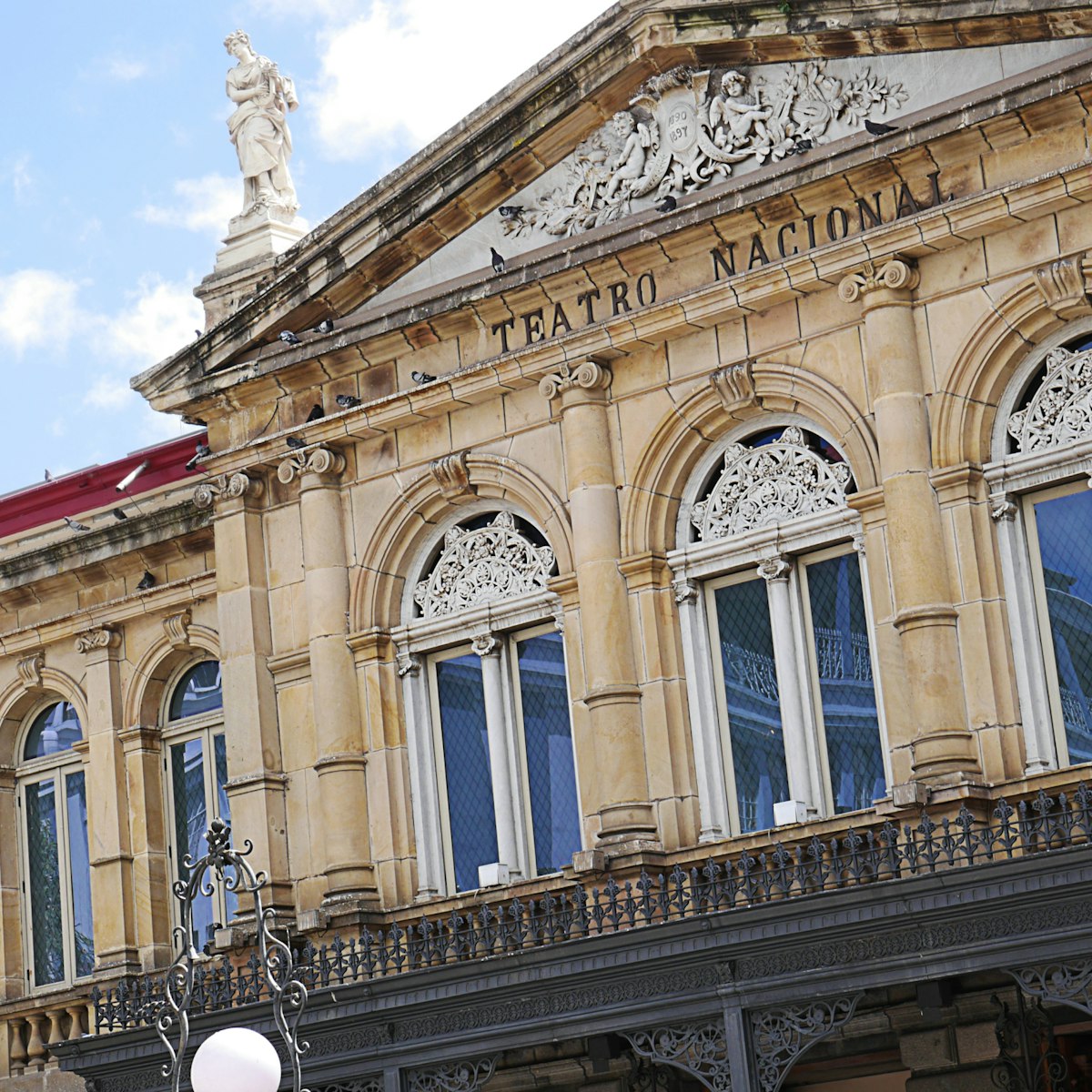
San José
On the southern side of the Plaza de la Cultura resides the Teatro Nacional, San José’s most revered building. Constructed in 1897, it features a columned…
Central Valley & Highlands
This polished storybook garden complex just east of Volcán Poás offers the most easily digestible cultural experience in the Central Valley and is the…
Parque Nacional Manuel Antonio
Parque Nacional Manuel Antonio & Around
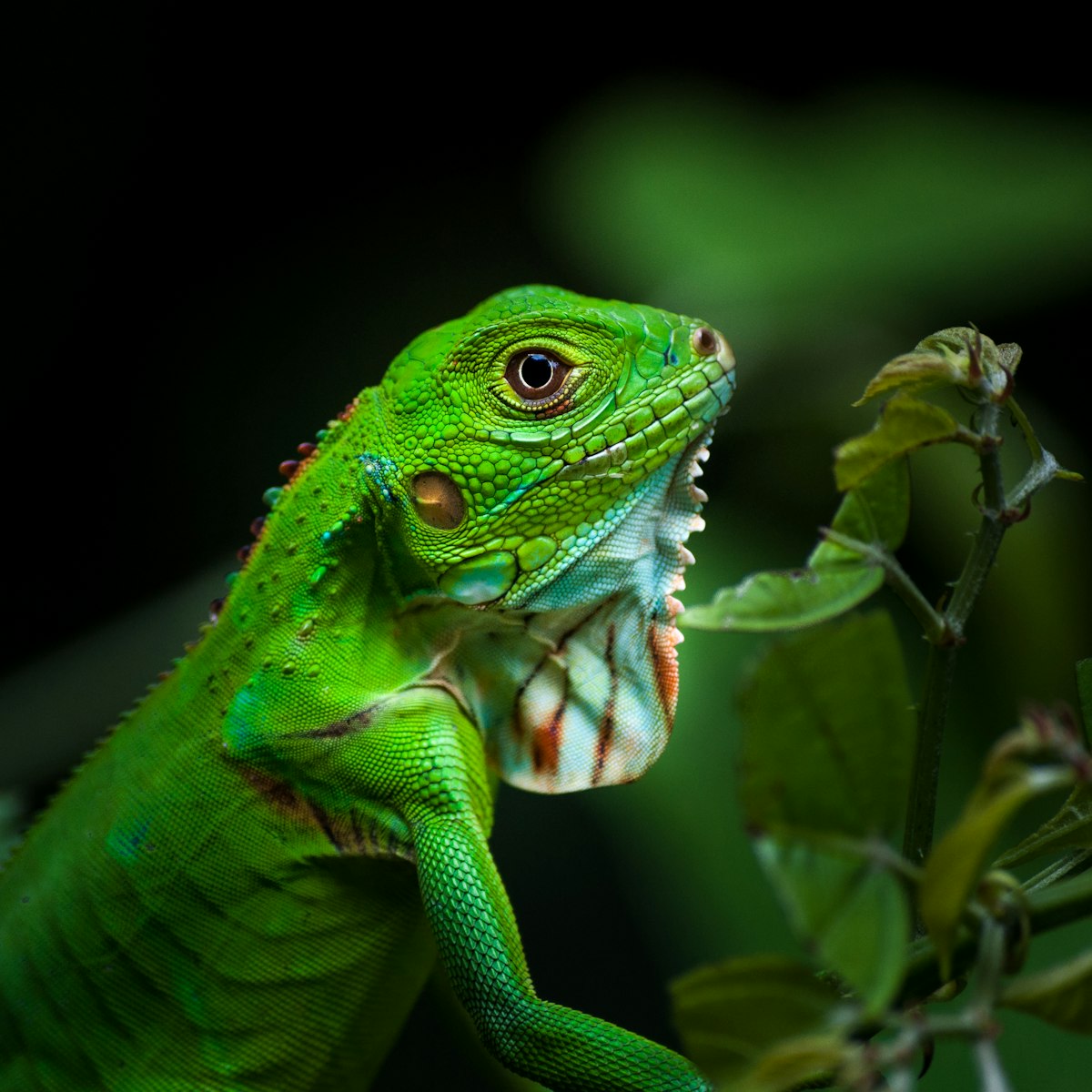
Featuring lush jungle, picture-perfect beaches and craggy headlands, this tiny park (1680 acres/680 hectares) absolutely brims with wildlife (and often…
Cahuita
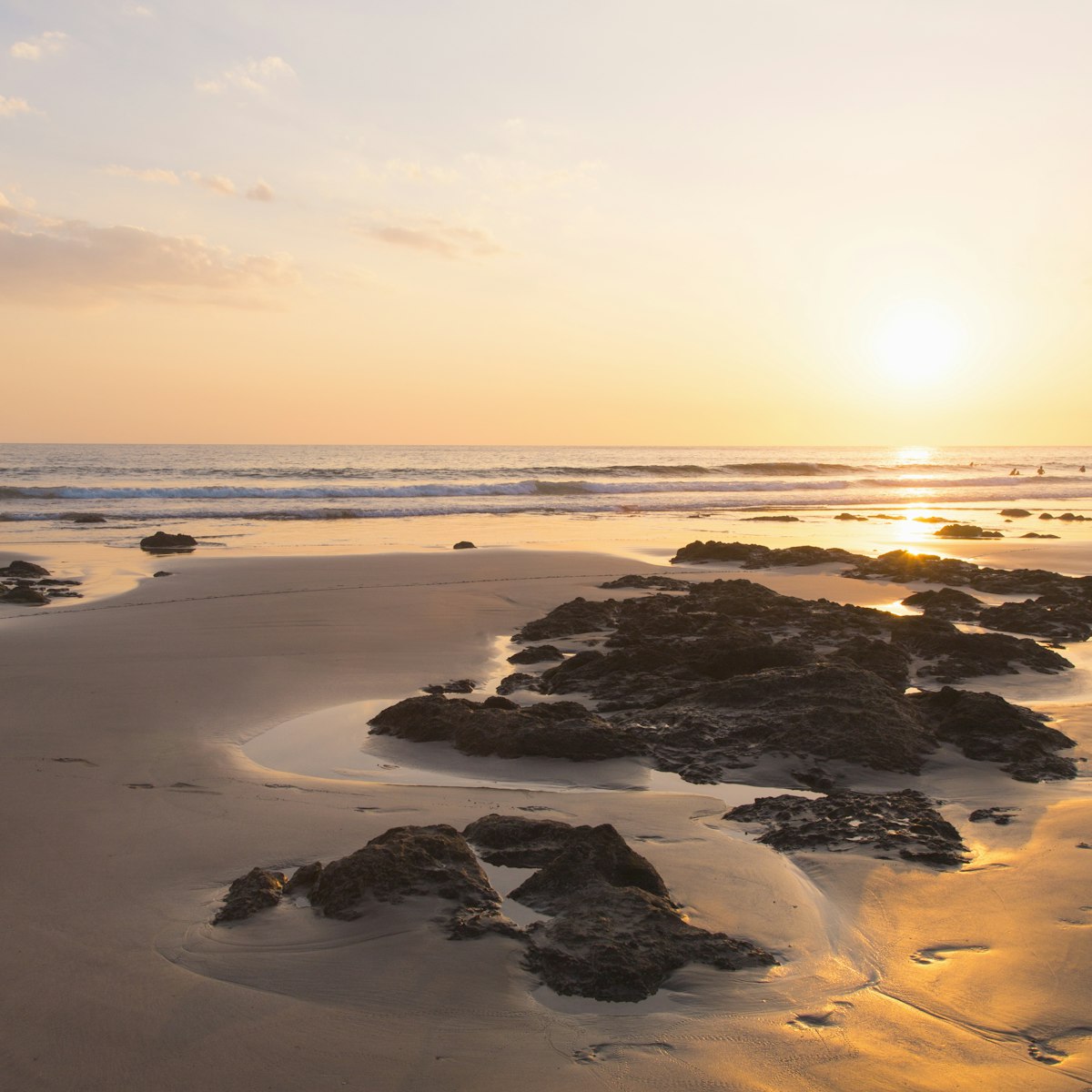
At the northwestern end of Cahuita, Playa Negra is a long, black-sand beach flying the bandera azul ecológica, a flag that indicates that the beach is…
Southern Caribbean
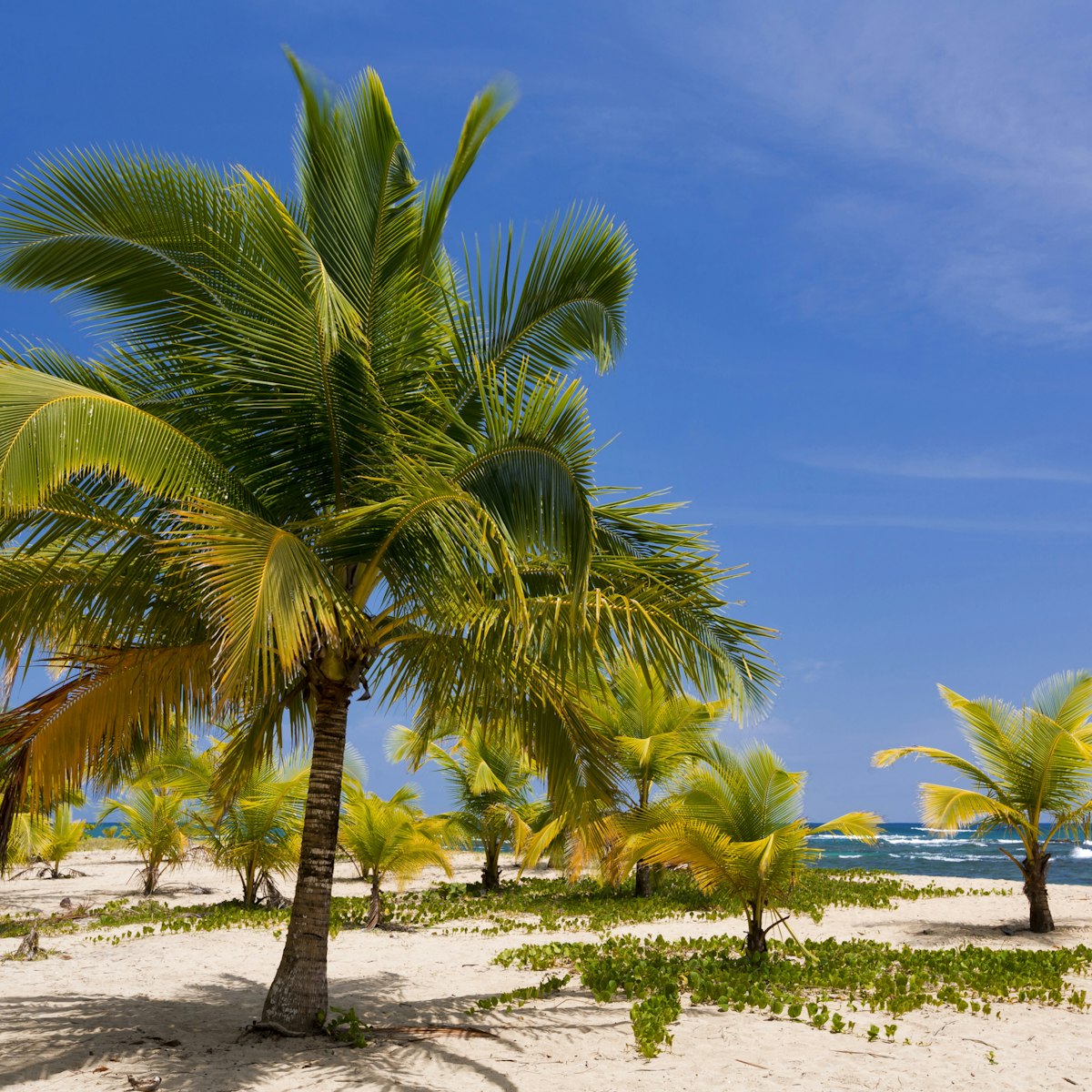
Off a dirt road marked by Punta Uva Dive Center is a quiet, idyllic cove that could double for a scene in the film The Beach. When the water is calm, it…
Southern Costa Rica & Península de Osa
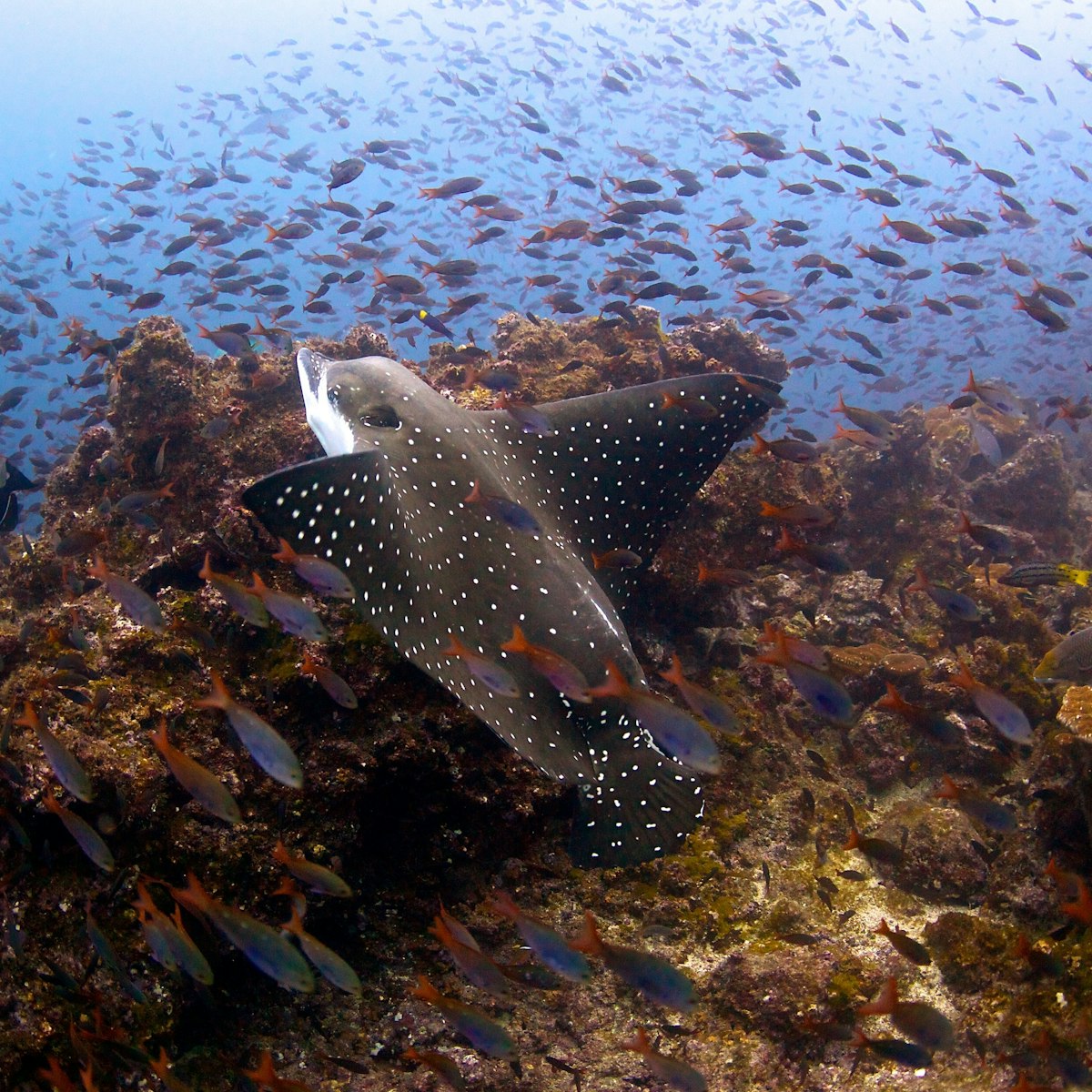
Around 500km southwest of the Costa Rica mainland, Isla del Coco is a natural wonder that teems with wildlife, including the largest schools of hammerhead…

Parque Nacional Volcán Arenal
From 1968 until 2010, Volcán Arenal was an ever-active and awe-striking natural wonder, producing menacing ash columns, massive explosions and streams of…
Southern Costa Rica & Península de Osa
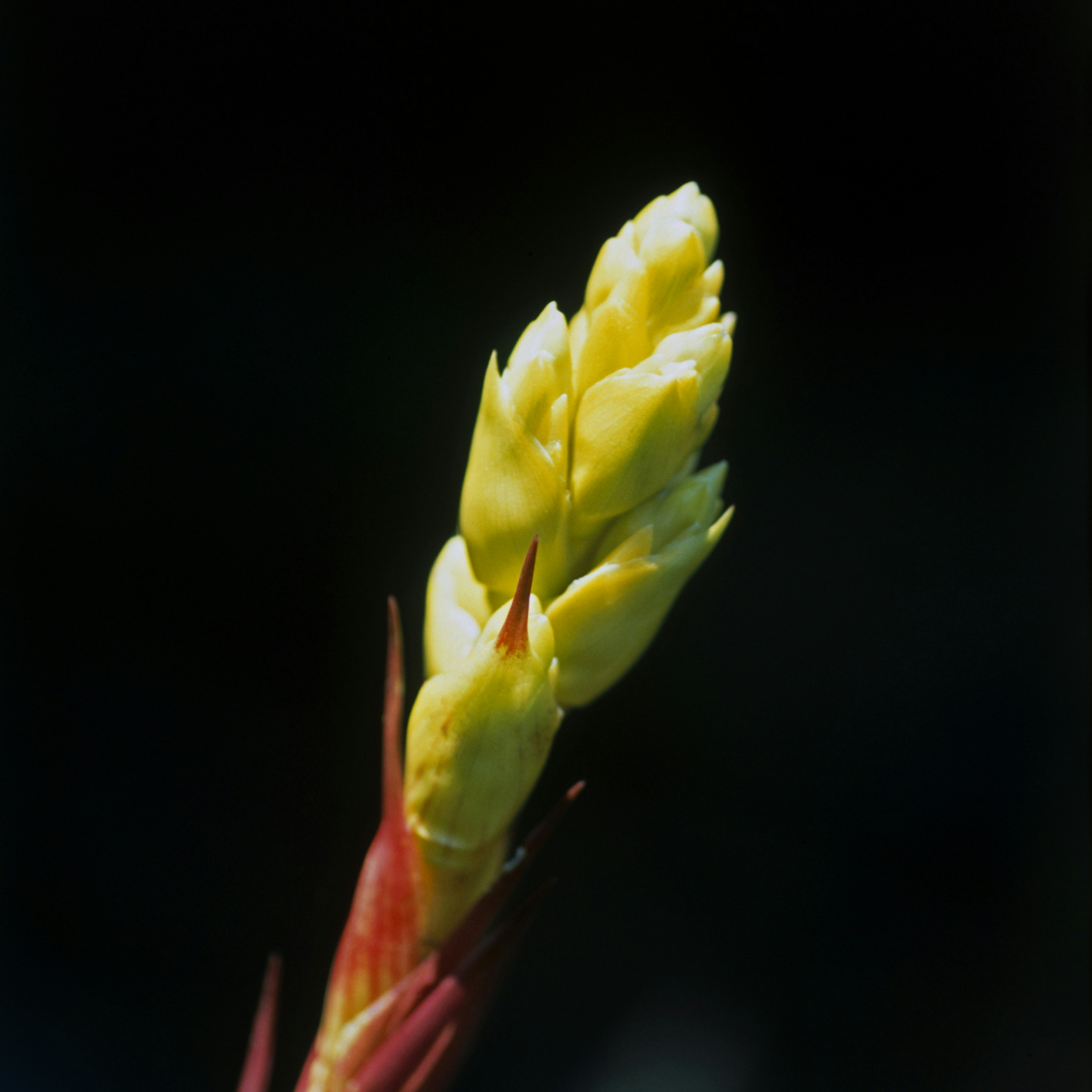
The world-class Wilson Botanical Garden is internationally known for its collection of more than 2000 native Costa Rican species. Species threatened with…
Attractions
Top picks from our travel experts
Parque Nacional Volcán Arenal
From 1968 until 2010, Volcán Arenal was an ever-active and awe-striking natural wonder, producing menacing ash columns, massive explosions and streams of…

Montezuma
A 40-minute river hike leads to a waterfall with a delicious swimming hole. Further along, a second set of falls offers a good 12m leap into deep water…
Parque Nacional Marino Las Baulas de Guanacaste
Península de Nicoya
Las Baulas national marine park encompasses the entire beach at Playa Grande, as well as the adjacent land and 220 sq km of ocean. This is one of the…
San José
On the southern side of the Plaza de la Cultura resides the Teatro Nacional, San José’s most revered building. Constructed in 1897, it features a columned…
Caribbean Coast
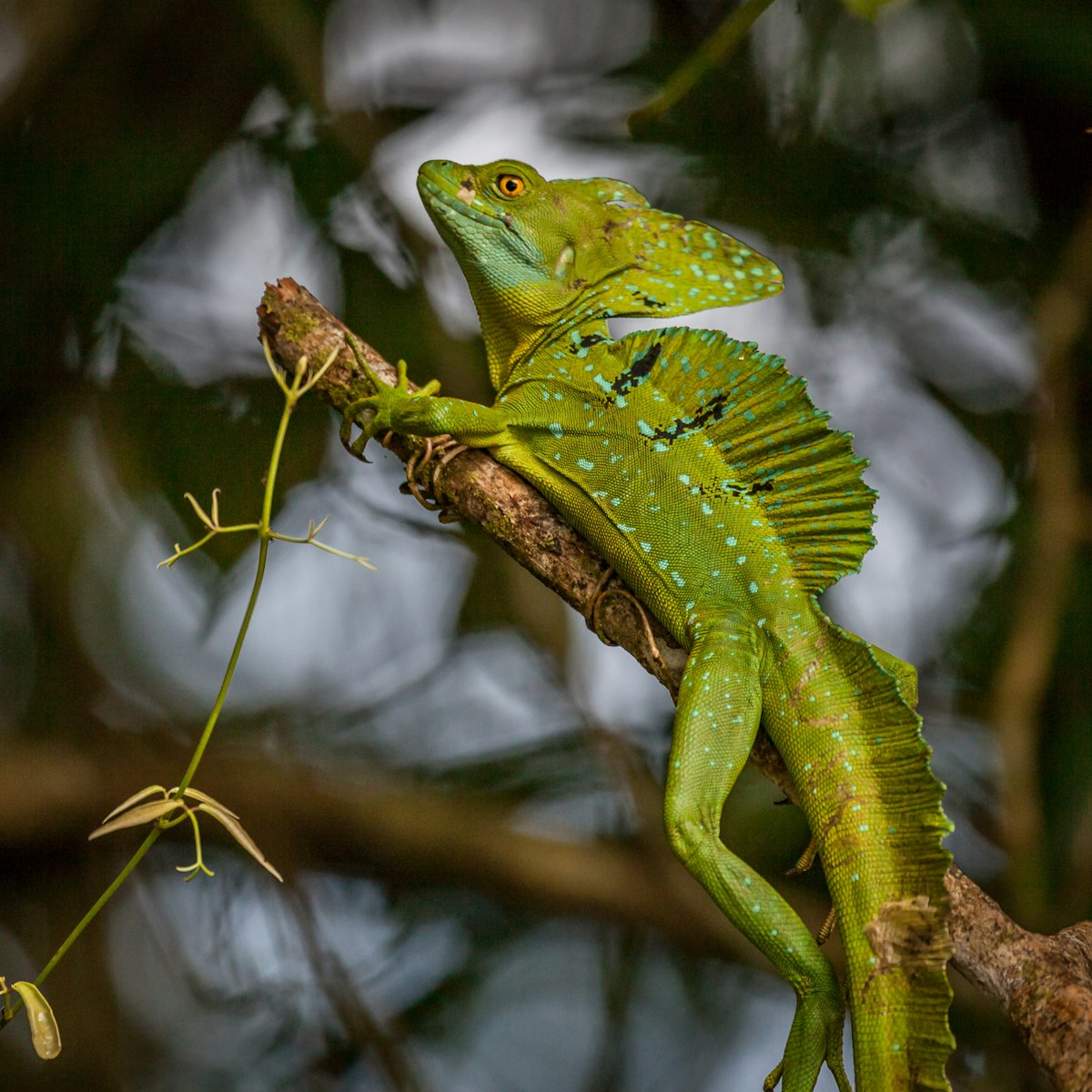
This misty, green coastal park sits on a broad floodplain parted by a jigsaw of canals. Referred to as the ‘mini-Amazon,’ Parque Nacional Tortuguero is a…
San José
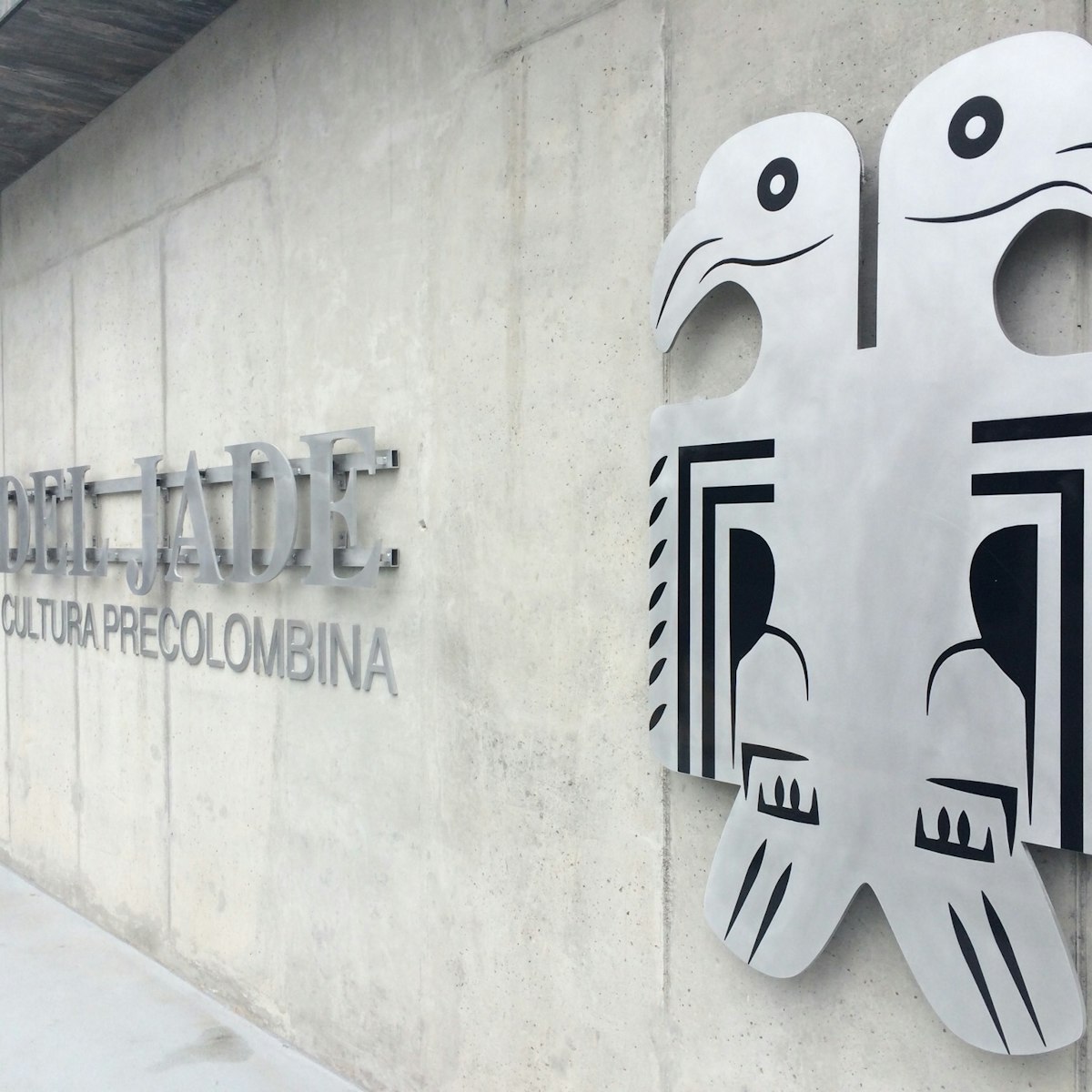
This museum houses the world’s largest collection of American jade (pronounced ‘ha-day’ in Spanish), with an ample exhibition space of five floors…
Parque Nacional Rincón de la Vieja
Northwestern Costa Rica
Given its proximity to Liberia, this park (about 160 sq km) feels surprisingly uncrowded and remote. Named after the steamy main attraction – the active…
Parque Nacional Volcán Tenorio
Northwestern Costa Rica
The park's heavenly blue river, waterfalls and lagoons are among the most spectacular natural phenomena in Costa Rica; as a result, the park is known to…
Ojochal
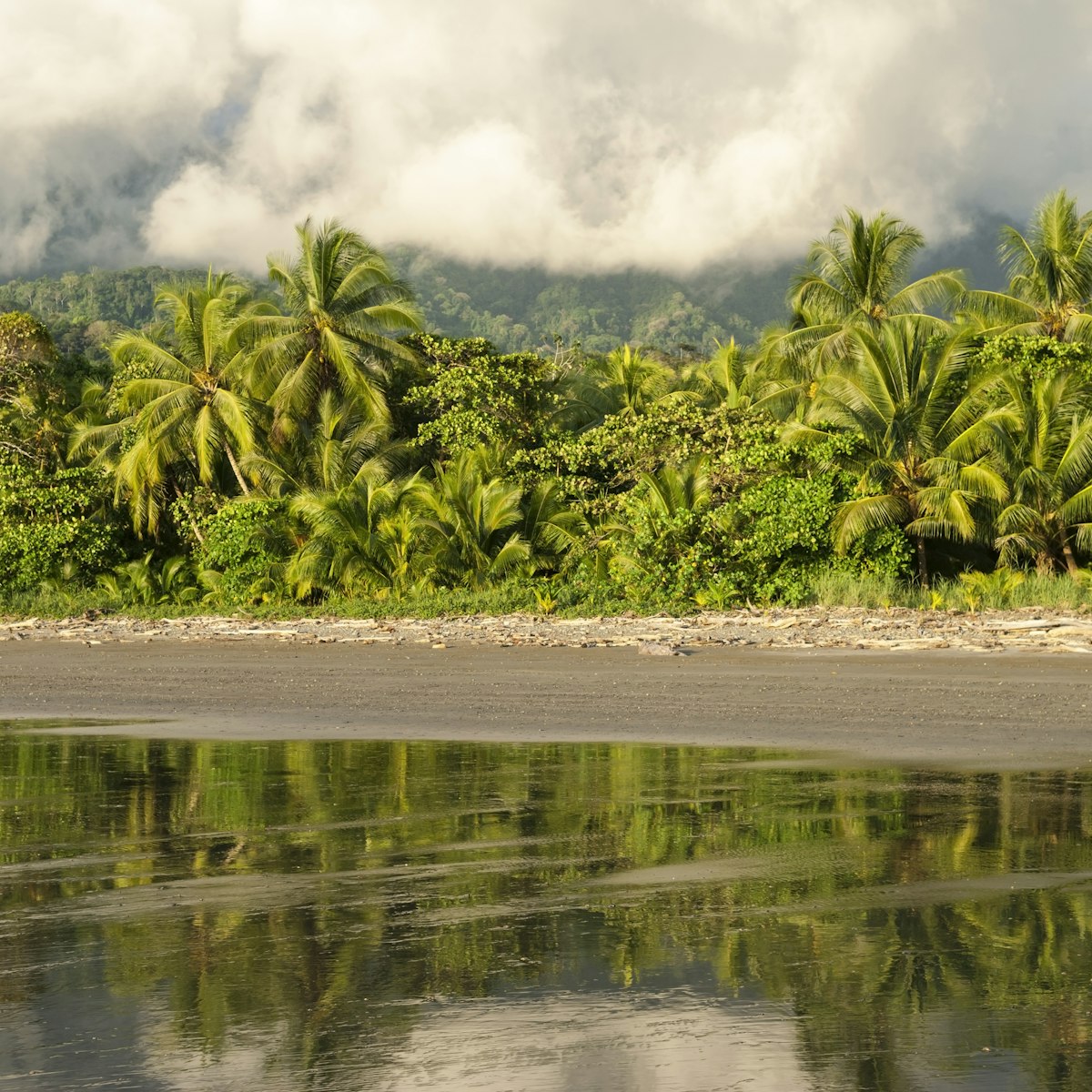
Tucked behind a grove of coco palms, this crescent-shaped, black-sand-and-pebble beach has elaborate rock formations at either end, and is called …
Montezuma
Here's your chance to see a waterfall crashing down a cliff, straight onto the rocks and into the ocean. El Chorro Waterfall is the pièce de résistance of…
Refugio Nacional de Vida Silvestre Caño Negro
Arenal & Northern Lowlands
This remote, 102-sq-km refuge has long lured anglers seeking that elusive 18kg snook, and birders hoping to glimpse rare waterfowl. During the dry season…

Arenal & Northern Lowlands
Set on 80 glorious bird-filled hectares, 20 unique bungalows (including five gobsmacking tree houses) overlook a lagoon and tropical garden; additional…

Central Pacific Coast
Carara is the famed home of one of Costa Rica’s most charismatic bird species, the scarlet macaw. While catching a glimpse of this tropical wonder is a…

The Road to Chirripó
Spread along both banks of the Río Savegre, Parque Nacional Los Quetzales covers 50 sq km of rainforest, cloud forest and premontane forest lying along…
Refugio Nacional de Vida Silvestre Ostional
Península de Nicoya
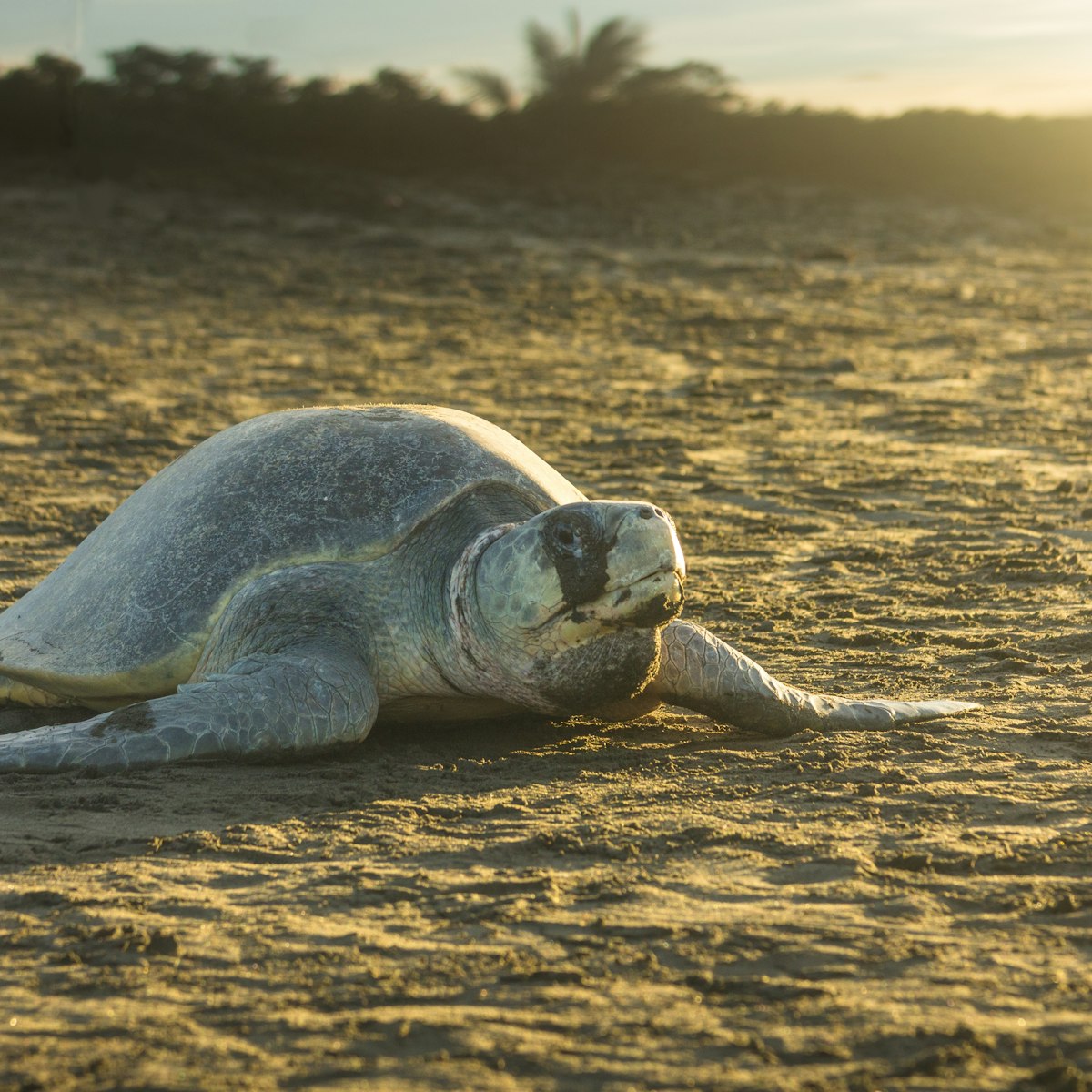
This 85 sq km coastal refuge extends from Punta India in the north to Playa Guiones in the south, and includes the beaches of Nosara and Ostional. It was…
Caribbean Coast
There are two ways into this dream of an ecolodge, both equally adventurous. Most arrive at its remote location on the Río Pacuare by raft, via a…
Central Valley & Highlands
Here's your chance to get frighteningly close to this extremely active volcano, which last erupted in 2017. At an elevation of 2708m, the mighty Poás is…
Reserva Biológica Bosque Nuboso Monteverde
Monteverde & Around
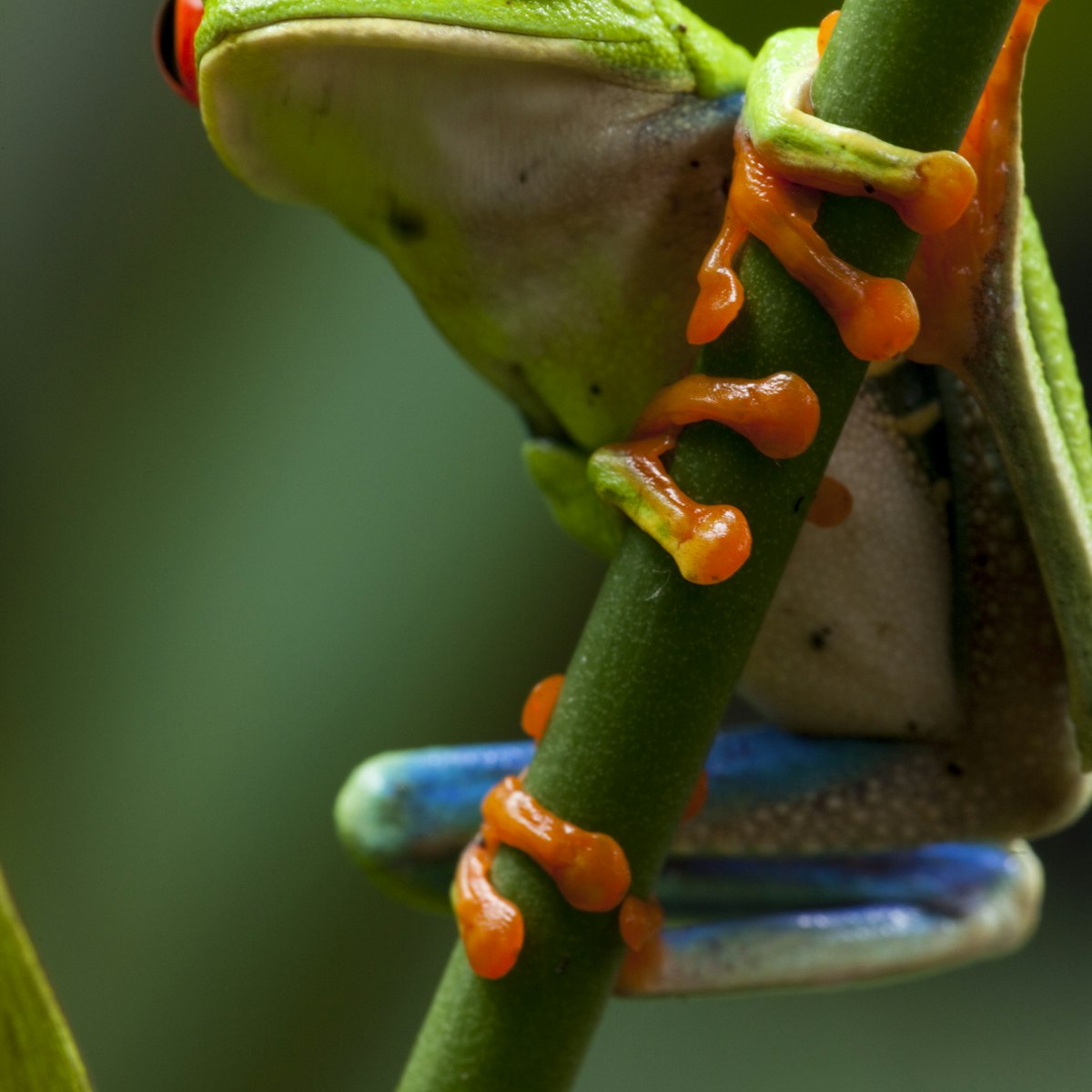
This beautiful cloud forest reserve came into being in 1972, when the Quaker community (which had already set aside a third of its property for…
Planning Tools
Expert guidance to help you plan your trip
Best Things to Do
From water sports and mountain hikes to rainforest wildlife watching and cloud-forest birding, these are the best things to do in Costa Rica.
Read articleThings to Know
On a recent trip to Costa Rica, on a hike in the remote forests of Volcán Tenorio National Park, the sky unexpectedly opened up
Read articleTransportation
If you're wondering how to navigate Costa Rica's roads, airports, and ferry terminals, here's the scoop on getting around this impressive country.
Read articleVisa Requirements
Costa Rica is a stunning country that's beloved by travelers. Here's everything you need to know about its entry requirements before you go.
Read articleMoney and Costs
There are plenty of ways for cost-conscious travelers to save some colones– here are ten top tips for traveling on a small budget in Costa Rica.
Read articleTraveling with Kids
Costa Rica is the easy way to dive into Central America with kids in tow. Here are our top family adventures, from surf beaches to volcano hikes.
Read articlePlan with a local
Articles
Latest stories from Costa Rica
Filter by interest:
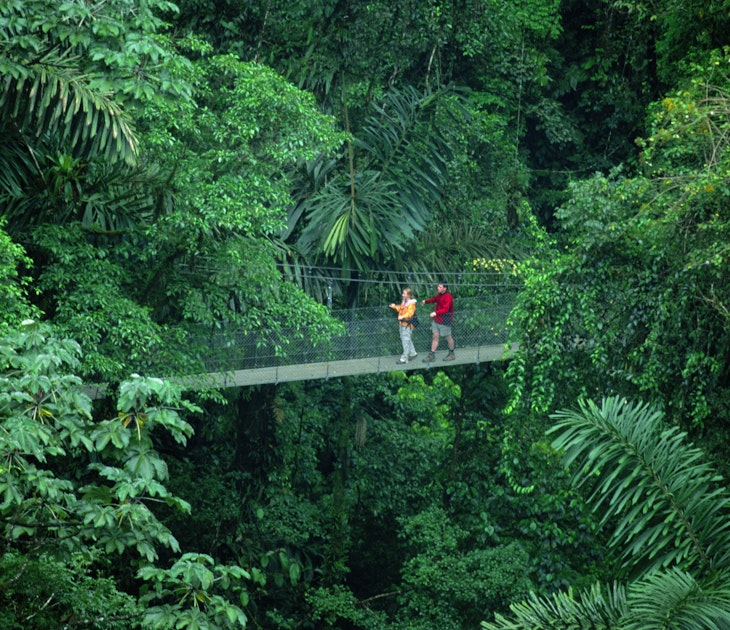
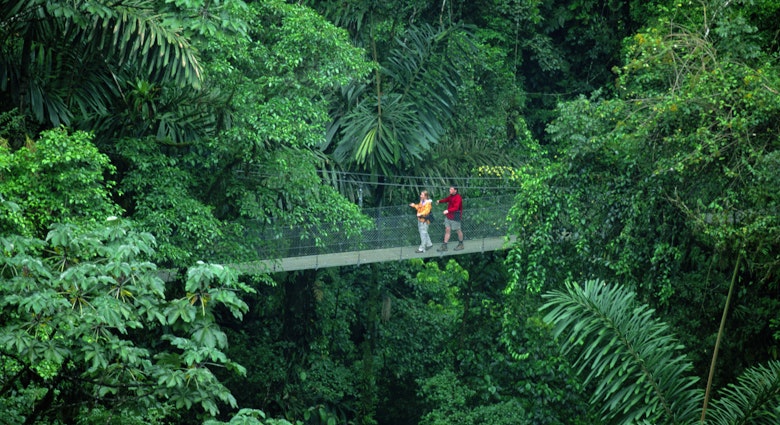


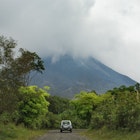

 ActivitiesThe best things to do with kids in Costa Rica, from surf beaches to jungle hikes
Oct 6, 2023 • 4 min read

in partnership with getyourguide
Book popular activities in Costa Rica
Guidebooks
Purchase our award-winning guidebooks
Get to the heart of Costa Rica with one of our in-depth, award-winning guidebooks, covering maps, itineraries, and expert guidance.