
Advertisement
Península de Nicoya
Maybe you’ve come to the Península de Nicoya to sample the sapphire waters that peel left and right, curling into perfect barrels up and down the coast. Or perhaps you just want to hunker down on a pristine patch of sand and soak up some sun. By day, you might ramble down rugged roads, fording rivers and navigating ridges with massive coastal views. By night, you can spy on nesting sea turtles or take a midnight dip in the luxuriant Pacific. In between adventures, you'll find no shortage of boutique bunks, tasty kitchens and indulgent spas to shelter and nourish body and soul. Whether you come for the thrills or just to chill, the Nicoya peninsula delivers. You'll find that the days (or weeks, or months) drift away on ocean breezes, disappearing all too quickly.

Jonathan Gregson

Trusted Partner
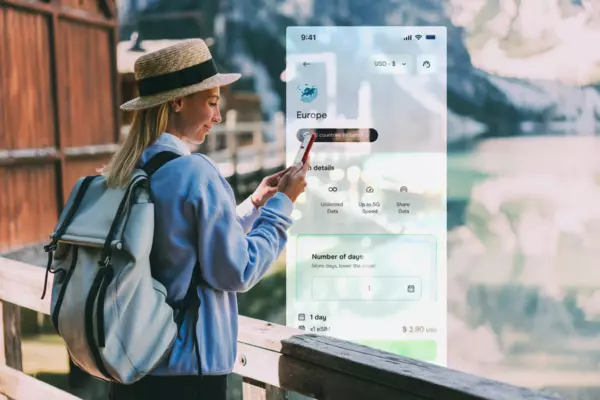
Stay connected in Península de Nicoya
Holafly eSIM provides unlimited mobile data with no hidden fees, giving you peace of mind wherever you travel. Stay connected even after your plan ends with Always On. Use code LONELYPLANET for an exclusive discount.
Take your Costa Rica trip with Lonely Planet Journeys
Time to book that trip to Costa Rica
Lonely Planet Journeys takes you there with fully customizable trips to top destinations – all crafted by our local experts.


Top places to visit in Península de Nicoya
Discover the best attractions in Península de Nicoya from must-see sights to unexpected hidden gems.
-
 Attraction in Mal País & Santa TeresaPlaya Santa Teresa
 - Attraction in MontezumaMontezuma Waterfalls
- Attraction in Península de NicoyaParque Nacional Marino Las Baulas de Guanacaste
- Attraction in MontezumaPlaya Montezuma
-
 Attraction in Península de NicoyaRefugio Nacional de Vida Silvestre Curú
 - Attraction in Mal País & Santa TeresaPlaya Hermosa
- Attraction in Península de NicoyaThe Jungle Butterfly Farm
- Attraction in MontezumaPlaya Cocolito
Advertisement
Advertisement
Get a book. Get inspired. Get exploring.
in partnership with getyourguide
Book popular activities in Península de Nicoya
Península de Nicoya and beyond
-
 destinationPlaya Tamarindo
 -
 destinationMontezuma
 -
 destinationPlaya Sámara
 -
 destinationMal País & Santa Teresa
Advertisement