Rajshahi & Rangpur
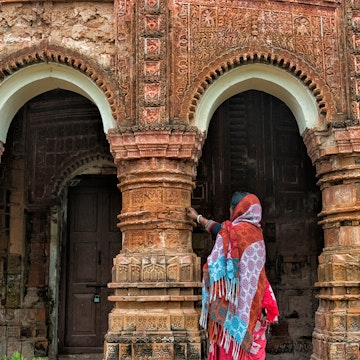
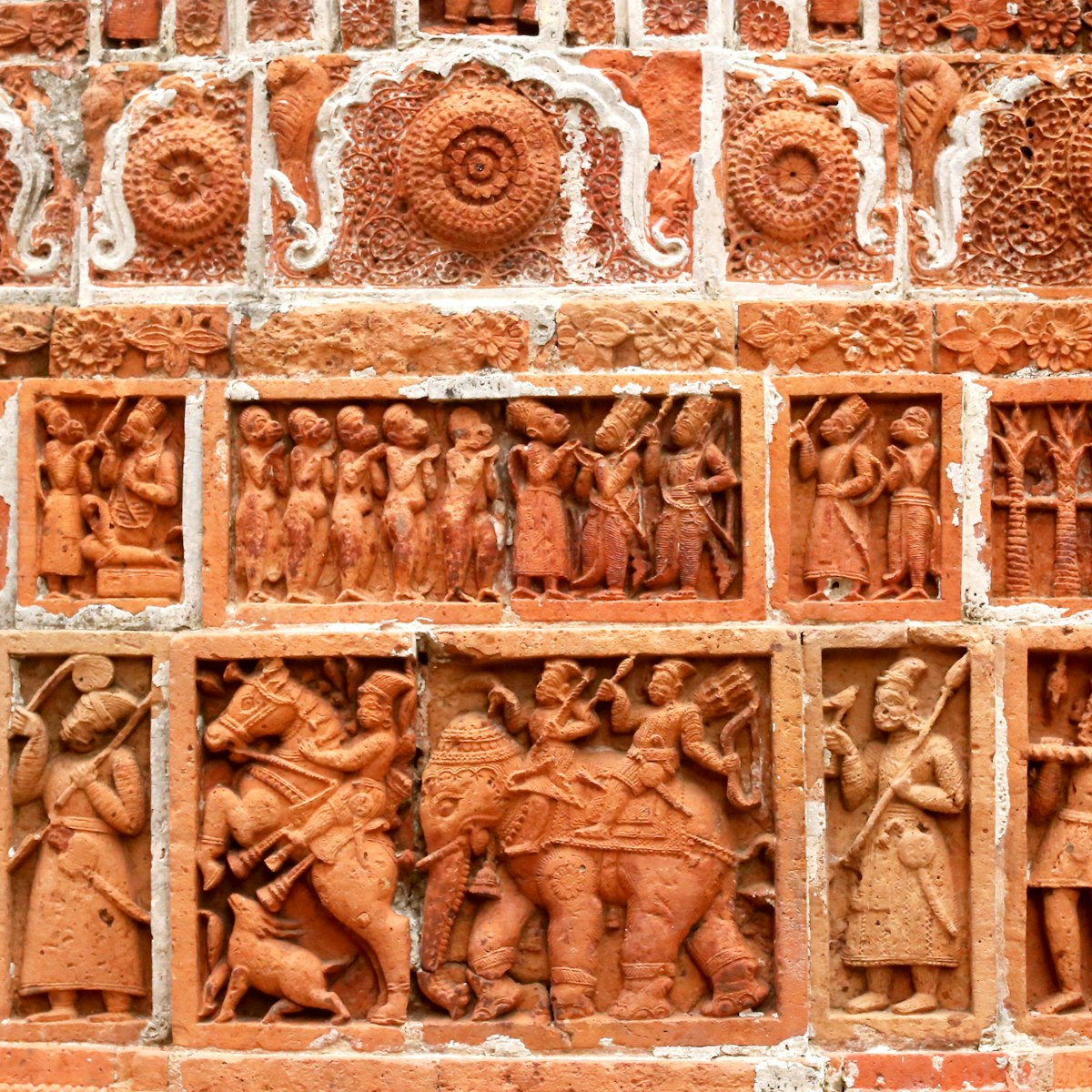
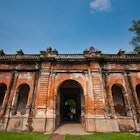
Set amidst gorgeous countryside, the vault-roofed rouge sandcastle of Kantanagar Temple, also known locally as Kantaji, is a stunning piece of religious…
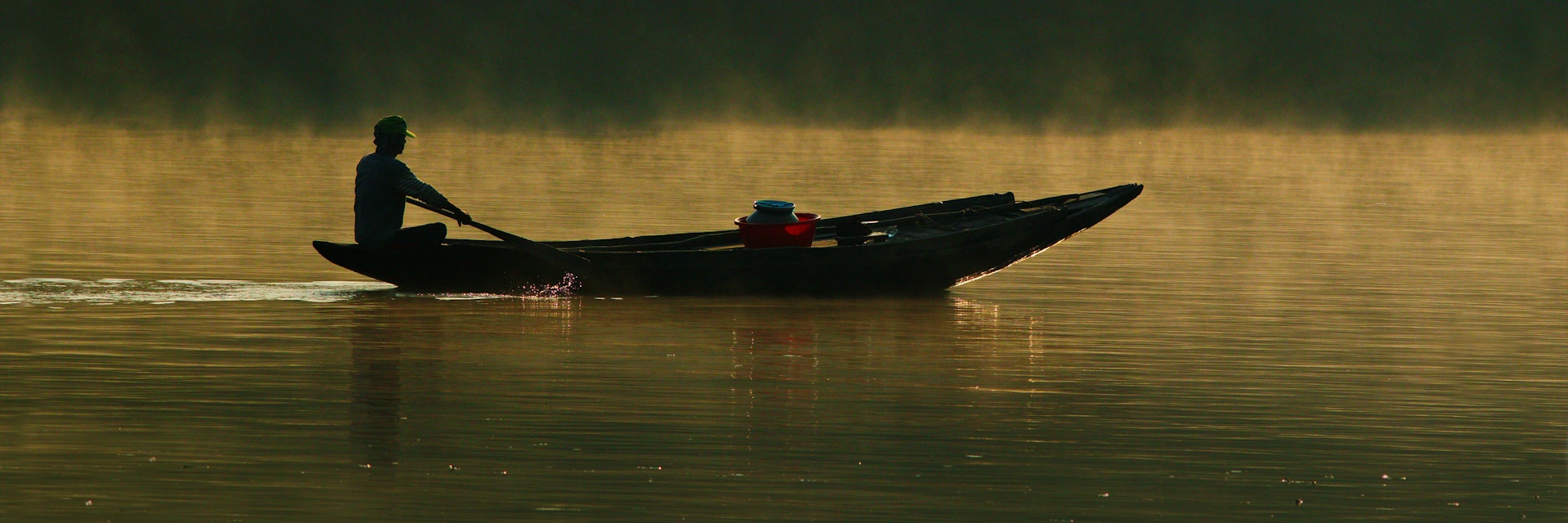
Bangladesh is south Asia's greenest jewel – a country braided with rivers, with a rich culture waiting to be explored by pioneering travellers.
Rajshahi & Rangpur
Set amidst gorgeous countryside, the vault-roofed rouge sandcastle of Kantanagar Temple, also known locally as Kantaji, is a stunning piece of religious…
Rajshahi & Rangpur
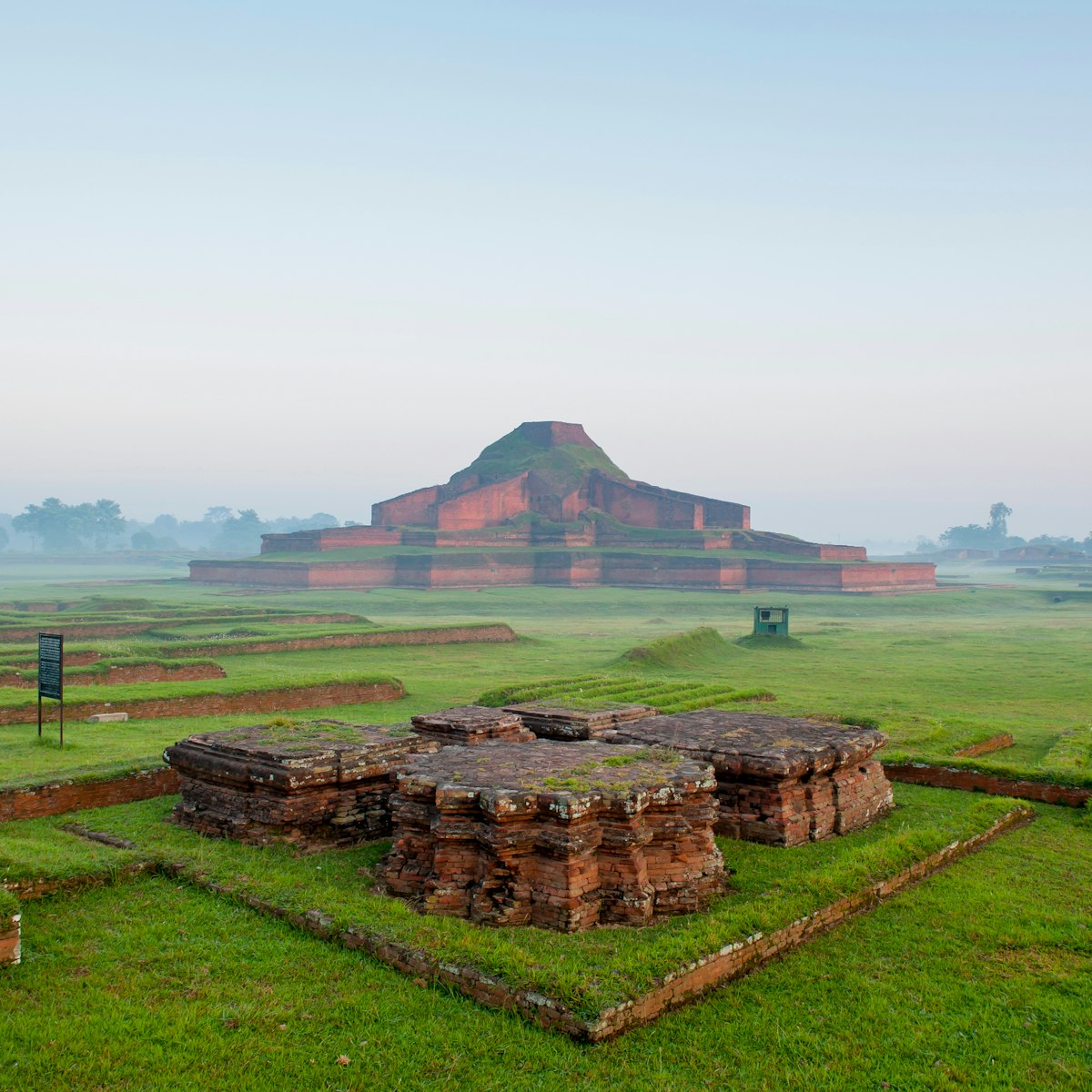
The hulking 20m-high remains of a 1300-year-old red-brick stupa form the central attraction of the vast monastery complex at Somapuri Vihara. Shaped like…
Bangladesh
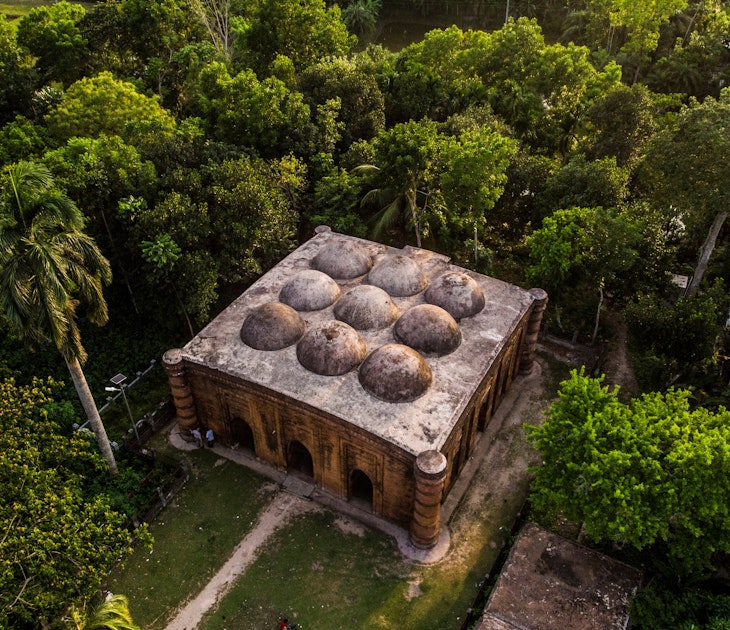
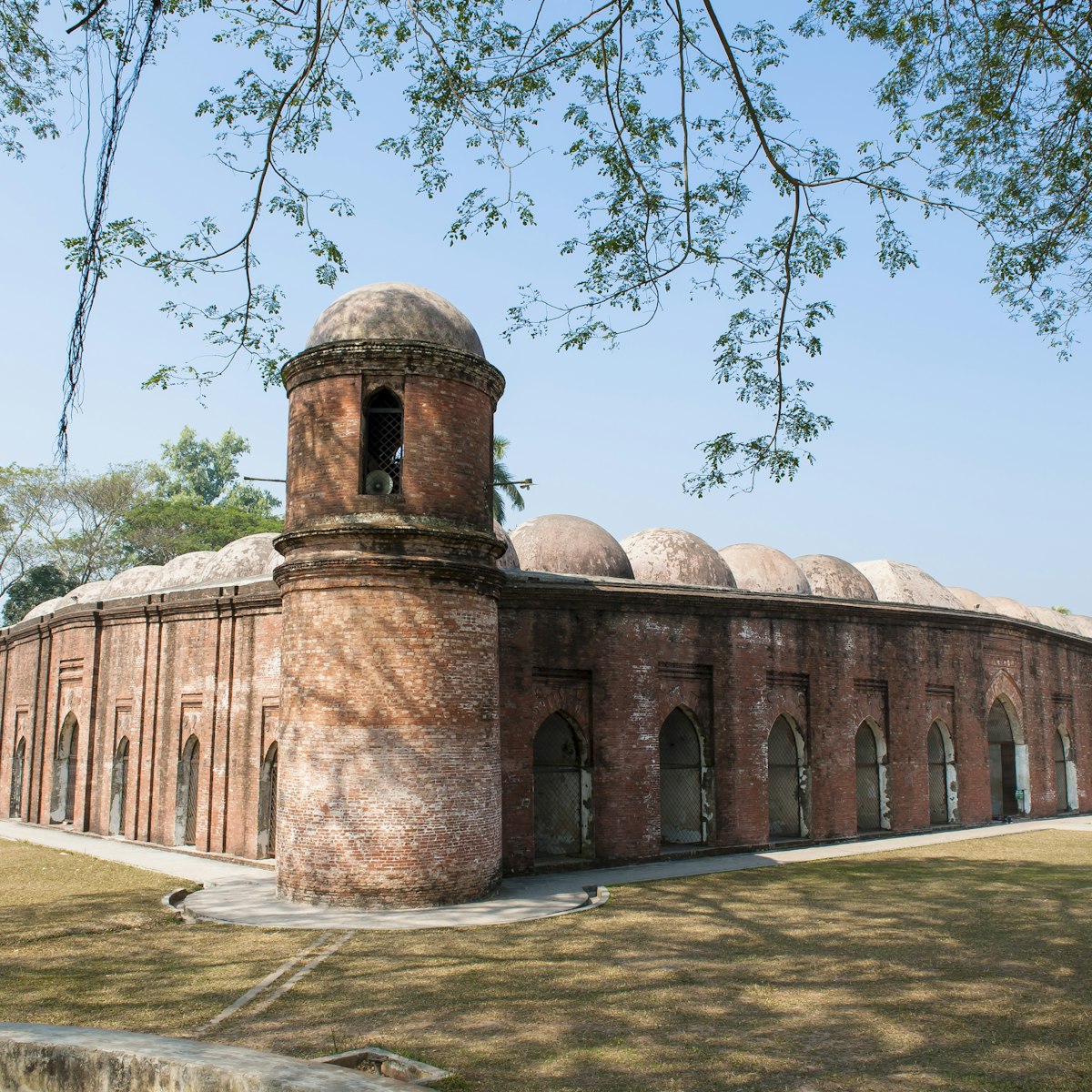
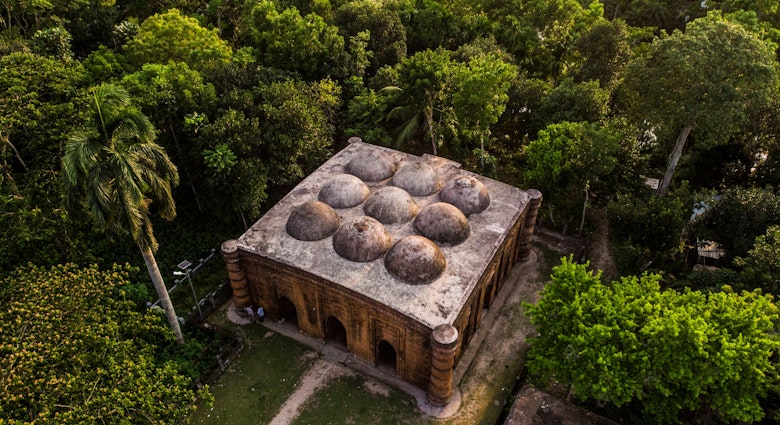
Built in 1459 (the same year Khan Jahan Ali died), the famous Shait Gumbad Mosque is the largest and most magnificent traditional mosque in the country…
Rajshahi & Rangpur
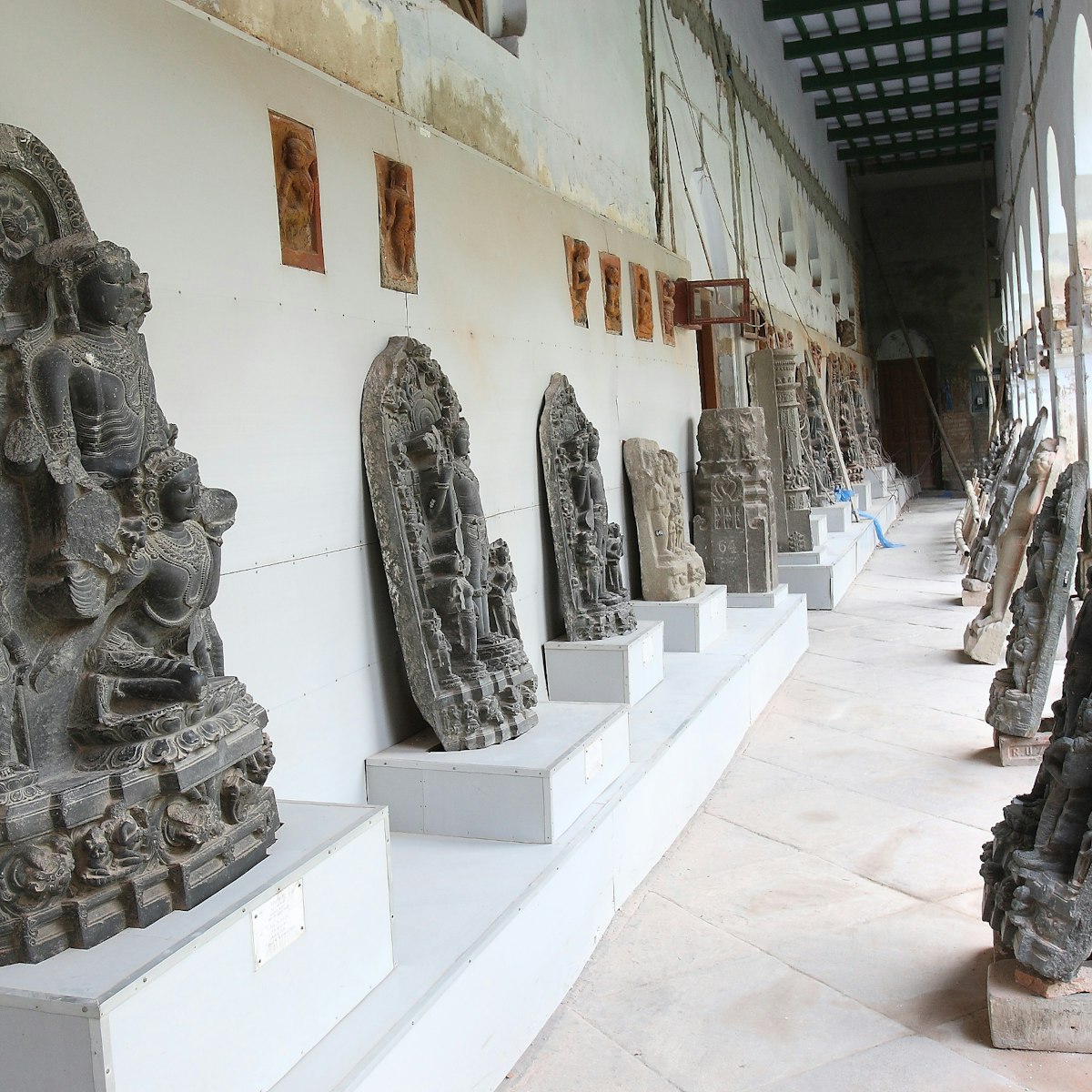
This gem of a museum is tucked away in an unassuming building on a quiet street, but can easily take up half a day of your time. Founded in 1910 with the…
Rajshahi & Rangpur
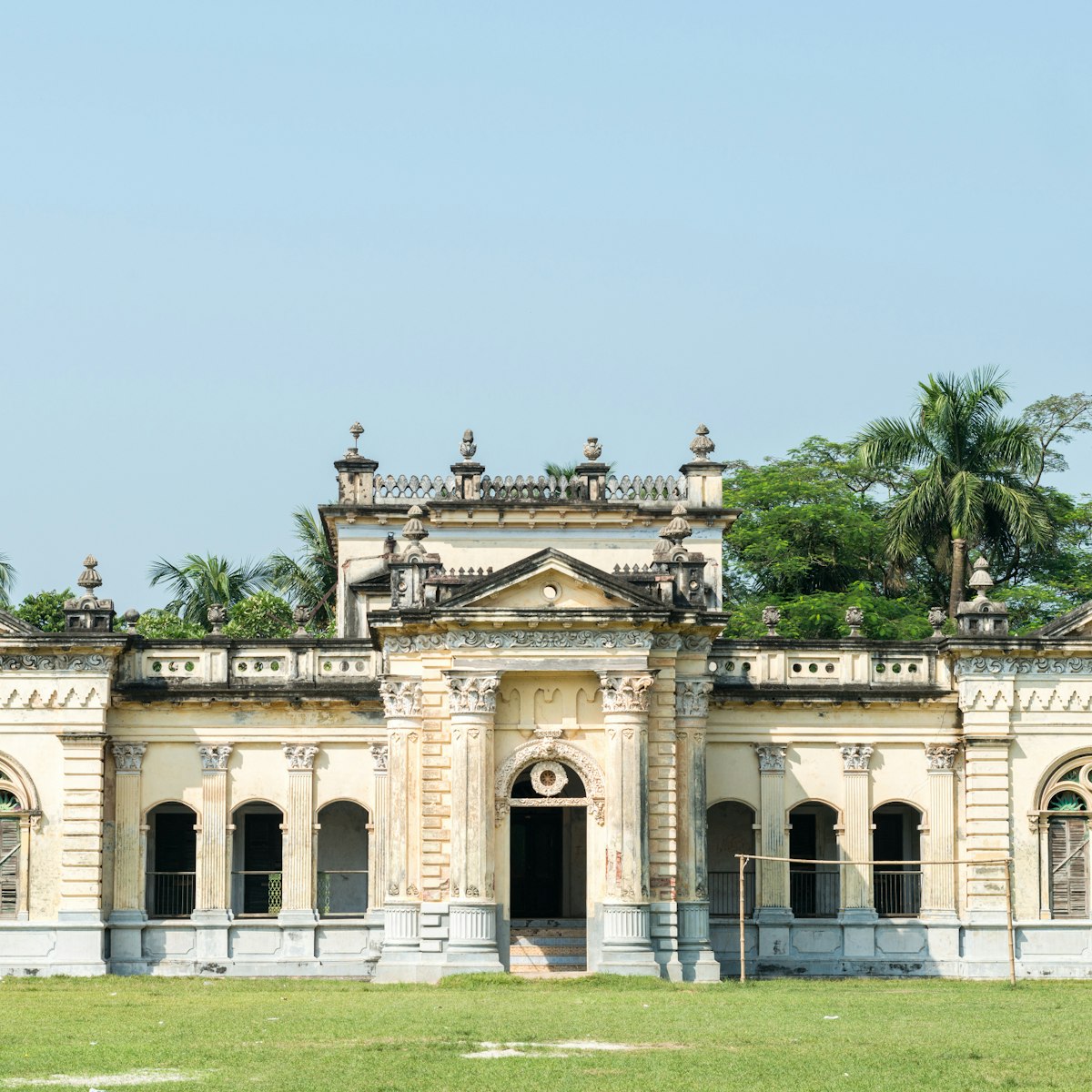
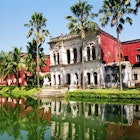
One of the oldest rajbaris in Bangladesh (dating from the early 1700s), the magnificent but dilapidated Natore Rajbari was once the nerve-centre of…
Srimangal & Around
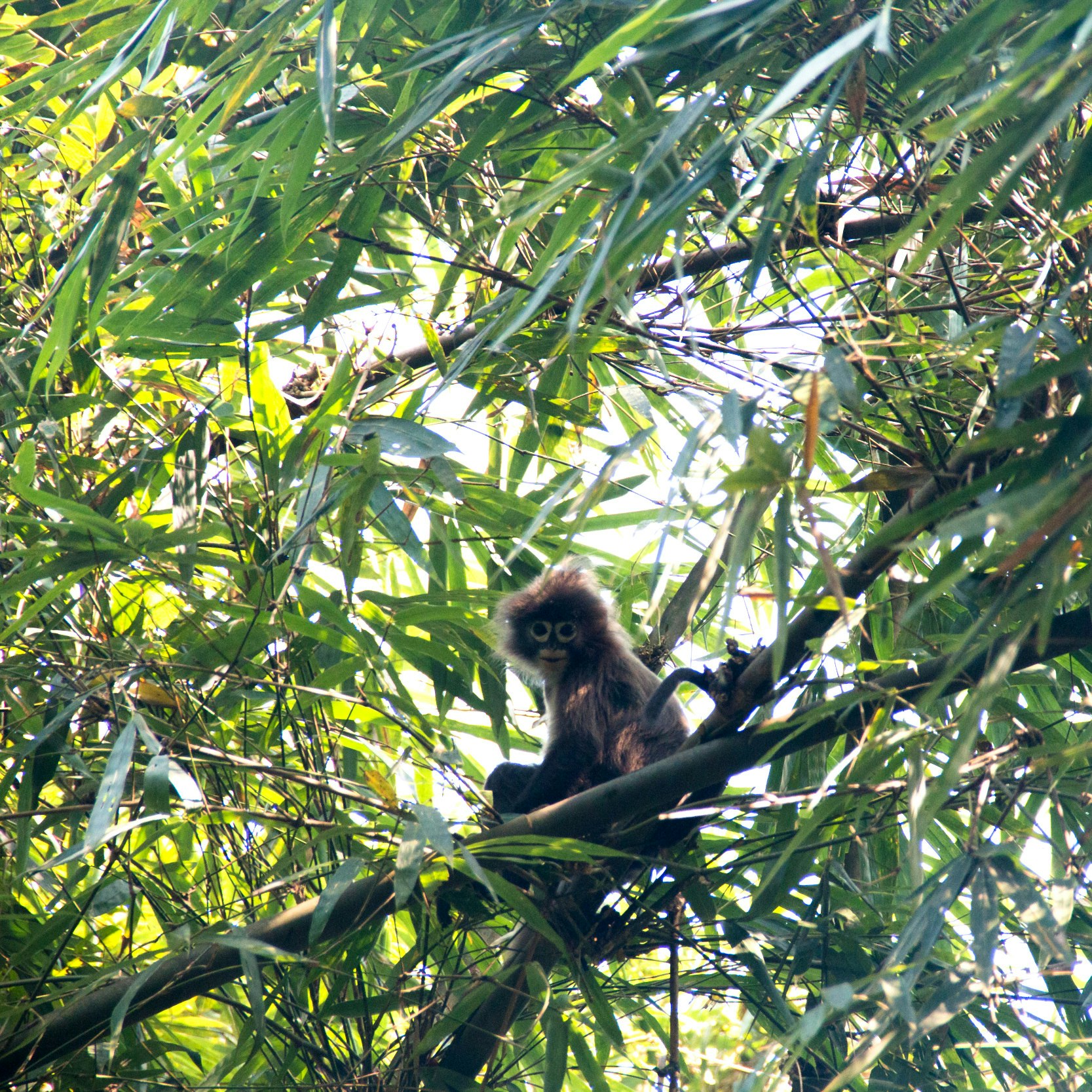
This wonderful patch of tropical semi-evergreen forest, around 8km east of Srimangal, provides some lovely forest walks and also your best chance of…
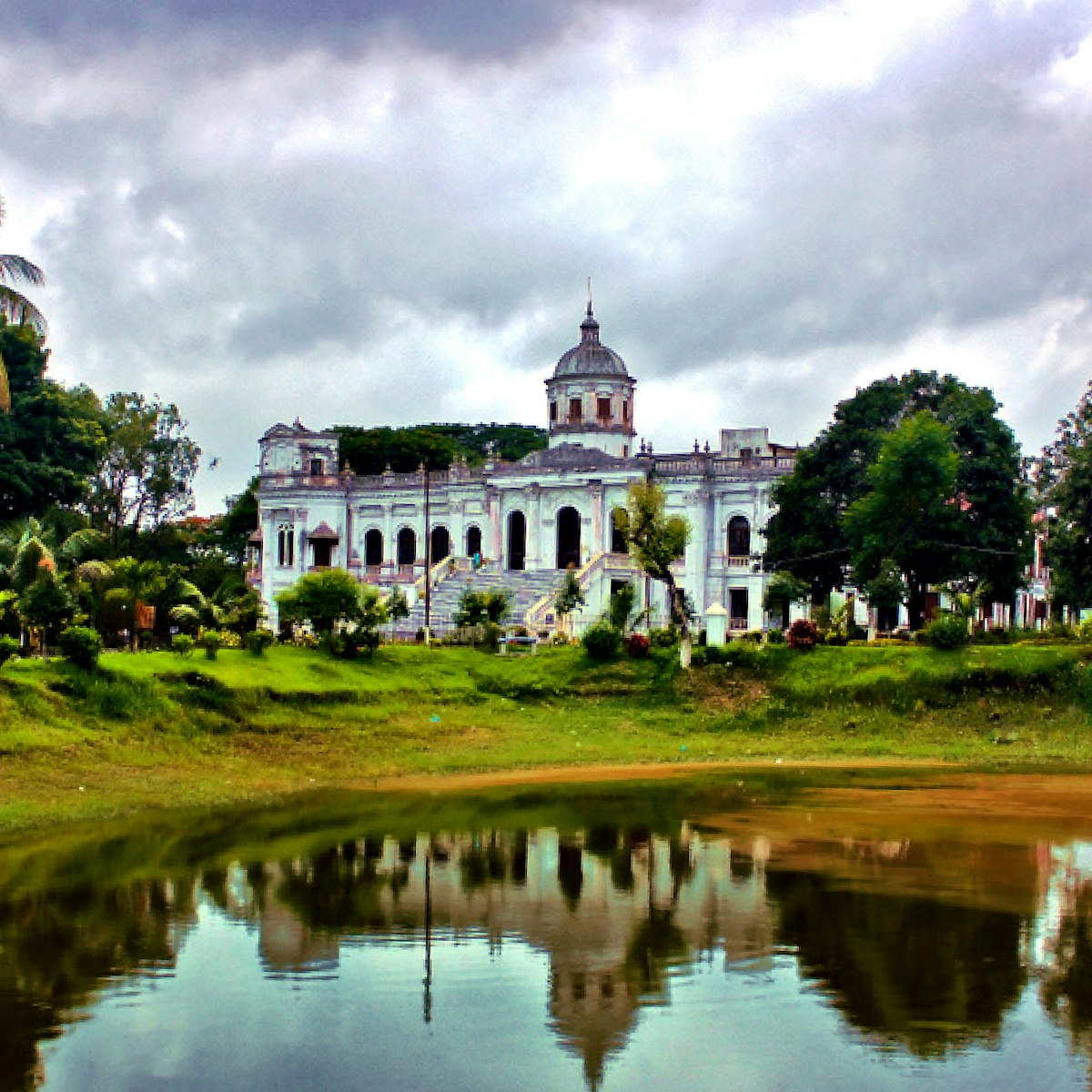
Rajshahi & Rangpur
The flamboyant and delightfully maintained Tajhat Palace is arguably one of the finest rajbaris in Bangladesh. The palace was constructed in the 19th…
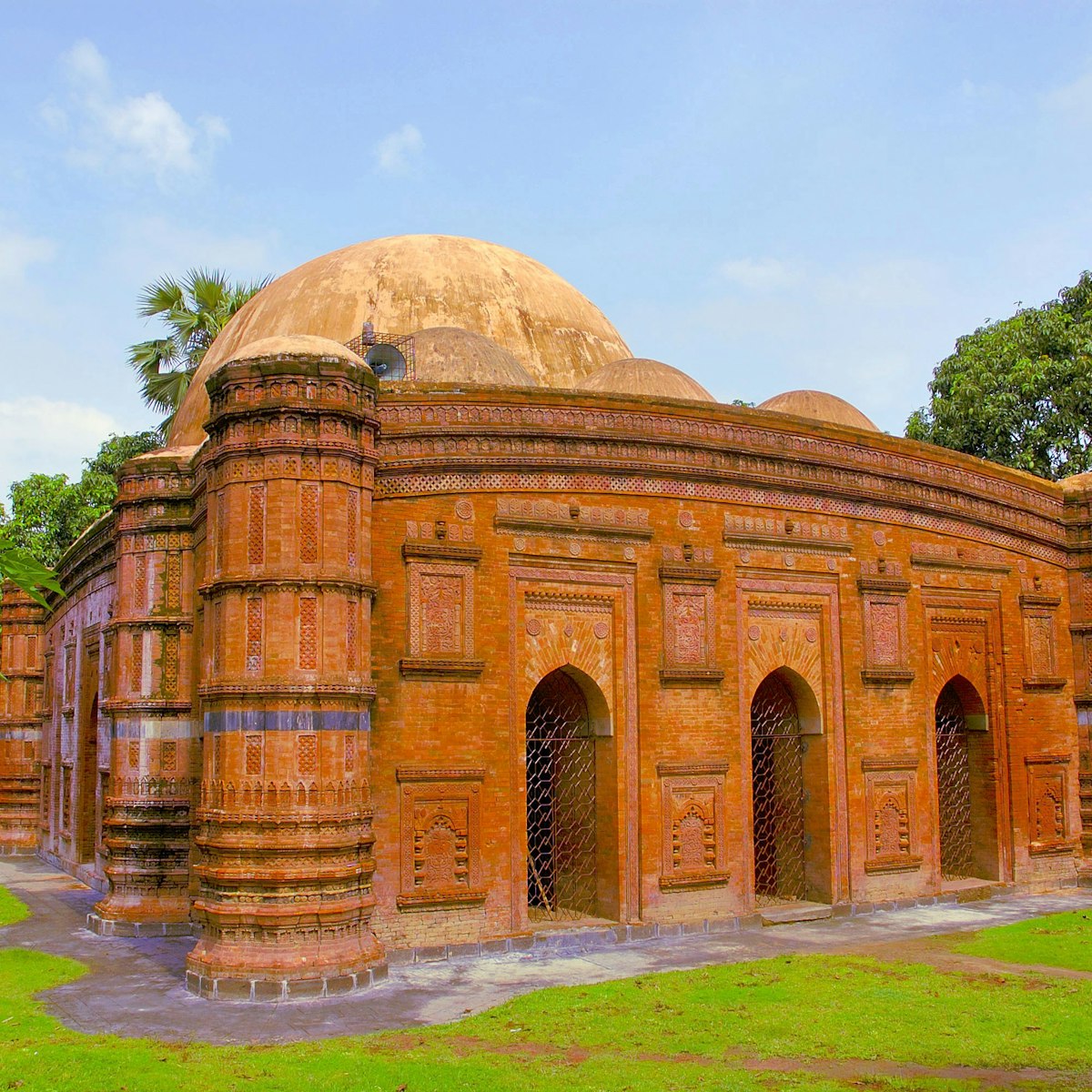
Rajshahi & Rangpur
About 750m beyond the turn-off for Darasbari Mosque, turn right at the bus stand and keep walking for around 250m until you see a sign directing you off…
Filter by interest:



Jan 27, 2011 • 4 min read
in partnership with getyourguide
Get to the heart of Bangladesh with one of our in-depth, award-winning guidebooks, covering maps, itineraries, and expert guidance.