Jun 2, 20268 min read
12 of Seattle's best beachesJul 6, 2025
11 MIN READ

Writer
Writer
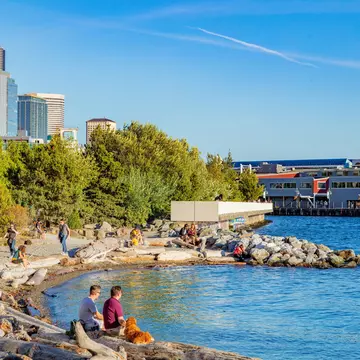
Though Seattle may be known for its rainfall, it never stops play in this vibrant, modern city. Instead, it contributes to the lush beauty and incredible landscapes that go hand-in-hand with the gleaming skyline.
Among the beauty and bustling streets is a throng of diverse and unique attractions. From experiencing the historical music scene that brought legends like Nirvana to the forefront of the industry to dining at fresh seafood joints with a beautiful mountain backdrop, these are the best things to do in the Emerald City.
To get your nature fix without actually leaving the city, Discovery Park is the place to go with 534 acres of forest and meadows to explore. As Seattle's largest green space, it's a haven for wildlife and offers stunning views of Puget Sound.
Go for a hike on the 12 miles of trails among the evergreen trees, relax or search for seashells on the sandy beach or visit the West Point Lighthouse, which has been in operation since 1881. The Daybreak Star Indian Cultural Center tells the history of the Indigenous Duwamish who once lived on the land.
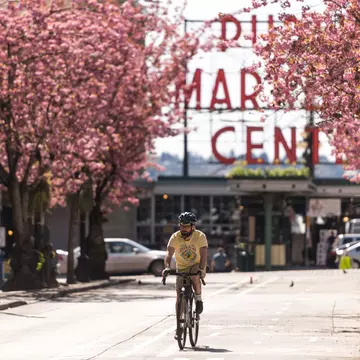
Pike Place Market has a special place in the heart of Seattle. This famous market, with its maze of shops and foodie spots, is a must-visit and it underwent an exciting expansion in late 2024, which included the grand opening of the Overlook Walk. This elevated pedestrian bridge connects the MarketFront Pavilion to the waterfront below, providing expansive views of Elliott Bay and a seamless route for visitors. There's also expansive seating sections and fun play areas for kids.
Wander through the bustling market and watch seafood vendors fling fish from one part of the store to another. Most come for the spectacle, but the ultra-fresh filets or shellfish make for an unforgettable home-cooked meal.
Stroll around the many quirky shops like Eighth Generation, an Indigenous-owned home goods and art shop, Lamplight Books, a used book store with everything from modern literature to vintage favorites, or massive footwear at the Giant Shoe Museum. But who are we kidding? You came here to eat.
Planning tip: Arrive hungry. Find tasty Russian dumplings at Piroshky Piroshky, swig some Rachel’s Ginger Beer, indulge in the best mac 'n' cheese you’ve ever tasted at Beecher's Handmade Cheese or grab a sweet Earl Grey cookie at Three Girls Bakery.
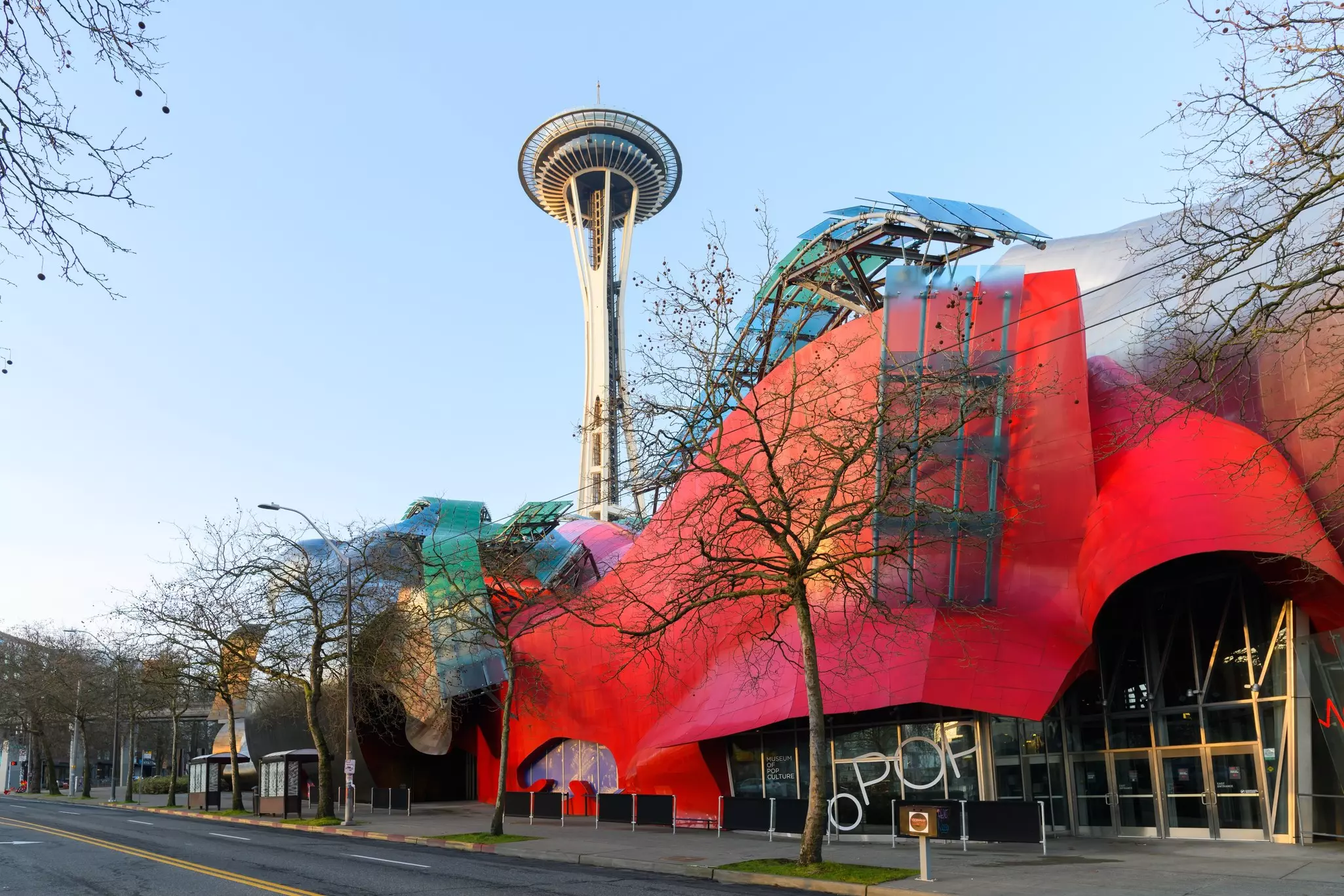
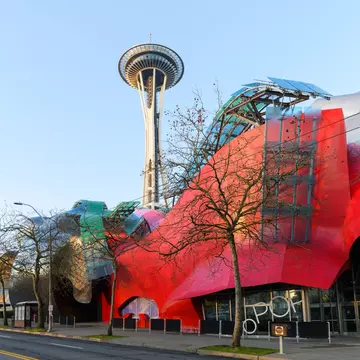
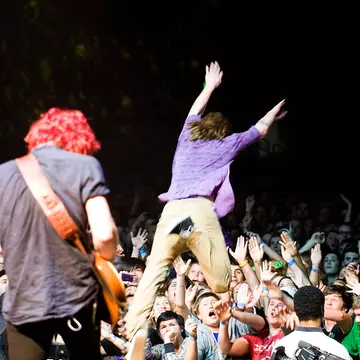
Not only is the Museum of Pop Culture a unique architectural wonder to admire, but the exhibitions will take you on a journey through the history of the music industry, with a special soft spot for Seattle legends Kurt Cobain and Jimi Hendrix.
And beyond music, there are year-round showcases and events celebrating all things pop culture and entertainment. A new addition to the museum's permanent collection is an exhibit on the rise of indie video games, showcasing the creative spirit of the Pacific Northwest.
Planning tip: If you want to indulge your secret desire to be a rock star, spend some time in the Sound Lab, where you can get in a jam studio and record your own songs.
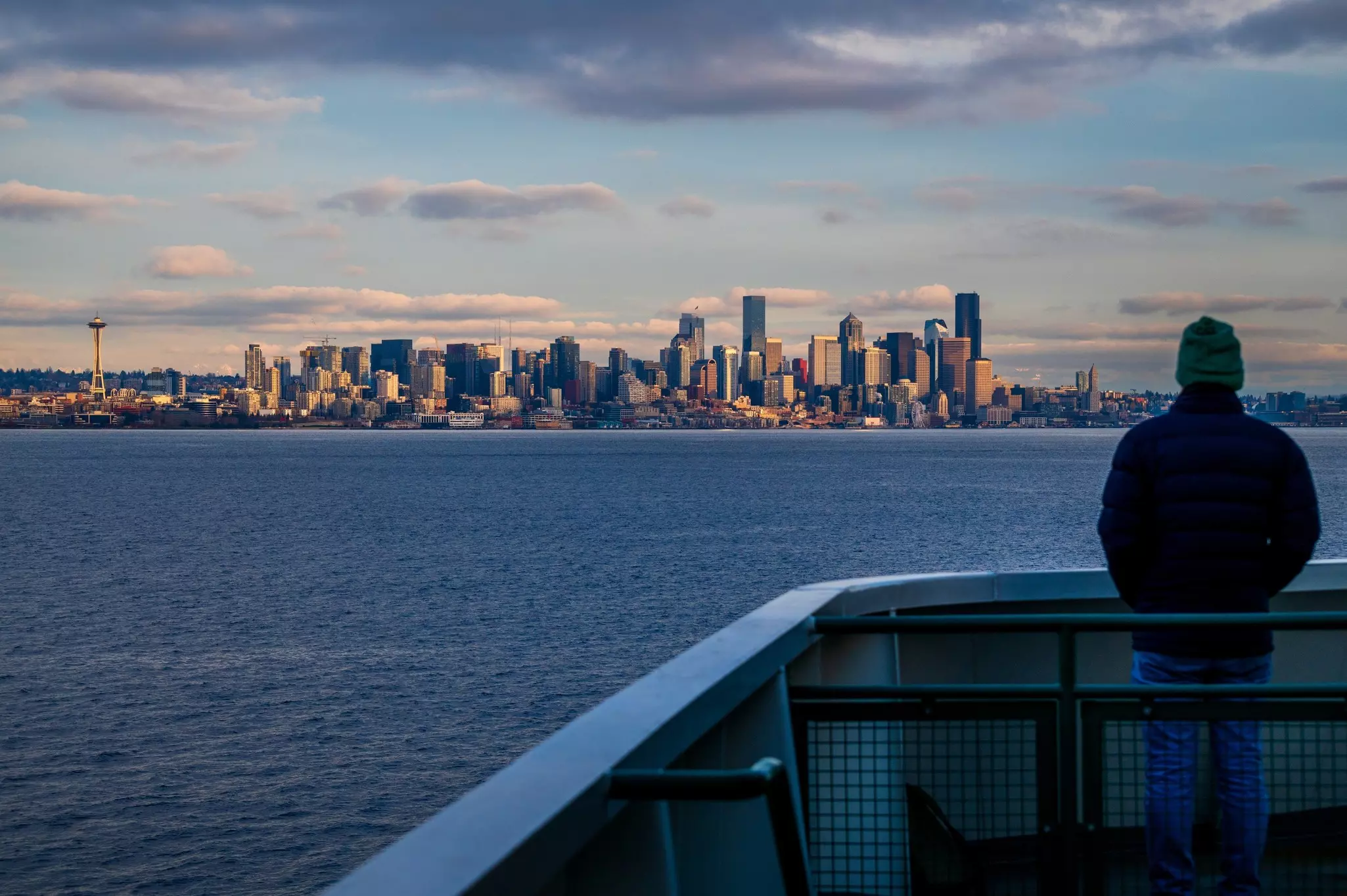
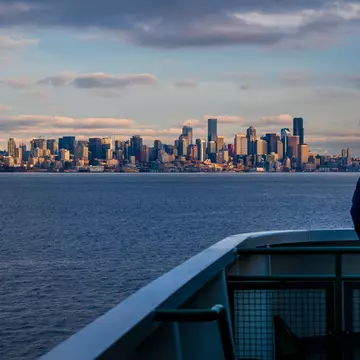
For a beautiful view of Seattle and a worthwhile day trip, take one of the many ferries in the area to another Pacific Northwest location. Bainbridge Island, Bremerton, Vashon Island, or one of the San Juans provide that small-town getaway feeling without going too far.
Local tip: When you’re on the ferry, head up to the passenger deck for a full panoramic view of the Seattle skyline from one side and the beautiful Cascade Mountains on the other. Time your ferry ride at sunset for an unforgettable experience.
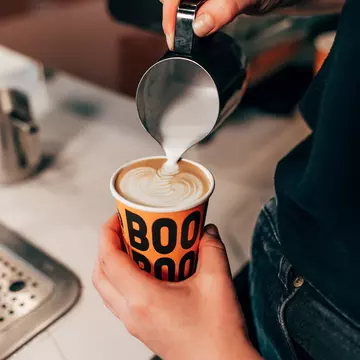
Everyone knows Starbucks began in Seattle, but it's far from the only coffee shop on the scene. With multiple cafes on every block, Seattle is considered the bean capital of the US for a reason.
You can’t go wrong with sampling espresso from practically anywhere in the city. Diva Espresso has often been left off those “best coffee shops in Seattle” lists, and it’s a shame – their brews are outstanding. It has seven locations spread throughout the city and serves some of the best iced coffee. Grab a pinwheel pastry, and your perfect order is complete.
Support Black-owned Black Coffee Northwest in Ballard, which gives back to the community through youth development programs.
Planning tip: If you must venture to a Starbucks, make it the Reserve Roastery in Capitol Hill. You can try menu items like pizza and tiramisu and special brews like espresso martinis not found in a normal store.
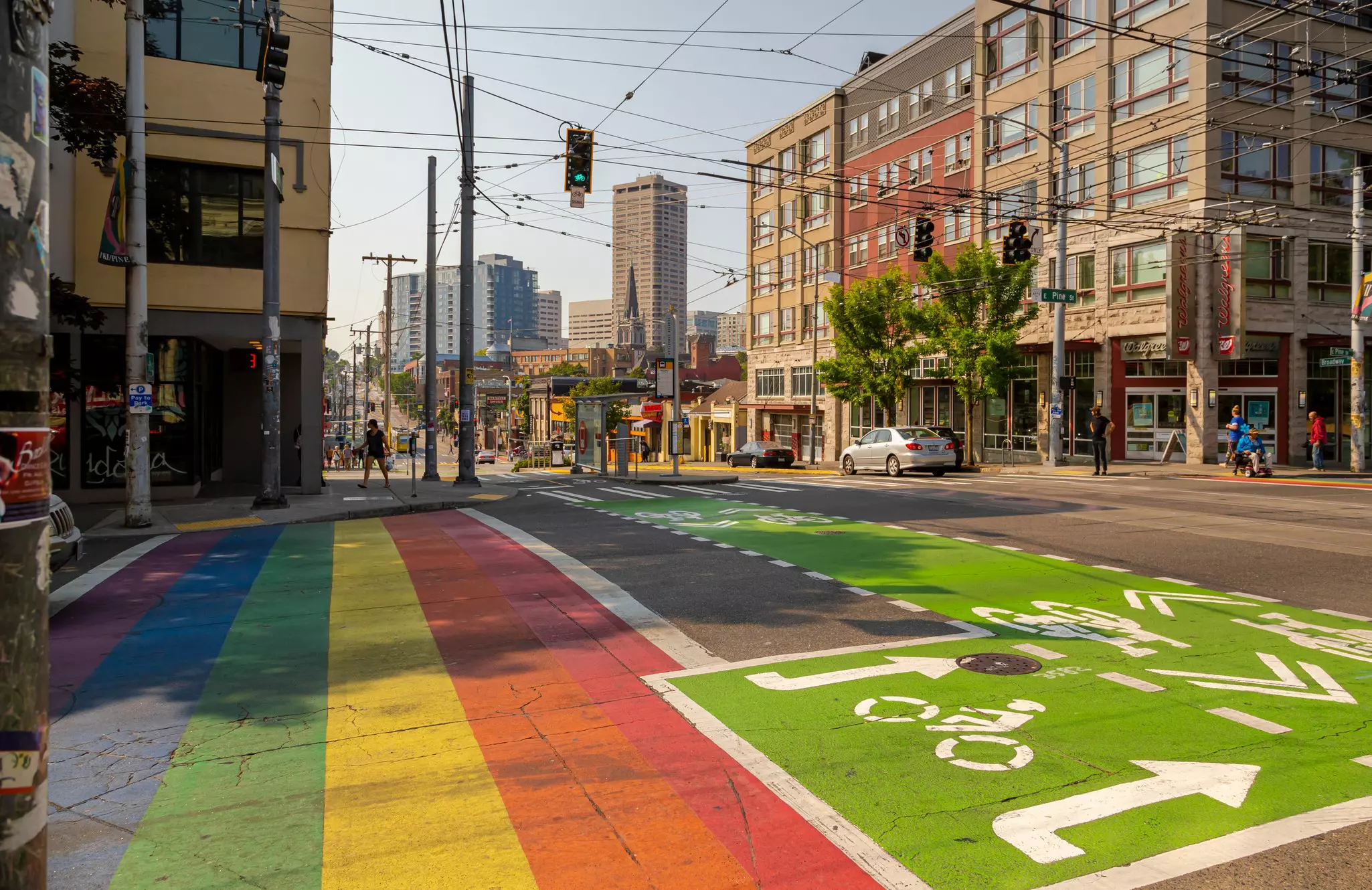
Catching a drag show, eating brunch at an excellent restaurant or viewing some eclectic street art are just snippets of what the Capitol Hill area has to offer.
This LGBTIQ+ friendly neighborhood has rainbow crosswalks, lots of queer-owned nightlife and a spacious park in this special pocket of the city. Watch some of your favorite RuPaul’s Drag Race performers and local Seattle queens lip sync up a storm at Queer/Bar or Julia’s on Broadway.
One of the best restaurants in the neighborhood is Oddfellows Café + Bar, an all-day and all-night spot where you feast on everything from deviled eggs (with dill) to pesto linguine. And always leave room for the strawberry shortcake with Chantilly cream. Right next door, you can find Molly Moon's, an ice cream parlor with unique flavors like honey lavender.
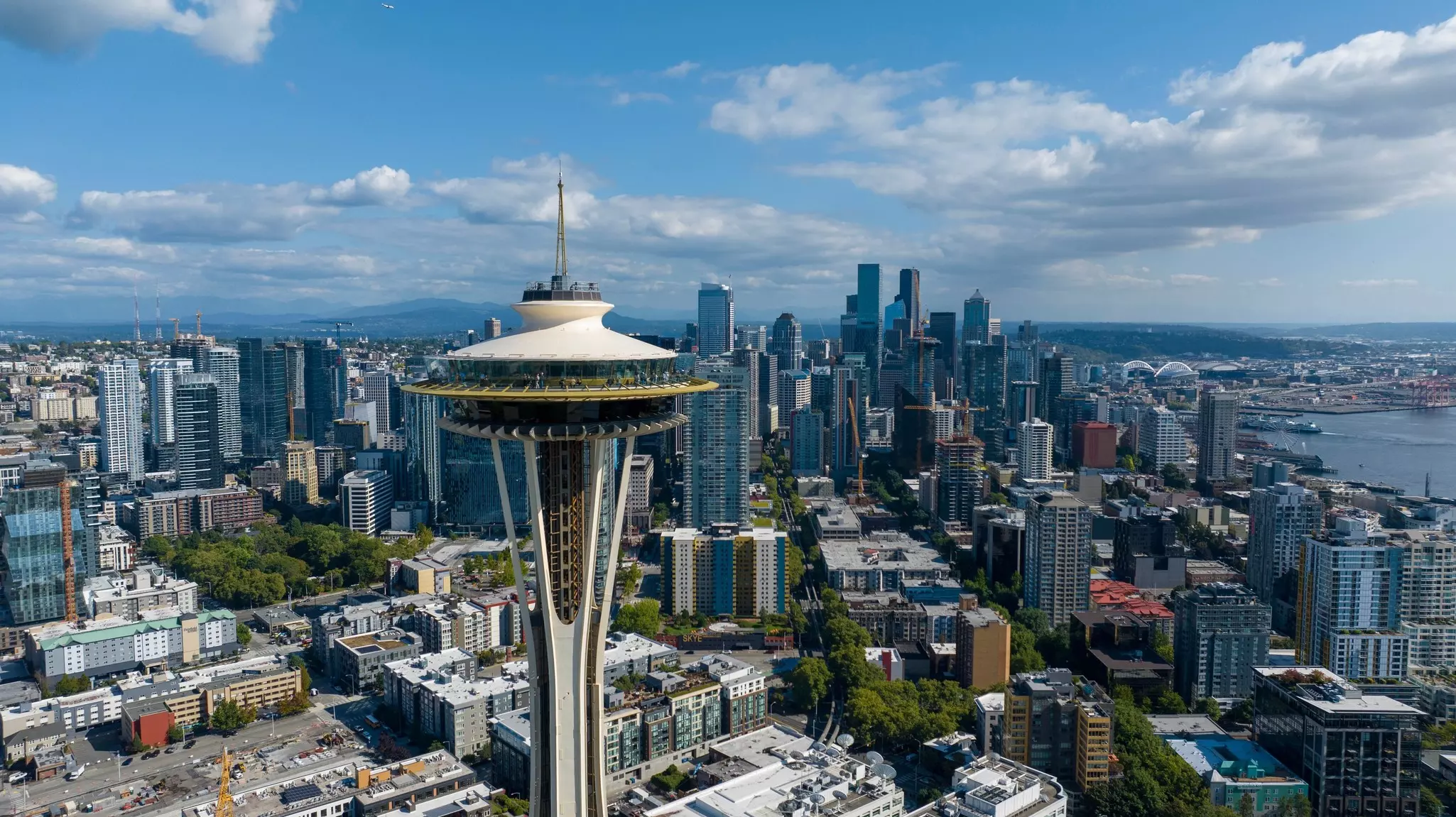
The city icon, which is as synonymous with Seattle as coffee, was built for the 1962 World’s Fair and in 2018 got a face-lift to bring it into a new era.
Although it's no longer Seattle's tallest structure, one million annual visitors still squeeze into the Space Needle’s slick, speedy elevators to enjoy views that are best described as awesome. Granted, tickets are expensive, and you'll be elbow-to-elbow with tourists, but stop complaining and get in line: this is an essential Seattle pilgrimage.
Local tip: If you want to avoid the crowds, get there at 8am and you'll have the Needle all to yourself.
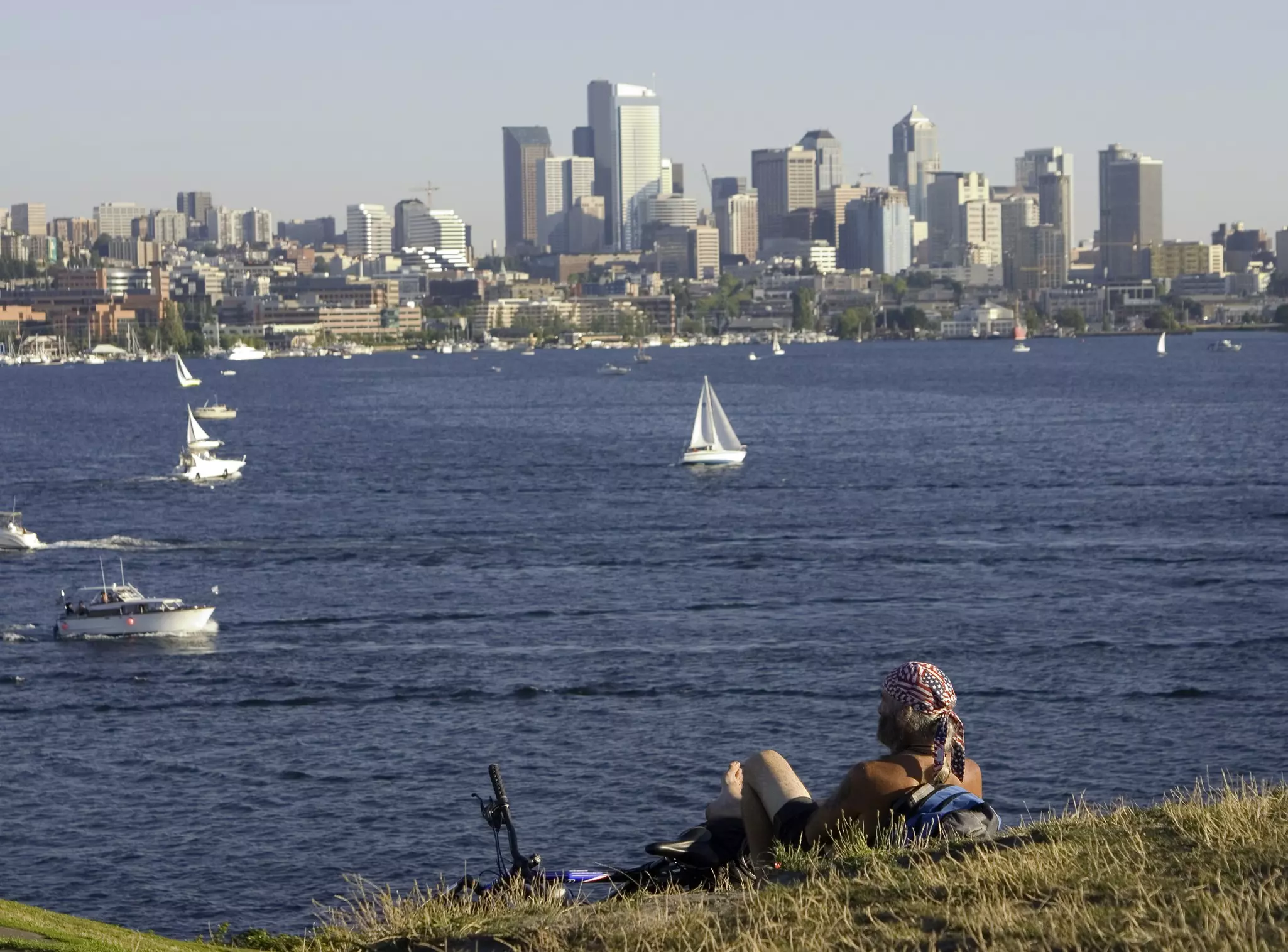
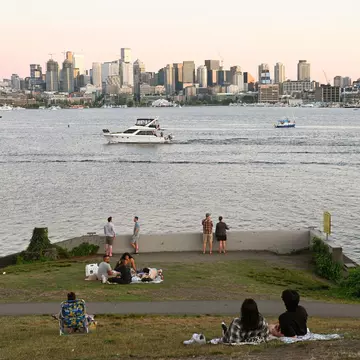
Lake Union is the central spot in Seattle to enjoy all things aquatic. Formed by glacial erosion over 12,000 years ago, this freshwater expanse offers kayaking, stand-up paddleboarding, seaplane journeys and even hot tub boat rentals.
And if being on the water isn’t your specialty, you can enjoy the views on terra firma at Gas Works Park, which has a lovely view of the Space Needle, especially at night.
If you’re up to the challenge, you can walk or run the Cheshiahud Lake Union Loop, which takes you 6 miles around the perimeter, with plenty of houseboats to admire.
Detour: For a unique experience, paddle up to Gasworks Brewing and enjoy a refreshing pint. You won’t be the only one in a swimsuit.
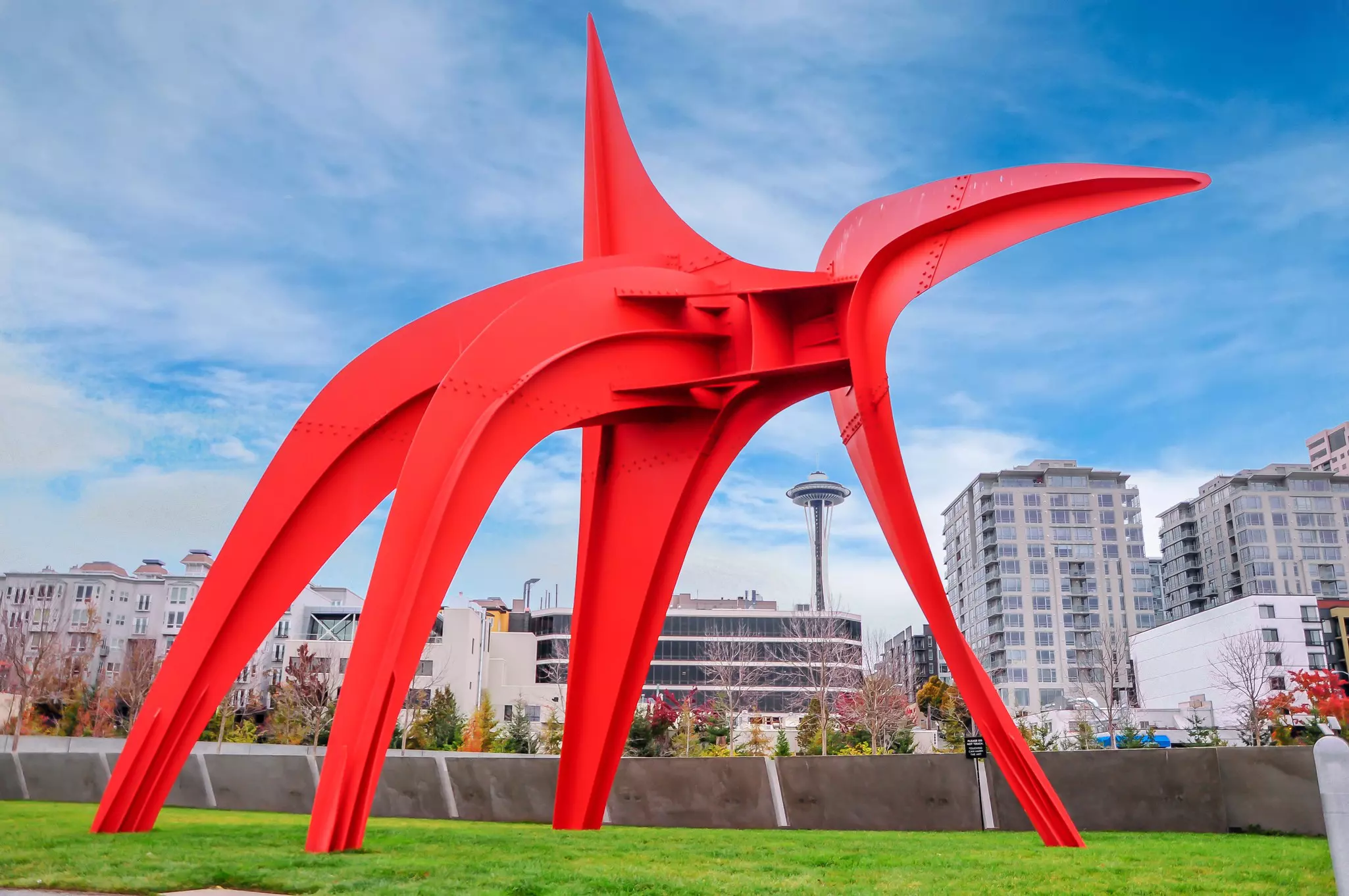
Seattle likes to display its art out in the open with no holds barred. You’ll even find art installations underground in the Link stations, like the “apartment windows” in the U District station. Sculptures and statues decorate parks, streets and squares, from a delightful troll in Ballard (one of many scattered across the PNW) and the iconic Jimi Hendrix statue, to the existential Waiting for the Interurban.
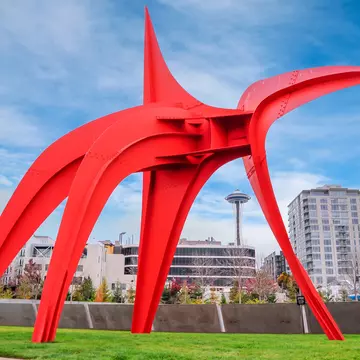
Seattle’s sculpture park, an outpost of the Seattle Art Museum, spreads its 3D works across a landscaped space overlooking Elliott Bay.
Head south along Lake Washington Blvd E through the very upscale Madrona Park neighborhood and you’ll end up at Colman Park. The entire lakefront stretch between here and Seward Park is parkland. This is an especially good area for cycling. On the weekends during summer, the boulevard is closed to cars, making it a cyclist's paradise.
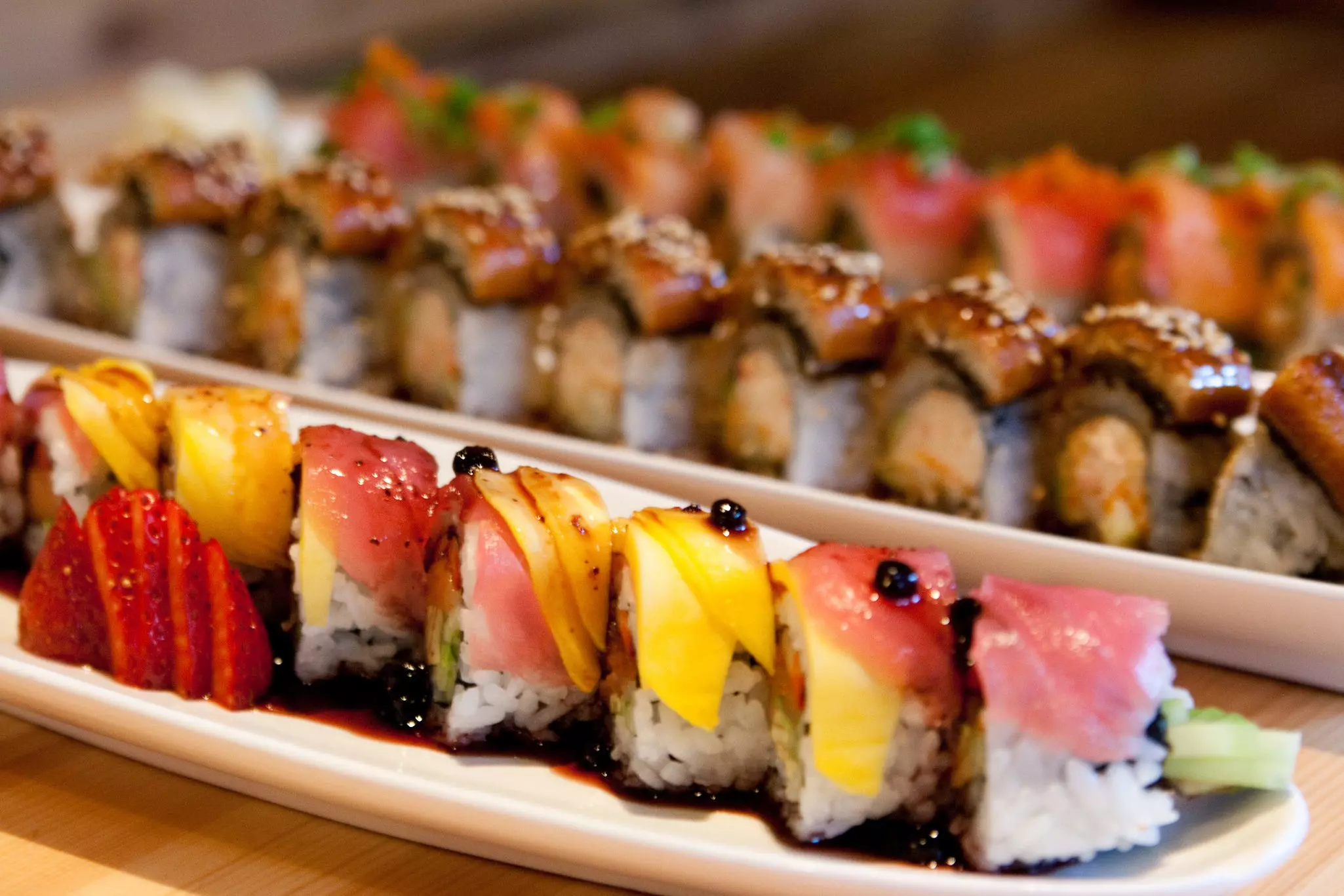
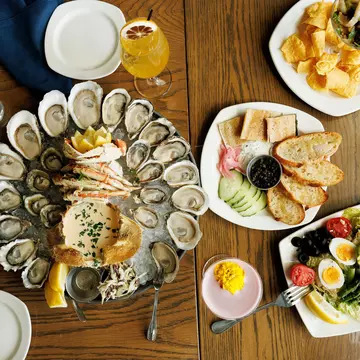
If you’re unsure where to eat and don’t have anything specific in mind, Belltown is the perfect option. With over 100 restaurants covering every cuisine you can imagine, you won’t have a problem finding something to sate your appetite.
For hearty Italian pizza, head to Rocco's for its Classic Sausage. If you need a sushi fix, try Shiro's. Biscuit Bitch should be your brunch stop if you need a serving of Southern-inspired breakfast foods, and for some Caribbean eats, Jerk Shack is a must (try the jerk chicken plate). Drink some ales in the warehouse-style tasting room at Cloudburst Brewing.
The macarons at Lady Yum are so pretty you may want to snap a few photos before indulging. A few flavors include classic vanilla bean, espresso fudge, salted caramel, honey lavender and, of course, chocolate.
This Byzantium Revival building began life in 1915 as a synagogue for a congregation of Orthodox Jews. By 1969 the demographics of the neighborhood changed and the building was reintroduced as the Langston Hughes Performing Arts Center, named after the famed Black American poet and social activist.
In 2016, the nonprofit LANGSTON organization took over programming events in the space to highlight Black art and culture in Seattle. Visitors can catch musical performances, plays, poetry events and film festivals. Whether you're interested in contemporary issues or timeless classics, LANGSTON offers a diverse array of cultural experiences.
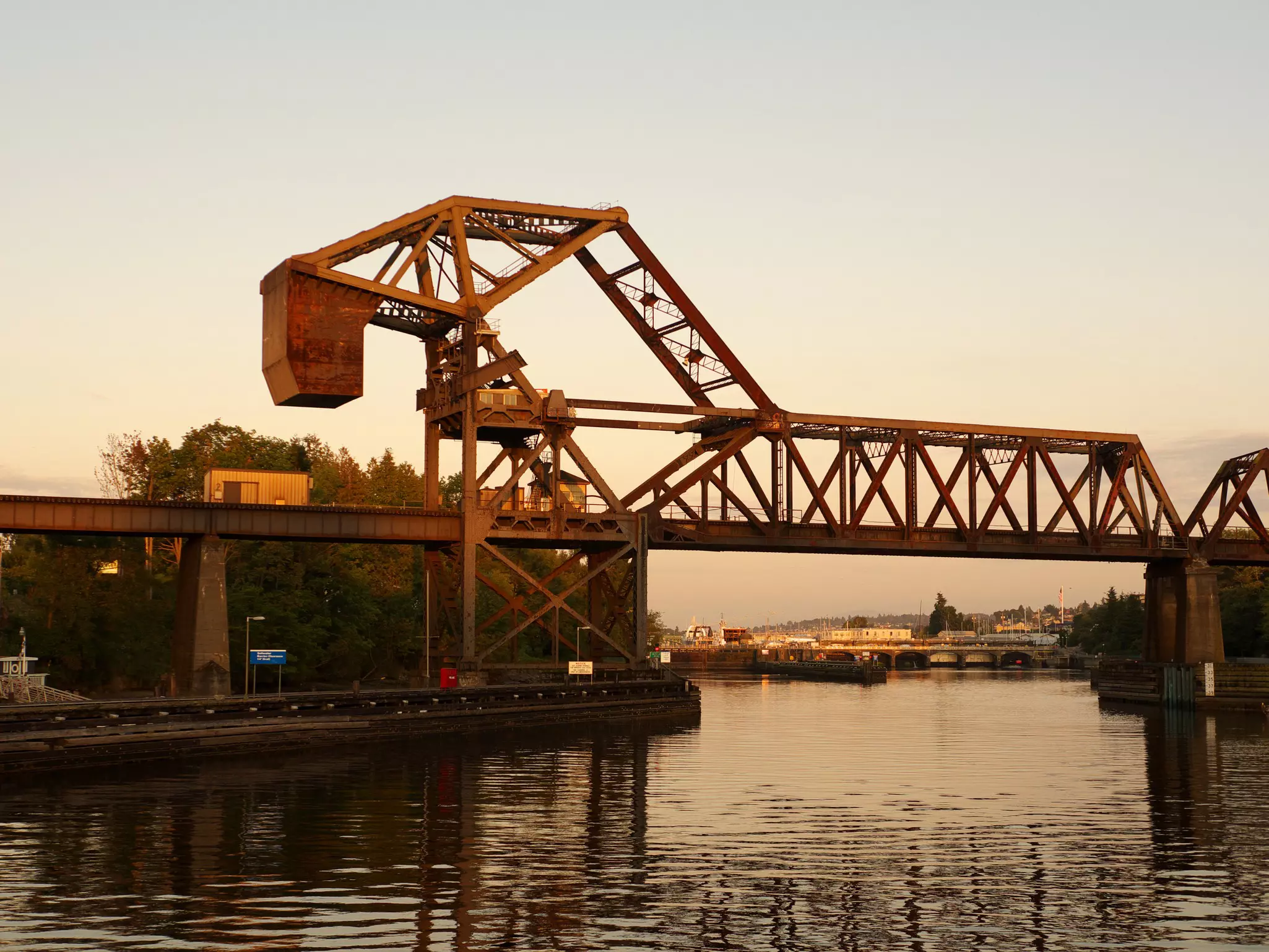
The Hiram M. Chittenden Locks, often called the Ballard Locks, offer a unique experience where you can watch boats transition between Lake Union’s freshwater and the saltwater of Puget Sound, dropping 22ft in the process. Adjacent to the locks is the fish ladder, built in 1976, which helps salmon navigate upstream to their spawning grounds in the Cascade headwaters.
During spawning season, from mid-June to September, you can watch salmon make their incredible journey through underwater viewing windows. The fish ladder is also a prime spot to observe sea lions chasing the salmon. Nearby, the Carl S. English Jr. Botanical Gardens and a visitor center with a small museum add to the experience, making the Ballard Locks a must-see in Seattle.
A one-time fishing village founded by Nordic immigrants, the Ballard neighborhood has been reincarnated as Seattle’s beer capital with enough bars in its own right to satisfy a city. Boldly experimental, Ballard's small breweries concoct big flavors that are served in a cornucopia of drinking establishments.
There are nano-breweries, brewpubs, old-school biker hangouts all over Seattle (try Backfire Moto), tasting rooms, whiskey bars (try The Ballard Cut), sports bars, dives peddling rock music, and bars with book corners. A must-visit is Fremont Brewing, known for its massive urban beer garden perfect for a sunny day out. Once you’re done with the booze, you can immerse yourself in Ballard's unique National Nordic Museum and a necklace of waterside parks.
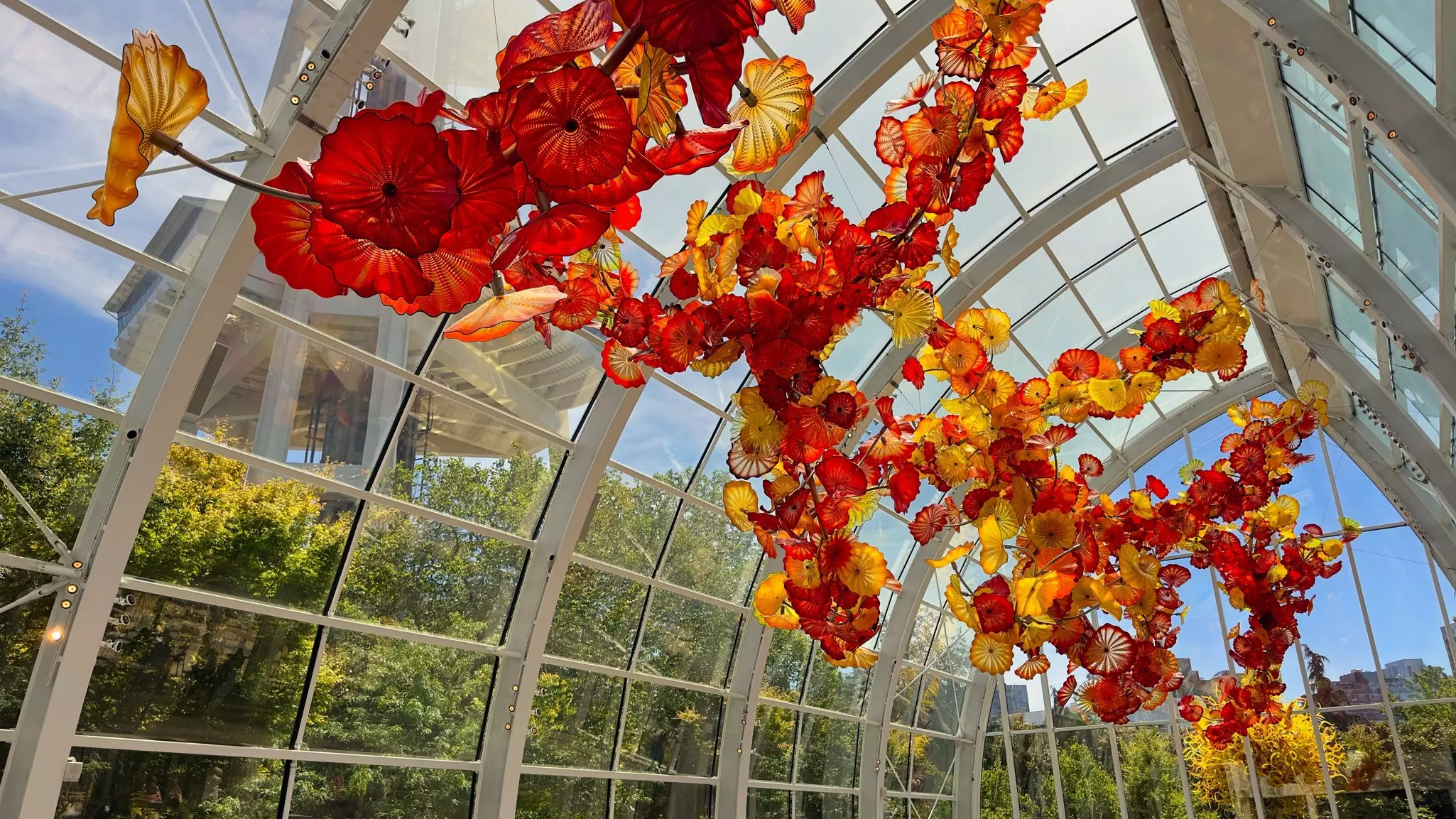
Opened in 2012 and reinforcing Seattle’s position as a leading city of the arts, this exquisite exposition of the life and work of dynamic local sculptor Dale Chihuly is possibly the finest collection of curated glass art you'll ever see.
It shows off Chihuly's creative designs in a suite of interconnected dark and light rooms before depositing you in an airy glass atrium and – finally – a landscaped garden in the shadow of the Space Needle. Glassblowing demonstrations are a highlight.
Planning tip: The outdoor garden, with its striking glass sculptures that blend seamlessly with nature, is particularly breathtaking at night when illuminated.
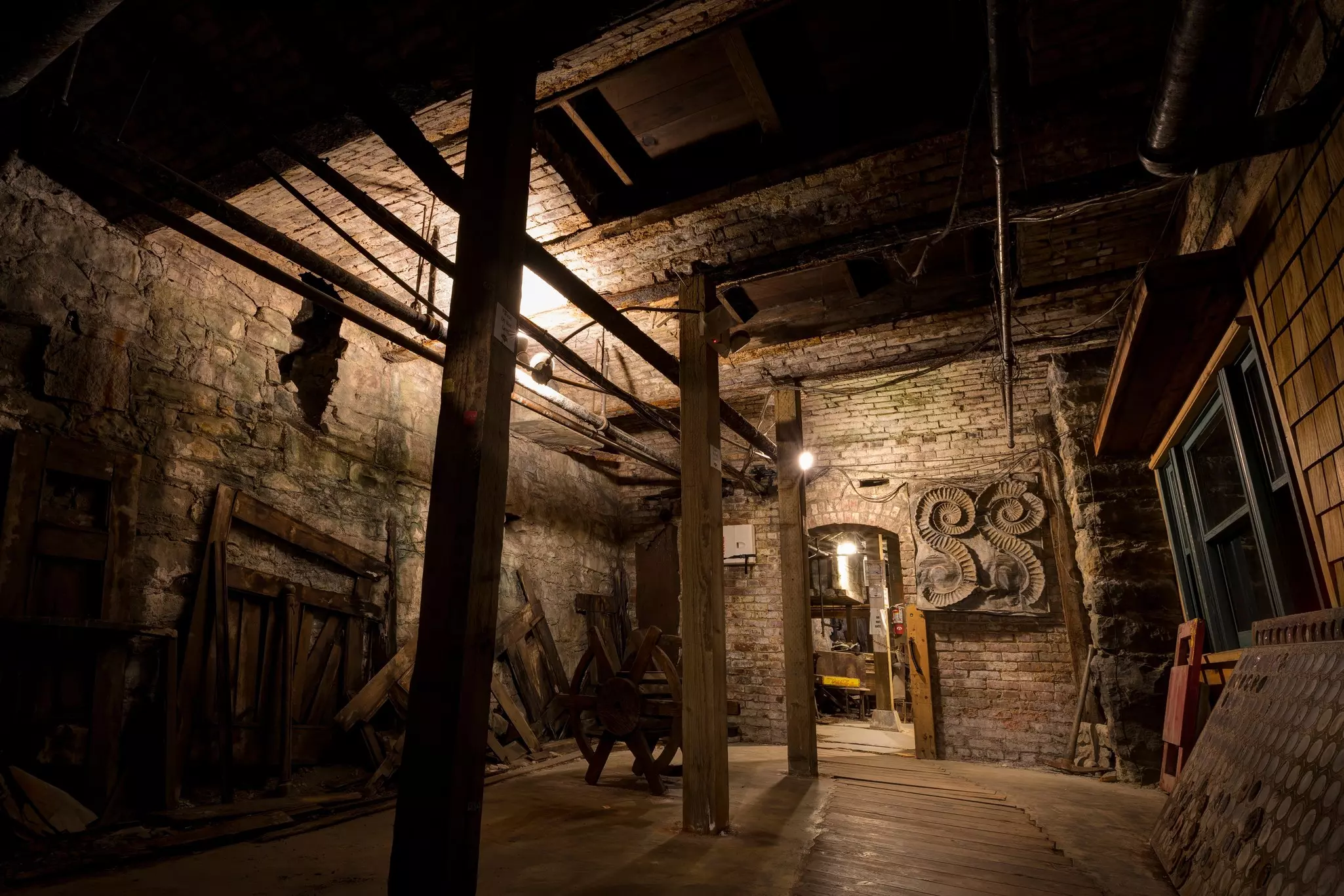
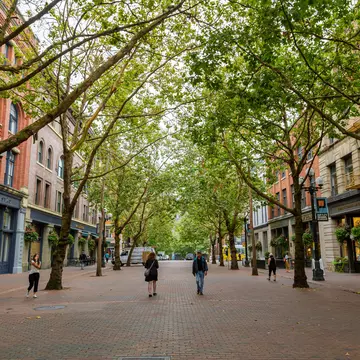
Beneath the bustling streets of Seattle lies a hidden world that tells the tale of the city’s past. The Seattle Underground Tour takes you on a fascinating journey through the subterranean passageways that once served as the main roadways and storefronts in the late 19th century.
Following the Great Seattle Fire of 1889, the city was rebuilt on top of the old streets, leaving behind a network of tunnels that now offer a unique glimpse into the past. This guided tour is both educational and entertaining, providing insight into the challenges and triumphs of Seattle’s early days.
Explore related stories