Udon Thani Province
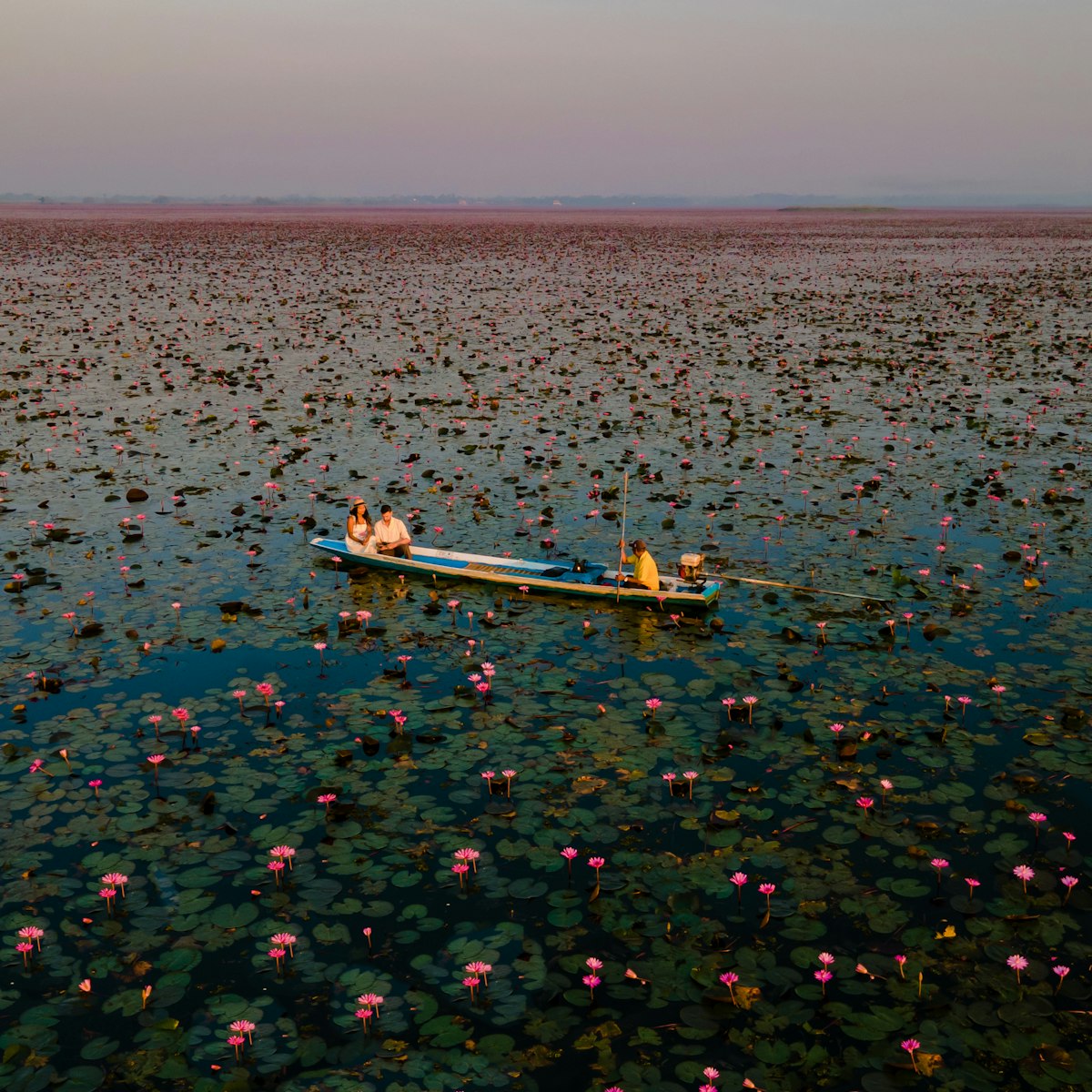
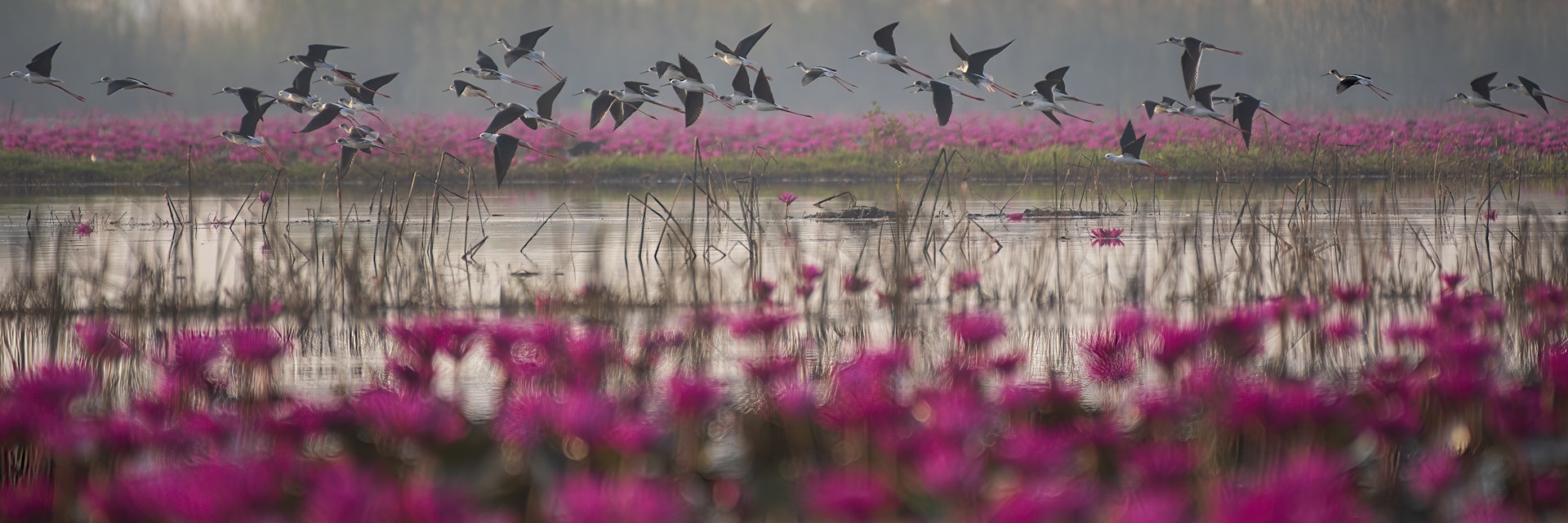
You'll see pictures of the Red Lotus Sea (really, it's a pink water-lily lake) all over Udon as it's now one of Isan's top attractions, but few Westerners…
Getty Images/iStockphoto
Udon Thani Province is dominated by its flashy, congested and rather nondescript capital. It's the World Heritage–listed Ban Chiang, amazing Red Lotus Sea and mysterious Phu Phrabat that make it a fascinating destination.
Experience the real Udon Thani Province. Let a local expert handle the planning for you.
Get startedUdon Thani Province
You'll see pictures of the Red Lotus Sea (really, it's a pink water-lily lake) all over Udon as it's now one of Isan's top attractions, but few Westerners…

Udon Thani Province
Steeped in mythical intrigue and peppered with bizarre rock formations, Phu Phrabat Historical Park is one of the region’s highlights. The formations are…
Udon Thani Province
With brightly painted statuary that's even more bizarre than Nong Khai's Sala Kaew Ku, this wát is a perfect add-on to Phu Phrabat if you have your own…
Udon Thani Province
This excellent museum, developed with some assistance from the Smithsonian Institution, exhibits a wealth of pottery from all Ban Chiang periods, plus…
Udon Thani
Udon's most popular park starts to rev up as the afternoon winds down. It's home to colourful attractions such as a giant Ban Chiang–style pot and a huge…
Udon Thani Province
Like a little Lopburi, this otherwise ordinary rural market town 50km southeast of Udon Thani has a troop of monkeys living alongside its human residents…
Udon Thani Thai-Chinese Cultural Centre
Udon Thani
This cultural centre features a gorgeous garden, a tea shop and the Moral Museum, which has excellent displays about the history of the Chinese community…
Udon Thani
The Udon Sunshine Orchid Farm, just northwest of town, earned fame for producing the first orchid-based perfume. It has since developed a hybrid of…
Get to the heart of Udon Thani Province with one of our in-depth, award-winning guidebooks, covering maps, itineraries, and expert guidance.